
Introduction
Commercial gym equipment trends in 2026 are not only about new machine shapes. Buyers are asking for equipment that supports stronger member experience, clearer gym positioning, more flexible programming and better long-term operation. From a manufacturing and procurement perspective, the useful question is not simply what is popular. The better question is which trends should affect the product list, layout plan, OEM decisions and supplier communication.
Key takeaways
- Evaluate manufacturing capability before comparing product prices.
- Ask for technical, inspection and customization details that match your order type.
- Use supplier communication quality as part of the buying decision.
Introduction
Commercial gym equipment trends in 2026 are not only about new machine shapes. Buyers are asking for equipment that supports stronger member experience, clearer gym positioning, more flexible programming and better long-term operation.
From a manufacturing and procurement perspective, the useful question is not simply what is popular. The better question is which trends should affect the product list, layout plan, OEM decisions and supplier communication.
Strength training remains central
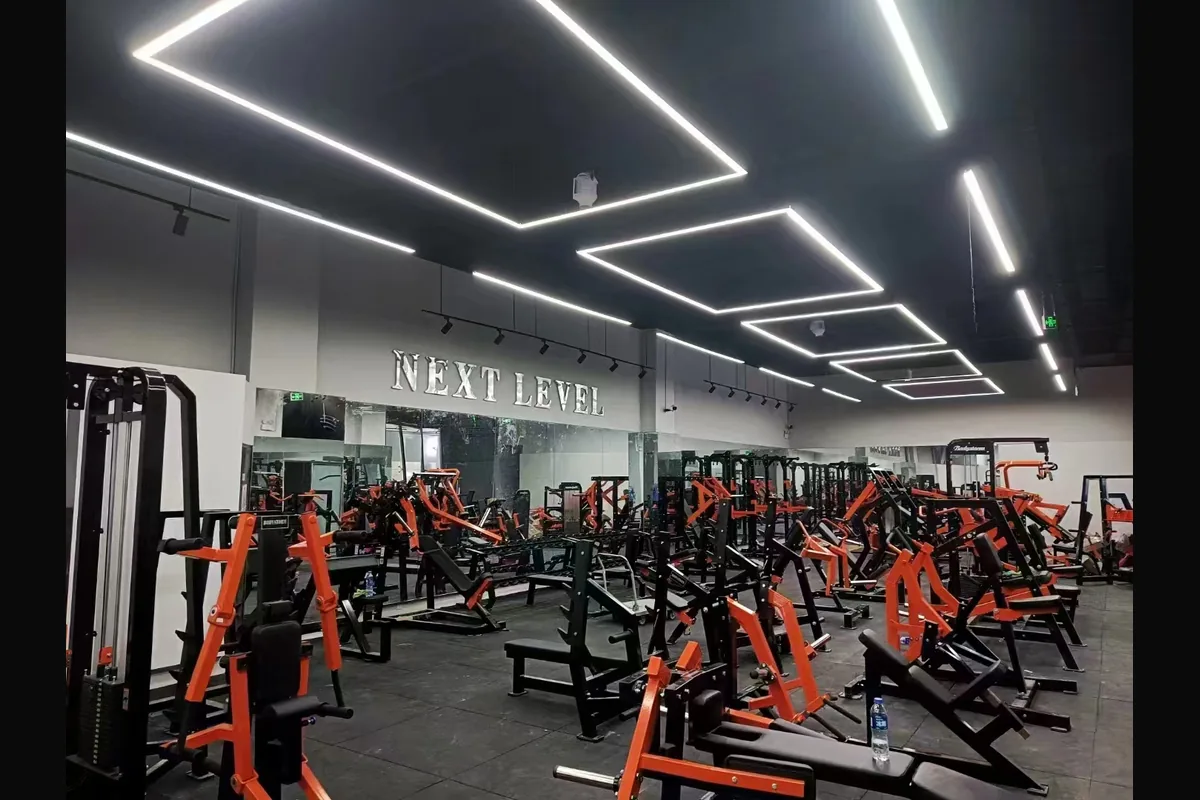
Strength equipment continues to be a major purchase area because it shapes gym identity and supports long-term member engagement. Plate-loaded machines, selectorized machines, racks and free weights all serve different user groups.
Buyers should avoid treating strength as one category. A commercial gym needs guided machines for accessibility, free weights for training culture and advanced machines for experienced users.
Functional training zones need better planning
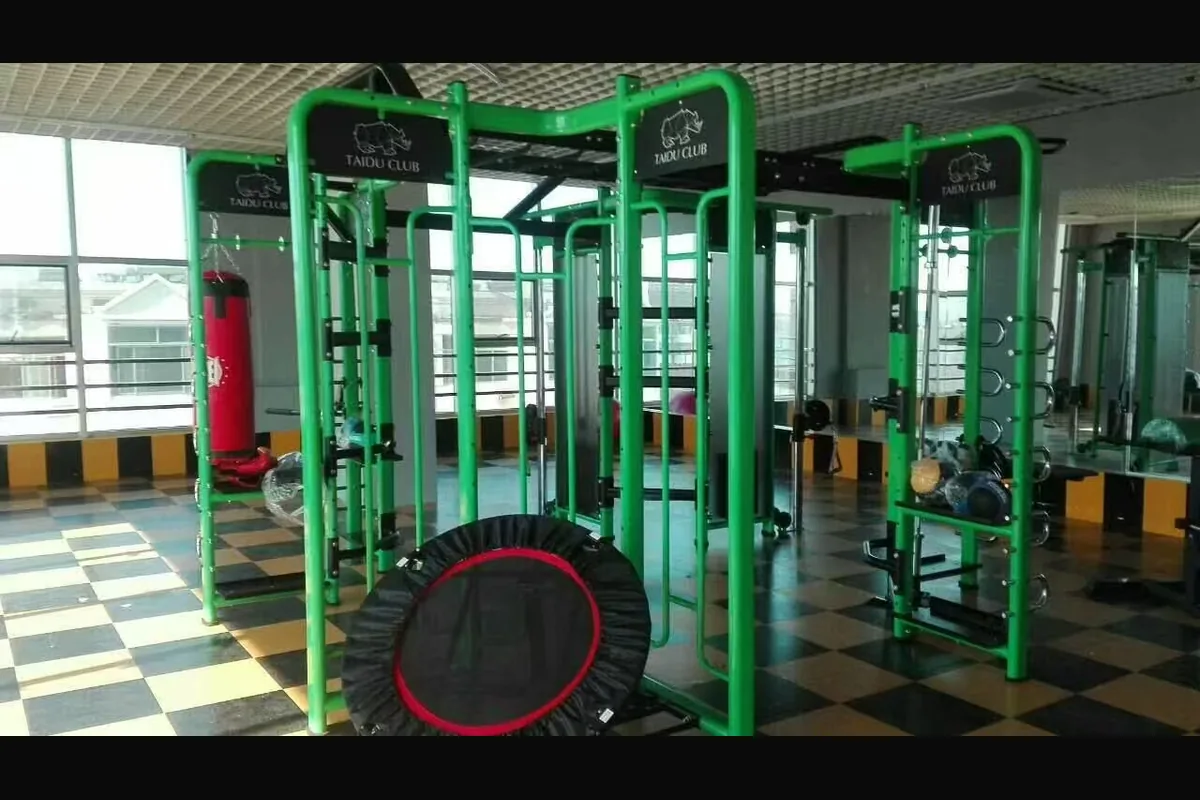
Functional training remains valuable, but many gyms waste space by buying equipment without a programming plan. The zone should support movement, group training, cable work and storage.
The best functional zone is not the largest. It is the one that members can understand quickly and coaches can manage easily.
Buyers want clearer application-based equipment choices
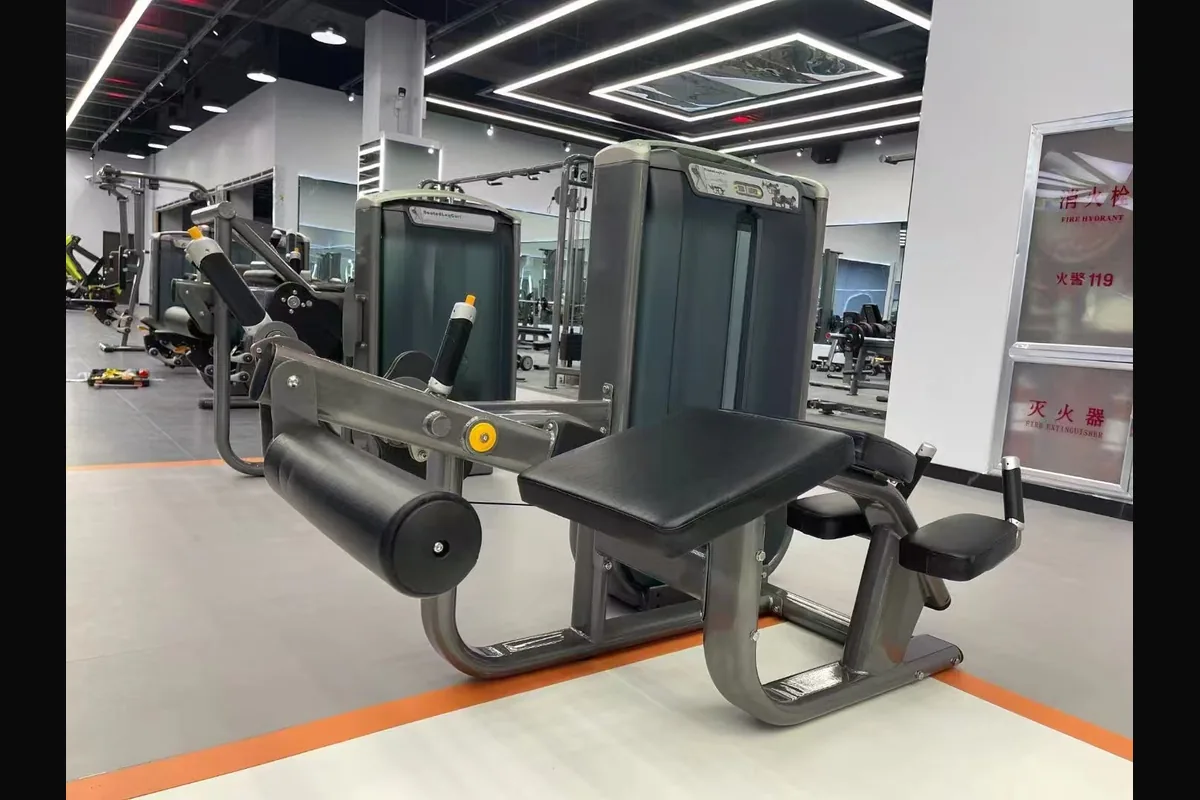
Hotels, schools, commercial gyms, private gyms and distributors do not need the same product mix. More buyers are asking suppliers to recommend equipment by application rather than sending a full catalogue.
This changes supplier communication. The buyer should provide room size, user profile, training purpose and business goal before selecting models.
OEM identity is becoming more strategic
For distributors and private labels, OEM work is moving beyond logo placement. Buyers want consistent frame colors, upholstery, nameplates, packaging and product-line structure.
A supplier that can support repeat-order consistency becomes more valuable than one that only offers a quick custom logo.
Procurement is becoming more evidence-based
Buyers are asking more detailed questions about factory capability, inspection, packing and delivery preparation. This is a healthy trend because it reduces misunderstanding before production.
The quotation stage should include product function, category logic, customization needs and shipment planning, not only unit price.
What buyers should do before placing 2026 orders
The practical step is to connect trends with actual business goals. A hotel buyer should not copy a strength club. A distributor should not build a product line only from social media attention. A gym owner should not buy every new idea before planning traffic flow.
- Define application and target user first.
- Separate must-have equipment from future expansion.
- Review OEM identity if building a brand.
- Ask for inspection and packing communication before shipment.
Useful next pages
Buyer FAQ
What commercial gym equipment trends matter most in 2026?
Strength training depth, functional training zones, application-based buying, OEM identity and more structured procurement are the most useful trends for B2B buyers.
Should buyers follow every new fitness equipment trend?
No. Trends should be filtered by target users, room size, business model and maintenance ability.
Are functional training zones still important?
Yes, but they should be planned around programming, storage and movement space rather than equipment quantity alone.
Why is OEM identity important for distributors?
Consistent OEM identity helps distributors build recognition, protect repeat orders and present a more professional product line.
Conclusion
The strongest 2026 equipment decisions will come from connecting market trends with real buyer needs. Gym owners, distributors and project buyers should use trends as planning signals, not as a substitute for layout, application and supplier review.
Need this topic turned into a real equipment plan?
Send your market, gym size, product categories or OEM needs. Kloe can help clarify the next step.