
How to Choose a Commercial Elliptical for a Gym
Choose a commercial elliptical by the users and operating conditions it must serve, then verify the exact motion path, entry height, pedal geometry, dynamic space, power configuration and service access. Front-, rear- and center-drive labels describe component location, not a guaranteed feel or quality level. A fixed stride, adjustable incline or adaptive path can each suit a facility when representative users test the ordered configuration. Compare supplier quotations with the same evidence schedule, including assembled and moving dimensions, console and electrical scope, wear parts, delivery packages and an installation acceptance protocol.
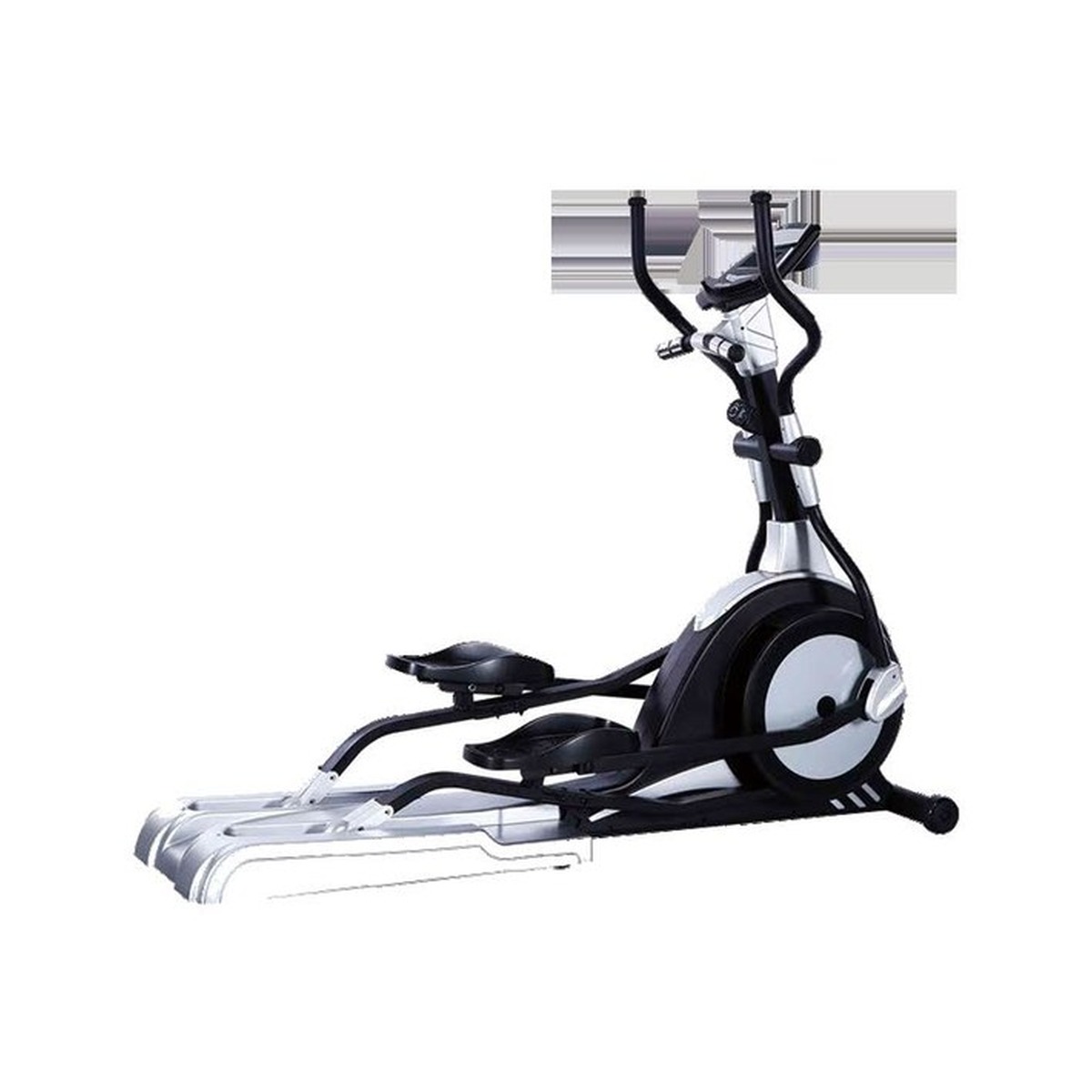
Define the elliptical’s job on the cardio floor
Start with observed demand rather than an assumption that every cardio row needs the same mix. Record who uses the facility, why they select an elliptical instead of a treadmill or bike, typical session duration, peak queues, supervision and the proportion of first-time users. A hotel, membership club, school and performance center create different requirements for entry, instruction, console features and daily checks. State whether the machine is a primary general-use station, an accessible lower-impact option or a specialist training format.
Decide how many units only after measuring substitutions. A member warming up can accept another modality, while a user who specifically needs a stable closed pedal path may leave rather than switch. Log first choice, accepted second choice, abandoned sessions and cleaning turnaround during the busiest observation windows. The result becomes a demand brief for the supplier and prevents a visually balanced cardio line from hiding a capacity problem.
Compare formats without turning labels into verdicts
Front-, rear- and center-drive descriptions identify where major drive components sit, yet they do not define one universal posture, footprint or service burden. Frames with the same label can use different link lengths, pedal tracks, ramp angles and access panels. Adjustable incline changes the path on some machines, while an adaptive trainer lets the user vary stride behavior more widely. Ask for a motion diagram and the exact operating dimensions rather than ranking a format from the flywheel position alone.
Treat fixed and adjustable designs as different operating propositions. A fixed path can simplify instructions and staff checks. An incline or variable path can broaden training choices but adds controls, moving assemblies and test points. Moving handles add upper-body interaction; fixed handles change the use case and stability options. Select the combination that matches the program, then keep every console, handle and ramp choice attached to its exact base model and revision.
| Decision field | Fixed-path elliptical | Incline or adaptive format | Evidence to request |
|---|---|---|---|
| User experience | Consistent setup and repeatable path | More path or intensity choices | Representative user trial |
| Floor planning | Static and moving dimensions | Maximum path and handle travel | Scaled dynamic-envelope drawing |
| Operations | Fewer adjustment steps | More controls and inspection points | Changeover and daily-check record |
| Quotation | Base, handles and console | Base, ramp or stride system and console | Configuration-coded offer |
| Acceptance | Smooth full cycle and controls | Every setting and transition | Signed test protocol |
Test entry, pedal geometry and the complete stride
Step-up height matters before the first stride. Observe how short, average and tall users approach, hold a stable support, place the first foot, transfer weight and leave the pedals after they stop. Check pedal surface, usable area, inner spacing, side edge and clearance around shoes. Do not convert a low-impact equipment description into a clinical claim. The procurement question is whether the declared users can enter, move and exit with clear instructions under the facility’s supervision model.
A stride-length number is incomplete without path shape, ramp position, cadence and user stature. Run each shortlisted model at low, middle and higher permitted resistance, forward and reverse where the manual allows it. Watch for heel lift, hip rocking, knee or frame interference, handle reach and loss of control near the ends of the path. Record the setting and tester instead of writing that one motion feels natural for everyone.
Draw dynamic space and ceiling clearance
Place the assembled footprint on a scaled plan, then add the furthest pedal, handle and user positions. Include the mounting side, a safe waiting point, cleaning reach, console sightline and the path used to remove shrouds. The machine’s highest user position belongs in the ceiling check, especially under lights, ducts, beams and sprinklers. A compact static rectangle can become an awkward installation when pedals extend beyond it or the user rises substantially during the cycle.
Separate public circulation from service space. Technicians need to open covers, inspect drive and linkage components, reach fasteners and move the unit according to the manual without blocking an emergency route. Confirm doorway, lift, corridor and turn dimensions for the largest shipping package and assembled subassemblies. Check floor level, permitted anchoring or leveling method and the site professional’s requirements before the delivery crew arrives.
Freeze the electrical and console configuration
Do not classify the whole product simply as self-powered or plug-in. The resistance system, basic display, entertainment screen, network hardware and charging features can have different electrical needs. An official commercial specification can show a self-powered base while requiring a dedicated supply for an attached screen. Request voltage, frequency, plug, current, circuit, grounding, cable route and standby behavior for the exact console-country combination, then place those values on the electrical schedule.
Buy console functions that staff can support. Confirm interface languages, quick-start behavior, offline operation, update method, account requirements, network ownership and what remains usable during a connectivity outage. If facility management features are included, define who receives alerts and maintains software. Treat heart-rate readings and calculated outputs according to the manufacturer’s instructions; do not present console estimates as diagnostic measurements.
Inspect the components that create motion and downtime
Ask the supplier to identify pivots, bearings, rollers, tracks, belts, generator or brake assemblies, pedal arms, linkages and handle joints for the quoted design. During the pilot, listen across the full cycle, feel for abrupt changes and look for side-to-side movement, contact or inconsistent tracking. Inspect fastener access, shroud removal, sweat paths and the places where hair and dust collect. The objective is a repeatable condition record, not a claim that one architecture always needs less maintenance.
Map wear parts and service evidence before comparing price. Request part identifiers tied to model and revision, replacement procedures, diagnostic information, special tools, shipment units and a process for reporting failures. Review the supplier’s maintenance instructions and the applicable safety framework, including ISO 20957-1 and the elliptical-specific ISO 20957-9. A logo or broad compliance statement does not replace product- and market-specific documentation.
Run a controlled pilot with representative users
Use one sheet for every shortlisted machine. Record model, base, handles, console, software state, ramp or stride settings, resistance, tester stature range, entry, reach, pedal contact, complete motion, controls, noise, stability and service observations. Repeat the same sequence after the machine has warmed through normal use. A short showroom trial can reveal obvious fit issues, but a documented session gives the buyer comparable evidence for the order decision.
Separate preference from a failed gate. A tester can prefer one path while both models meet mandatory access and operating requirements. Conversely, difficult mounting, interference, uncontrolled pedal movement, unreadable instructions or inaccessible service points should not disappear inside an average score. Freeze the approved configuration and attach the pilot sheet, photographs and unresolved actions to the purchase record.
Normalize quotations around evidence and scope
Send every supplier the same facility brief: destination, facility type, user profile, quantity, expected duty pattern, available dynamic envelope, ceiling constraints, electrical service, console needs, interface language, finish, labeling, delivery access, installation scope and acceptance tests. Request assembled and moving dimensions, step-up reference, path or stride description, pedal spacing, resistance arrangement, shipping packages, net and gross mass, documentation and exclusions for the exact revision.
Keep optional screens, network subscriptions, power cords, surge protection, floor preparation, delivery, assembly, commissioning, training and initial wear parts as separate lines. Ask how a replacement console or control board is matched to the base revision. This prevents a lower headline price from winning because necessary site work or operational components were omitted from one offer.
Receive, assemble and accept the installed units
At receipt, reconcile package count, model code, console, handles, finish, labels, manuals and visible condition before assembly. Preserve packaging evidence for any freight issue and follow the documented lifting and movement method. After leveling and electrical connection, inspect stability, fasteners, guards, cables, controls and clearances. Do not release a unit because the display powers on; the full movement and every ordered option need functional checks.
Repeat the approved pilot sequence on each installed unit. Test entry, forward and permitted reverse motion, resistance changes, ramp or stride settings, emergency or stop behavior defined by the manufacturer, noise, tracking, console language, network scope and service-panel access. Record serial or batch identifiers available for the model, readings, defects, corrections and sign-off. The handover pack becomes the baseline for routine inspections and support requests.
- Exact base, handle and console codes
- Scaled static and dynamic dimensions
- Electrical and network schedule
- Pilot sheet with mandatory gates
- Parts and maintenance documents
- Package and installation responsibilities
- Signed unit-by-unit acceptance record
FAQ
Is front drive or rear drive better for a commercial elliptical?
Neither drive position is universally better. Compare the exact motion, dynamic space, access, service points and representative user results for each model.
What stride length should a commercial gym choose?
Do not adopt one number for every user. Compare the stated path with ramp settings, cadence, pedal geometry and trials by the facility’s declared user range.
Does a self-powered elliptical need an outlet?
The base can be self-powered while an entertainment display or accessory needs mains power. Confirm the complete ordered configuration and country-specific electrical schedule.
How much floor space does a commercial elliptical require?
Use static dimensions plus maximum pedal and handle travel, mounting space, user height, circulation, cleaning reach and technician access.
What belongs in an elliptical installation acceptance test?
Check model and options, entry, complete motion, resistance, every adjustment, stability, noise, controls, electrical scope, clearances and service access against the approved protocol.
Sources
- ISO 20957-1:2024 — General stationary equipment requirements — International Organization for Standardization
- ISO 20957-9:2016 — Elliptical trainer requirements — International Organization for Standardization
- Precor EFX 800 commercial elliptical range — Precor
- Life Fitness Integrity+ elliptical cross-trainer — Life Fitness
- Life Fitness Aspire cross-trainer specifications — Life Fitness Support
- Life Fitness Integrity+ cross-trainer specifications — Life Fitness Support