
Introduction
A commercial gym equipment distributor should build service capability around the products it actually sells: a safe workshop area, field-tool kits, controlled spare-parts storage, trained technicians, asset and ticket records, warranty triage rules and a documented escalation route to the manufacturer. The workshop does not need to perform every repair on day one. It should start with repeatable installation, inspection, adjustment and common-part replacement, then expand only when skills, tools and demand justify it.
Key takeaways
- Define service scope before buying tools or promising response times.
- Separate field kits, workshop equipment and controlled parts storage.
- Train by equipment family and authorize tasks by competency.
- Use one evidence route for warranty, paid service and manufacturer escalation.
Why distributors need a service operating model
Local service affects the value of imported commercial equipment. A small cable, bearing, belt or console issue can keep an otherwise useful machine out of service if nobody can identify the unit, diagnose the fault or obtain the part. A distributor that promises support without defining how work is received and completed creates commercial risk for itself and the manufacturer.
The operating model should cover installation support, commissioning, preventive inspection, breakdown response, warranty evidence, paid repairs and parts fulfilment. Decide which work happens at the customer site, which components return to the workshop and which issues require manufacturer engineering support.
Start with products, installed base and geography
Map the product families, number of installed units, customer locations and expected service events. Strength equipment needs mechanical tools and cable knowledge; cardio adds electrical competence and model-specific diagnostics; free weights and flooring have different claims and repair limits. Geography determines travel kits, partner coverage and realistic response commitments.
Create service tiers rather than one vague promise. A showroom and first ten customers may use a central technician with remote manufacturer support. A larger territory may need regional partners, stocked parts and formal scheduling. Do not claim national on-site coverage when the operating model only supports couriered parts.
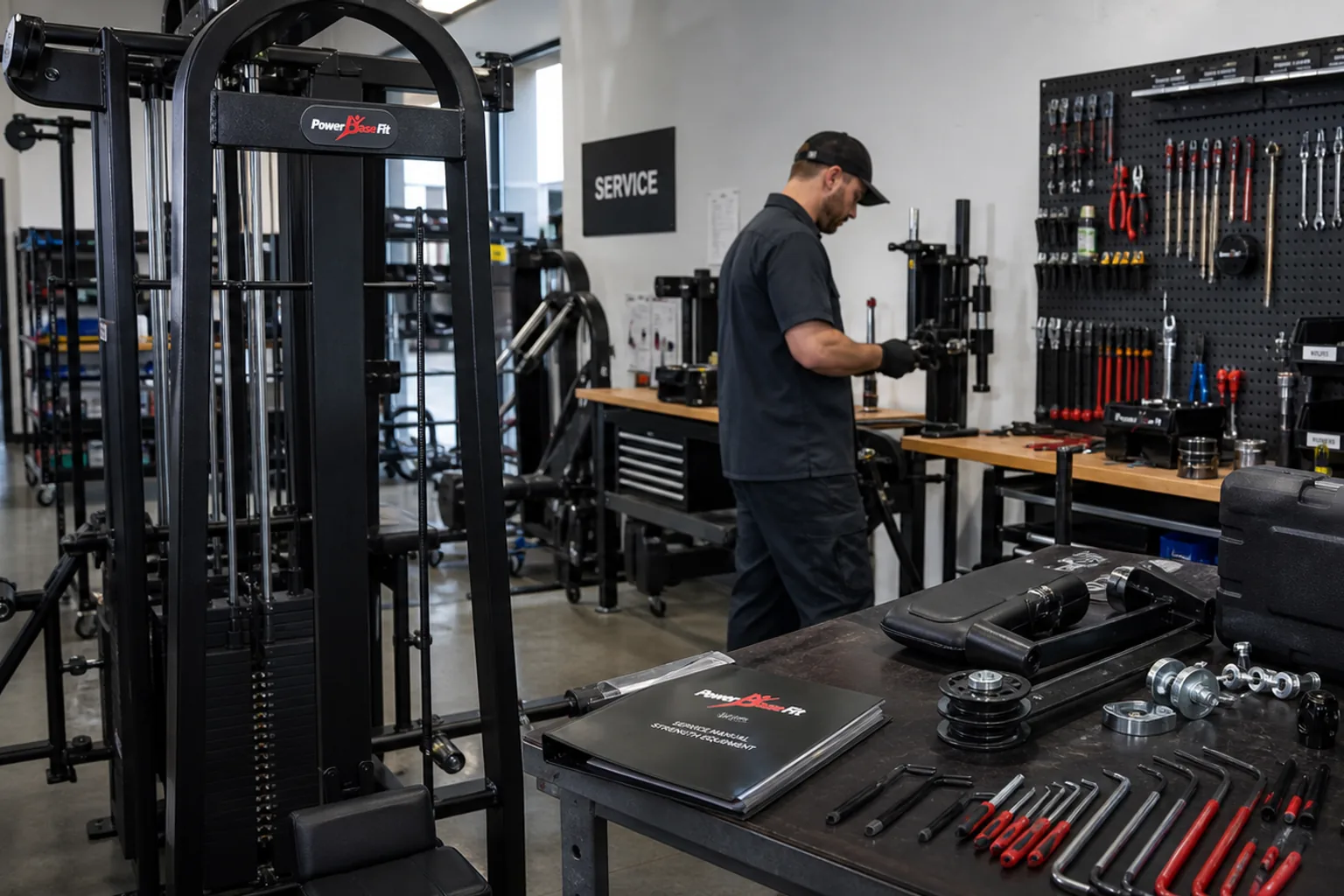
Design the physical workshop
- Clean receiving and quarantine space
- Stable workbench with controlled hand tools
- Safe lifting and holding method appropriate to components
- Electrical test area only for trained authorized personnel
- Parts shelving with location codes and environmental protection
- Photo and documentation station
- Waste, damaged-part and return-to-supplier controls
Keep customer-returned components, warranty evidence and saleable stock separated. The workshop should not become a mixed warehouse where serial labels, small fasteners and returned electronics disappear. Basic housekeeping and labelled locations often improve repair time more than purchasing specialized equipment too early.

Build field kits by task
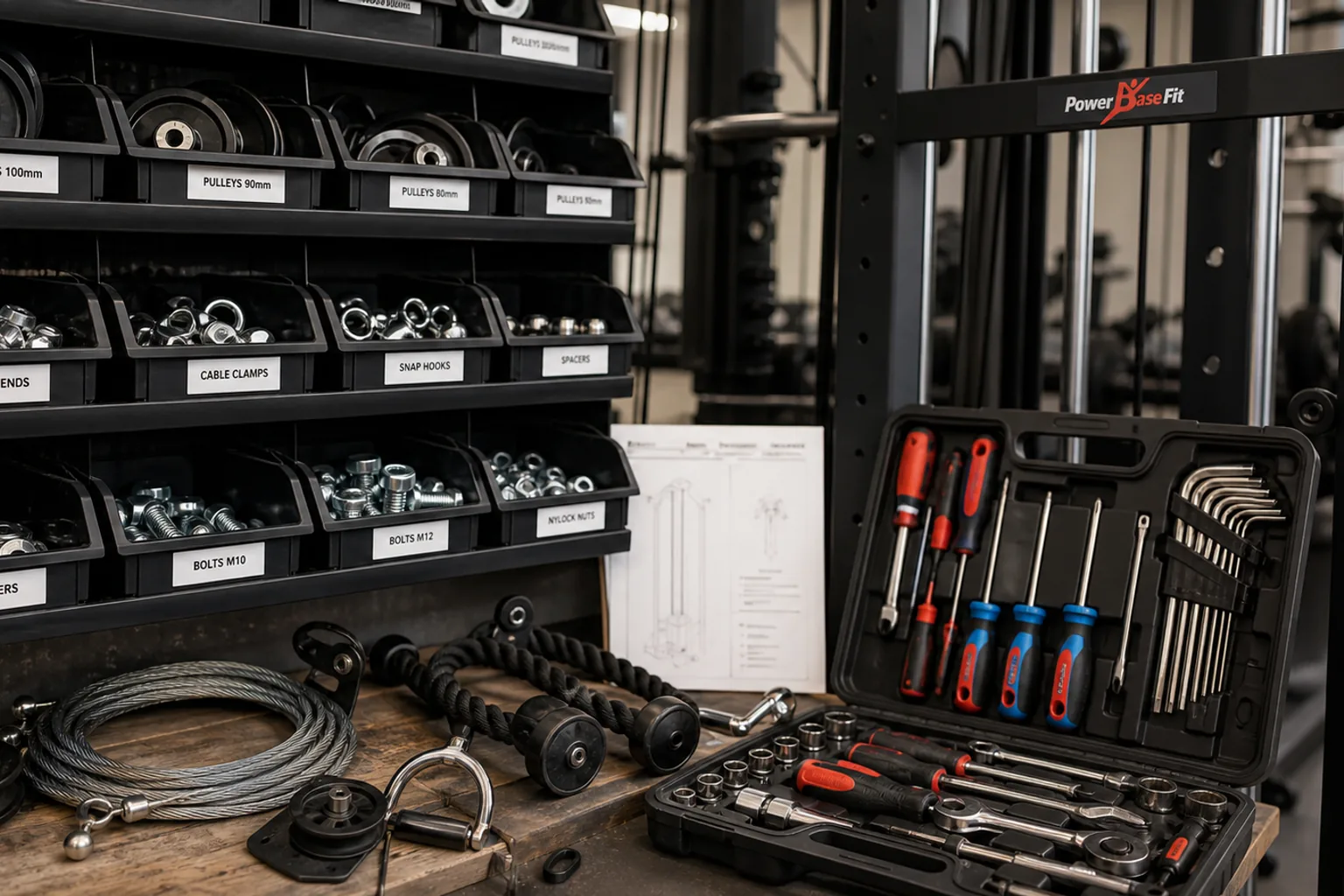
Create standard installation and service kits with an issue-and-return checklist. Typical mechanical work may require metric hand tools, torque-controlled tools where specified, cable and fastener inspection aids, levelling tools, cleaning materials approved for the surfaces, labels and evidence equipment. Cardio diagnostics need manufacturer-approved procedures and qualified personnel.
Special tools supplied with products should be registered and stored, not left untracked at the first installation. Calibrated tools need status and review dates. A technician should be able to see which kit is complete before travelling, reducing repeat visits caused by a missing adapter or uncommon fastener size.
Choose starter parts from failure consequence
Stocking every component is expensive and creates obsolescence. Begin with common wear items, low-cost parts that can stop a machine, installation consumables and model-specific items with long replenishment time. Use the installed base and manufacturer lead time to set minimum and reorder quantities. Separate parts used for warranty from general inventory in the records, even if physically stored together.
Every part needs an unambiguous code, compatible model or serial range, bin location and quantity. Photographs help but should not replace codes and dimensions. When a supplier changes a cable termination, console board or upholstery pattern, the distributor needs a revision notice before ordering or fitting the wrong component.
Create technician competency levels
- Level 1: delivery checks, assembly verification, cleaning, visual inspection and fault evidence
- Level 2: approved mechanical adjustment and common wear-part replacement
- Level 3: advanced mechanical or electrical diagnosis within documented authorization
- Manufacturer escalation: structural, engineering, firmware or unfamiliar recurring fault
Training attendance is not the same as competence. Use observed tasks, checklists and authorization records. Limit work that involves mains power, structural repair or other regulated activities to people qualified under the local rules. The distributor should know when to stop and escalate rather than learning on the customer's equipment.
Run one ticket and warranty workflow
Require asset identity, location, symptom, photographs or video, error information, operating context and recent work before diagnosis begins. Triage whether the issue is installation, wear, misuse, transit, warranty or uncertain. Give the customer a reference and status. The same record should follow parts dispatch, technician visit, resolution and return to service.
For manufacturer escalation, translate the field report into evidence the factory can use. 'Machine broken' is not a diagnosis. A model, serial, full-view photo, close detail, movement video and checks already completed can shorten resolution. Retain failed parts when requested and label them to the ticket.
Measure service performance without gaming it
Track time to first useful response, time waiting for customer access, time waiting for parts, first-visit resolution, repeat fault and equipment downtime. Separate these stages so a courier delay is not confused with technician productivity. Review patterns by model and cause, not to blame teams but to improve stocking, training and product selection.
Do not promise a response metric the geography cannot support. A fast acknowledgement is different from an on-site repair. State service hours, coverage area, evidence requirements and exclusions clearly in quotations and warranty documents.
Common setup mistakes
- Promising full local service before mapping territory and skills
- Buying tools without defining approved tasks
- Keeping parts by visual description instead of controlled codes
- Mixing returns, warranty evidence and saleable stock
- Sending technicians without complete asset and symptom information
- Treating training attendance as unlimited repair authorization
- Using informal messages as the only service history
Manufacturer perspective: make the distributor supportable
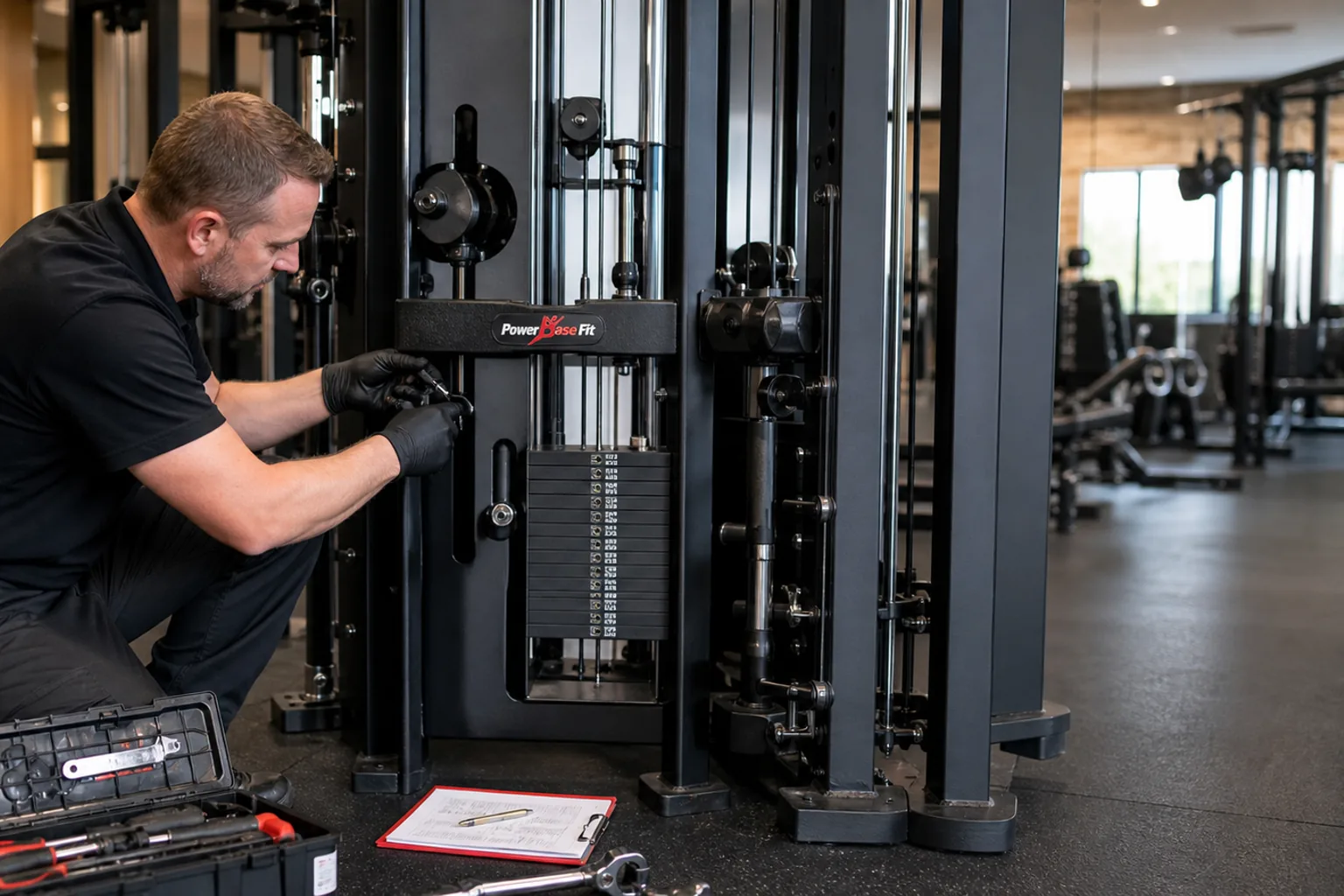
Manufacturers should provide current manuals, parts diagrams, model and revision identification, common fault guidance, warranty evidence rules and an escalation contact. Initial spare recommendations should match the distributor's product mix rather than a generic carton. Remote training works best when technicians have sample equipment or components in front of them.
The feedback loop also benefits production. Repeated field issues can reveal packaging, instructions, adjustment or component standardization opportunities. A distributor workshop is therefore not only a repair function; it is a source of structured evidence for better repeat orders.
Distributor service capability roadmap
| Capability | Starter level | Scale trigger |
|---|---|---|
| People | Named trained technician and backup | Installed base and regional demand grow |
| Tools | Standard installation and mechanical field kits | New equipment family or approved task added |
| Parts | High-consequence common items | Actual use and lead-time data |
| Records | Asset-linked ticket and evidence | Multiple technicians or sites |
| Coverage | Defined central territory | Qualified regional partner network |
Useful next pages
Buyer FAQ
Does a distributor need a large workshop immediately?
No. Start with a safe organized space matched to approved tasks and expand with the installed base and service demand.
Which spare parts should be stocked first?
Prioritize common wear items and inexpensive parts that cause long downtime, adjusted for installed quantity and replenishment lead time.
Can sales staff receive warranty requests?
They can receive them, but the issue should enter a controlled technical workflow with asset identity and evidence.
Should every technician repair cardio electronics?
No. Electrical and electronic work requires product-specific authorization and locally appropriate qualification.
How should special tools be managed?
Register them, keep them with the correct kit, track issue and return, and monitor calibration where applicable.
What information should be sent to the manufacturer?
Send model, serial, location, symptom, context, clear images or video, checks completed and the requested decision.
How can a distributor set a realistic response time?
Separate acknowledgement, remote diagnosis, parts dispatch and on-site attendance, then base each commitment on territory and staffing.
When should a job be escalated?
Escalate when it exceeds technician authorization, involves structural or unfamiliar electrical risk, or repeats after the approved remedy.
Conclusion
A distributor service workshop should grow from a defined support promise, not from a room full of tools. Match capability to product families and geography, control parts and evidence, authorize technicians by task and keep a clear manufacturer escalation route. That foundation makes local after-sales support credible and scalable.
Need this topic turned into a real equipment plan?
Send your market, gym size, product categories or OEM needs. Kloe can help clarify the next step.