

Introduction
Verify gym equipment production capacity by converting the proposed order into required output by process and week, then checking the factory's constrained resources: engineering release, cutting, bending, welding fixtures, surface treatment, upholstery, assembly, inspection, packing and supplier-dependent components. Compare demonstrated recent output and available capacity with the order programme, including other committed work, changeover and rework. A factory's total floor area or maximum sales claim does not prove that the specific product mix can be delivered.
Key takeaways
- Capacity is product-mix and time specific, not one annual number.
- Find the bottleneck process and test the schedule against it.
- Confirm upstream suppliers and inspection resources, not fabrication alone.
- Require an order-level recovery plan before problems occur.
Capacity, capability and availability are different
Capability asks whether the factory can make the product correctly. Capacity asks how much can flow through the required processes in a period. Availability asks how much of that capacity remains after existing orders, maintenance, holidays and staffing constraints. A factory may be capable of excellent selectorized machines but have limited fixture or powder-coating slots for the buyer's delivery window.
Treat capacity as a claim that needs a unit, product mix and timeframe. 'Five containers per month' is incomplete if one container contains simple benches and the next contains assembled multi-station systems. Ask what assumptions sit behind the number.
Convert the order into a process load
Break the model schedule into families with similar routing. Estimate frames, welded subassemblies, coating area, upholstery sets, cable assemblies, electronics, final assemblies and packing volume by planned week. The factory should identify which data are estimates and which are based on existing routings. New OEM changes need extra engineering and first-unit approval time.
A mixed order can create more changeover than a single long production run. Many colours, small model quantities and custom labels increase coordination even when total pieces look manageable. Include inspection and rework capacity instead of assuming every unit passes through once.
Walk the real production route
- Engineering and bill-of-material release
- Incoming material and supplier component readiness
- Cutting, drilling, forming and machining
- Welding fixtures and skilled weld capacity
- Surface preparation and powder coating
- Upholstery, cable and small-part preparation
- Assembly, function test and rework
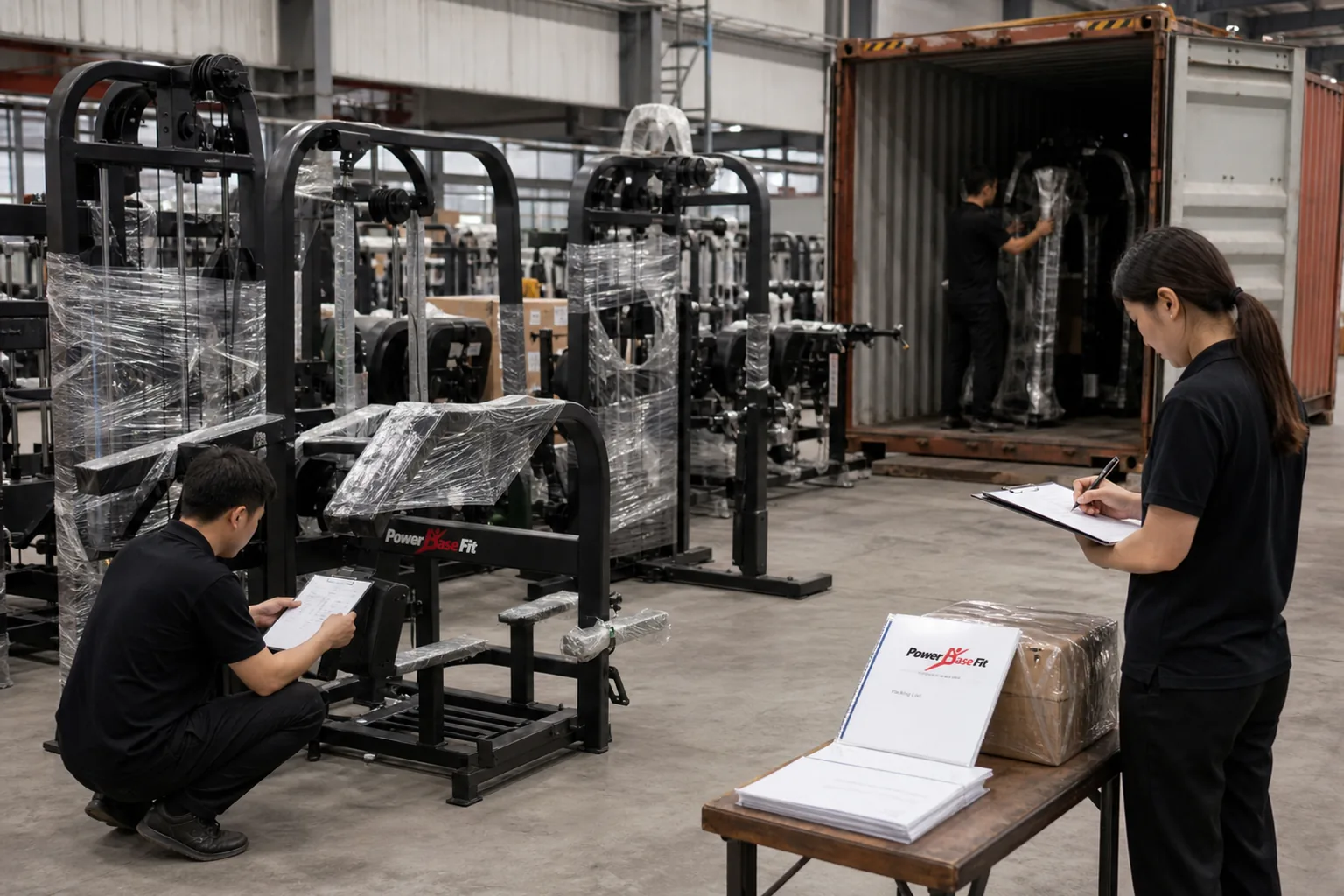
- Packing, storage and container loading
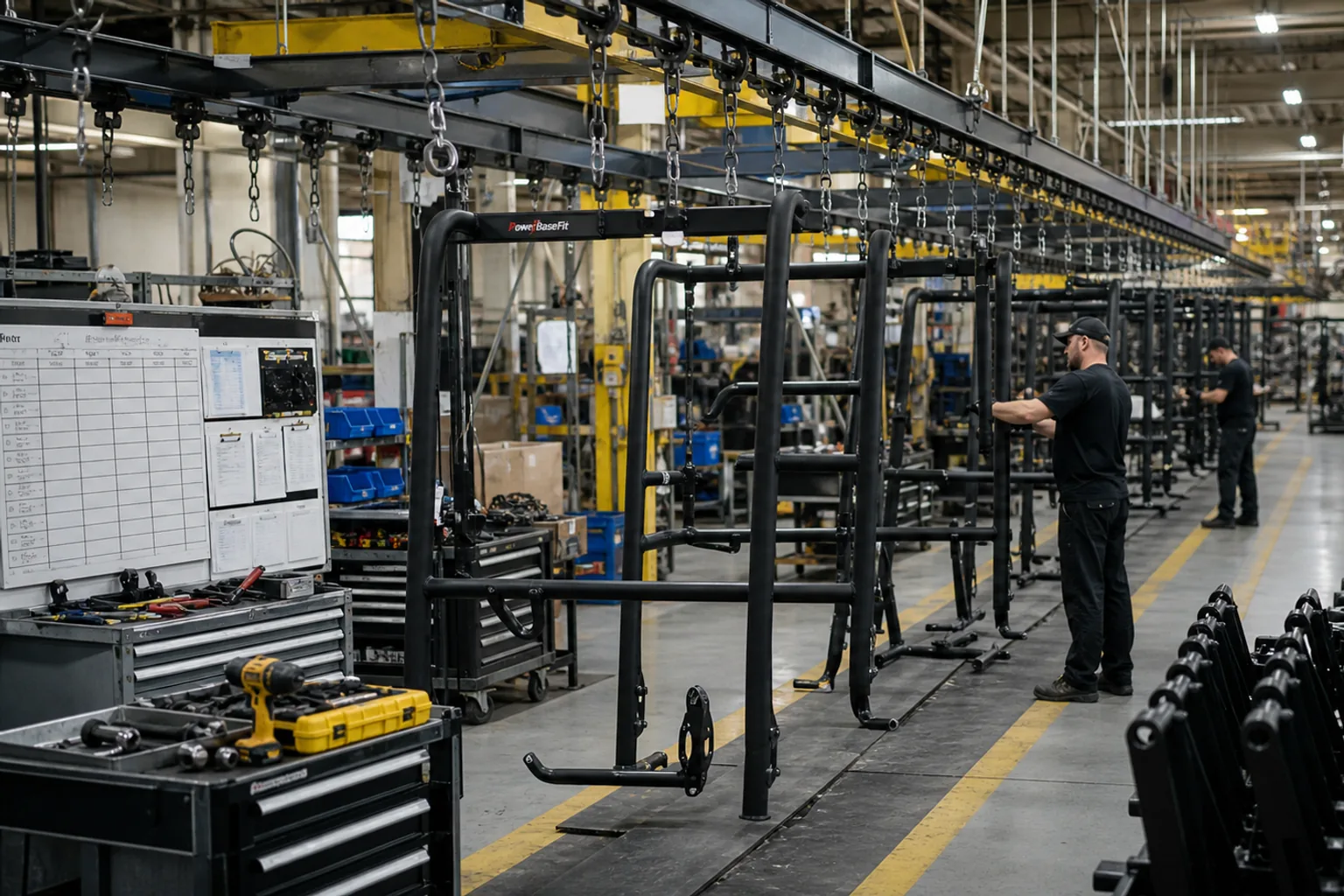
Follow one representative model instead of viewing disconnected machines. Look for work-in-progress queues, shared fixtures, outsourced processes, space limits and status control. A new laser cutter does not remove a bottleneck in welding, coating or final inspection.

Identify the constraint and validate its rate
Ask the factory to name the likely constraint for the proposed mix. Review actual output over representative recent periods, downtime, staffing, changeover and quality loss. Compare planned cycle and shift assumptions with observed records. If the plan depends on overtime or perfect first-pass yield for many weeks, the buffer is weak.
Capacity additions also need evidence. A planned fixture, second shift or subcontractor is not available capacity until its timing, skills, quality controls and approvals are credible. Buyers should not reject every planned improvement, but should separate installed capacity from recovery assumptions.
Check external suppliers and long-lead parts
Motors, consoles, bearings, cables, upholstery material, fasteners, decals and packaging can determine the schedule. Review confirmed lead time, minimum order, alternative source, incoming inspection and revision compatibility. One low-cost component can hold a finished machine if it arrives late or fails inspection.
For custom orders, confirm artwork, colour and electrical decisions early enough to release suppliers. Capacity cannot compensate for an unapproved logo plate or voltage specification. The production plan should show customer approval dates as real dependencies.
Stress-test the production programme
Ask what happens if a critical supplier is one week late, coating rework rises, a fixture needs repair or the buyer changes a finish. The response should identify buffer, resequencing, approved alternatives and decision deadlines. A credible recovery plan explains trade-offs; it does not simply promise more workers.
Consider phased release by model family or container. This can protect the opening programme, but only if split packing, documents and site installation remain controlled. Identify which items form a usable first phase instead of shipping incomplete stations that cannot be commissioned.
Use milestone visibility after award
Capacity verification is not a one-time factory visit. Agree measurable milestones for engineering freeze, material readiness, first-unit approval, fabrication, coating, assembly, inspection and packing. Report exceptions and revised forecast, not only percent complete. A machine described as 80% complete may still be waiting for its bottleneck component.
Photographs should be identified by model, batch and date. For large orders, a simple order-control dashboard can show planned versus actual quantity by stage, open technical decisions and high-risk materials. Visibility gives both parties time to act before the booked vessel becomes the first sign of delay.
Common capacity-audit mistakes
- Using factory area, employee count or annual sales as capacity proof
- Ignoring the buyer's product mix and colour changes
- Inspecting fabrication but not coating, assembly, quality and packing
- Counting theoretical shifts that are not staffed
- Assuming supplier parts always arrive on plan
- Accepting percent-complete reports without stage quantities
- Planning no buffer for first-unit approval or rework
Manufacturer perspective: commit from a constrained plan
A responsible manufacturer should schedule from the constrained process and surface assumptions early. It is better to propose a realistic phased plan than accept an impossible date and hope to recover. Commercial teams, engineering, purchasing, production and logistics should review the same order baseline before commitment.
Buyers also influence capacity stability. Freezing specifications, approving samples on time and limiting late substitutions protect flow. Capacity management works best as a shared programme with clear decision dates, not as a factory promise isolated from buyer actions.
Capacity evidence by production stage
| Stage | Evidence to review | Typical risk |
|---|---|---|
| Engineering | Released drawings, BOM and approval dates | Late customization decisions |
| Fabrication | Routing, fixtures, demonstrated output | Shared bottleneck and changeover |
| Coating | Line slots, colour plan and rework | Batch congestion |
| Assembly and QC | Stations, staffing, test and rework capacity | Finished-unit queue |
| Packing | Material, space, labels and loading plan | Completed equipment cannot ship |
Useful next pages
Buyer FAQ
What is the difference between a factory audit and capacity audit?
A general audit verifies the organization and processes; a capacity audit tests whether a specific order mix can fit a specific delivery window.
Is monthly container output a reliable capacity measure?
Only if product mix, assembly state and bottleneck assumptions are comparable to the proposed order.
Which process usually limits gym equipment output?
It varies by mix and factory; welding fixtures, coating, bought-in components, assembly, inspection or packing may constrain flow.
Should buyers request production records?
Request enough recent, relevant evidence to support rates without demanding unrelated confidential customer information.
How should OEM changes affect the plan?
Add engineering, sample approval, supplier release and first-unit verification time before volume production.
Can subcontracting increase capacity?
Yes, if the process, supplier competence, quality control, transport and approval are included in the audit.
What milestones should be reported?
Track released design, material readiness, fabrication, coating, assembly, inspection, packing and open decisions by model or batch.
When should the audit be repeated?
Review capacity again after material scope, quantity, delivery window or major factory loading changes.
Conclusion
A capacity audit should answer whether this factory can make this mix in this window while maintaining agreed quality. Translate the order into process load, verify the bottleneck and suppliers, stress-test the plan and monitor stage milestones. That approach is more reliable than capacity claims based on building size or best-case output.
Need this topic turned into a real equipment plan?
Send your market, gym size, product categories or OEM needs. Kloe can help clarify the next step.