
Introduction
Choosing a commercial gym equipment manufacturer is not the same as choosing the lowest quotation. A gym owner needs equipment that can survive daily use. A distributor needs a supplier who can repeat quality across containers. An OEM buyer needs communication that turns product ideas into repeatable machines. The most useful evaluation is built around capability, communication and responsibility. A good manufacturer should be able to explain what it can make, how production is controlled, what can be customized and what information the buyer must confirm before an order.
Key takeaways
- Evaluate manufacturing capability before comparing product prices.
- Ask for technical, inspection and customization details that match your order type.
- Use supplier communication quality as part of the buying decision.
Introduction
Choosing a commercial gym equipment manufacturer is not the same as choosing the lowest quotation. A gym owner needs equipment that can survive daily use. A distributor needs a supplier who can repeat quality across containers. An OEM buyer needs communication that turns product ideas into repeatable machines.
The most useful evaluation is built around capability, communication and responsibility. A good manufacturer should be able to explain what it can make, how production is controlled, what can be customized and what information the buyer must confirm before an order.
Start with the buyer type and project goal
A supplier that works for a hotel fitness room may not be the best partner for a strength-focused club or a private label distributor. Before comparing factories, define the buyer type: commercial gym owner, importer, wholesaler, hotel buyer, school project or OEM brand.
This changes the product list and the questions you should ask. A gym owner may care most about layout, durability and member experience. A distributor may care more about repeatable models, packaging, spare parts and product line expansion.
Review manufacturing scope, not only catalogue size
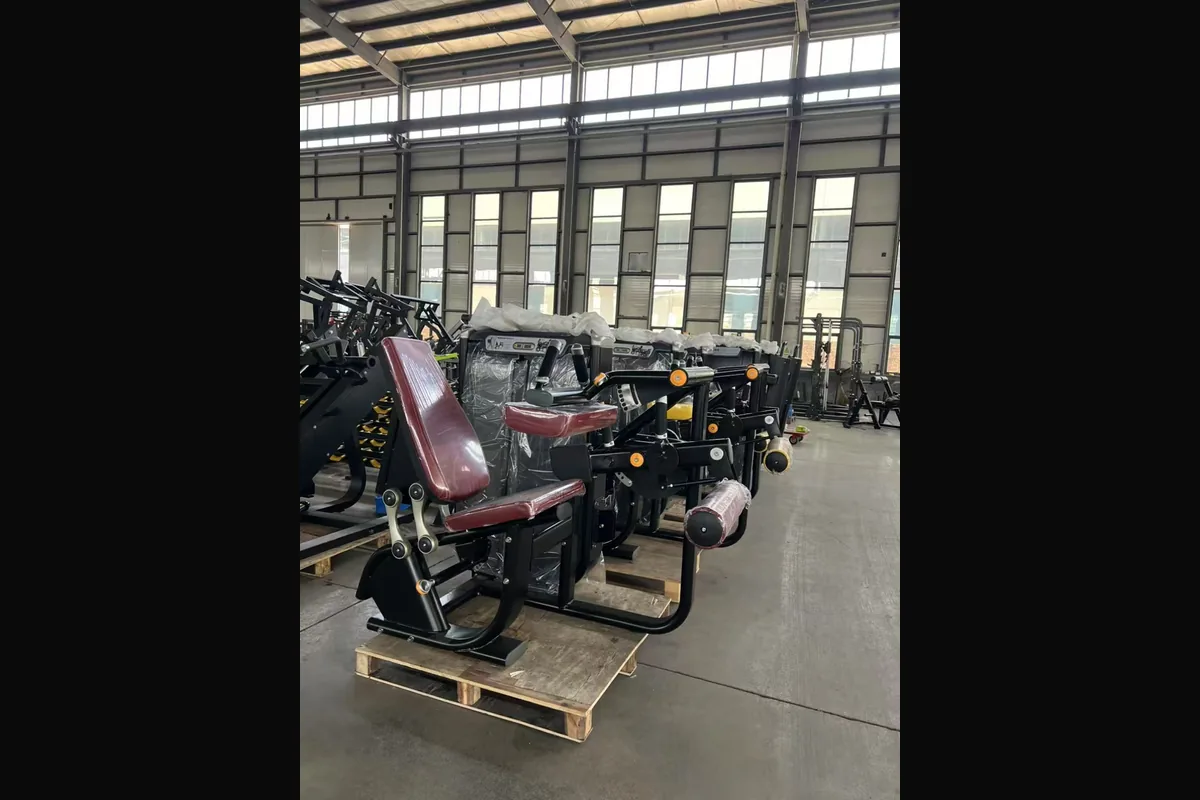
A large catalogue can be useful, but it does not prove production control. Ask which product categories are core strengths, which series are made regularly and which custom requests require technical review.
For commercial strength equipment, the manufacturer should be comfortable discussing frame structure, movement path, welding, coating, upholstery, cable systems, packing and inspection. If every answer is only a price, the buyer has very little information to judge risk.
- Core product categories and active series.
- Regular production experience with commercial machines.
- Ability to explain structure, finish and assembly details.
- Clear limits on what can and cannot be customized.
Check communication quality before paying for samples
Communication quality is part of manufacturing quality. A strong factory asks about room size, target users, market position, color preference, logo requirements, voltage, packing and timeline. These questions show whether the supplier understands the order as a real business project.
If the factory does not clarify details before quotation, the buyer may receive a fast price but a weak order plan. Delays often begin before production, when specifications are unclear or the product list does not match the actual project.
Evaluate OEM and customization capability
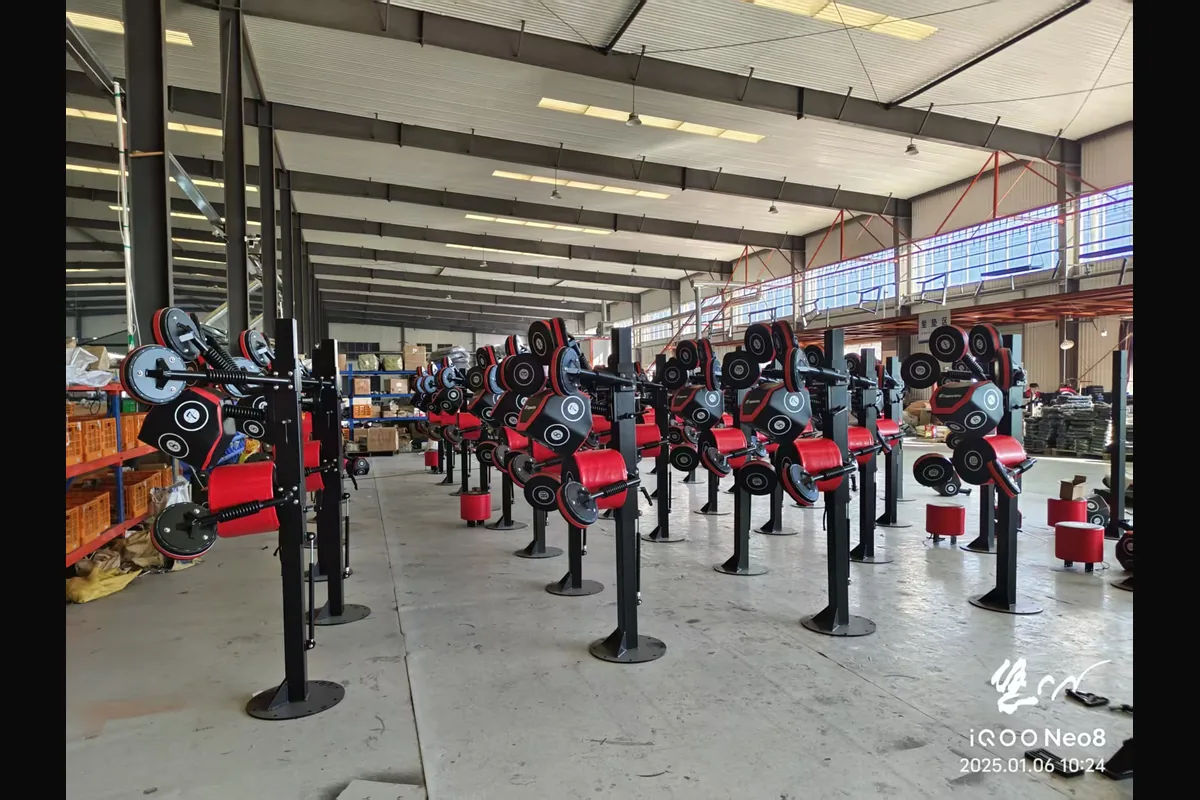
OEM capability is not only printing a logo. For a distributor or private label buyer, the real question is whether the factory can keep color, upholstery, nameplate, packaging and product details consistent across repeat orders.
A practical manufacturer will explain how customization affects minimum quantity, production time, sample confirmation and packing. It should also identify requests that need engineering review instead of accepting every idea without checking feasibility.
Ask how quality is checked before shipment
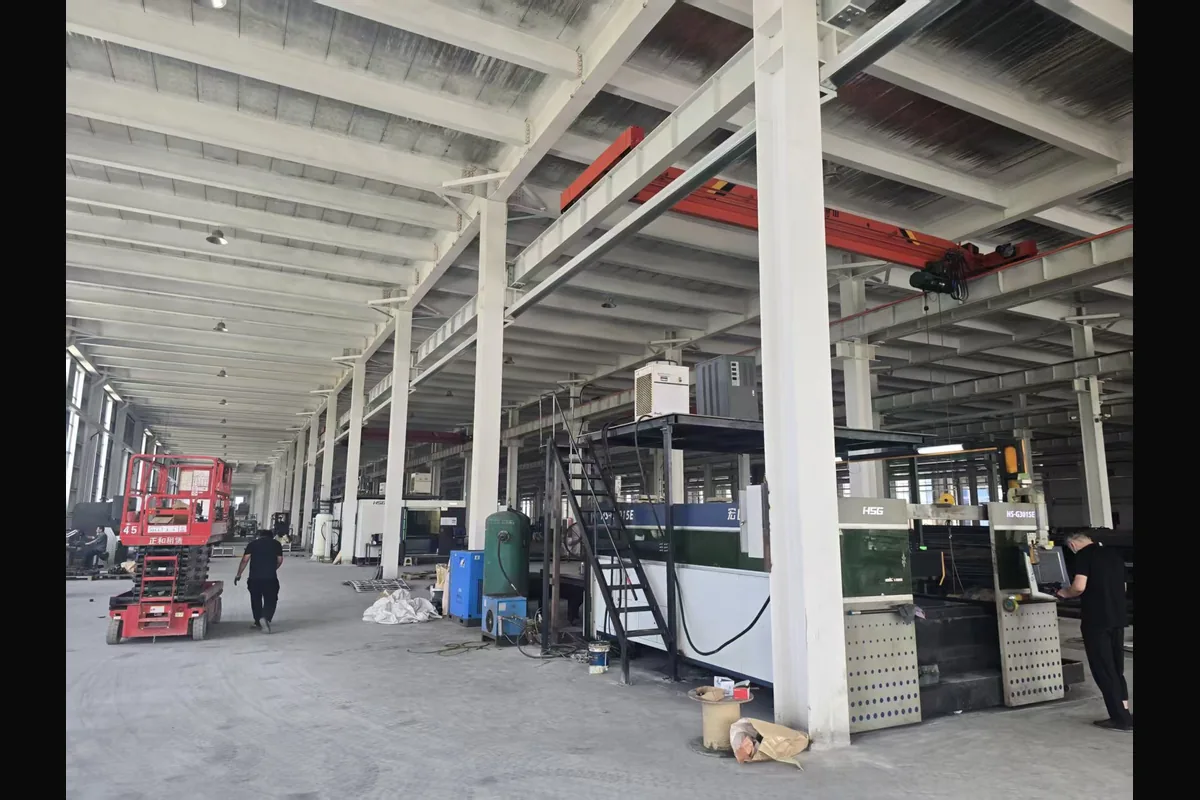
Commercial gym equipment is heavy, mechanical and often exported over long distances. The buyer should understand how the factory checks assembly, surface finish, moving parts and packaging before the order leaves.
Quality control does not need to be described with exaggerated claims. The useful details are simple: what is inspected, when photos are shared, how packing is protected and what the buyer can confirm before loading.
Look for long-term supply logic
The best manufacturer for B2B buyers is usually the one that can support the second and third order, not only the first. Product consistency, replacement parts, repeat color control and clear communication become more important as the buyer's business grows.
A serious manufacturer should help the buyer decide which products are good first-order choices and which can wait. This protects cash flow and makes the first shipment easier to sell or operate.
Useful next pages
Buyer FAQ
What is the most important factor when choosing a commercial gym equipment manufacturer?
The most important factor is repeatable manufacturing capability. Price matters, but buyers also need clear communication, stable product quality, realistic customization support and shipment preparation.
How can I tell whether a manufacturer understands commercial gym projects?
A manufacturer that understands projects will ask about room size, user type, training zones, product quantity, OEM needs and delivery schedule before finalizing the quotation.
Should I choose a factory only because it has many products?
No. Catalogue size is useful only when the factory can explain which products are regularly produced and how quality is controlled.
What should I send before asking for a quotation?
Send target market, buyer type, product categories, estimated quantity, room size or floor plan, customization needs and any reference photos.
Conclusion
A commercial gym equipment manufacturer should be evaluated as a long-term supply partner. The buyer needs product capability, engineering understanding, realistic customization support and clear production communication. The safest next step is to share your project type and product direction, then judge how clearly the supplier turns that information into a practical equipment plan.
Need this topic turned into a real equipment plan?
Send your market, gym size, product categories or OEM needs. Kloe can help clarify the next step.