
Medicine Ball vs Slam Ball vs Wall Ball: Commercial Buyer Guide
Choose by the programmed impact. Use a rebound-capable rubber medicine ball for controlled throws, catches and bounce drills; use a dedicated low-rebound slam ball for repeated floor impact; use a soft, larger wall-ball format for high-volume target throws and catches. Confirm the supplier's permitted use in writing, then specify weights, quantity per weight, diameter, shell, seams or valve, target surface, storage and receiving tests. Never approve one category for another duty from appearance alone.
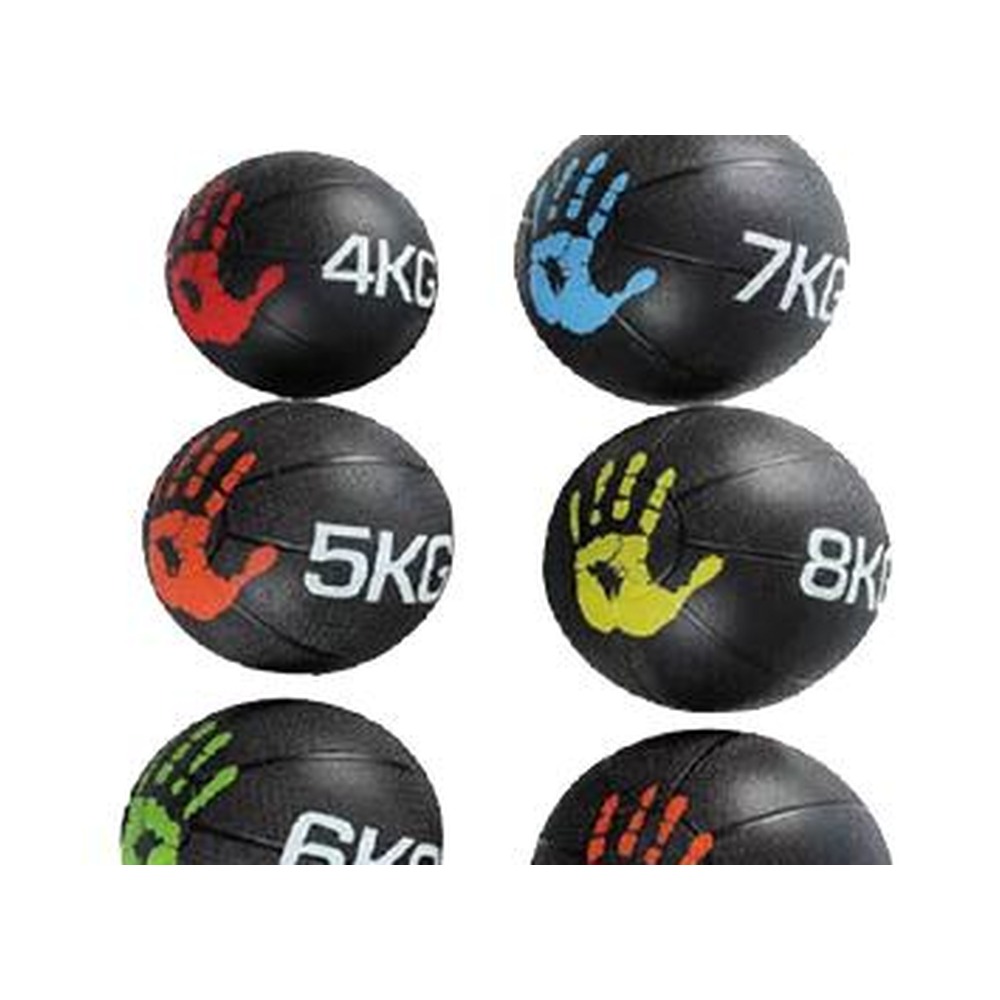
Start with the drill and impact direction
List every programmed action before requesting prices: static loading, partner pass, wall rebound, target throw, floor slam, carry or rotational release. Record where the ball travels, whether it must return, whether it is caught against the body and which surface receives the impact. This separates functional requirements from catalog names that vary between suppliers.
Classify each action as no impact, controlled rebound, soft catch or repeated high-energy floor impact. Ask the bidder to mark each quoted model as approved or excluded for every action. A statement such as weighted training ball is too broad; the purchase record needs a defined duty and an operating restriction staff can teach.
Compare the three formats by behavior
A rubber medicine ball is compact and can provide a predictable return for partner work or wall rebound when the manufacturer permits it. A slam ball is built around repeated floor contact and a low return, which reduces the chance of the ball rising toward the user. A wall ball is usually larger and softer so athletes can receive it during repeated target throws.
These are functional categories, not universal construction standards. Two products with the same name can differ in rebound, diameter, fill movement and allowed surfaces. Compare written instructions and trial units, then lock the approved behavior into the quotation and staff guide.
| Format | Best matched duty | Control before order | Common mismatch |
|---|---|---|---|
| Rebound medicine ball | Passes, controlled throws, catches and permitted bounce drills | Return height, grip, diameter and valve | Used for overhead slams despite strong rebound |
| Slam ball | Repeated impact on an approved floor | Low-return behavior, shell, fill and floor | Bought for partner catches although it is dense or uneven |
| Wall ball | Target throws and high-volume catches | Diameter, shape retention, seams and target | Dropped or slammed on surfaces outside instructions |
Specify construction evidence without marketing shortcuts
Request shell material, layer or backing description, seam method, valve arrangement, internal fill, nominal diameter and mass marking for the exact model. For stitched soft balls, inspect seam layout, thread exposure, closure area and shape retention. For molded rubber formats, inspect the parting line, valve seating, surface texture and any sign of cracking or delamination.
Terms such as heavy duty do not replace evidence. Ask for the use instructions, excluded actions, approved surfaces, cleaner limits and warranty exclusions for the quoted revision. If private labeling changes a panel, print, valve cover or carton, confirm that the approved construction and identification remain traceable after customization.
Build the weight schedule around real class demand
Start with the coaching program and the people served. Record which weights instructors assign for target throws, rotational work, carries and slams, then count simultaneous users at peak time. One complete ascending set looks orderly but causes queues when several participants need the same middle weight. Duplicate the high-use positions identified in class trials.
Keep one unit system dominant for the market and show any conversion as secondary. State the tolerance and label format the supplier is expected to follow, and check that color coding does not become the only identification. A repeat order should use the same weight names, colors and model references unless a controlled change is approved.
Approve the floor, wall target and live training area
A ball approved for indoor rubber flooring is not automatically approved for concrete, asphalt or abrasive turf. Obtain the product instruction and coordinate the receiving surface with the flooring provider. For wall work, confirm the target construction, fixing, clear height and impact zone with the responsible local professional rather than treating any wall as a target.
Draw the complete throw and retrieval lane. Include the user, backswing, flight path, rebound path, missed throws, waiting participants and return to storage. Separate the lane from doors, glazing, cardio rows and through-traffic. For classes, test the noisiest and busiest interval, not an empty-room demonstration.
Plan storage, cleaning and damage isolation
Choose a rack by ball diameter, quantity, loading direction and access, not by the advertised slot count alone. Verify that each ball can be removed without pulling another into the walkway and that the loaded rack stays stable. Give wet-cleaned balls a place to dry before they are packed tightly against one another.
Follow the ball manufacturer's cleaning instructions and verify cleaner compatibility before standardizing a facility chemical. The CDC advises cleaning shared athletic equipment after use and removing damaged surfaces that cannot be cleaned adequately. Create a quarantine rule for cuts, open seams, leaks, bulges, loose valves, unstable fill or unreadable mass markings.
Normalize the RFQ and reference-unit trial
Issue one comparison sheet listing format, model, programmed actions, prohibited actions, weight, quantity, diameter, shell, seam or valve, rebound class, approved surfaces, markings, rack, packaging, private-label scope and replacement process. Ask each supplier to answer the same rows so a lower price cannot hide a different duty or incomplete storage scope.
Trial the proposed unit with representative users and the actual coaching sequence. Check grip with dry and damp hands, catch comfort, return behavior, fill movement, visibility of the weight and fit in the proposed rack. Record the accepted unit and written instructions as the production reference; photographs alone do not capture rebound or handling.
- Programmed and excluded actions
- Weight and quantity by position
- Diameter, shell, seam or valve
- Permitted floor and target surfaces
- Marking and private-label reference
- Rack, packaging and replacement identification
Inspect the shipment before class release
At receiving, reconcile cartons and weights, then inspect each unit for correct marking, roundness, seam or valve condition, surface damage, contamination and stable fill. Confirm rack parts and assembly instructions. Isolate any unit that differs from the approved reference or carries shipping damage before it reaches the training floor.
Repeat the intended action on the approved surface under controlled supervision. Check rebound or low-return behavior, catch feel, flight consistency and fit on the rack. Record model, weight, batch or shipment reference, finding and disposition. Release the set only after deviations are closed and staff understand the permitted use.
Buyer questions
Can a normal medicine ball be used for floor slams?
Only when the manufacturer explicitly approves repeated floor impact for that exact model and surface. A rebound medicine ball can rise toward the user or suffer early damage, so a dedicated slam ball is the safer purchasing category for programmed slams.
What is the main difference between a wall ball and a slam ball?
A wall ball is designed around target throws and catches with a larger, softer body. A slam ball is designed around repeated floor impact and low return. Confirm the written duty because naming varies between suppliers.
How many weighted balls should a commercial gym buy?
Count simultaneous users by drill and weight during peak classes, add duplicates at the most-used loads, and define a replacement rule. One of every weight is rarely enough for group programming.
Should a quotation use kilograms or pounds?
Use the unit customers and coaches use in the destination market, keep it consistent across products and labels, and show any conversion as secondary. The purchase record should also state the accepted mass tolerance.
What should be checked when the balls arrive?
Check quantity, weight label, shape, shell, seams or valve, fill stability, permitted-use instructions, rack fit and packaging damage. Then perform a controlled rebound, catch or slam check on the approved surface.
Sources
- Life Fitness Medicine Balls — Life Fitness
- Wall Balls — Life Fitness
- Slam Balls — Hammer Strength / Life Fitness
- Rogue Rubber Medicine Ball — Rogue Fitness
- Athletic Facilities: MRSA Prevention and Control — U.S. Centers for Disease Control and Prevention