
Container Packing Evidence for Mixed Commercial Gym Equipment Orders
Mixed gym equipment containers need a packing evidence pack that links each model and loose component to a package, location, weight record, protection method and receiving identifier. The goal is not attractive loading photographs; it is safe transport and a traceable handoff from factory packing to unloading and installation.
Frame the buying decision
Mixed gym equipment containers need a packing evidence pack that links each model and loose component to a package, location, weight record, protection method and receiving identifier. The goal is not attractive loading photographs; it is safe transport and a traceable handoff from factory packing to unloading and installation.
Confirm the final model list, assembly state, package dimensions, centre-of-gravity concerns, heavy items, fragile consoles, loose hardware, spare parts and unloading method. The receiving facility and inland route matter because a container plan that suits the ocean leg can still fail at the final doorway.
Demand model-level evidence
Useful evidence includes the approved packing list, package marks, pre-close photographs, securing details, seal record and any regulated wood-packaging marks. Every file should refer to the shipment and package identity rather than showing unrelated examples.
More disassembly can improve cube use but moves work and risk to the receiving team; more assembled equipment consumes space and may be harder to secure. The buyer should compare freight efficiency against damage exposure, assembly skill, access limits and opening schedule.
Compare on one basis
Define packing responsibility, package labelling, moisture protection assumptions, wood-packaging requirements, spare-part grouping, photo checkpoints and authority to close the container. State how changes to quantities or package dimensions trigger a revised loading plan.
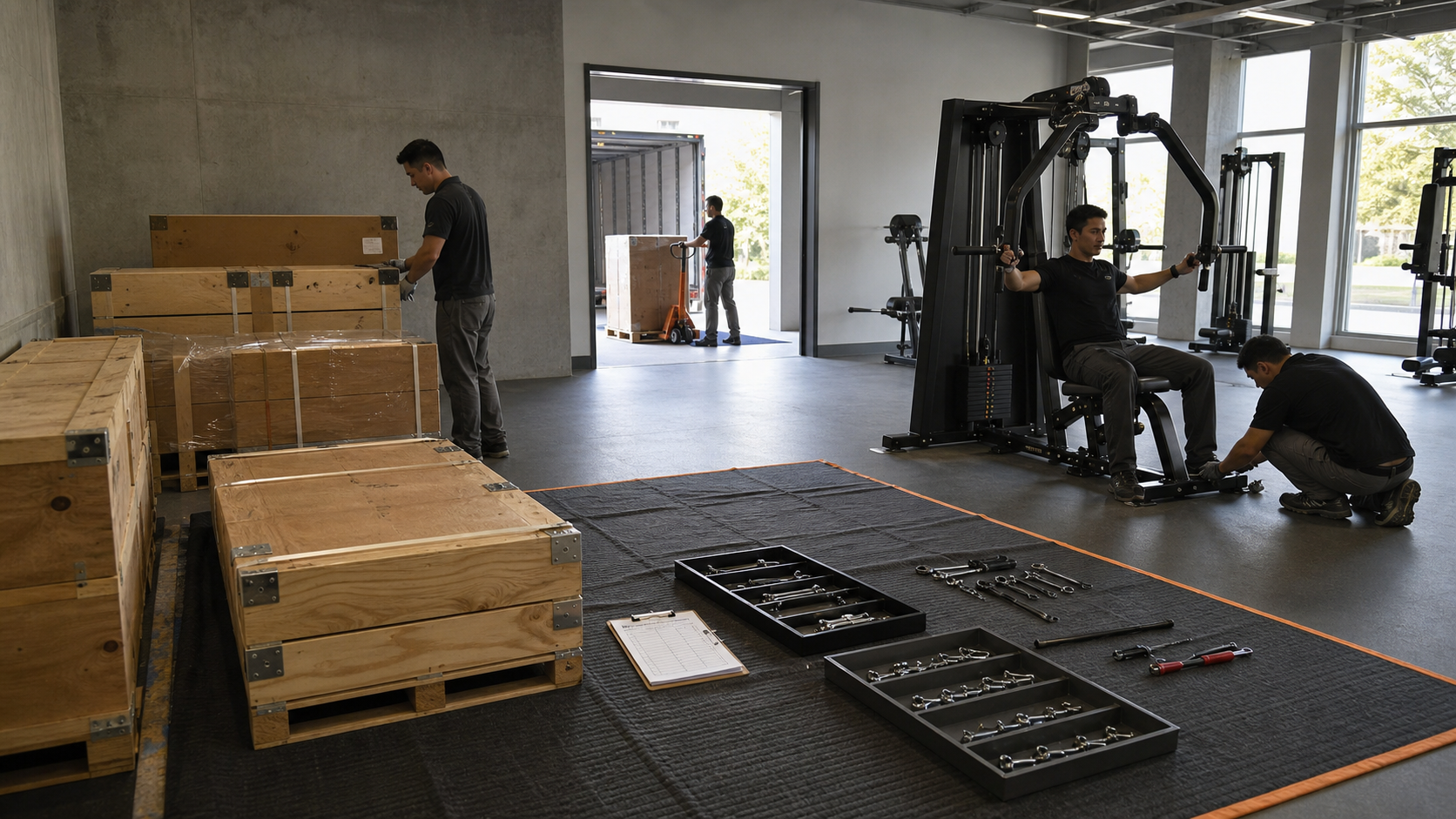
At receipt, inspect the seal and container condition before unloading, record visible package damage, reconcile package marks and isolate discrepancies. Do not discard packing or mix loose hardware until each model has been identified and the claim evidence window is understood.
| Decision area | Evidence to request | Release condition |
|---|---|---|
| Decision area | Confirm the final model list, assembly state, package dimensions, centre-of-gravity concerns, heavy items, fragile consoles, loose hardware, spare parts and unloading method. The receiving facility and inland route matter because a container plan that suits the ocean leg can still fail at the final doorway. | Define packing responsibility, package labelling, moisture protection assumptions, wood-packaging requirements, spare-part grouping, photo checkpoints and authority to close the container. State how changes to quantities or package dimensions trigger a revised loading plan. |
| Evidence to request | Useful evidence includes the approved packing list, package marks, pre-close photographs, securing details, seal record and any regulated wood-packaging marks. Every file should refer to the shipment and package identity rather than showing unrelated examples. | Unbalanced loading, inadequate restraint, condensation, weak package identification and undocumented last-minute changes can damage equipment or injure handlers. A photograph cannot replace competent packing and securing decisions under the actual transport conditions. |
| Release condition | At receipt, inspect the seal and container condition before unloading, record visible package damage, reconcile package marks and isolate discrepancies. Do not discard packing or mix loose hardware until each model has been identified and the claim evidence window is understood. | Share the model mix, quantities, destination access and assembly plan before final packing. PowerBaseFit can prepare package-level data and checkpoints while the responsible logistics parties retain control of transport and unloading decisions. |
Write responsibility into the order
Unbalanced loading, inadequate restraint, condensation, weak package identification and undocumented last-minute changes can damage equipment or injure handlers. A photograph cannot replace competent packing and securing decisions under the actual transport conditions.
The CTU Code is guidance and does not replace carrier rules, dangerous-goods requirements, customs rules or professional cargo-securing judgment. The exact method must be developed for the shipment and route.
Accept and operate with records
Share the model mix, quantities, destination access and assembly plan before final packing. PowerBaseFit can prepare package-level data and checkpoints while the responsible logistics parties retain control of transport and unloading decisions.
A practical sequence for container packing evidence for mixed commercial gym equipment orders starts with the buyer-owned inputs, then asks the supplier for model-level evidence before price or schedule is allowed to close an unresolved technical point.
- Define packing responsibility, package labelling, moisture protection assumptions, wood-packaging requirements, spare-part grouping, photo checkpoints and authority to close the container. State how changes to quantities or package dimensions trigger a revised loading plan.
- At receipt, inspect the seal and container condition before unloading, record visible package damage, reconcile package marks and isolate discrepancies. Do not discard packing or mix loose hardware until each model has been identified and the claim evidence window is understood.
- Unbalanced loading, inadequate restraint, condensation, weak package identification and undocumented last-minute changes can damage equipment or injure handlers. A photograph cannot replace competent packing and securing decisions under the actual transport conditions.
Boundaries and next action
The decision file should connect gym equipment container packing evidence to the quoted configuration, approved change record and named acceptance owner; that link is what makes later service, claims and audits workable.
The next release gate is not a marketing statement but the documented acceptance condition: At receipt, inspect the seal and container condition before unloading, record visible package damage, reconcile package marks and isolate discrepancies. Do not discard packing or mix loose hardware until each model has been identified and the claim evidence window is understood.
FAQ
What should be fixed before requesting a quote?
Confirm the final model list, assembly state, package dimensions, centre-of-gravity concerns, heavy items, fragile consoles, loose hardware, spare parts and unloading method. The receiving facility and inland route matter because a container plan that suits the ocean leg can still fail at the final doorway.
Which supplier evidence is useful?
Useful evidence includes the approved packing list, package marks, pre-close photographs, securing details, seal record and any regulated wood-packaging marks. Every file should refer to the shipment and package identity rather than showing unrelated examples.
How should offers be compared?
More disassembly can improve cube use but moves work and risk to the receiving team; more assembled equipment consumes space and may be harder to secure. The buyer should compare freight efficiency against damage exposure, assembly skill, access limits and opening schedule.
What belongs in the purchase order?
Define packing responsibility, package labelling, moisture protection assumptions, wood-packaging requirements, spare-part grouping, photo checkpoints and authority to close the container. State how changes to quantities or package dimensions trigger a revised loading plan.
When is the decision ready to approve?
At receipt, inspect the seal and container condition before unloading, record visible package damage, reconcile package marks and isolate discrepancies. Do not discard packing or mix loose hardware until each model has been identified and the claim evidence window is understood.
Sources
- CTU Code — United Nations Economic Commission for Europe
- CTU Code scope — United Nations Economic Commission for Europe
- Guide to regulation of wood packaging material — International Plant Protection Convention