Introduction
OEM fitness equipment can help distributors build a local brand, protect repeat customers and move beyond selling whatever is cheapest this month. But a private label line needs more structure than a logo on a machine. A distributor should plan products, visual identity, packaging, service expectations and future expansion together. The supplier should help translate that plan into production details that can be repeated.
Key takeaways
- Evaluate manufacturing capability before comparing product prices.
- Ask for technical, inspection and customization details that match your order type.
- Use supplier communication quality as part of the buying decision.
Introduction
OEM fitness equipment can help distributors build a local brand, protect repeat customers and move beyond selling whatever is cheapest this month. But a private label line needs more structure than a logo on a machine.
A distributor should plan products, visual identity, packaging, service expectations and future expansion together. The supplier should help translate that plan into production details that can be repeated.
Define the market before choosing models
A distributor serving commercial gyms needs a different OEM line from a distributor serving home gyms, hotels or schools. Product selection should begin with the local buyer profile and price position.
A focused launch line is usually stronger than a large mixed catalogue. It is easier to photograph, explain, stock and reorder.
Build a product line, not isolated machines
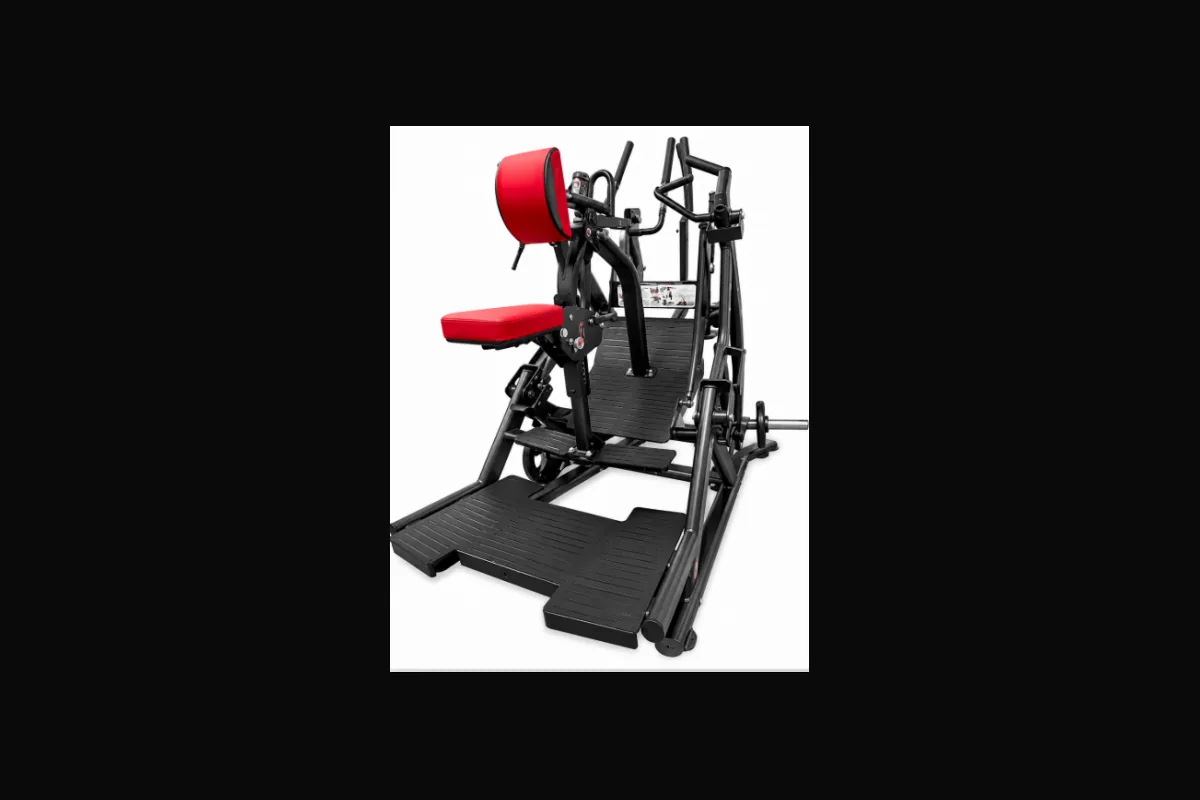
The first OEM line should show logic: strength machines, a functional trainer, accessories or a selected cardio range. Each product should have a reason to exist in the line.
Distributors should also think about which products create repeat purchases. Accessories, benches, plates and storage can support repeat business while larger machines build showroom credibility.
Plan customization details early
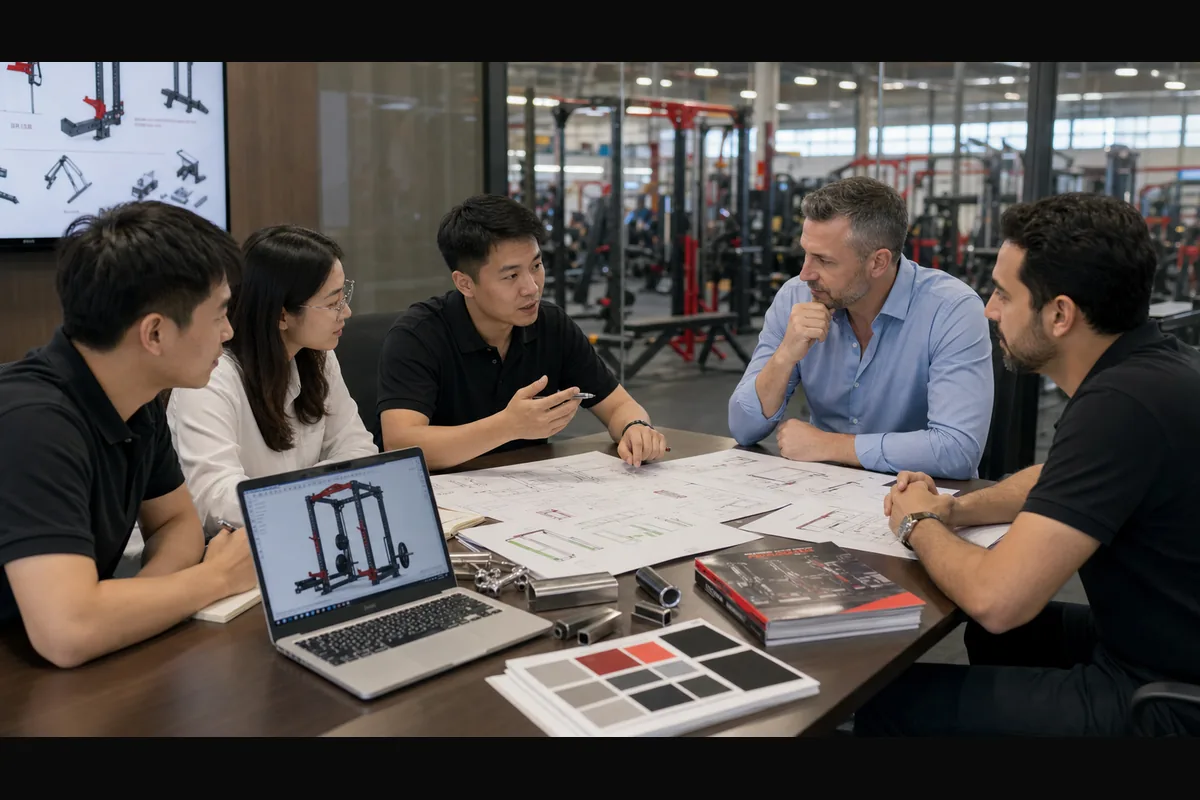
Useful customization includes logo placement, nameplate, frame color, upholstery color, packaging and product documentation. These details should be discussed before production, not after the order is almost finished.
Some customization requests may affect production time or quantity requirements. A reliable manufacturer will explain this instead of accepting every request without review.
Protect consistency across repeat orders
Private label value grows when repeat orders look consistent. Keep a record of frame color, upholstery material, logo position, packing method and model configuration.
If the distributor plans to expand the line later, the supplier should help maintain the same visual language across new machines.
Prepare the first order for sales use
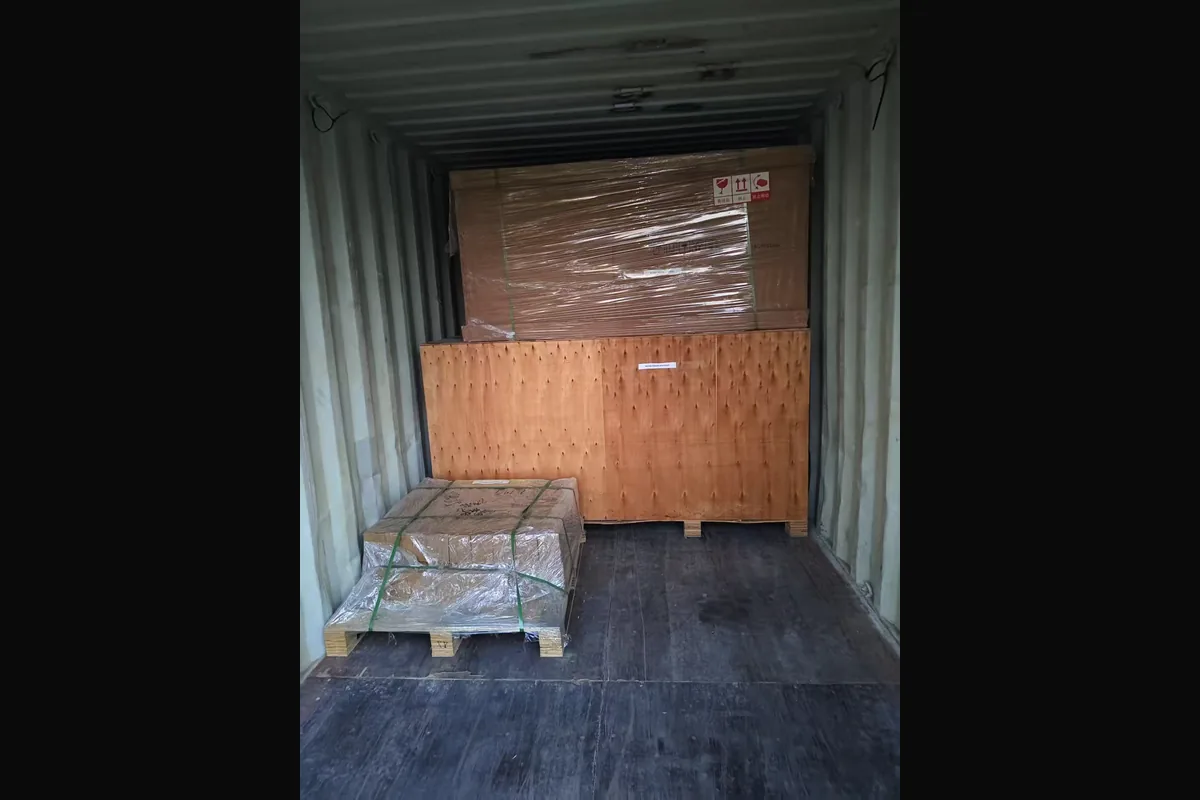
The first OEM shipment should help the distributor sell. Choose products that can be photographed well, demonstrated in a showroom and explained to local buyers. Avoid too many experimental items in the first order.
Use feedback to expand the line
After the first shipment, collect buyer feedback: which products attract attention, which models sell slowly, which colors work, which accessories are requested and which spare parts need support. This feedback should guide the second order.
Useful next pages
Buyer FAQ
What is OEM fitness equipment for distributors?
It is equipment produced with distributor-specific branding or specifications, such as logo, color, upholstery, nameplate or packaging, based on agreed production requirements.
Should a distributor start with a full catalogue?
Usually no. A focused starter line is easier to control, promote and reorder.
What customization details should be confirmed first?
Confirm logo files, logo position, frame color, upholstery color, packaging and model configuration before production.
How can OEM buyers avoid inconsistent repeat orders?
Keep written records of confirmed colors, materials, branding positions, packing and model specifications.
Conclusion
OEM fitness equipment works best when the distributor treats it as a product-line strategy. A focused launch, clear customization standards and repeat-order control are more valuable than a large but unfocused first order.
Need this topic turned into a real equipment plan?
Send your market, gym size, product categories or OEM needs. Kloe can help clarify the next step.