
Introduction
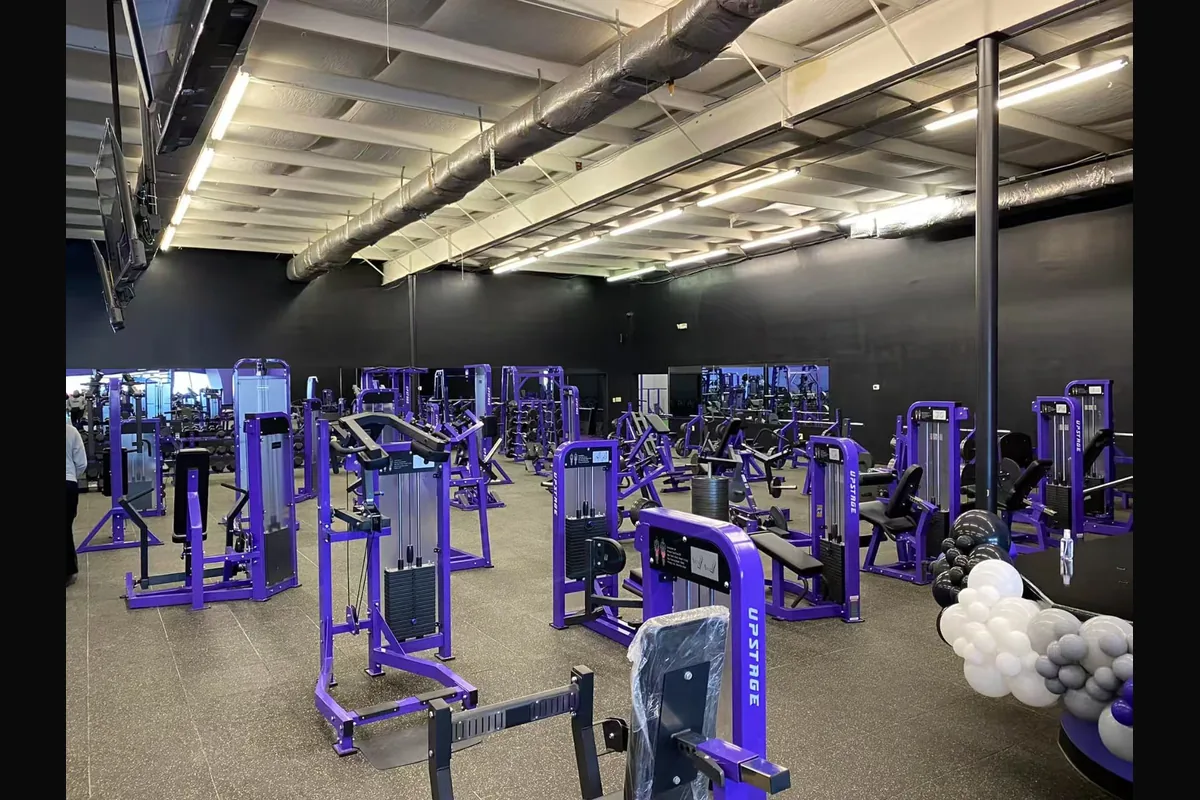
A profitable gym equipment product line is not built by adding every machine available. Distributors make stronger decisions when they separate hero products, repeat products, project products and optional expansion products. The goal is to create a line that local customers understand, sales teams can explain and the supplier can repeat with stable quality.
Key takeaways
- Evaluate manufacturing capability before comparing product prices.
- Ask for technical, inspection and customization details that match your order type.
- Use supplier communication quality as part of the buying decision.
Introduction
A profitable gym equipment product line is not built by adding every machine available. Distributors make stronger decisions when they separate hero products, repeat products, project products and optional expansion products.
The goal is to create a line that local customers understand, sales teams can explain and the supplier can repeat with stable quality.
Start with buyer segments
A distributor may sell to gym owners, hotels, schools, home gym buyers and project companies. Each segment buys for different reasons. A profitable product line should not try to satisfy everyone equally in the first order.
Choose the first focus segment, then build around its buying pattern. Commercial gyms may need strength depth. Hotels may need guided and compact equipment. Home buyers may need premium compact systems.
Separate hero products from repeat products
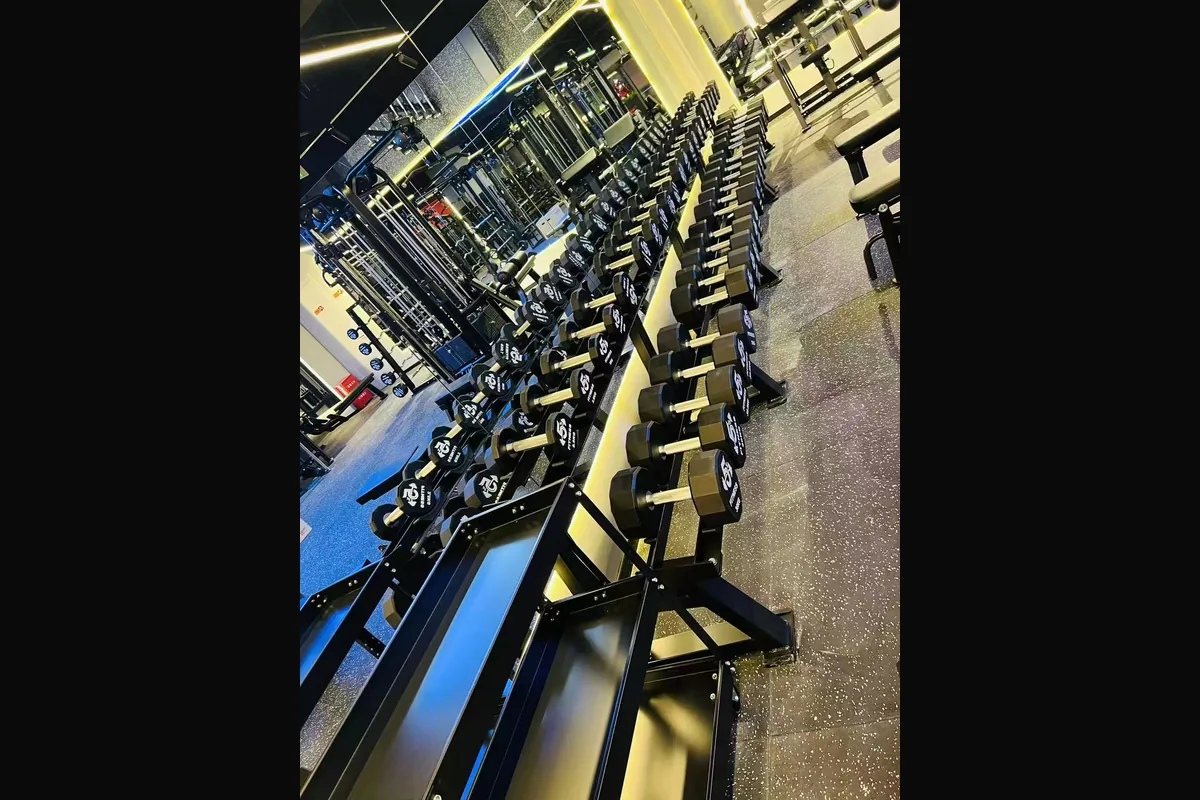
Hero products attract attention in a showroom or online catalogue. Repeat products generate steady orders. A strength machine may help sell the brand, while dumbbells, benches, plates, flooring and accessories may support repeat revenue.
A healthy product line uses both. Too many hero products create inventory pressure; too many small products weaken brand presence.
Build category coverage in stages
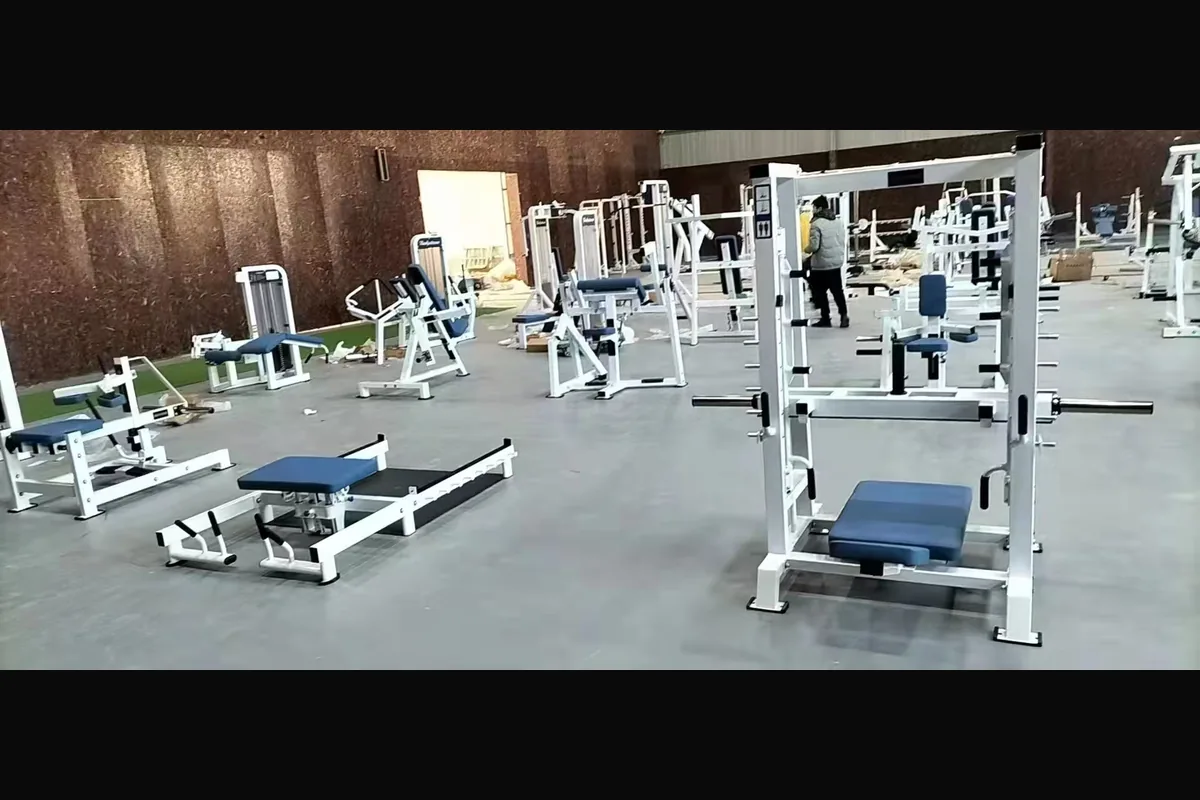
Stage one can include several strength machines, one multifunctional trainer or rack, a selected cardio model and accessory packages. Stage two can expand into more specialized machines after buyer feedback.
This approach protects cash flow and helps the distributor learn which products move in the local market.
Use visual consistency to support sales
Frame color, upholstery, logo position and product naming should look like one system. Buyers respond better when the product line feels planned instead of assembled from unrelated sources.
Plan inventory around projects and containers
For importers, profitability depends on more than margin per machine. Container planning, packing efficiency, reorder timing and spare parts all affect the business result.
Review slow-moving risks before ordering
Specialty machines can be useful, but they may move slowly if the local market is not ready. A supplier should help identify which machines are first-order priorities and which are better as project-specific add-ons.
Useful next pages
Buyer FAQ
What products should a gym equipment distributor start with?
Start with products that represent common commercial gym needs: strength machines, multifunctional training, free weights, storage and selected cardio.
How can distributors reduce inventory risk?
Build the line in stages, choose repeatable products first and use local buyer feedback before expanding into specialty machines.
Are accessories important for profitability?
Yes. Accessories, storage and free weights often support repeat purchases and complete project orders.
Should a product line use one visual style?
A consistent visual style helps buyers recognize the brand and makes showroom presentation more professional.
Conclusion
A profitable product line connects market demand, showroom appeal, repeat purchases and supplier capability. It should grow in stages, with each product category serving a clear business purpose.
Need this topic turned into a real equipment plan?
Send your market, gym size, product categories or OEM needs. Kloe can help clarify the next step.