
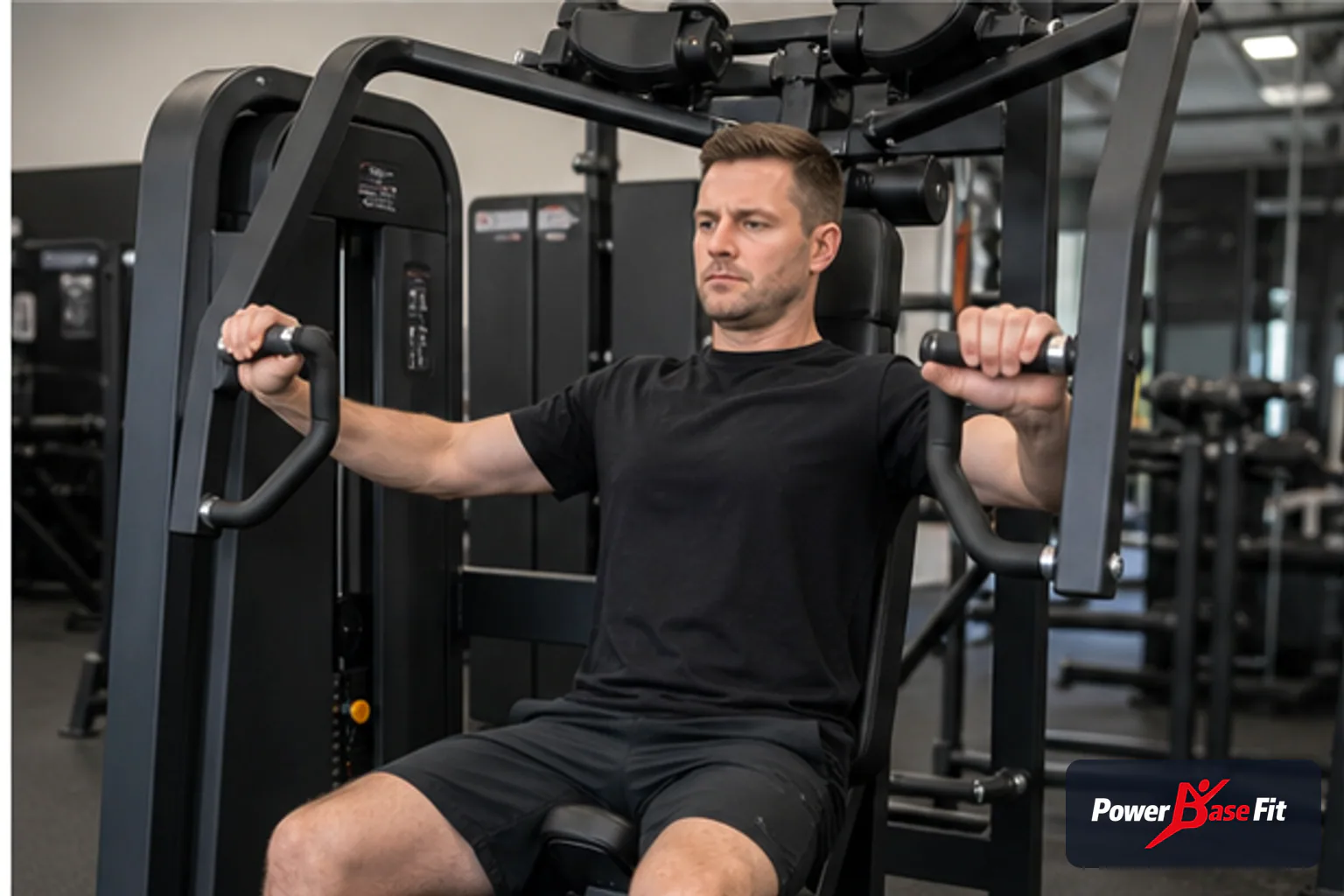
Introduction
Treat selectorized machine acceptance test as a documented operating decision. Define target users, peak occupancy, exercise overlap, assign responsibility and request model-specific evidence before approving the order.
Key takeaways
- For selectorized machine acceptance test, evidence should be current and model-specific. Ask for verifiable evidence for verify alignment and verifiable evidence for cable tracking, then connect each item to a measurable check. Photographs can confirm visible details, but they do not replace dimensions, electrical data, a parts schedule or a written responsibility. Where local building, customs, electrical or safety requirements apply, obtain confirmation from the appropriate local professional.
- For selectorized machine acceptance test, the main risks here are leaving unresolved: full travel and leaving unresolved: cable tracking. They normally appear when assumptions are treated as approvals. Record open questions before deposit, review them again before production and use them as stop points before shipment. A risk that has an owner, evidence requirement and deadline can be managed; an undocumented expectation usually becomes a dispute after delivery.
- A workable sequence starts with the actual job behind “selectorized machine acceptance test”. In this page, the job is to verify alignment, full travel, cable tracking, stack selection, guards, adjustments and abnormal noise before opening. The buyer should translate that objective into a record that names the application, the responsible party and the point at which the decision becomes accepted. This prevents a broad catalogue statement from controlling a specific commercial project.
Introduction: selectorized machine acceptance test
Treat selectorized machine acceptance test as a documented operating decision. Define target users, peak occupancy, exercise overlap, assign responsibility and request model-specific evidence before approving the order.
Acceptance Testing for Selectorized Strength Machines After Installation matters because buyers must connect a commercial objective to equipment, site, service and evidence. This guide focuses on one job: verify alignment, full travel, cable tracking, stack selection, guards, adjustments and abnormal noise before opening. It does not assume that one model, warranty, layout ratio or operating rule fits every market.
What the decision covers — future expansion
For selectorized machine acceptance test, evidence should be current and model-specific. Ask for verifiable evidence for verify alignment and verifiable evidence for cable tracking, then connect each item to a measurable check. Photographs can confirm visible details, but they do not replace dimensions, electrical data, a parts schedule or a written responsibility. Where local building, customs, electrical or safety requirements apply, obtain confirmation from the appropriate local professional.
Within the selectorized machine acceptance test decision, the operating test is whether the choice still works after installation. For commercial clubs, corporate rooms, hotels, residential gyms and specialist facilities, staff need to understand setup, cleaning, inspection and escalation. If a machine, package or service term requires specialist work, state who arranges it, when it occurs and what record closes the task. That clarity is more useful than a feature list that does not explain daily ownership.
Facility and delivery conditions — verify alignment
For selectorized machine acceptance test, the main risks here are leaving unresolved: full travel and leaving unresolved: cable tracking. They normally appear when assumptions are treated as approvals. Record open questions before deposit, review them again before production and use them as stop points before shipment. A risk that has an owner, evidence requirement and deadline can be managed; an undocumented expectation usually becomes a dispute after delivery.
Within the selectorized machine acceptance test decision, a practical action is to full travel, followed by a second check to define the user group. Keep the approved version with the quotation, drawings, visual approvals, inspection evidence and packing record. The purpose is not extra paperwork. It is to give purchasing, factory, installation and operations teams one reference when they make decisions at different stages of the order.
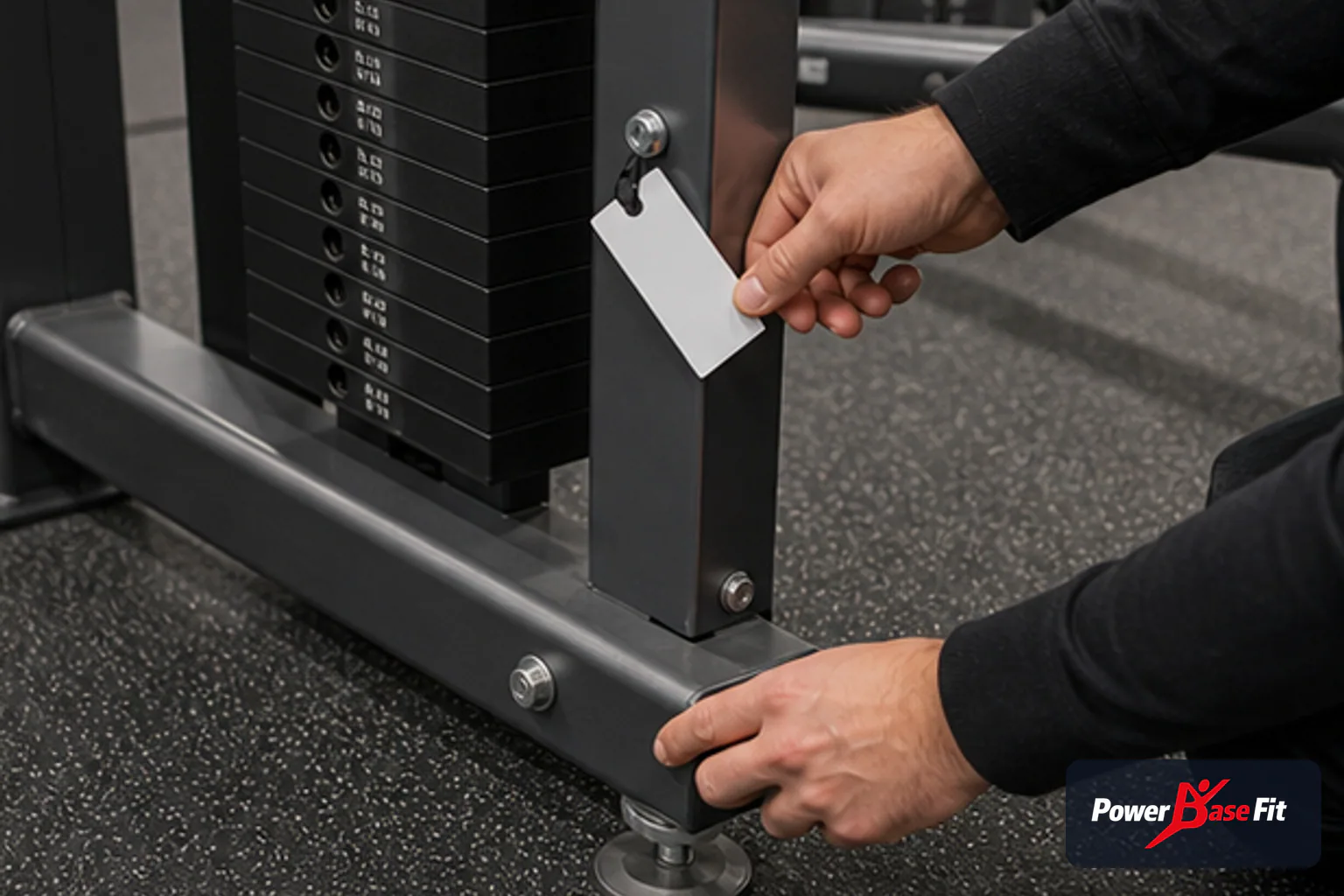
A workable sequence — full travel
A workable sequence starts with the actual job behind “selectorized machine acceptance test”. In this page, the job is to verify alignment, full travel, cable tracking, stack selection, guards, adjustments and abnormal noise before opening. The buyer should translate that objective into a record that names the application, the responsible party and the point at which the decision becomes accepted. This prevents a broad catalogue statement from controlling a specific commercial project.
Within the selectorized machine acceptance test decision, from a manufacturing perspective, cable tracking, peak occupancy and adjustment range influence different teams. Sales may confirm the commercial scope, engineering may confirm model data, production may protect approved configuration, and the receiving team may verify the delivered result. A useful order record shows where one responsibility ends and the next begins instead of leaving the handover inside informal messages.
Evidence to request — cable tracking
For selectorized machine acceptance test, evidence should be current and model-specific. Ask for dimensioned floor plan and peak-use observation, then connect each item to a measurable check. Photographs can confirm visible details, but they do not replace dimensions, electrical data, a parts schedule or a written responsibility. Where local building, customs, electrical or safety requirements apply, obtain confirmation from the appropriate local professional.
Within the selectorized machine acceptance test decision, the operating test is whether the choice still works after installation. For commercial clubs, corporate rooms, hotels, residential gyms and specialist facilities, staff need to understand setup, cleaning, inspection and escalation. If a machine, package or service term requires specialist work, state who arranges it, when it occurs and what record closes the task. That clarity is more useful than a feature list that does not explain daily ownership.
Daily operation after handover — target users
For selectorized machine acceptance test, the main risks here are unused duplicate functions and restricted access. They normally appear when assumptions are treated as approvals. Record open questions before deposit, review them again before production and use them as stop points before shipment. A risk that has an owner, evidence requirement and deadline can be managed; an undocumented expectation usually becomes a dispute after delivery.
Within the selectorized machine acceptance test decision, a practical action is to map high-demand movements, followed by a second check to test adjustment range. Keep the approved version with the quotation, drawings, visual approvals, inspection evidence and packing record. The purpose is not extra paperwork. It is to give purchasing, factory, installation and operations teams one reference when they make decisions at different stages of the order.
Options worth comparing — peak occupancy
Options worth comparing starts with the actual job behind “selectorized machine acceptance test”. In this page, the job is to verify alignment, full travel, cable tracking, stack selection, guards, adjustments and abnormal noise before opening. The buyer should translate that objective into a record that names the application, the responsible party and the point at which the decision becomes accepted. This prevents a broad catalogue statement from controlling a specific commercial project.
Within the selectorized machine acceptance test decision, from a manufacturing perspective, exercise overlap, circulation and verify alignment influence different teams. Sales may confirm the commercial scope, engineering may confirm model data, production may protect approved configuration, and the receiving team may verify the delivered result. A useful order record shows where one responsibility ends and the next begins instead of leaving the handover inside informal messages.
Risks to control — exercise overlap
For selectorized machine acceptance test, evidence should be current and model-specific. Ask for equipment schedule and verifiable evidence for verify alignment, then connect each item to a measurable check. Photographs can confirm visible details, but they do not replace dimensions, electrical data, a parts schedule or a written responsibility. Where local building, customs, electrical or safety requirements apply, obtain confirmation from the appropriate local professional.
Within the selectorized machine acceptance test decision, the operating test is whether the choice still works after installation. For commercial clubs, corporate rooms, hotels, residential gyms and specialist facilities, staff need to understand setup, cleaning, inspection and escalation. If a machine, package or service term requires specialist work, state who arranges it, when it occurs and what record closes the task. That clarity is more useful than a feature list that does not explain daily ownership.
Common buying mistakes — adjustment range
For selectorized machine acceptance test, the main risks here are leaving unresolved: verify alignment and leaving unresolved: full travel. They normally appear when assumptions are treated as approvals. Record open questions before deposit, review them again before production and use them as stop points before shipment. A risk that has an owner, evidence requirement and deadline can be managed; an undocumented expectation usually becomes a dispute after delivery.
Within the selectorized machine acceptance test decision, a practical action is to reserve expansion space, followed by a second check to full travel. Keep the approved version with the quotation, drawings, visual approvals, inspection evidence and packing record. The purpose is not extra paperwork. It is to give purchasing, factory, installation and operations teams one reference when they make decisions at different stages of the order.
Decision framework — circulation
Decision framework starts with the actual job behind “selectorized machine acceptance test”. In this page, the job is to verify alignment, full travel, cable tracking, stack selection, guards, adjustments and abnormal noise before opening. The buyer should translate that objective into a record that names the application, the responsible party and the point at which the decision becomes accepted. This prevents a broad catalogue statement from controlling a specific commercial project.
Within the selectorized machine acceptance test decision, from a manufacturing perspective, future expansion, full travel and target users influence different teams. Sales may confirm the commercial scope, engineering may confirm model data, production may protect approved configuration, and the receiving team may verify the delivered result. A useful order record shows where one responsibility ends and the next begins instead of leaving the handover inside informal messages.
Manufacturer recommendations — future expansion
For selectorized machine acceptance test, evidence should be current and model-specific. Ask for verifiable evidence for full travel and dimensioned floor plan, then connect each item to a measurable check. Photographs can confirm visible details, but they do not replace dimensions, electrical data, a parts schedule or a written responsibility. Where local building, customs, electrical or safety requirements apply, obtain confirmation from the appropriate local professional.
Within the selectorized machine acceptance test decision, the operating test is whether the choice still works after installation. For commercial clubs, corporate rooms, hotels, residential gyms and specialist facilities, staff need to understand setup, cleaning, inspection and escalation. If a machine, package or service term requires specialist work, state who arranges it, when it occurs and what record closes the task. That clarity is more useful than a feature list that does not explain daily ownership.
Acceptance Testing for Selectorized Strength Machines After Installation: decision record
| Decision point | What to define | Evidence or owner |
|---|---|---|
| peak occupancy | protect circulation | peak-use observation |
| exercise overlap | test adjustment range | equipment schedule |
| adjustment range | reserve expansion space | clearance review |
| circulation | verify alignment | verifiable evidence for verify alignment |
| future expansion | full travel | verifiable evidence for full travel |
Useful next pages
Buyer FAQ
What should a buyer define first for selectorized machine acceptance test?
selectorized machine acceptance test: Start with the operating application and define future expansion, verify alignment and the responsible person. Do not shortlist models until these points can be checked against evidence.
Which supplier evidence is useful before an order?
selectorized machine acceptance test: Request verifiable evidence for full travel and verifiable evidence for cable tracking. Evidence should be current, model-specific and connected to a written acceptance point.
How can two options be compared fairly?
selectorized machine acceptance test: Use the same application, configuration, included work and acceptance method. Normalize exclusions before comparing price or visual features.
Which risk is easiest to miss?
selectorized machine acceptance test: queues at one station is often missed because the quotation may not show the operating consequence. Give the risk an owner, a deadline and a required record.
What should be confirmed before production?
selectorized machine acceptance test: Confirm model identity, configuration, approved visuals, full travel, documentation and any item that affects installation or service.
What belongs in the handover file?
selectorized machine acceptance test: Keep approved specifications, model and serial records, dimensioned floor plan, inspection evidence, packing information and the agreed escalation contacts.
Conclusion
A sound decision about selectorized machine acceptance test is specific enough to inspect and practical enough for the next team to operate. Keep the application, evidence, responsibilities and open questions in one controlled record. Before requesting a final quotation, use this guide to verify alignment. Send the destination, facility context, relevant models, quantity direction and unresolved points so the supplier can respond to the real requirement. verify alignment, full travel, cable tracking, stack selection, guards, adjustments and abnormal noise before opening.
Need this topic turned into a real equipment plan?
Send your market, gym size, product categories or OEM needs. Kloe can help clarify the next step.