
How to Choose a Commercial Shoulder Press Machine
Choose a selectorized shoulder press when quick changes, lighter usable increments and broad unsupervised access are priorities. Choose a plate-loaded model when the facility already manages plates and wants a strength-zone format that experienced users understand. Do not approve either type from its catalog name, stack label or static footprint. Test the exact configuration with short, medium and tall users for entry, seat position, back support, handle reach, grip choice, starting resistance, independent-arm behavior and controlled return. Put the approved setup, complete operating area, service parts and receiving checks into the order.
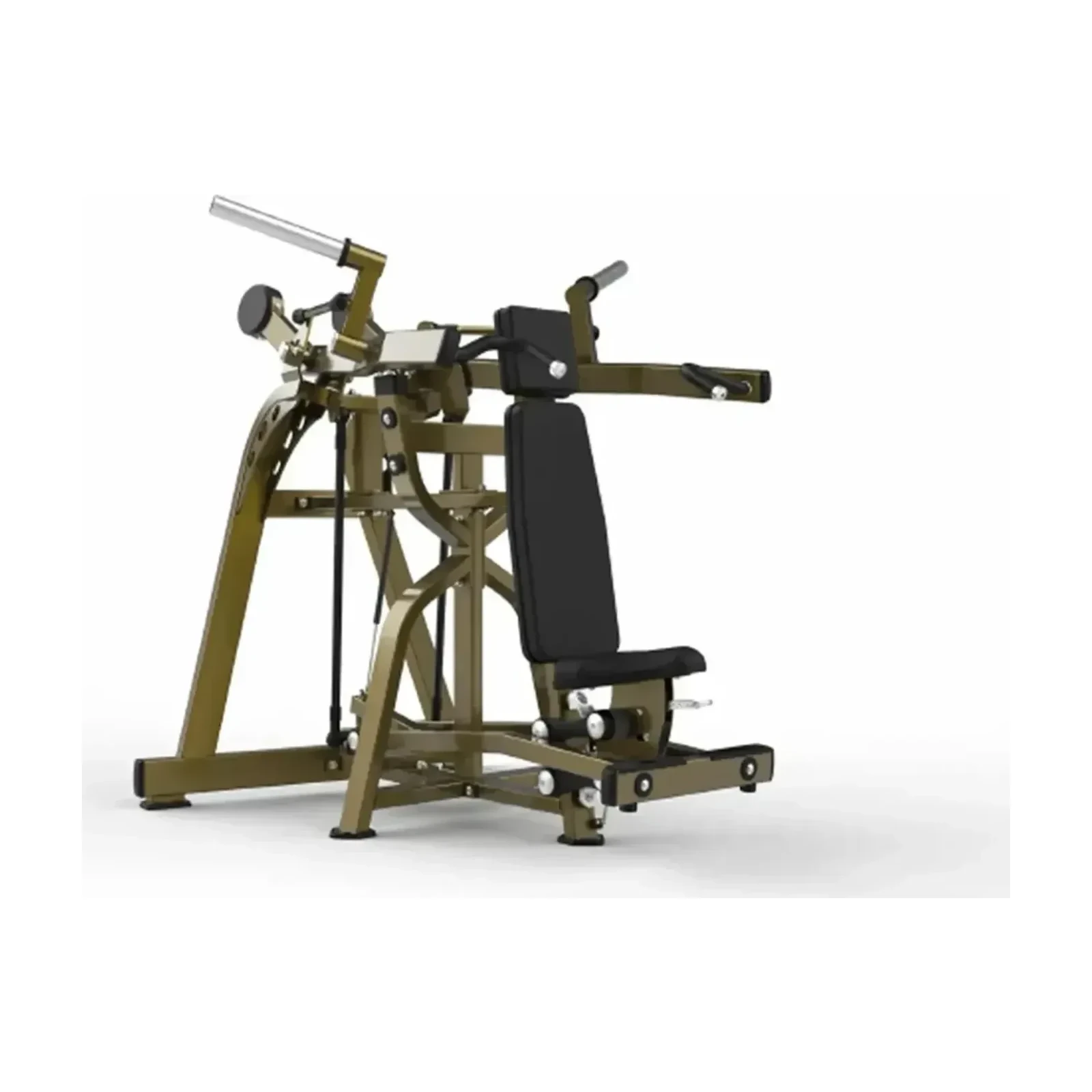
Define the station's job before comparing models
Start with the program, users and busiest operating period. Record whether the shoulder press will sit in a beginner circuit, a general strength floor, an athlete zone, a hotel room or a distributor display. Note how members currently perform overhead pressing, how long they occupy a station and when queues cause substitution. A machine is justified by a defined operating role, not by filling a catalog category.
Describe the intended user range, supervision level, accessible approach, cleaning routine and acceptable wait. Count overlap with adjustable benches, racks, dumbbells and cable stations without treating those as identical experiences. If the facility includes clinical services, qualified professionals define any therapeutic requirement; the equipment order should not promise a medical result.
Choose a loading format that matches the floor
Selectorized equipment keeps resistance on the frame and allows rapid changes, which suits mixed-experience floors and coached circuits. Plate-loaded equipment relies on the facility's existing plate supply, collars, storage and housekeeping. It can fit a dedicated strength zone, but the quotation must include the complete plate-management burden. Neither format is automatically more durable or more advanced; compare the offered mechanism and operating system.
Also compare the dedicated machine with the capacity already available on benches, racks and cable stations. A compact property can decide that a separate shoulder press is not the next priority, while a busy club can use a selectorized station for quick turnover and a plate-loaded station for another user group. Map who uses each option and at what time before choosing quantity.
| Format | Best operational fit | Decisive trial | Often omitted |
|---|---|---|---|
| Selectorized | Mixed users and rapid changes | Lightest usable setting, increments and selector reach | Cable or belt, guide system and stocked wear parts |
| Plate-loaded | Strength zone with managed plates | Starting load, loading access and return control | Plates, collars, storage and floor discipline |
| Dual or independent arms | Facilities valuing left-right movement options | Both arms alone and together through full travel | One frame still provides one user position |
| Bench, rack or cable alternative | Compact floor with lower dedicated demand | Setup time, conflict with other exercises and coaching need | Capacity removed from the shared station |
Test entry, seat position and body support
Use the current instructions and a representative group at the short, middle and tall ends of the planned population. Each tester should approach, sit, adjust, reach the handles, establish foot contact, press and leave without entering a loaded path or losing stable back support. Record useful seat settings rather than counting adjustment holes. A long adjustment scale has little value when the first usable position still misses the intended user.
Check how the seat changes handle height and start depth together. Observe whether the back pad supports the torso at the permitted positions, whether feet remain supported and whether the adjustment can be reached without trapping fingers or lifting the full seat load. Review transfer space and staff assistance needs for the actual facility. Universal-fit language is not a substitute for a documented trial.
Compare grips, movement path and starting resistance
Ask for every supplied grip, permitted start position, movement-arm relationship and stated starting resistance for the exact model. Neutral and overhand handles, independent arms and converging paths are model-specific choices, not proof that every user will prefer the machine. Test the lightest usable setting before adding load. Counterbalancing and linkage geometry can change what the user feels before the stack or plates begin moving.
Repeat the press at controlled working settings with both arms, then each arm separately where the instructions allow. Watch for slack, a sudden load step, uneven engagement, unintended frame contact, handle rotation, noise, excessive play and a return that pulls the user out of position. Record where the approved user group can start and finish while maintaining contact. Do not infer delivered resistance from a label alone.
Calculate capacity and draw the complete live area
Measure expected arrivals during a fixed peak interval, the share choosing this station, occupied minutes and the waiting threshold the operator accepts. One machine remains one training place even with independent arms or several grips. If observed demand exceeds the useful capacity, compare a second press with the capacity of alternative stations. Membership totals by themselves do not determine equipment quantity.
Draw the frame together with the moving-arm envelope, user arms and legs, entry route, coach position, plate loading zone, nearby storage, cleaning reach and technician access. Verify ceiling height, doors, lifts, turns, package dimensions and assembly order before shipment. Official product pages that separate product dimensions from recommended live area illustrate why a brochure rectangle is not a finished floor plan; use the drawing for the ordered configuration.
Inspect wear points, anchoring and service access
On a selectorized unit inspect the pin, plates, guide rods, cable or belt route, terminations, pulleys, guards and inspection openings. On a plate-loaded unit inspect sleeves, stops, pivots, bearings or bushings and loading access. For both, cycle the seat mechanism, work arms, grips and fasteners; examine pad seams, labels, foot supports, frame contacts and every point that staff must clean or check.
Request the current installation and owner documents, exploded parts view, revision-linked part numbers, wear-part list, approved cleaners, inspection schedule and out-of-service procedure. Confirm anchoring and floor requirements for the exact model and destination. ISO 20957-1, ISO 20957-2 and ASTM F2216 provide relevant frameworks; ask for applicable evidence tied to the offered unit rather than accepting a general badge.
Approve a reference unit and normalize quotations
Use one trial sheet for every shortlisted machine. Record model and revision, loading format, tester range, entry, seat positions, handle choices, start resistance, independent-arm operation, controlled return, live area, cleaning access and technician comments. Separate a failed requirement from a tester preference. Photos identify a configuration, but signed measurements and observations define acceptance.
Send every supplier the same quotation schedule: quantity, resistance system, plate or stack interface, seat range, grips, movement arms, start setting, pads, labels, finish, operating-area drawing, anchoring, packaging, installation, manuals, initial spares and acceptance tests. Price plates, collars, storage and assembly as visible lines. Require written review before any mechanism, contact surface or document is substituted.
Receive and commission against the approved record
Before assembly, reconcile package marks, model codes, quantities and visible condition with the order. Record transport damage and inspect the frame, finish, pads, seat, pivots, arms, handles, stack or sleeves, guards, labels, manuals and included hardware. Assemble and anchor under the current instructions. A complete-looking unit is not accepted until its identity and configuration match the approved reference.
Repeat entry, every adjustment and the full motion with no load or the permitted minimum, then with a controlled working setting. Verify selector or plate retention, low start, even engagement, travel, return, abnormal noise, stability and clearances. Record available serial or batch identifiers, accepted settings, open defects and responsibility for closure. Release the station only after staff understand setup, cleaning, inspection and isolation procedures.
FAQ
Should a gym choose a selectorized or plate-loaded shoulder press?
Use the operating model. Selectorized suits rapid changes and mixed users; plate-loaded suits a managed strength zone with plates, collars and nearby storage.
How should seat adjustment be checked?
Test short, middle and tall users, then record the seat positions that provide stable back support, reachable handles, supported feet and controlled start depth.
Is stack mass enough to compare two shoulder presses?
No. Starting resistance, increments, counterbalance, linkage and movement path affect the delivered load. Request model data and perform low- and working-load trials.
What floor area should be reserved?
Use the complete operating envelope: frame, moving arms, user, entry, coach, loading, storage, cleaning and service access, based on the ordered model's drawing.
What belongs in the purchase order?
Record model and revision, format, adjustments, grips, resistance interface, finish, operating area, anchoring, packaging, installation, documents, spares and acceptance tests.
Sources
- ISO 20957-1 general requirements — International Organization for Standardization
- ISO 20957-2 strength equipment requirements — International Organization for Standardization
- ASTM F2216 selectorized equipment specification — ASTM International
- Life Fitness Axiom shoulder press — Life Fitness
- Life Fitness Insignia shoulder press — Life Fitness
- Precor Resolute converging shoulder press — Precor