
Upright Bike vs Recumbent Bike vs Indoor Cycle for Commercial Gyms
Choose an upright bike for compact, self-directed cardio across a broad member base; choose a recumbent bike when supported seating, step-through access and approachable low-impact use are central; choose an indoor cycle when coached classes, cadence work and frequent out-of-saddle riding define the program. A commercial facility often needs a deliberate mix, not one universal winner. Confirm rider fit, adjustment speed, resistance behavior, pedals, console and power, live floor area, cleaning access and service scope for the exact models before ordering.
Define the job before choosing the bike
Start with programs and users rather than a model list. Record how many visits are unsupervised cardio, warm-up, steady endurance, guided interval work or scheduled group cycling. Separate open-floor demand from class seats because they peak differently. A hotel guest who wants an intuitive twenty-minute ride, a member who needs supported entry and a coached cycling participant are three purchasing cases even when all three pedal indoors.
Write one service promise for each case: walk-up availability, supported low-impact access, or a bookable class position. Add expected session length, peak concurrency, supervision, cleaning turnaround and the consequence of one unavailable unit. This turns a vague request for exercise bikes into capacity that a supplier can quote, a designer can place and an operator can measure after opening.
Compare the three commercial bike formats
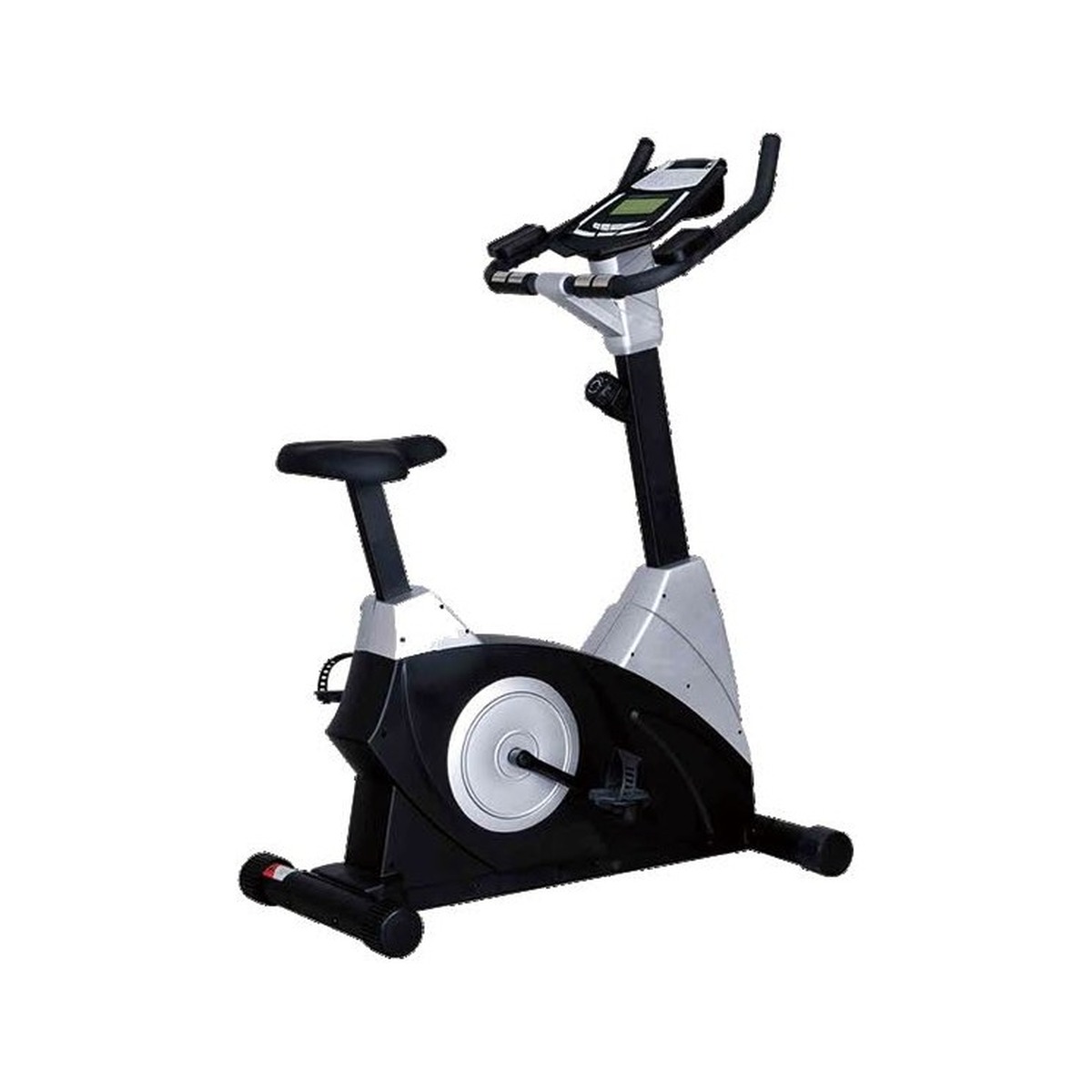
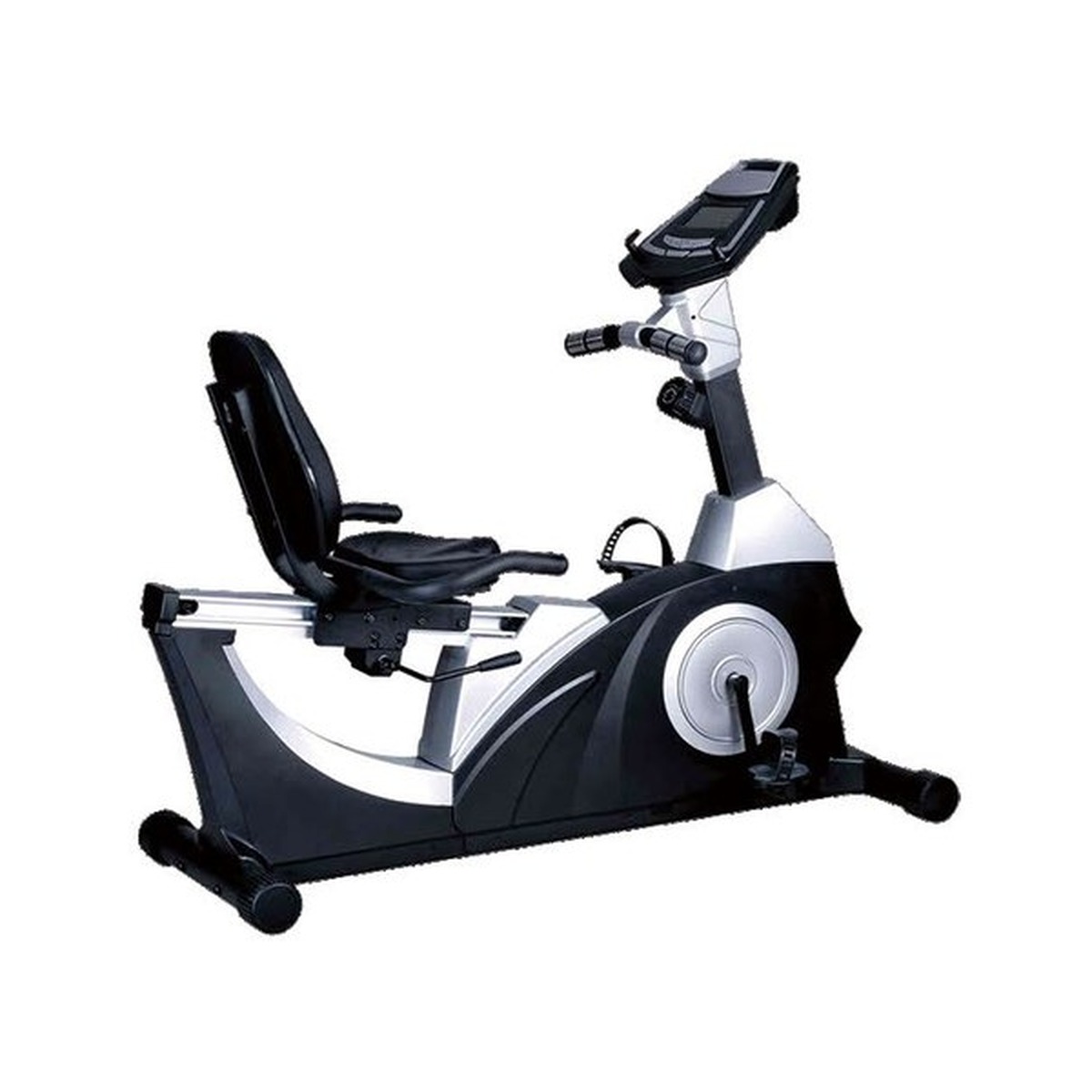
An upright bike places the rider above the crank in a familiar open-floor format and usually supports general self-directed cardio in a compact area. A recumbent bike adds a back-supported seat and forward pedal position; its entry path, seat travel and assist handles deserve more attention than its category label. An indoor cycle uses a sport-oriented position, fast resistance control and adjustments intended for repeated rider changes and coached work.
Do not rank formats with one word such as comfortable or intense. Link each choice to member profile, riding posture, instruction and room operation. An upright unit can be the general-purpose base, a recumbent unit can broaden access, and an indoor-cycle fleet can serve classes. The final ratio must follow measured or forecast use instead of copying another facility's equipment row.
| Format | Best purchasing use | Critical checks |
|---|---|---|
| Upright bike | Compact open-floor cardio for varied self-directed users | Saddle range, pedal reach, handle positions, console and power |
| Recumbent bike | Supported seated cardio and approachable entry for a broader user mix | Step-through path, seat lock, back support, control reach and live area |
| Indoor cycle | Coached classes, cadence work and sport-oriented intervals | Fast adjustments, resistance response, pedals, sweat protection and room workflow |
Test rider fit, entry and adjustment workflow
Build a rider-fit trial with users of different heights and experience levels. For upright bikes, check saddle travel, pedal reach, handle positions and console sight line. For recumbent bikes, check step-through clearance, the path to the seat, back support, seat locking and whether controls remain reachable. For indoor cycles, check both saddle and handlebar movement, marking clarity and the stability of every locked position.
Observe the full changeover, not only the final riding posture. A setting that fits after staff assistance can still fail in an unstaffed hotel or a fast class turnover. Ask participants to enter, adjust, secure straps, start resistance, stop and exit. Record pinch concerns, unclear markings, excessive force and any adjustment that can appear locked when it is not. Put corrective requirements into the approved specification.
Specify resistance, drive feel and pedals
Request the resistance principle, adjustment method, usable range and behavior at low and high cadence for each quoted configuration. Open-floor bikes commonly use electronically controlled or generator-based systems, while indoor cycles often prioritize immediate manual control and a direct riding response. These are purchasing distinctions, not proof that one mechanism is superior. Trial the intended warm-ups, steady rides, intervals and standing efforts on the offered unit.
Confirm drivetrain access, belt or other wear-path information, crank and pedal interfaces, emergency stopping behavior where applicable, and the exact pedal supplied. Toe cages, straps and clip-in interfaces change user training, inspection and replacement stock. Indoor-cycle pedals face frequent transitions and higher standing loads; general floor bikes need intuitive retention for users who may never ask for coaching. Acceptance must match the ordered pedal and resistance configuration.
Match consoles, power and data to the facility
List the experience that is actually required: simple time and resistance feedback, programmed workouts, heart-rate connection, power measurement, entertainment, facility branding or fleet monitoring. Verify which metrics are measured and which are estimated, how users start a session, and whether accounts are optional. A screen feature has value only when members use it and the operator can support its software, network and privacy obligations.
Create a configuration matrix for base, console, region and power. Some bikes or console combinations are self-powered; other displays require an outlet, voltage-specific hardware or network service. Confirm supply, plug, frequency, cable routing, isolation, updates and account ownership for the destination. Do not apply the electrical data from a reference product or another region to the PowerBaseFit configuration being quoted.
Plan open-floor capacity and class capacity separately
Place upright and recumbent bikes with their full operating area, entry side, circulation and service route on the scaled plan. A recumbent unit can require more length and a clearer lateral entry path even when its exercise is approachable. Keep access routes, nearby equipment movement, cleaning positions and evacuation requirements visible. The selected model manual and local facility rules govern final clearances.
For an indoor-cycle room, capacity starts with scheduled participants, instructor position, sight lines, ventilation, sound, emergency movement and the time needed to reset bikes between classes. Every bookable position needs a usable bike; a spare position, parts strategy or rapid replacement process must be justified separately. Do not count class bikes as freely available cardio when the room is locked, reserved or being cleaned.
Compare service scope and total operating work
Ask for cleaning guidance, inspection points, preventive tasks, access to drive and resistance components, console diagnostics, firmware responsibility and parts identification. Compare common wear items, tools, technician clearance, fault isolation and the path for obtaining the correct revision. Sweat exposure is especially important in indoor-cycle rooms, while seat mechanisms, pedals and touch points affect every format.
Build the commercial comparison from equipment, freight, assembly, electrical work, network work, accessories, instructor setup, spare parts, cleaning time and expected downtime. Keep warranty terms tied to the offered model, market and use class. A lower unit price can become a higher operating burden when proprietary pedals, multiple console platforms or difficult adjustment parts multiply the fleet's support work.
Run a pilot, quote clearly and accept the order
Send the supplier the country, facility type, target users, floor plan, open-floor peak demand, class timetable, required bike mix, rider-fit range, pedal choice, console functions, power and network conditions, branding request, installation scope and opening date. Request separate lines for each base and console, accessories, initial spares, freight, assembly, commissioning and training. Drawings and a configuration schedule should carry the same model codes.
Before scale purchase, pilot the intended configuration when the order or program risk warrants it. At receipt, match identity, quantity and packaging; after assembly, check stability, adjustment locks, seat and handle positions, pedals, resistance, stopping behavior, console, power, data connection and agreed documentation. Log use, queues, fit complaints and downtime after opening, then rebalance the mix from evidence rather than repeating the original ratio automatically.
- Facility and user profile
- Open-floor peaks and class timetable
- Rider-fit and access trial
- Resistance, pedals and console matrix
- Scaled layout and service route
- Commissioning and operating evidence
FAQ
Which bike type should a new commercial gym buy first?
Choose from the planned users and programs. A mixed general gym often starts with open-floor upright capacity, adds recumbent access and buys indoor cycles only when coached or sport-oriented demand is defined.
Can one recumbent bike replace one upright bike?
Only if the same peak users accept both formats for the same purpose. Their posture, entry, footprint and demand differ, so track first choice, accepted substitute and abandoned use.
Are self-powered bikes always easier to install?
They can reduce outlet needs for a particular configuration, but buyers must still verify console power, battery or generator service, cable routing, data needs and regional documentation.
What should a multi-unit indoor-cycle pilot test?
Test rider range, adjustment speed, lock security, resistance response, standing stability, pedals, stopping behavior, cleaning access, console workflow and repeated class changeovers.
What belongs in the quotation request?
Include country, facility type, plan, users, demand, class schedule, bike mix, fit range, pedals, console, power, network, installation, initial spares and acceptance criteria.
Sources
- ISO 20957-1:2024 — General safety requirements — International Organization for Standardization
- ISO 20957-5:2016 — Stationary exercise bicycles — International Organization for Standardization
- Life Fitness commercial bikes and indoor cycles — Life Fitness
- Life Fitness Integrity+ upright bike — Life Fitness
- Life Fitness Integrity+ recumbent bike — Life Fitness
- Life Fitness IC7 indoor cycle — Life Fitness