Market requirements and buyer-requested documents are reviewed for the actual order.
 Discuss a Similar Project
Canada / Importer
Commercial Gym Equipment Case Study: Importer in Canada
PowerBaseFit supplied commercial fitness equipment for this importer project in Canada. The confirmed project scope covered Fourteen selectorized machine models, Power racks, commercial benches and free weights, Model-family spare-parts kits and bilingual service files.
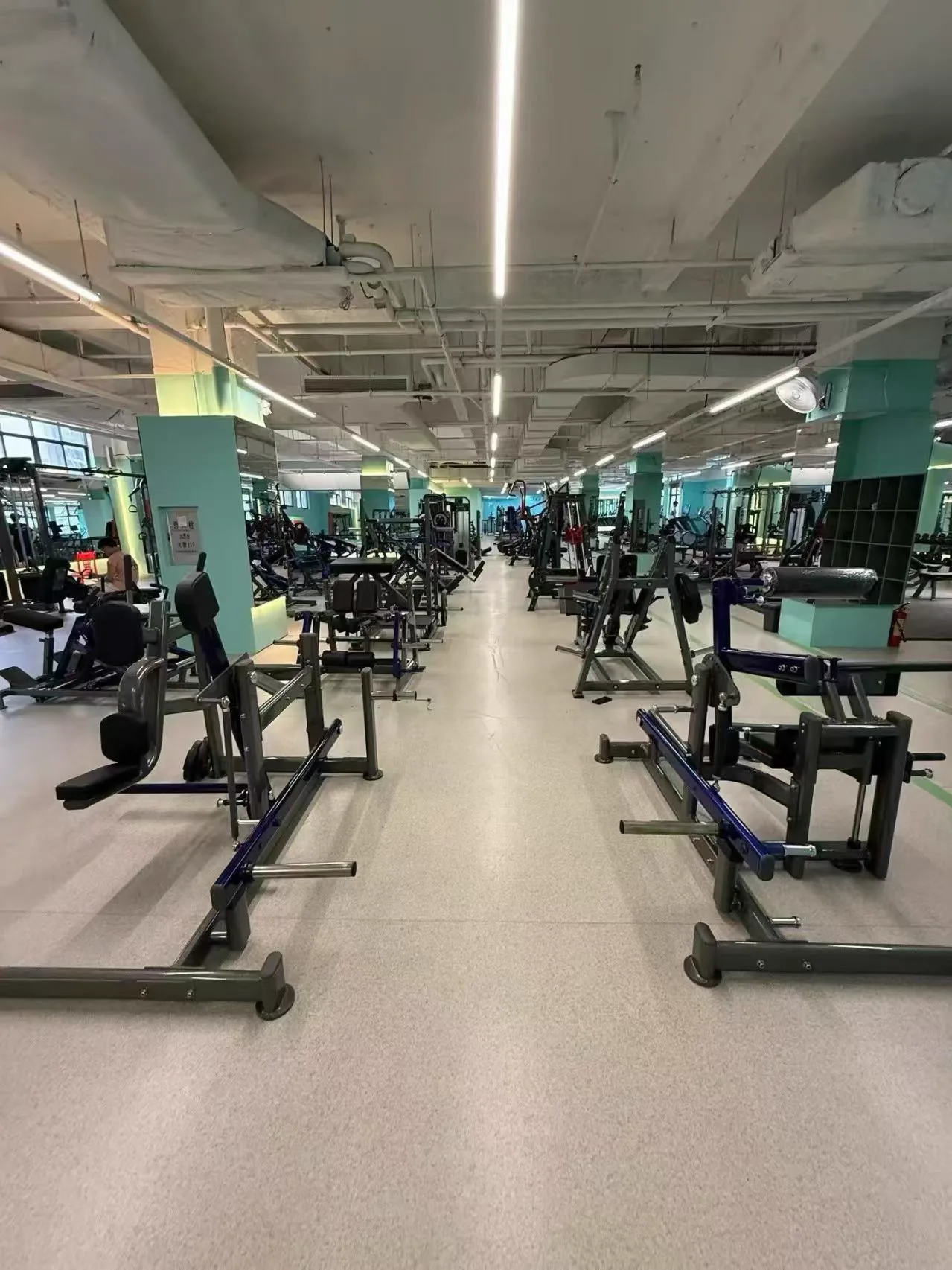
The equipment and commercial path were organized around this buyer model.
Specifications and commercial terms remain tied to order documents.
The main image was provided for this PowerBaseFit customer supply project.
Project requirements
Customer priorities addressed in the supply plan
A Canadian importer launching a selectorized and free-weight dealer range with a stronger regional after-sales system.
- Commercial opening inventory with repeat-order potential
- English and French product and parts documentation
- Service kits organized for remote dealer support
Supplied equipment scope
Commercial equipment categories in the project
The project scope presents the principal commercial equipment categories supplied for this application.
- Fourteen selectorized machine models
- Power racks, commercial benches and free weights
- Model-family spare-parts kits and bilingual service files
Customer background
A commercial launch range designed to support dealers across long distances
The customer is a Canadian importer serving commercial installers, municipal recreation centers and independent gyms. The company had sales opportunities outside major cities but struggled to support older equipment when dealers needed a cable, pin, pad or small hardware item.
Parts descriptions from previous suppliers were inconsistent, causing remote dealers to order incorrect components. The new range therefore needed to be commercially competitive and easier to identify, install and service across long distances.
PowerBaseFit worked with the importer on the commercial shape of the opening order, connecting product selection with likely sell-through, warehouse capacity, bilingual market presentation and the timing of a second order. After-sales requirements were reviewed during product selection rather than after shipment.
Supplier selection
Why PowerBaseFit matched the purchasing requirement
- Products sharing suitable cables, pins, bearings and hardware were favored to simplify service stock.
- The selectorized and free-weight categories could be coordinated as one commercial dealer range.
- English and French product files could share model diagrams and consistent parts terminology.
- Serial labels, parts-bin codes and model-family service kits could connect equipment identification with local inventory.
OEM / private label scope
How the product family was controlled
- Black frames with ice-blue adjustment points
- Distributor badges applied to replaceable panels
- English and French manuals using shared diagrams and parts terminology
- Serial labels positioned for technician access without moving the machine
- Parts-bin and service-kit labels matched to digital model-family parts pages
Project challenge
Select a useful opening spare-parts stock without filling the warehouse with large, rarely replaced components.
PowerBaseFit solution
PowerBaseFit grouped components into adjustment items, wear parts, commonly lost hardware, cosmetic items and structural components. Opening stock concentrated on cables, pulleys, pins, handles, fasteners and selected upholstery pieces, while larger structural parts remained available by model reference. Photos and dimensions were added to the parts pages for remote identification. After reviewing the proposal, the importer's service manager requested two additional cable lengths and fewer cosmetic covers; the service kits were revised without changing equipment quantities or bilingual product files.
Production, QC and packing
Product, identification and spare-parts controls for the importer order
The case combines product-family consistency with practical receiving and after-sales identification.
Full assembly and movement checks for selectorized machines
Weight-stack labels, cable routing, shields and adjustment engagement inspection
Rack and bench stability, upholstery, finish and hardware review
Serial information and distributor identification checked against the model list
Spare parts counted into labeled model-family bins
Service stock packed separately from equipment installation hardware
Delivered project outcome
A stronger regional service proposition and a repeat-order baseline
The importer launched the range with a stronger service proposition for regional dealers. Early parts requests were easier to diagnose, and commonly required items could be dispatched from local stock.
The buyer expanded the following order with additional selectorized models using the same identification and parts structure, giving the team a practical baseline for repeat purchasing and dealer support.
Customer perspective
Feedback recorded for the completed project
The customer appreciated the practical spare-parts planning and clearer support information for dealers working far from major service centers.
Purchasing controls
Decisions connected to the order record
These checkpoints help a buyer compare a similar project using documented purchasing controls and order-specific proof.
Model-level specifications and quantities recorded in the quotation or purchase order
Customization, labels and required documents assigned to an approval owner
Packing method, package identification and shipment grouping confirmed for the order
Warehouse receiving, spare-part references and repeat-order identification reviewed
Project delivery path
From customer requirement to order-specific supply
The project scope was organized around the buyer type, equipment application, destination and confirmed order requirements.
Requirement review
The customer application, product direction and destination requirements were organized for equipment selection.
Equipment configuration
Commercial equipment categories were matched to the required training functions and project scope.
Order confirmation
Specifications, quantities, customization, packing and commercial terms were handled through order-specific documents.
Production and shipment evidence
Buyer-required production, checking, packing or loading evidence can be defined for the actual order.
Buyer-verifiable media
Review manufacturing and shipment evidence behind customer supply
These source files document observable workshop and shipment-preparation scenes supplied by PowerBaseFit. They give buyers a visible process reference alongside customer-project photos and order-specific proof.
Frame grinding footage
Observable surface-finishing activity in source footage supplied by PowerBaseFit.
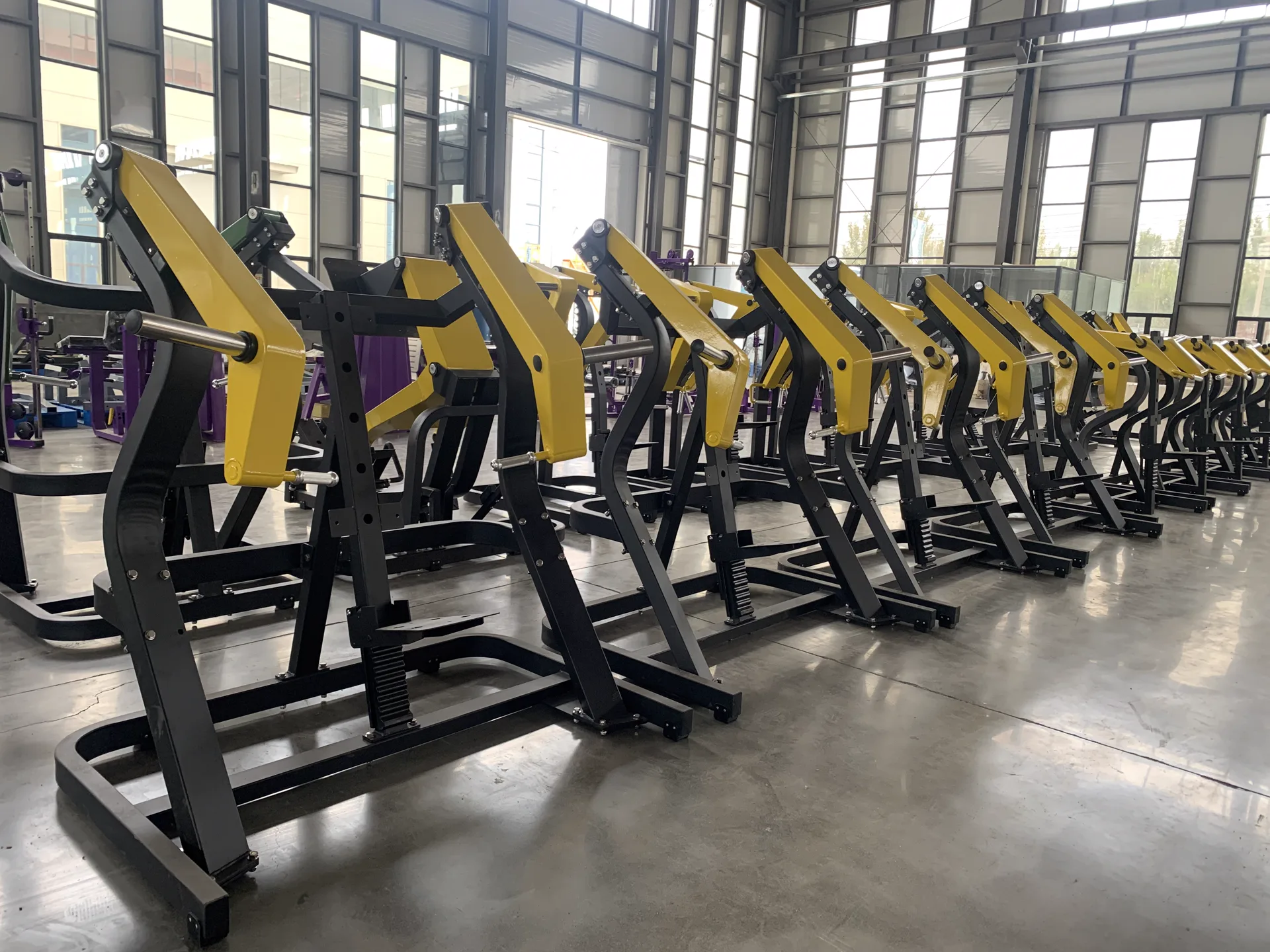
Factory assembly area
A supplied photograph showing commercial fitness equipment during assembly.
Laser cutting footage
Observable metal cutting activity in source footage supplied by PowerBaseFit.
Similar-project RFQ checklist
Details to send for a comparable equipment project
- Destination city or port and preferred trade-term discussion
- Model shortlist, quantity direction and required delivery window
- Required product, labeling and import documentation for the destination market
- Dealer network, opening inventory, bilingual file owners and service-parts priorities
Project procurement FAQ
Questions about similar commercial equipment supply
What type of customer was served in this Canada project?
This commercial fitness equipment supply project was completed for the following customer type: Importer.
Can PowerBaseFit prepare a similar equipment configuration?
Yes. Share the facility type, floor plan or product shortlist, quantity direction, destination, customization needs and target timeline for an order-specific review.
How are specifications and commercial terms confirmed?
Current model specifications, availability, customization, packing and commercial terms are confirmed in the quotation and purchase-order process.