Market requirements and buyer-requested documents are reviewed for the actual order.
 Discuss a Similar Project
France / Fitness Brand
Commercial Gym Equipment Case Study: Fitness Brand in France
PowerBaseFit supplied commercial fitness equipment for this fitness brand project in France. The confirmed project scope covered Power racks and half racks, Commercial benches and modular rack attachments, Private-label weight plates for complete studio packages.
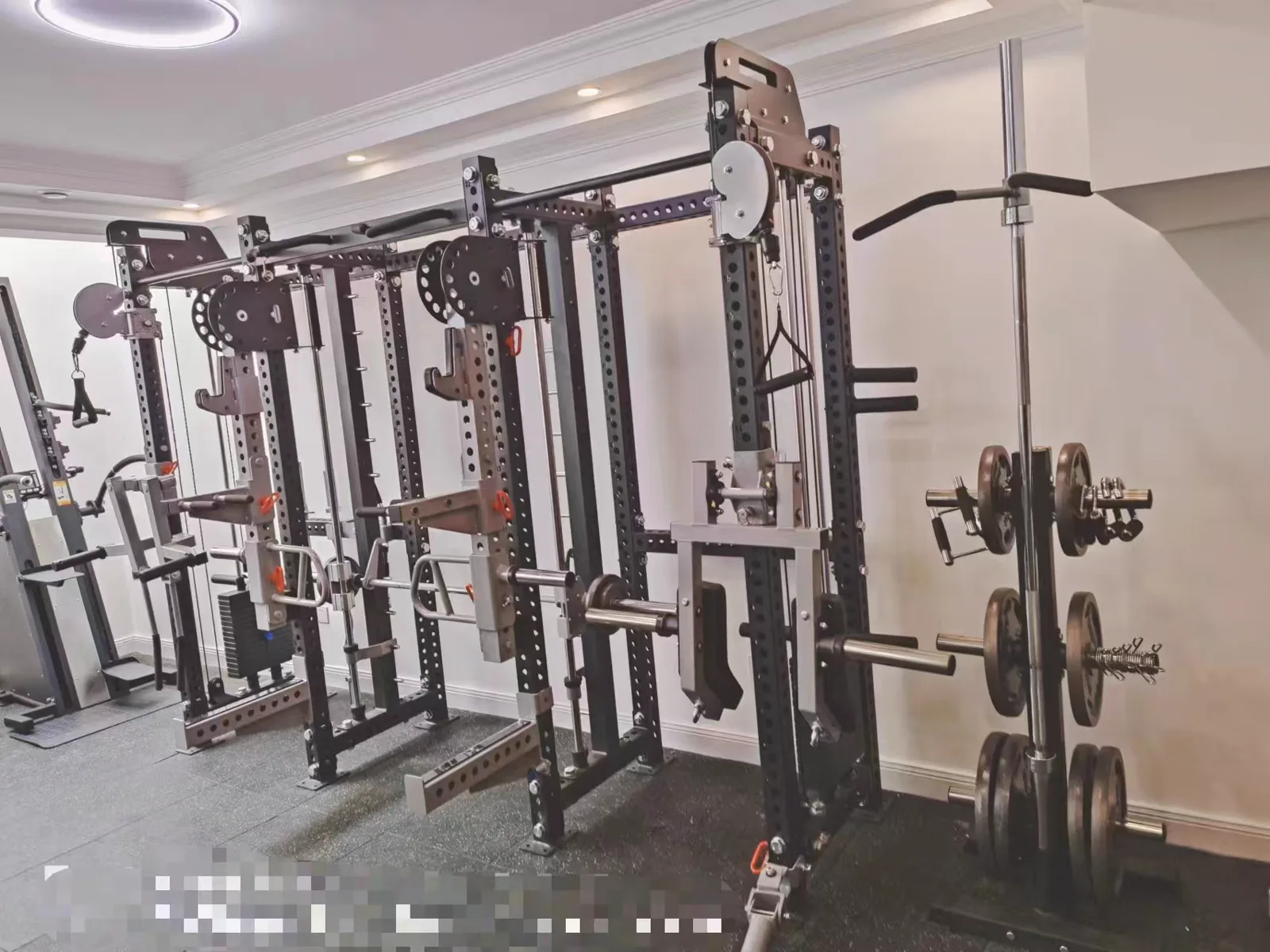
The equipment and commercial path were organized around this buyer model.
Specifications and commercial terms remain tied to order documents.
The main image was provided for this PowerBaseFit customer supply project.
Project requirements
Customer priorities addressed in the supply plan
A fitness brand serving France and Belgium developing one compatible rack, bench, attachment and weight-plate platform for online sales and independent studio projects.
- One repeatable rack interface for current and future attachments
- Distinct private-label identity without compromising compatibility
- Clear product codes and e-commerce packaging for later expansion
Supplied equipment scope
Commercial equipment categories in the project
The project scope presents the principal commercial equipment categories supplied for this application.
- Power racks and half racks
- Commercial benches and modular rack attachments
- Private-label weight plates for complete studio packages
Customer background
A compatible private-label rack platform designed for future product expansion
The customer is a fitness brand serving direct online buyers and independent studio fit-outs in France and Belgium. The 2024 project covered a modular rack, bench, attachment and weight-plate range.
Early prototypes used different hole patterns and pin dimensions. Launching those versions would have created compatibility problems when customers returned for new attachments or when the brand developed its next product release.
The first order therefore needed to establish a repeatable product platform, not simply fill an immediate catalogue gap. The brand wanted a distinctive family that could be reordered, supported and expanded without losing either its identity or attachment compatibility.
Supplier selection
Why PowerBaseFit matched the purchasing requirement
- The engineering discussion began with the rack interface before colors, logos and catalogue presentation.
- Uprights, pins, safeties, storage and attachments could be prototyped and tested together as one platform.
- Rack geometry, hole spacing and attachment fit could be controlled across production batches.
- Product, packaging and online naming decisions could use one short family code and attachment structure.
OEM / private label scope
How the product family was controlled
- Sand-beige uprights established as the private-label range's visual signature
- Black structural members selected for consistent matching on later products
- Laser-cut brand plates integrated into the rack and bench family
- French-language manuals and compatible model references
- Color-coded attachment labels using a short family code and attachment type
- E-commerce cartons protecting painted parts and identifying attachments before opening
Project challenge
Maintain attachment compatibility across different rack heights, wall conditions, studio formats and future product releases while preserving the brand's private-label identity.
PowerBaseFit solution
PowerBaseFit defined the hole spacing, upright dimensions, pin diameter, attachment depth and protected clearance zones as the shared platform interface. Attachments were tested repeatedly on one prototype rig at different upright positions, and future concepts were assigned to the same interface unless the brand deliberately created a separate family. Before artwork printing, both teams also replaced inconsistent attachment names with a short family code plus attachment type, making compatibility clearer in the web shop, manuals and cartons.
Production, QC and packing
Interface-controlled rack production and attachment fit verification
The case combines product-family consistency with practical receiving and after-sales identification.
Upright hole positions and alignment checked before powder coating
Finished power racks and half racks assembled with safeties, J-hooks and storage
Selected attachments repeatedly fitted at different upright positions
Commercial benches checked for stability and adjustment engagement
Weight-plate markings, brand plates, French manuals and attachment labels verified
Attachments counted and packed by type with clear compatible model codes
Delivered project outcome
A modular training system customers could expand with confidence
The brand launched a modular system that allowed studio and online customers to add compatible attachments with greater confidence.
The stable interface shortened development of the second attachment collection and gave the brand a practical platform for future products, service support and repeat private-label orders.
Customer perspective
Feedback recorded for the completed project
The customer valued the early focus on compatibility and the ability to build a long-term product platform around the first launch.
Purchasing controls
Decisions connected to the order record
These checkpoints help a buyer compare a similar project using documented purchasing controls and order-specific proof.
Model-level specifications and quantities recorded in the quotation or purchase order
Customization, labels and required documents assigned to an approval owner
Packing method, package identification and shipment grouping confirmed for the order
Base model, artwork and requested product changes separated and approved
Project delivery path
From customer requirement to order-specific supply
The project scope was organized around the buyer type, equipment application, destination and confirmed order requirements.
Requirement review
The customer application, product direction and destination requirements were organized for equipment selection.
Equipment configuration
Commercial equipment categories were matched to the required training functions and project scope.
Order confirmation
Specifications, quantities, customization, packing and commercial terms were handled through order-specific documents.
Production and shipment evidence
Buyer-required production, checking, packing or loading evidence can be defined for the actual order.
Buyer-verifiable media
Review manufacturing and shipment evidence behind customer supply
These source files document observable workshop and shipment-preparation scenes supplied by PowerBaseFit. They give buyers a visible process reference alongside customer-project photos and order-specific proof.
Frame grinding footage
Observable surface-finishing activity in source footage supplied by PowerBaseFit.
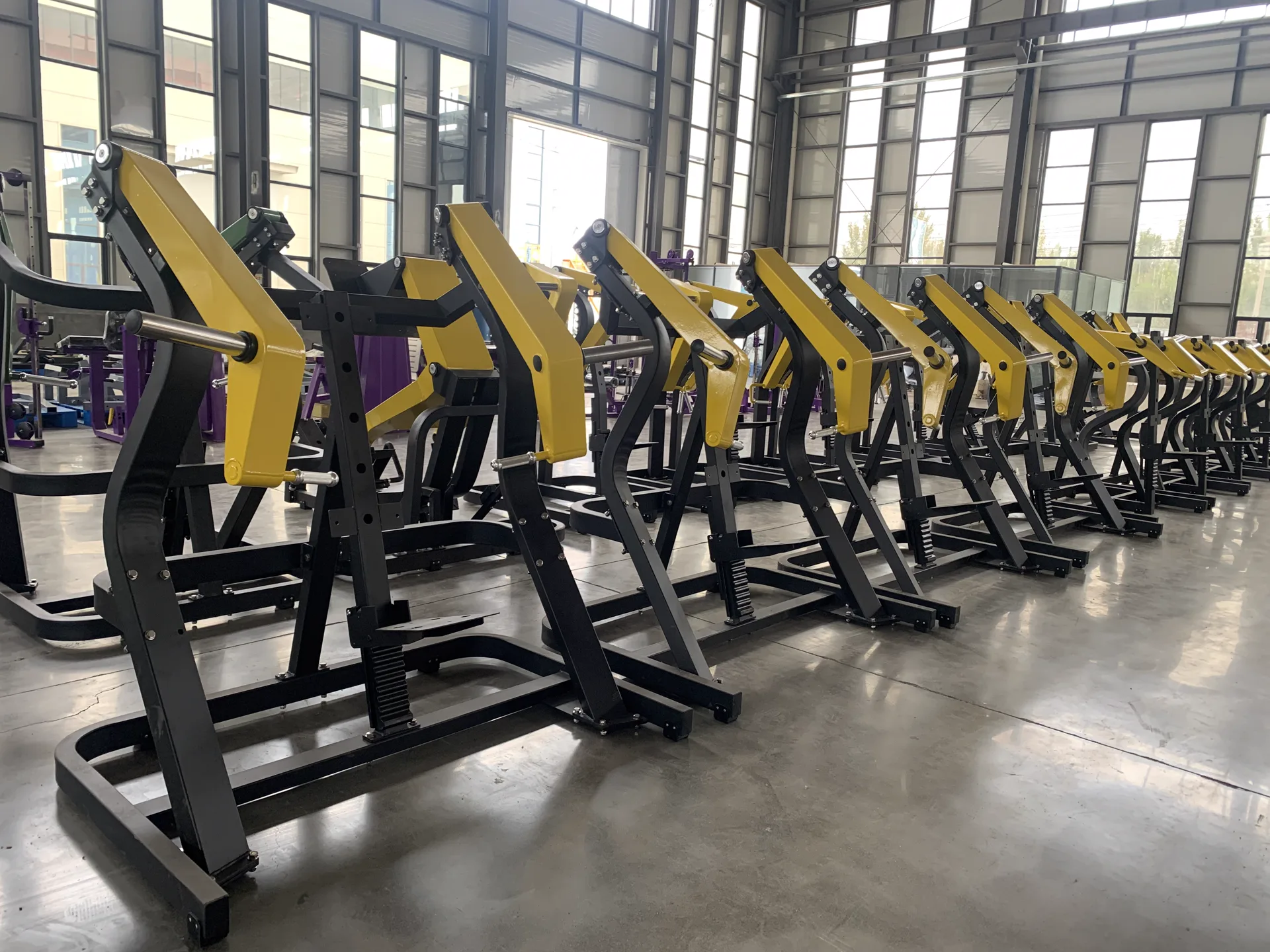
Factory assembly area
A supplied photograph showing commercial fitness equipment during assembly.
Laser cutting footage
Observable metal cutting activity in source footage supplied by PowerBaseFit.
Similar-project RFQ checklist
Details to send for a comparable equipment project
- Destination city or port and preferred trade-term discussion
- Model shortlist, quantity direction and required delivery window
- Required product, labeling and import documentation for the destination market
- Target rack interface, prototype test plan, brand files and future attachment roadmap
Project procurement FAQ
Questions about similar commercial equipment supply
What type of customer was served in this France project?
This commercial fitness equipment supply project was completed for the following customer type: Fitness Brand.
Can PowerBaseFit prepare a similar equipment configuration?
Yes. Share the facility type, floor plan or product shortlist, quantity direction, destination, customization needs and target timeline for an order-specific review.
How are specifications and commercial terms confirmed?
Current model specifications, availability, customization, packing and commercial terms are confirmed in the quotation and purchase-order process.