Market requirements and buyer-requested documents are reviewed for the actual order.
 Discuss a Similar Project
South Korea / Fitness Brand
Commercial Gym Equipment Case Study: Fitness Brand in South Korea
PowerBaseFit supplied commercial fitness equipment for this fitness brand project in South Korea. The confirmed project scope covered Eight compact selectorized machine models, Cable stations and adjustable benches, Private-label gym accessories and Korean-language materials.
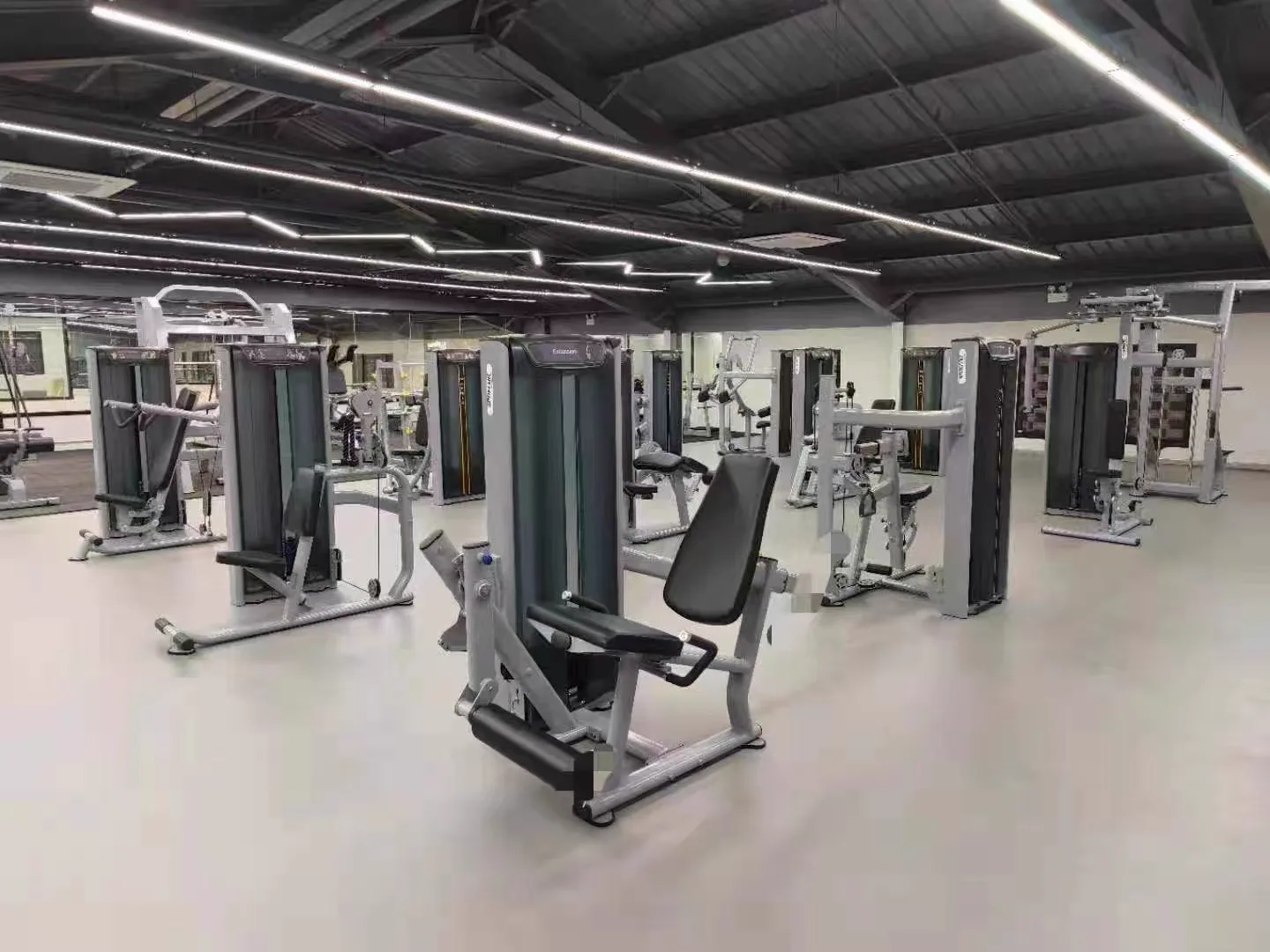
The equipment and commercial path were organized around this buyer model.
Specifications and commercial terms remain tied to order documents.
The main image was provided for this PowerBaseFit customer supply project.
Project requirements
Customer priorities addressed in the supply plan
A South Korean fitness brand developing an eight-model compact selectorized collection for boutique studios, apartment fitness rooms and compact commercial gyms in Seoul and Busan.
- Reduced machine depth without compromising movement or service access
- One distinctive and repeatable private-label product family
- Korean-language product information and compact urban-delivery packaging
Supplied equipment scope
Commercial equipment categories in the project
The project scope presents the principal commercial equipment categories supplied for this application.
- Eight compact selectorized machine models
- Cable stations and adjustable benches
- Private-label gym accessories and Korean-language materials
Customer background
An eight-model compact selectorized line for dense urban training spaces
The customer is a South Korean fitness brand serving boutique studios, apartment fitness rooms and compact commercial gyms in Seoul and Busan. In 2025, the brand developed an eight-model selectorized collection for facilities where every part of the floor plan needed to work efficiently.
Existing imported machines were often too deep for narrow urban sites, while smaller domestic options did not provide the commercial movement, stability and finish the brand wanted. Reducing the footprint could not restrict user entry, exercise paths, weight-stack access or technician clearance.
The project therefore combined product engineering, private-label identity, Korean-language information and compact packaging into one platform that the brand could reorder, support and extend.
Supplier selection
Why PowerBaseFit matched the purchasing requirement
- Proven commercial selectorized platforms could be adapted around the approved target footprints.
- Product and factory teams could review user position, moving geometry and maintenance access together.
- Pearl-gray frames, black pads and cobalt adjustment points could form one recognizable private-label family.
- Korean labels and manuals could be coordinated with the approved product names and adjustment information.
- Prototype findings could be recorded and confirmed before the first production units began.
OEM / private label scope
How the product family was controlled
- Pearl-gray frame finish across the compact selectorized collection
- Black upholstery and cobalt-colored adjustment points
- Korean exercise, adjustment and identification labels
- Private-label manuals and consistent product naming
- Compact cartons designed around approved frame splits
- Brand and package identification coordinated across machines, accessories and shipping groups
Project challenge
Reduce machine depth while protecting natural exercise movement, user entry, weight-stack access and technician service clearance.
PowerBaseFit solution
PowerBaseFit compared the target footprints with pivot positions, seat travel, lever paths and maintenance access. Selected shrouds and feet were shortened while the user position and moving geometry were retained. Prototype reviews included different user heights and both training and technician viewpoints. When a taller test user had less knee clearance at one shroud than the brand expected, the shroud was moved 25 mm without increasing the overall machine depth. A second check confirmed the revised clearance before Korean label artwork was positioned.
Production, QC and packing
Prototype movement, footprint, service-access and Korean artwork checks
The case combines product-family consistency with practical receiving and after-sales identification.
Prototype dimensions and movement recorded before production release
Finished machines assembled for exercise path, adjustment and frame-stability checks
Weight-stack access and technician service clearance reviewed on the compact frames
Pearl-gray finish, black upholstery and cobalt adjustment points checked against approved references
Korean labels, product names and placement checked before packing
Carton splits, hardware and destination identification reconciled for urban delivery and storage
Delivered project outcome
A compact commercial product family ready for repeat orders and range expansion
The brand introduced a compact commercial line suited to dense urban facilities without reducing the equipment to residential construction.
Early studio feedback supported repeat orders and a discussion about complementary lower-body models using the same design language, service approach and manufacturing platform.
Customer perspective
Feedback recorded for the completed project
The customer valued PowerBaseFit's ability to balance compact dimensions with commercial movement and service access.
Purchasing controls
Decisions connected to the order record
These checkpoints help a buyer compare a similar project using documented purchasing controls and order-specific proof.
Model-level specifications and quantities recorded in the quotation or purchase order
Customization, labels and required documents assigned to an approval owner
Packing method, package identification and shipment grouping confirmed for the order
Base model, artwork and requested product changes separated and approved
Project delivery path
From customer requirement to order-specific supply
The project scope was organized around the buyer type, equipment application, destination and confirmed order requirements.
Requirement review
The customer application, product direction and destination requirements were organized for equipment selection.
Equipment configuration
Commercial equipment categories were matched to the required training functions and project scope.
Order confirmation
Specifications, quantities, customization, packing and commercial terms were handled through order-specific documents.
Production and shipment evidence
Buyer-required production, checking, packing or loading evidence can be defined for the actual order.
Buyer-verifiable media
Review manufacturing and shipment evidence behind customer supply
These source files document observable workshop and shipment-preparation scenes supplied by PowerBaseFit. They give buyers a visible process reference alongside customer-project photos and order-specific proof.
Frame grinding footage
Observable surface-finishing activity in source footage supplied by PowerBaseFit.
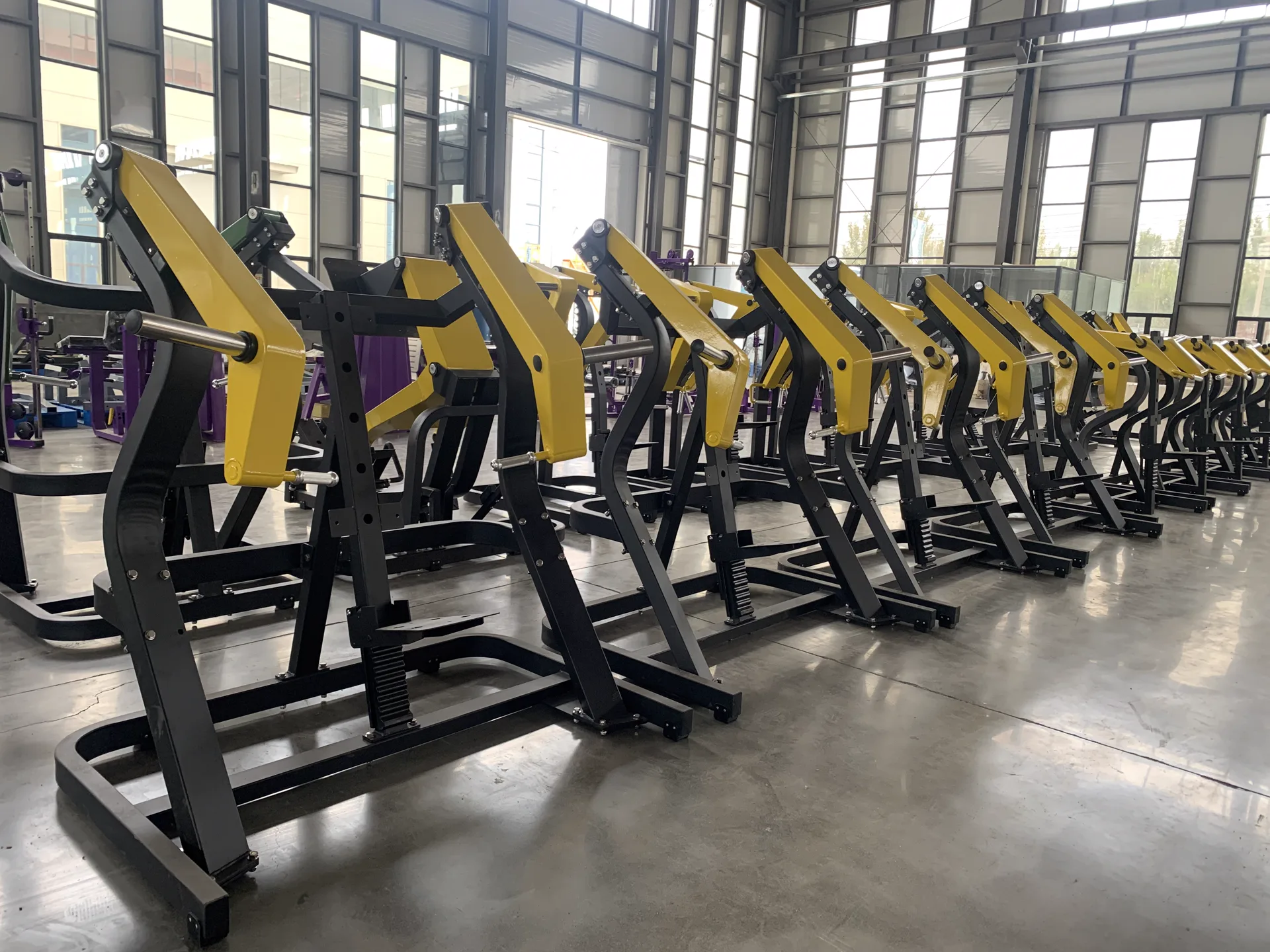
Factory assembly area
A supplied photograph showing commercial fitness equipment during assembly.
Laser cutting footage
Observable metal cutting activity in source footage supplied by PowerBaseFit.
Similar-project RFQ checklist
Details to send for a comparable equipment project
- Destination city or port and preferred trade-term discussion
- Model shortlist, quantity direction and required delivery window
- Required product, labeling and import documentation for the destination market
- Target footprints, user-clearance requirements, brand guide, Korean artwork and prototype approval team
Project procurement FAQ
Questions about similar commercial equipment supply
What type of customer was served in this South Korea project?
This commercial fitness equipment supply project was completed for the following customer type: Fitness Brand.
Can PowerBaseFit prepare a similar equipment configuration?
Yes. Share the facility type, floor plan or product shortlist, quantity direction, destination, customization needs and target timeline for an order-specific review.
How are specifications and commercial terms confirmed?
Current model specifications, availability, customization, packing and commercial terms are confirmed in the quotation and purchase-order process.