Market requirements and buyer-requested documents are reviewed for the actual order.
 Discuss a Similar Project
Netherlands / Distributor
Commercial Gym Equipment Case Study: Distributor in the Netherlands
PowerBaseFit supplied commercial fitness equipment for this distributor project in Netherlands. The confirmed project scope covered Selectorized machines and functional trainers, Power racks and commercial benches, Dealer accessories organized for mixed-container replenishment.
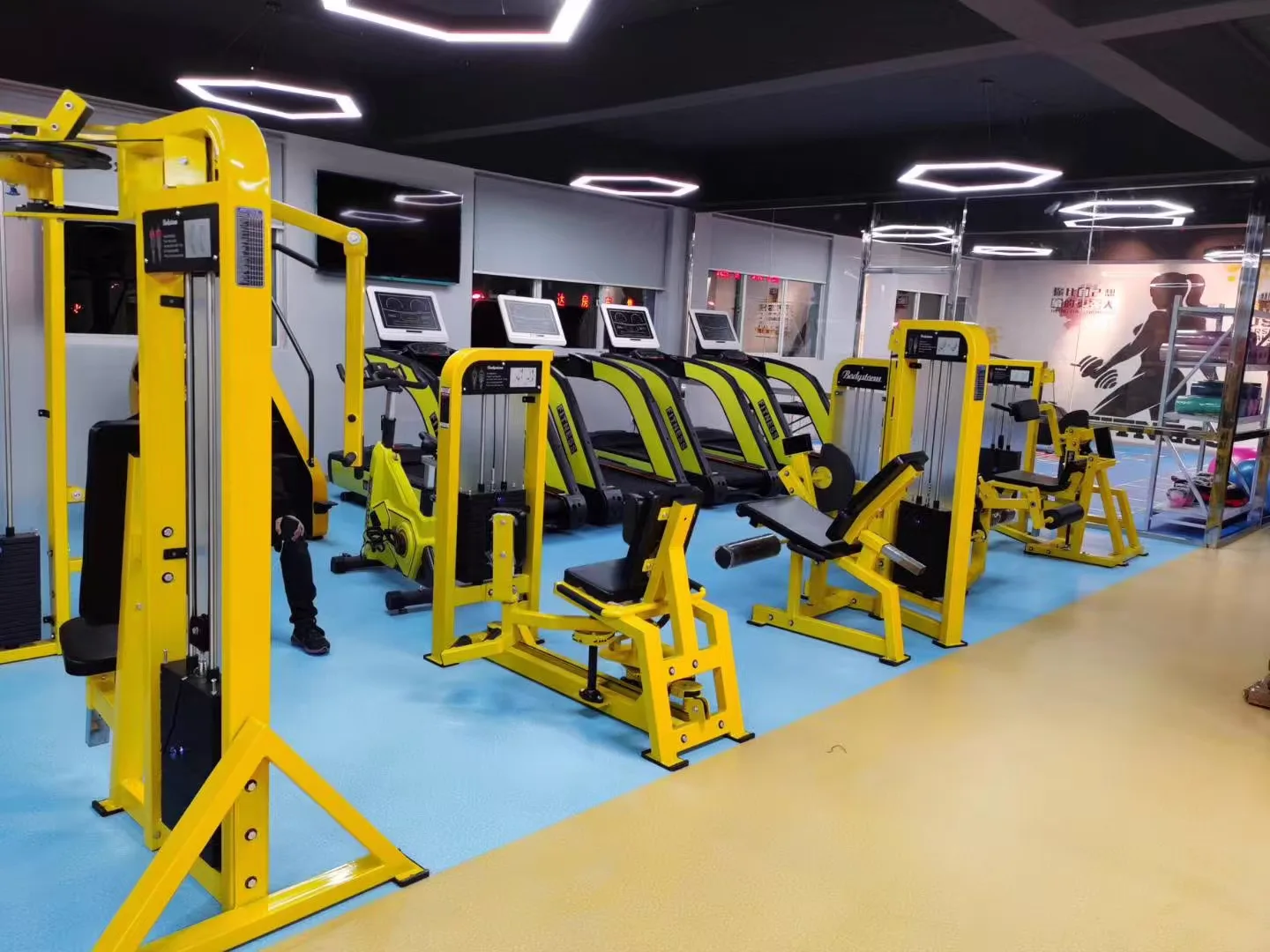
The equipment and commercial path were organized around this buyer model.
Specifications and commercial terms remain tied to order documents.
The main image was provided for this PowerBaseFit customer supply project.
Project requirements
Customer priorities addressed in the supply plan
A distributor serving gym installers, workplace projects and independent clubs in the Netherlands and Belgium through planned mixed containers and rolling replenishment.
- Actual packed dimensions for container planning and warehouse slotting
- Stable stacking and an unloading order aligned with receiving equipment
- Consistent carton references and dealer codes across a broad commercial range
Supplied equipment scope
Commercial equipment categories in the project
The project scope presents the principal commercial equipment categories supplied for this application.
- Selectorized machines and functional trainers
- Power racks and commercial benches
- Dealer accessories organized for mixed-container replenishment
Customer background
A planned mixed-container range for Benelux dealer and project sales
The customer is a fitness equipment distributor serving gym installers, workplace projects and independent clubs in the Netherlands and Belgium. Its 2024 project established a broad Benelux commercial range supplied through planned mixed containers and rolling replenishment.
The distributor carried a broad catalogue but had experienced unreliable packed dimensions from previous vendors. Unexpected carton sizes reduced container utilization, complicated warehouse slotting and sometimes required temporary overflow storage.
The opening order therefore had to support both product sales and logistics control. A coordinated range would help dealers quote complete facilities, while dependable carton data would help the warehouse plan receiving, storage and later call-off orders.
Supplier selection
Why PowerBaseFit matched the purchasing requirement
- Completed production packs could be measured before the first container booking.
- Selectorized machines, functional trainers, racks, benches and accessories could follow one mixed-container plan.
- Carton references and dealer codes could remain consistent from factory packing through warehouse receiving.
- Stacking limits and unloading order could be reviewed against the distributor's local handling equipment.
- Rolling forecasts and call-off orders could be built around the products moving through the dealer network.
OEM / private label scope
How the product family was controlled
- Dark-gray equipment frames with coordinated teal accents
- Dutch-English product manuals
- Distributor identification plates on the agreed product range
- Standardized carton labels showing model and package number
- Carton dimensions, weight and handling orientation recorded on logistics labels
- Parts cartons and accessory pallets aligned with the distributor's warehouse dealer codes
Project challenge
Improve container utilization without creating unsafe stacks or an unloading sequence that blocked warehouse handling.
PowerBaseFit solution
PowerBaseFit measured completed packs, recorded stacking limits and built the loading plan around the distributor's receiving equipment. Large machines formed the stable base, compatible benches and racks were nested, and accessory cartons used accessible protected areas. After the distributor specified a maximum pallet height, two accessory pallets were split and one bench stack was lowered to fit the receiving racks. The container map also identified which items needed to leave first.
Production, QC and packing
Actual pack measurement, stacking and unloading-sequence controls
The case combines product-family consistency with practical receiving and after-sales identification.
Finished equipment checked for function, appearance, identification and packing protection
Completed carton dimensions checked again during production packing
Stacking limits recorded for machine, bench, rack and accessory packs
Carton labels checked for model, package number, dimensions, weight and orientation
Parts cartons and accessory pallets matched to the distributor's dealer codes
Final loading and pack lists arranged around the agreed warehouse unloading sequence
Delivered project outcome
More predictable container planning and warehouse receiving
The distributor improved inbound warehouse planning and reduced unexpected storage volume because carton information reflected the actual packed products.
Reliable logistics data made dealer freight quotations faster, while rolling forecasts replaced several urgent top-up orders and gave both teams a clearer reference for replenishment and future catalogue additions.
Customer perspective
Feedback recorded for the completed project
The customer appreciated receiving logistics data that matched the actual packed products and warehouse handling needs.
Purchasing controls
Decisions connected to the order record
These checkpoints help a buyer compare a similar project using documented purchasing controls and order-specific proof.
Model-level specifications and quantities recorded in the quotation or purchase order
Customization, labels and required documents assigned to an approval owner
Packing method, package identification and shipment grouping confirmed for the order
Warehouse receiving, spare-part references and repeat-order identification reviewed
Project delivery path
From customer requirement to order-specific supply
The project scope was organized around the buyer type, equipment application, destination and confirmed order requirements.
Requirement review
The customer application, product direction and destination requirements were organized for equipment selection.
Equipment configuration
Commercial equipment categories were matched to the required training functions and project scope.
Order confirmation
Specifications, quantities, customization, packing and commercial terms were handled through order-specific documents.
Production and shipment evidence
Buyer-required production, checking, packing or loading evidence can be defined for the actual order.
Buyer-verifiable media
Review manufacturing and shipment evidence behind customer supply
These source files document observable workshop and shipment-preparation scenes supplied by PowerBaseFit. They give buyers a visible process reference alongside customer-project photos and order-specific proof.
Frame grinding footage
Observable surface-finishing activity in source footage supplied by PowerBaseFit.
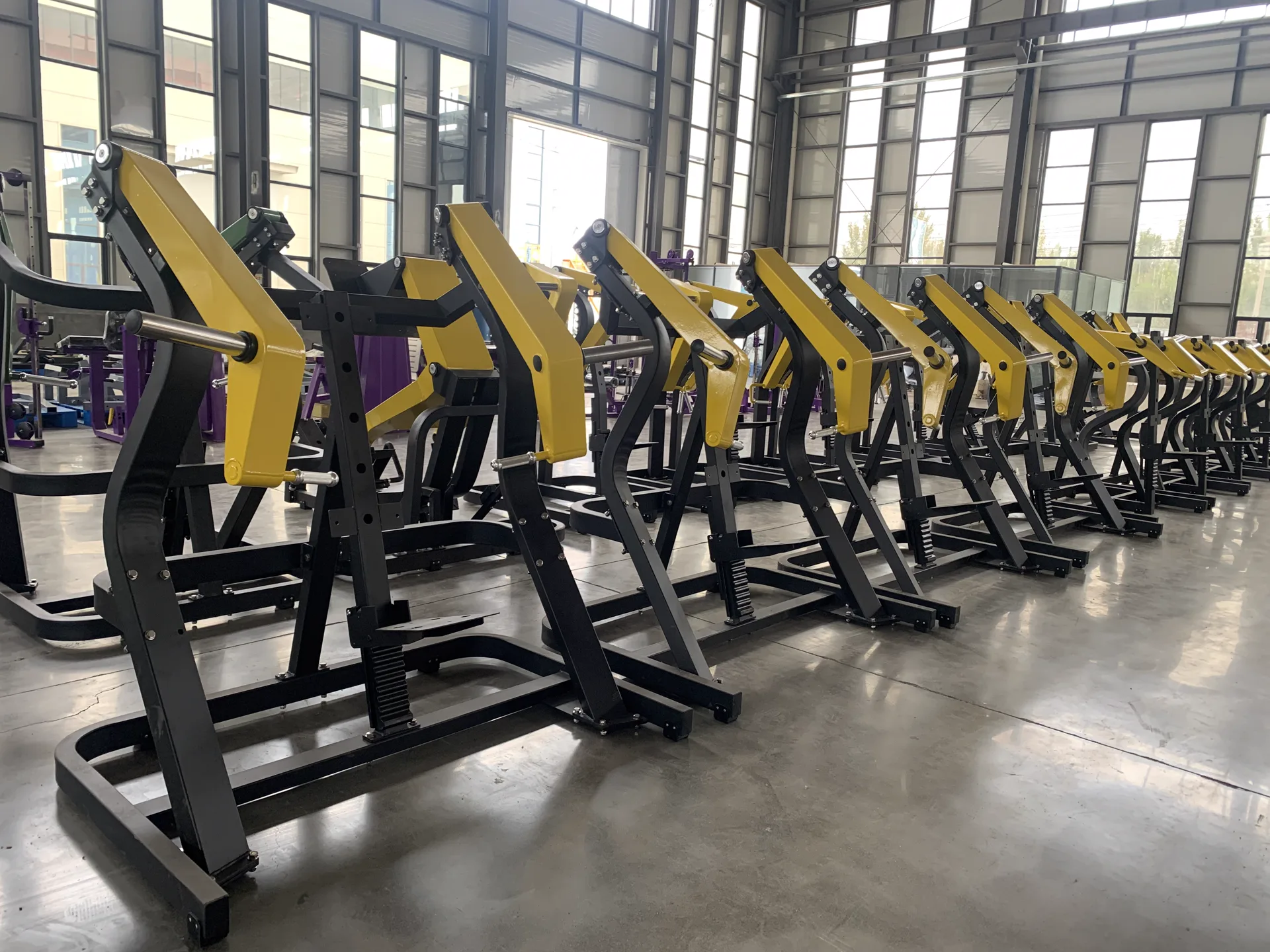
Factory assembly area
A supplied photograph showing commercial fitness equipment during assembly.
Laser cutting footage
Observable metal cutting activity in source footage supplied by PowerBaseFit.
Similar-project RFQ checklist
Details to send for a comparable equipment project
- Destination city or port and preferred trade-term discussion
- Model shortlist, quantity direction and required delivery window
- Required product, labeling and import documentation for the destination market
- Target markets, warehouse pallet limits, receiving equipment, dealer codes, call-off forecast and unloading sequence
Project procurement FAQ
Questions about similar commercial equipment supply
What type of customer was served in this Netherlands project?
This commercial fitness equipment supply project was completed for the following customer type: Distributor.
Can PowerBaseFit prepare a similar equipment configuration?
Yes. Share the facility type, floor plan or product shortlist, quantity direction, destination, customization needs and target timeline for an order-specific review.
How are specifications and commercial terms confirmed?
Current model specifications, availability, customization, packing and commercial terms are confirmed in the quotation and purchase-order process.