Market requirements and buyer-requested documents are reviewed for the actual order.
 Discuss a Similar Project
Poland / Gym Chain
Commercial Gym Equipment Case Study: Gym Chain in Poland
PowerBaseFit supplied commercial fitness equipment for this gym chain project in Poland. The confirmed project scope covered Selectorized and plate-loaded machines, Power racks and commercial benches, Dumbbell sets and weight plates allocated by club.
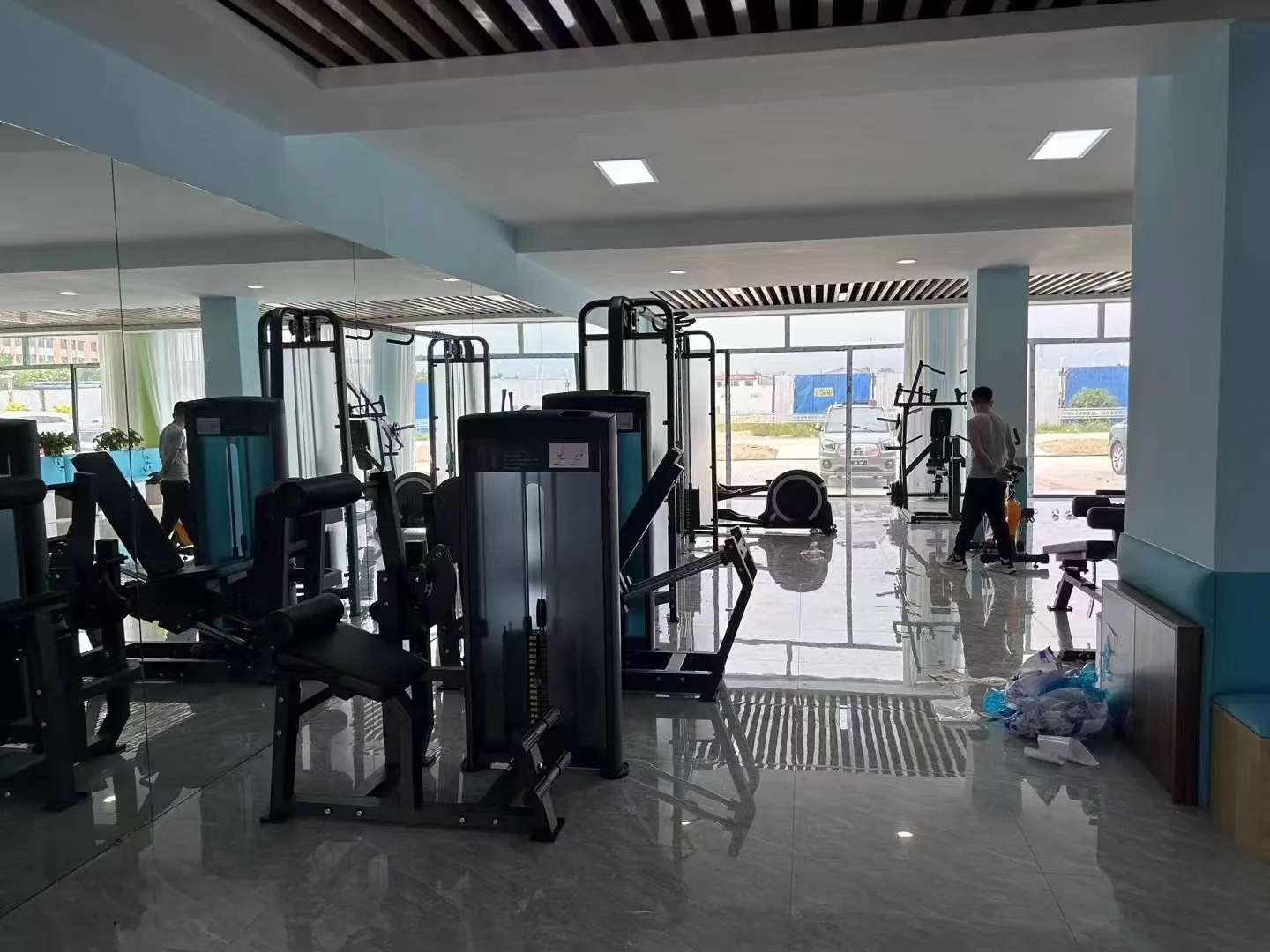
The equipment and commercial path were organized around this buyer model.
Specifications and commercial terms remain tied to order documents.
The main image was provided for this PowerBaseFit customer supply project.
Project requirements
Customer priorities addressed in the supply plan
An affordable-membership gym chain opening four 900–1,200 m² clubs in secondary Polish cities through three production and delivery batches.
- One equipment and finish standard across all four clubs
- Site-specific packing aligned with changing construction handovers
- Avoid storage and site damage by releasing equipment only when buildings were ready
Supplied equipment scope
Commercial equipment categories in the project
The project scope presents the principal commercial equipment categories supplied for this application.
- Selectorized and plate-loaded machines
- Power racks and commercial benches
- Dumbbell sets and weight plates allocated by club
Customer background
Four value-focused clubs opened through three coordinated equipment batches
The customer is an affordable-membership gym chain opening four 900–1,200 m² clubs in secondary Polish cities. The 2024 project used three planned production and delivery batches because the four construction schedules did not finish at the same time.
Receiving the full equipment order together would have created storage costs and exposed finished products to building dust and site damage. At the same time, the operator needed the same equipment identity, movement and maintenance logic at every club.
The project therefore combined one shared commercial specification with separate site lists and release dates. Familiar layouts, finishes and training stations would connect the new clubs and help coaches, operations staff and maintenance teams work consistently across locations.
Supplier selection
Why PowerBaseFit matched the purchasing requirement
- One shared product and finish specification could be reserved across three production batches.
- Each club list could remain separate while production releases followed actual construction readiness.
- Selectorized, plate-loaded, rack, bench and free-weight categories could be coordinated as one repeatable club concept.
- Polish labels, asset numbers and batch-and-site carton marks could follow the operator's local workflow.
- Shared spare kits and common model references could support maintenance teams across all four clubs.
OEM / private label scope
How the product family was controlled
- Black equipment frames applied consistently across all three batches
- Red adjustment points retained as the shared user-identification detail
- Polish product labels on the agreed commercial equipment
- Club-specific asset numbers tied to each site allocation
- Batch and site codes applied to cartons and pallet lists
- Common model references used for shared high-use spare parts
Project challenge
Keep finishes, components and product identity consistent across phased production while building completion dates continued to move.
PowerBaseFit solution
PowerBaseFit fixed the shared equipment list and retained finish and component references for all three batches. Site quantities were separated, while common frames, pads, adjustments and labels remained under one specification. When a landlord moved one club's handover date after the first batch had entered production, that site was shifted into the second batch. The black-and-red components remained reserved, preventing finished equipment from being stored in an unfinished building or mixed with another club's cartons.
Production, QC and packing
Repeated first-unit checks and site-separated packing across every batch
The case combines product-family consistency with practical receiving and after-sales identification.
The same first-unit finish and movement checks repeated for every production batch
Adjustments, upholstery, labels and included hardware checked against the shared specification
Black frames and red adjustment components compared with retained references
Polish labels and club asset numbers checked against each site list
Completed club groups packed and loaded separately using batch and site codes
Shared high-use spare items assigned to the first opening with later site kits packed in subsequent batches
Delivered project outcome
One recognizable club standard delivered in construction-ready stages
Four clubs opened in sequence with the same equipment identity, while the operator avoided holding the complete inventory before the buildings were ready.
Maintenance and operations teams could share product knowledge across locations, and the completed package became a repeatable equipment reference for future lease evaluations, sites and refurbishments.
Customer perspective
Feedback recorded for the completed project
The customer appreciated the flexible phased delivery and consistent equipment specification across every club.
Purchasing controls
Decisions connected to the order record
These checkpoints help a buyer compare a similar project using documented purchasing controls and order-specific proof.
Model-level specifications and quantities recorded in the quotation or purchase order
Customization, labels and required documents assigned to an approval owner
Packing method, package identification and shipment grouping confirmed for the order
Floor plan, site access and delivery milestone reviewed with the project requirements
Project delivery path
From customer requirement to order-specific supply
The project scope was organized around the buyer type, equipment application, destination and confirmed order requirements.
Requirement review
The customer application, product direction and destination requirements were organized for equipment selection.
Equipment configuration
Commercial equipment categories were matched to the required training functions and project scope.
Order confirmation
Specifications, quantities, customization, packing and commercial terms were handled through order-specific documents.
Production and shipment evidence
Buyer-required production, checking, packing or loading evidence can be defined for the actual order.
Buyer-verifiable media
Review manufacturing and shipment evidence behind customer supply
These source files document observable workshop and shipment-preparation scenes supplied by PowerBaseFit. They give buyers a visible process reference alongside customer-project photos and order-specific proof.
Frame grinding footage
Observable surface-finishing activity in source footage supplied by PowerBaseFit.
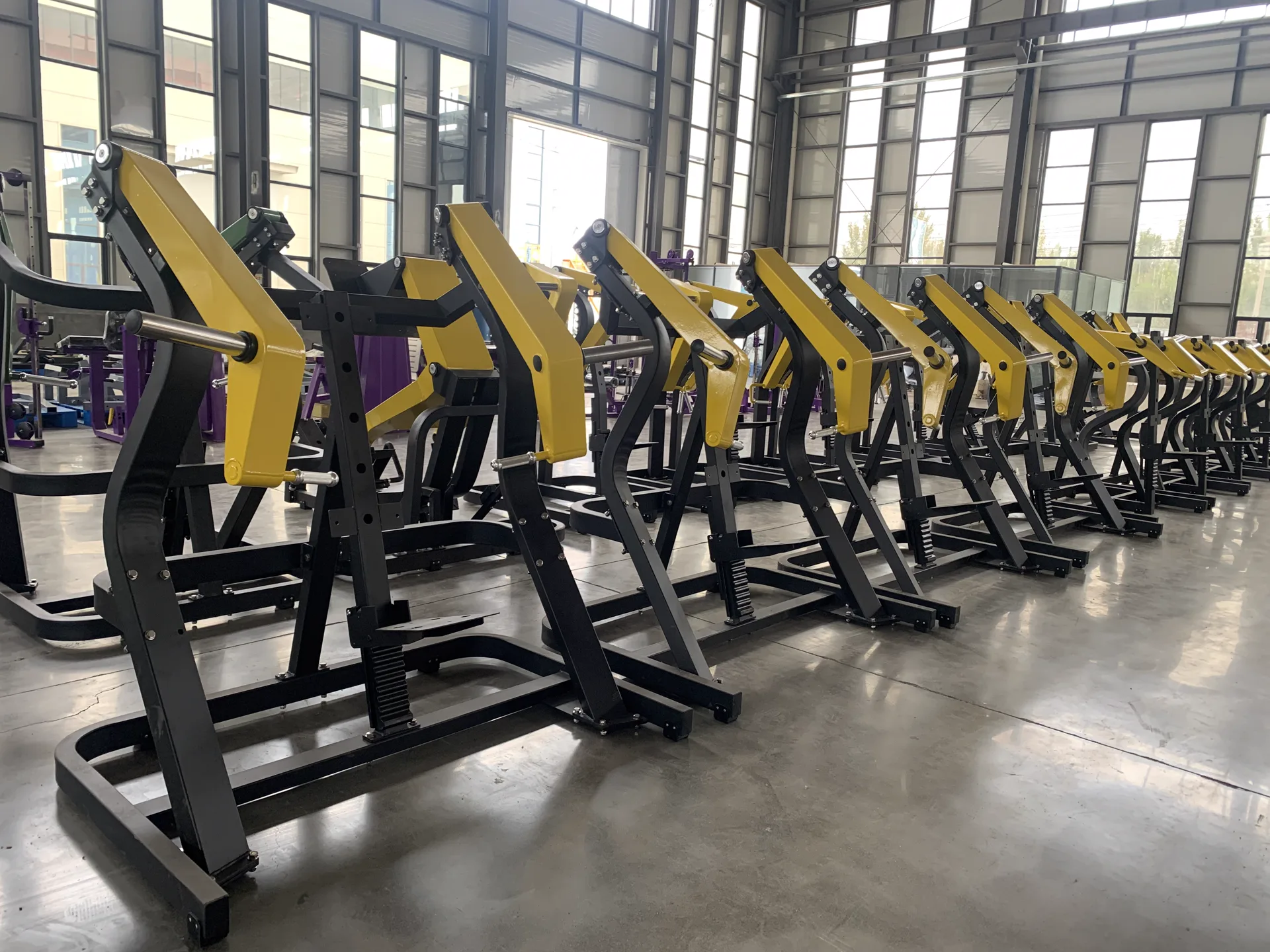
Factory assembly area
A supplied photograph showing commercial fitness equipment during assembly.
Laser cutting footage
Observable metal cutting activity in source footage supplied by PowerBaseFit.
Similar-project RFQ checklist
Details to send for a comparable equipment project
- Destination city or port and preferred trade-term discussion
- Model shortlist, quantity direction and required delivery window
- Required product, labeling and import documentation for the destination market
- Club floor plans, site quantities, finish standard, construction handovers, batch sequence and asset-number format
Project procurement FAQ
Questions about similar commercial equipment supply
What type of customer was served in this Poland project?
This commercial fitness equipment supply project was completed for the following customer type: Gym Chain.
Can PowerBaseFit prepare a similar equipment configuration?
Yes. Share the facility type, floor plan or product shortlist, quantity direction, destination, customization needs and target timeline for an order-specific review.
How are specifications and commercial terms confirmed?
Current model specifications, availability, customization, packing and commercial terms are confirmed in the quotation and purchase-order process.