Market requirements and buyer-requested documents are reviewed for the actual order.
 Discuss a Similar Project
United States / Importer
Commercial Gym Equipment Case Study: Importer in the United States
PowerBaseFit supplied commercial fitness equipment for this importer project in United States. The confirmed project scope covered Commercial strength machines, Functional racks and cable stations, Accessories selected around the core machine list.
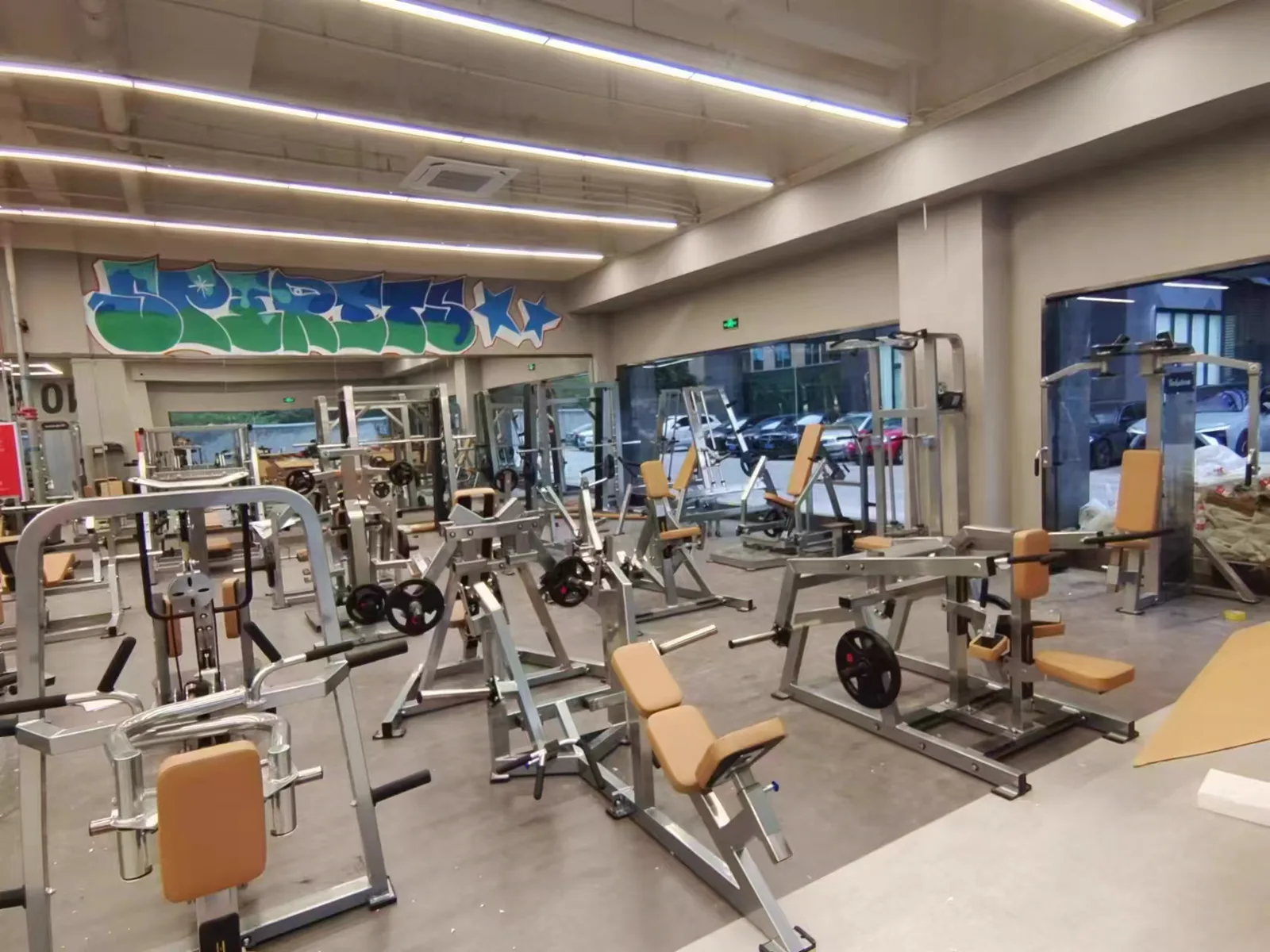
The equipment and commercial path were organized around this buyer model.
Specifications and commercial terms remain tied to order documents.
The main image was provided for this PowerBaseFit customer supply project.
Project requirements
Customer priorities addressed in the supply plan
An importer building an initial mixed-category shipment while controlling duplicated functions and freight complexity.
- Category balance instead of isolated best sellers
- Pack-size and loading information confirmed per order
- Spare parts and after-sales communication route
Supplied equipment scope
Commercial equipment categories in the project
The project scope presents the principal commercial equipment categories supplied for this application.
- Commercial strength machines
- Functional racks and cable stations
- Accessories selected around the core machine list
Customer background
Why the importer needed a controlled mixed-SKU launch range
The customer is a US fitness equipment importer supplying retail, B2B and smaller commercial dealer channels. The opening requirement needed enough category depth to support credible product and project conversations without concentrating inventory in a narrow group of untested models.
The sourcing task connected commercial equipment selection with warehouse space, package identification and resale requirements. Selectorized machines, racks, benches, dumbbells and accessories needed different packing approaches while still presenting one controlled private-label range.
Supplier selection
Why PowerBaseFit matched the purchasing requirement
- The main strength and accessory categories could be reviewed as one mixed-SKU import program.
- Product selection could be connected to packed volume, warehouse receiving and channel requirements before order confirmation.
- Private-label details could cover equipment, hardware packs, importer labels, retail cartons and assembly guides.
- Order-specific packing and loading evidence could be defined alongside the product and commercial documents.
OEM / private label scope
How the product family was controlled
- A coordinated private-label appearance across machines, racks, benches and supporting products
- Consistent badge positions, importer labels and model identification
- Defined barcode areas and consumer-facing information for retail accessory cartons
- Hardware packs connected to product model codes
- English assembly guides using the buyer's approved product naming
Project challenge
Build a commercially useful mixed-SKU assortment while controlling packed volume, warehouse receiving and inventory concentration by model.
PowerBaseFit solution
PowerBaseFit organized the loading review around the packed form of the selected products. Compatible rack and bench components were grouped efficiently, accessory cartons were assigned protected positions, and upholstered parts were separated from concentrated loads. Package identity and shipment grouping were linked to the packing information so the receiving team could plan unloading and inventory handling.
Production, QC and packing
Checks connected to the mixed-SKU import order
The case combines product-family consistency with practical receiving and after-sales identification.
First-unit function and appearance review before continuing the production balance
Rack stability, cable movement, adjustments, upholstery, finish and branding checks
Accessory quantities, barcode areas, model labels and hardware-pack identification
Packing protection for painted structures, upholstery, hardware and destination marks
Shipment grouping and loading references aligned with warehouse receiving needs
Delivered project outcome
A private-label supply and packing reference for importer operations
PowerBaseFit supplied a mixed-category private-label range with equipment, accessory, document and package identification handled as one importer program.
The completed supply provides a clear product and packing reference for later model reviews, warehouse receiving, service-parts questions and repeat purchasing discussions.
Purchasing controls
Decisions connected to the order record
These checkpoints help a buyer compare a similar project using documented purchasing controls and order-specific proof.
Model-level specifications and quantities recorded in the quotation or purchase order
Customization, labels and required documents assigned to an approval owner
Packing method, package identification and shipment grouping confirmed for the order
Warehouse receiving, spare-part references and repeat-order identification reviewed
Project delivery path
From customer requirement to order-specific supply
The project scope was organized around the buyer type, equipment application, destination and confirmed order requirements.
Requirement review
The customer application, product direction and destination requirements were organized for equipment selection.
Equipment configuration
Commercial equipment categories were matched to the required training functions and project scope.
Order confirmation
Specifications, quantities, customization, packing and commercial terms were handled through order-specific documents.
Production and shipment evidence
Buyer-required production, checking, packing or loading evidence can be defined for the actual order.
Buyer-verifiable media
Review manufacturing and shipment evidence behind customer supply
These source files document observable workshop and shipment-preparation scenes supplied by PowerBaseFit. They give buyers a visible process reference alongside customer-project photos and order-specific proof.
Frame grinding footage
Observable surface-finishing activity in source footage supplied by PowerBaseFit.
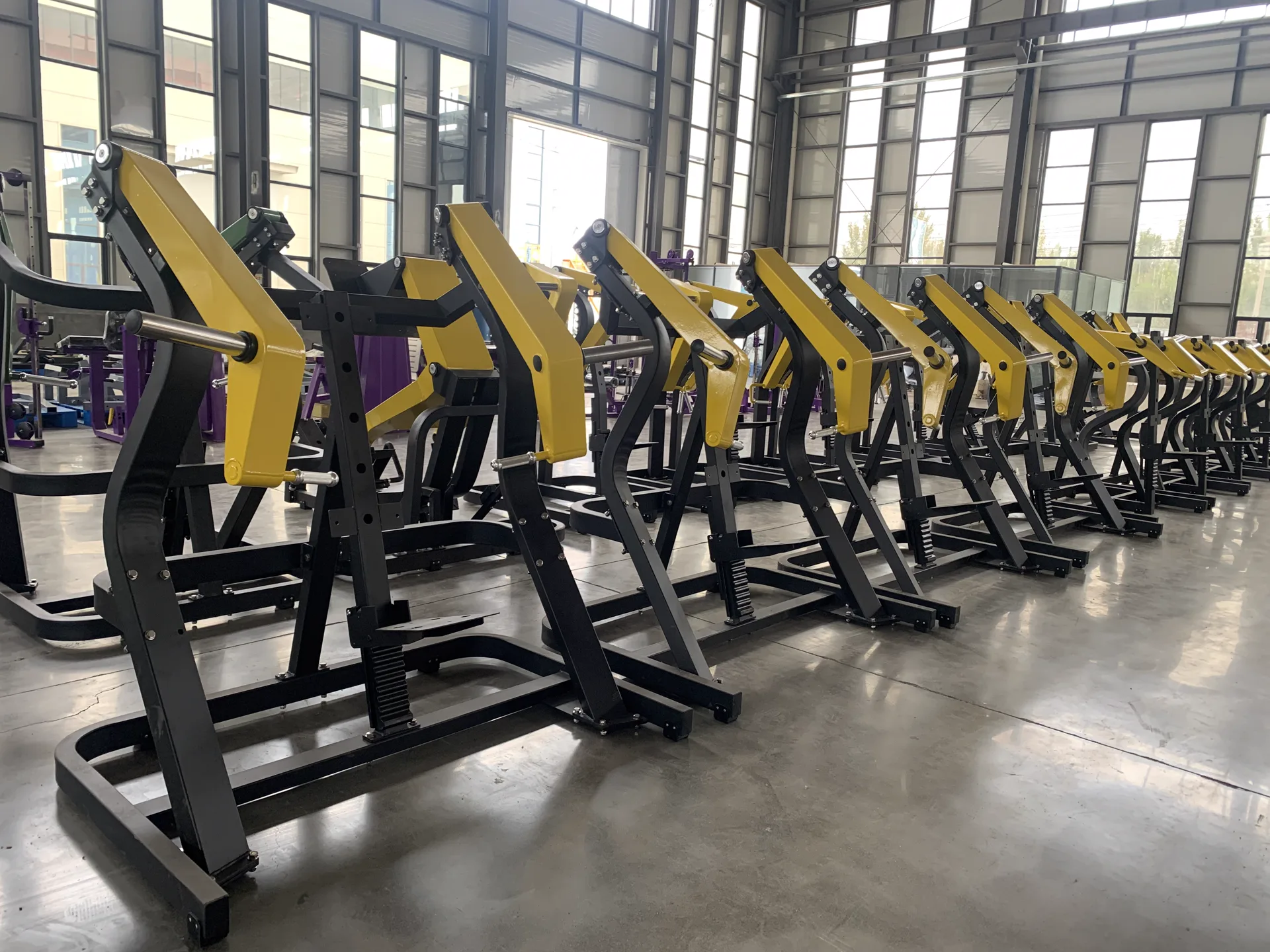
Factory assembly area
A supplied photograph showing commercial fitness equipment during assembly.
Laser cutting footage
Observable metal cutting activity in source footage supplied by PowerBaseFit.
Similar-project RFQ checklist
Details to send for a comparable equipment project
- Destination city or port and preferred trade-term discussion
- Model shortlist, quantity direction and required delivery window
- Required product, labeling and import documentation for the destination market
- Target container utilization and category budget
Project procurement FAQ
Questions about similar commercial equipment supply
What type of customer was served in this United States project?
This commercial fitness equipment supply project was completed for the following customer type: Importer.
Can PowerBaseFit prepare a similar equipment configuration?
Yes. Share the facility type, floor plan or product shortlist, quantity direction, destination, customization needs and target timeline for an order-specific review.
How are specifications and commercial terms confirmed?
Current model specifications, availability, customization, packing and commercial terms are confirmed in the quotation and purchase-order process.