Market requirements and buyer-requested documents are reviewed for the actual order.
 Discuss a Similar Project
United States / Fitness Brand
Commercial Gym Equipment Case Study: Fitness Brand in the United States
PowerBaseFit supplied commercial fitness equipment for this fitness brand project in United States. The confirmed project scope covered Twelve plate-loaded machine models, Olympic benches and weight plate trees, Branded hardware packs, manuals and gym accessories.
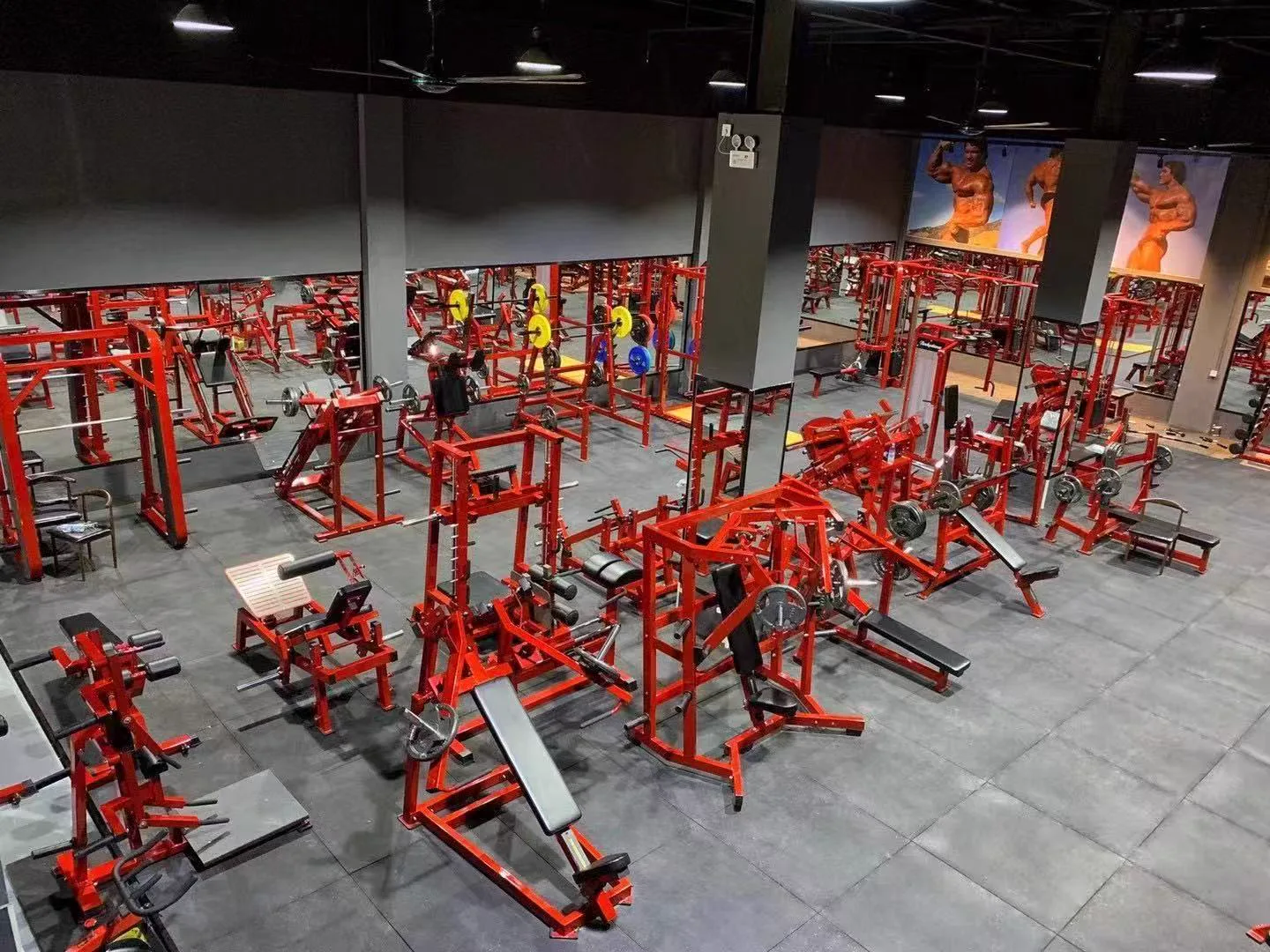
The equipment and commercial path were organized around this buyer model.
Specifications and commercial terms remain tied to order documents.
The main image was provided for this PowerBaseFit customer supply project.
Project requirements
Customer priorities addressed in the supply plan
A US fitness brand developing and launching its first proprietary 12-model plate-loaded strength collection.
- Distinctive geometry with practical component standardization
- Prototype feedback connected to engineering revisions
- Repeatable branding, production and service-parts control
Supplied equipment scope
Commercial equipment categories in the project
The project scope presents the principal commercial equipment categories supplied for this application.
- Twelve plate-loaded machine models
- Olympic benches and weight plate trees
- Branded hardware packs, manuals and gym accessories
Customer background
From a strong visual concept to a manufacturable 12-model strength collection
The customer is a US fitness brand serving direct-to-gym buyers, specialist strength studios and performance facilities. The brand had built a following around free-weight training and wanted to launch its first proprietary machine collection.
The initial sketches established a strong visual identity, but pivot locations, service access, shared components and shipping splits still required engineering development. A catalogue rebadge would not support the brand position, while a completely unique component set for every model would make production, repeat orders and after-sales service unnecessarily complex.
The project therefore combined ODM engineering with private-label manufacturing. The objective was to protect the visible product identity while creating a platform that could be produced consistently, supported with identifiable wear parts and expanded into later releases.
Supplier selection
Why PowerBaseFit matched the purchasing requirement
- PowerBaseFit treated the equipment as one product family rather than twelve unrelated machines.
- Engineers reviewed common pivots, handles, loading horns, pad construction and adjustment parts while protecting the design features important to the brand.
- Brand, product and factory viewpoints could be reviewed together during prototype and production decisions.
- Manufacturing, packing, manuals and service-parts identification could follow the same approved product and brand structure.
OEM / private label scope
How the product family was controlled
- Sand-textured black frames with bronze adjustment details
- Custom shroud forms, stitched upholstery panels and laser-cut badges
- Branded hardware packs and illustrated assembly manuals
- Customer model names applied consistently across equipment, packaging and parts pages
- Visible replaceable brand components combined with shared structural and service parts where practical
Project challenge
Preserve distinctive machine geometry while reducing unnecessary part variation and keeping the range practical to manufacture, ship and service.
PowerBaseFit solution
Engineering reviewed every concept as part of the complete 12-model family. Handles, pivots, feet, pad constructions and loading components were shared where this did not compromise the product identity. Weld access was corrected before prototyping, and service panels were added where future wear-part access was required. When the test group found the shoulder-press handles too wide for smaller users, the grip position was moved inward by 20 mm and the movement review was repeated before the model was released.
Production, QC and packing
Prototype, production and QC controls for the plate-loaded family
The case combines product-family consistency with practical receiving and after-sales identification.
Prototype review covering user position, movement, loading and adjustment reach
Jigs and approved reference samples used to support repeatable frame production
Stability, strength-curve behavior, pivot alignment and adjustment security checks
Pad geometry, upholstery, weld appearance, finish and branding inspection
Complete assembly and movement exercise for each finished model
Model-specific hardware, manuals, protection and package identification review
Delivered project outcome
A distinctive product collection with a manageable service-parts structure
The brand launched a genuine proprietary collection with a consistent visual identity and a manageable service-parts structure.
Feedback from early installations informed focused pad and handle updates for the second order. The cooperation continued into discussions for additional lower-body and compact-studio models using the same design and service logic.
Customer perspective
Feedback recorded for the completed project
The customer valued PowerBaseFit's engineering input and the ability to protect the brand identity while making the range practical for production and service.
Purchasing controls
Decisions connected to the order record
These checkpoints help a buyer compare a similar project using documented purchasing controls and order-specific proof.
Model-level specifications and quantities recorded in the quotation or purchase order
Customization, labels and required documents assigned to an approval owner
Packing method, package identification and shipment grouping confirmed for the order
Base model, artwork and requested product changes separated and approved
Project delivery path
From customer requirement to order-specific supply
The project scope was organized around the buyer type, equipment application, destination and confirmed order requirements.
Requirement review
The customer application, product direction and destination requirements were organized for equipment selection.
Equipment configuration
Commercial equipment categories were matched to the required training functions and project scope.
Order confirmation
Specifications, quantities, customization, packing and commercial terms were handled through order-specific documents.
Production and shipment evidence
Buyer-required production, checking, packing or loading evidence can be defined for the actual order.
Buyer-verifiable media
Review manufacturing and shipment evidence behind customer supply
These source files document observable workshop and shipment-preparation scenes supplied by PowerBaseFit. They give buyers a visible process reference alongside customer-project photos and order-specific proof.
Frame grinding footage
Observable surface-finishing activity in source footage supplied by PowerBaseFit.
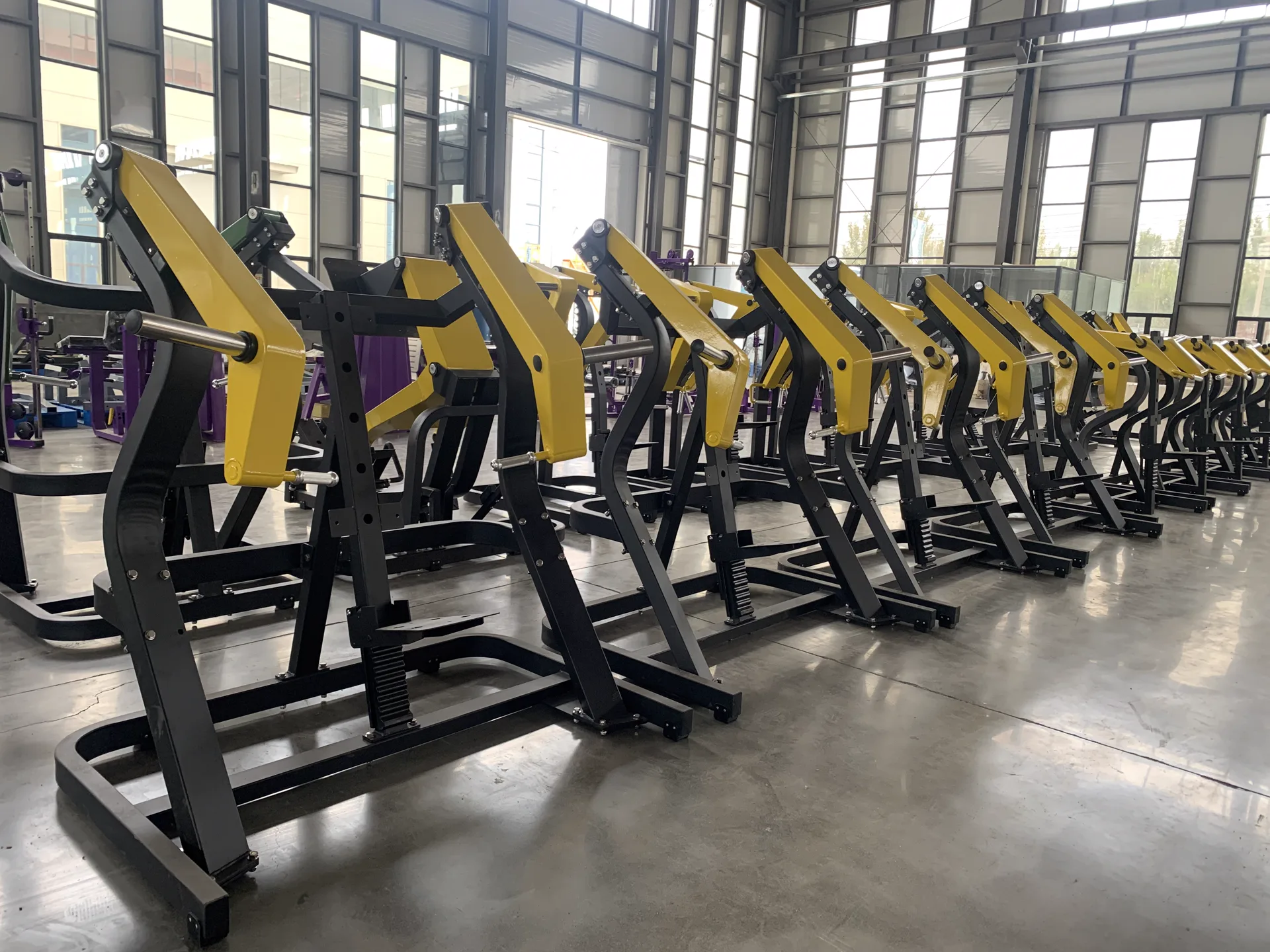
Factory assembly area
A supplied photograph showing commercial fitness equipment during assembly.
Laser cutting footage
Observable metal cutting activity in source footage supplied by PowerBaseFit.
Similar-project RFQ checklist
Details to send for a comparable equipment project
- Destination city or port and preferred trade-term discussion
- Model shortlist, quantity direction and required delivery window
- Required product, labeling and import documentation for the destination market
- Concept drawings, target users, brand standards and prototype approval team
Project procurement FAQ
Questions about similar commercial equipment supply
What type of customer was served in this United States project?
This commercial fitness equipment supply project was completed for the following customer type: Fitness Brand.
Can PowerBaseFit prepare a similar equipment configuration?
Yes. Share the facility type, floor plan or product shortlist, quantity direction, destination, customization needs and target timeline for an order-specific review.
How are specifications and commercial terms confirmed?
Current model specifications, availability, customization, packing and commercial terms are confirmed in the quotation and purchase-order process.