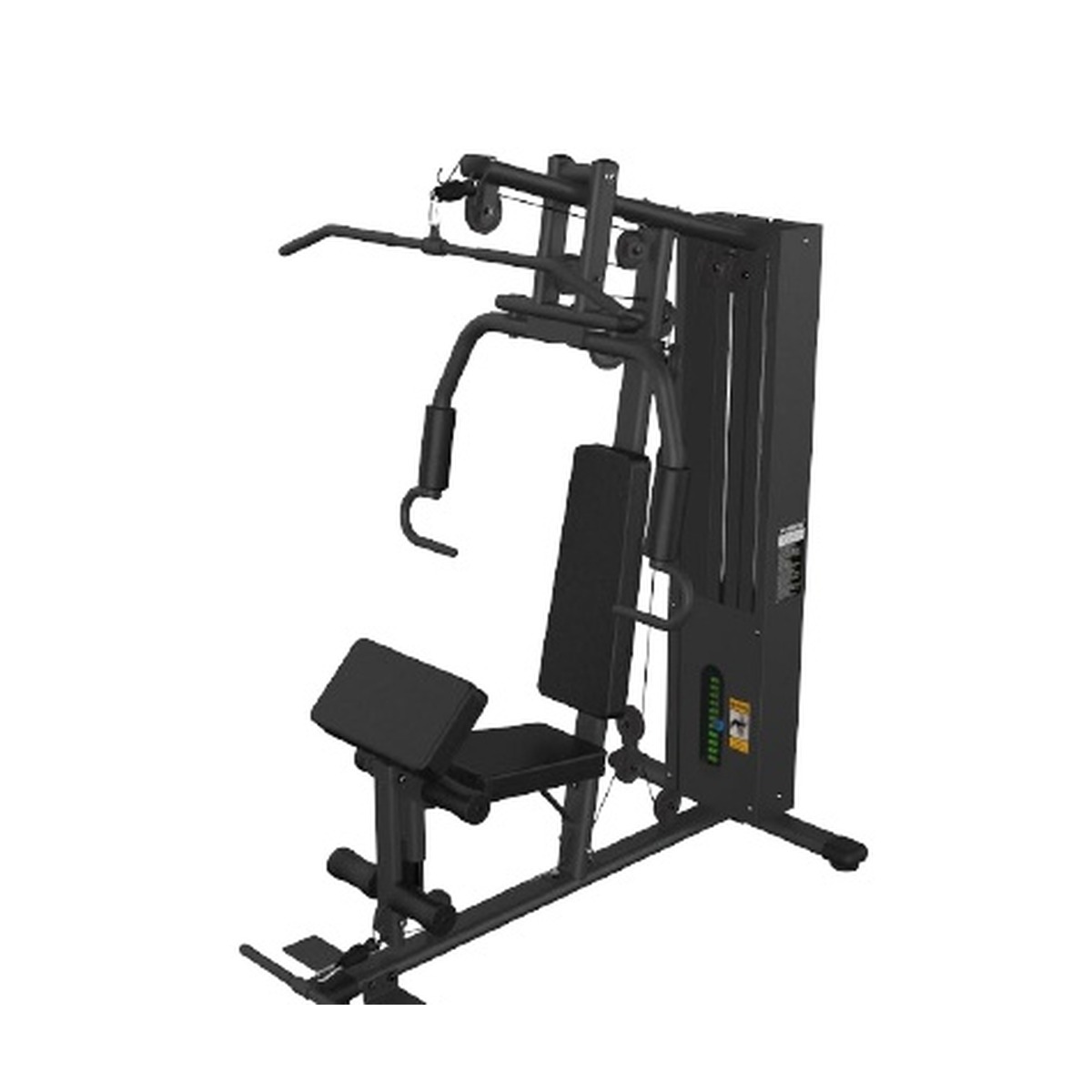
Single Station Functional Trainer
Single Station Functional Trainer is a DA Series single-station functional trainer for commercial facilities that need single-user cable and functional exercises in a compact training position.
View Product Details Request Product List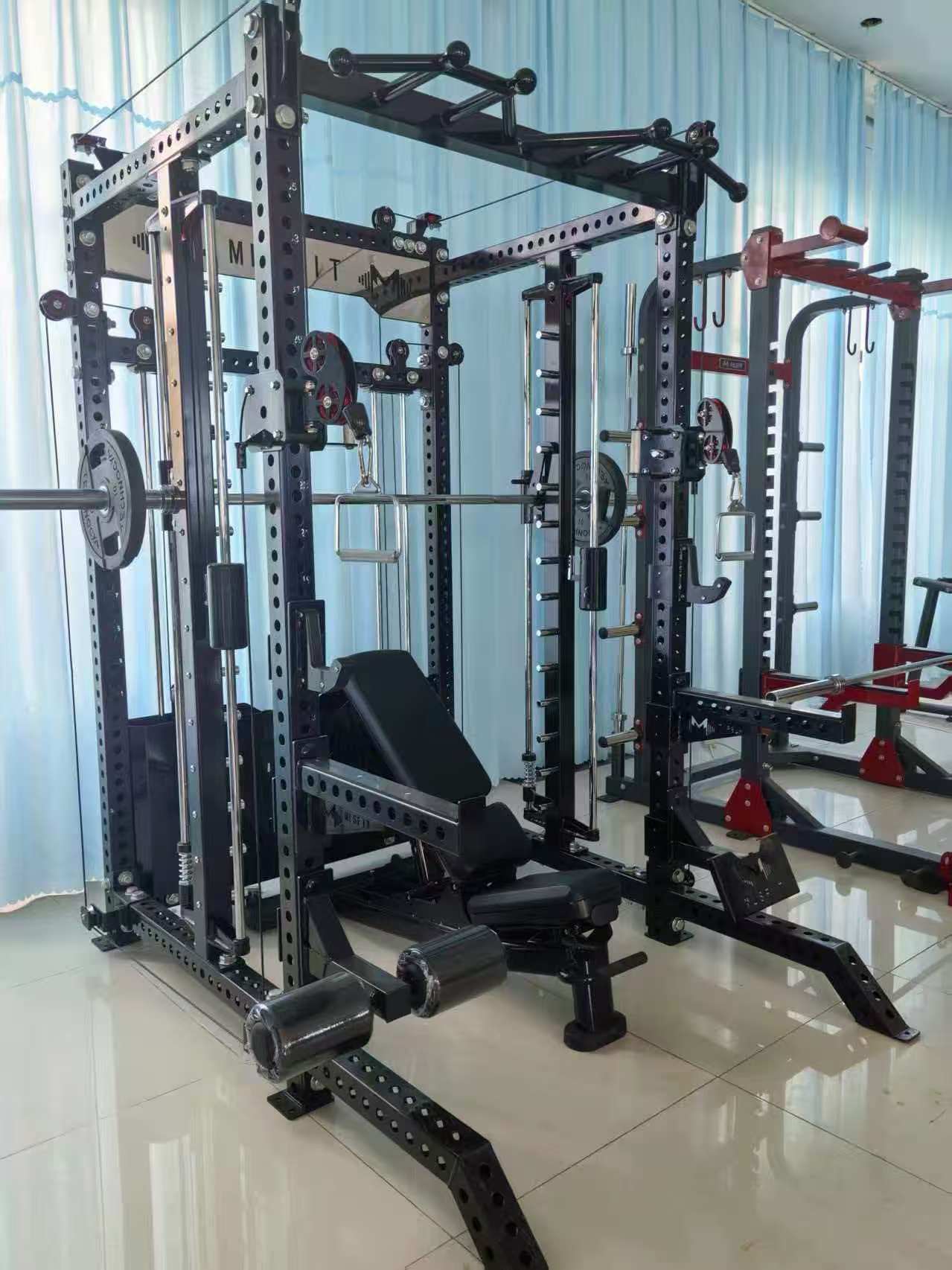
Commercial functional training equipment includes functional trainers, cable crossover machines, multi jungle systems, Smith machine systems and rack-integrated equipment. Commercial gyms use these formats to add adjustable cable exercises, guided strength work and multi-station training options. Buyers should compare training purpose, available space, user flow, equipment structure and maintenance access before selecting a system.
Request Functional Trainer QuoteStart with the training format, then open each product page for verified dimensions, structure and procurement details.
Adjustable cable equipment for varied movement patterns, personal training and compact functional zones.
Single Station Functional Trainer is a DA Series single-station functional trainer for commercial facilities that need single-user cable and functional exercises in a compact training position.
View Product Details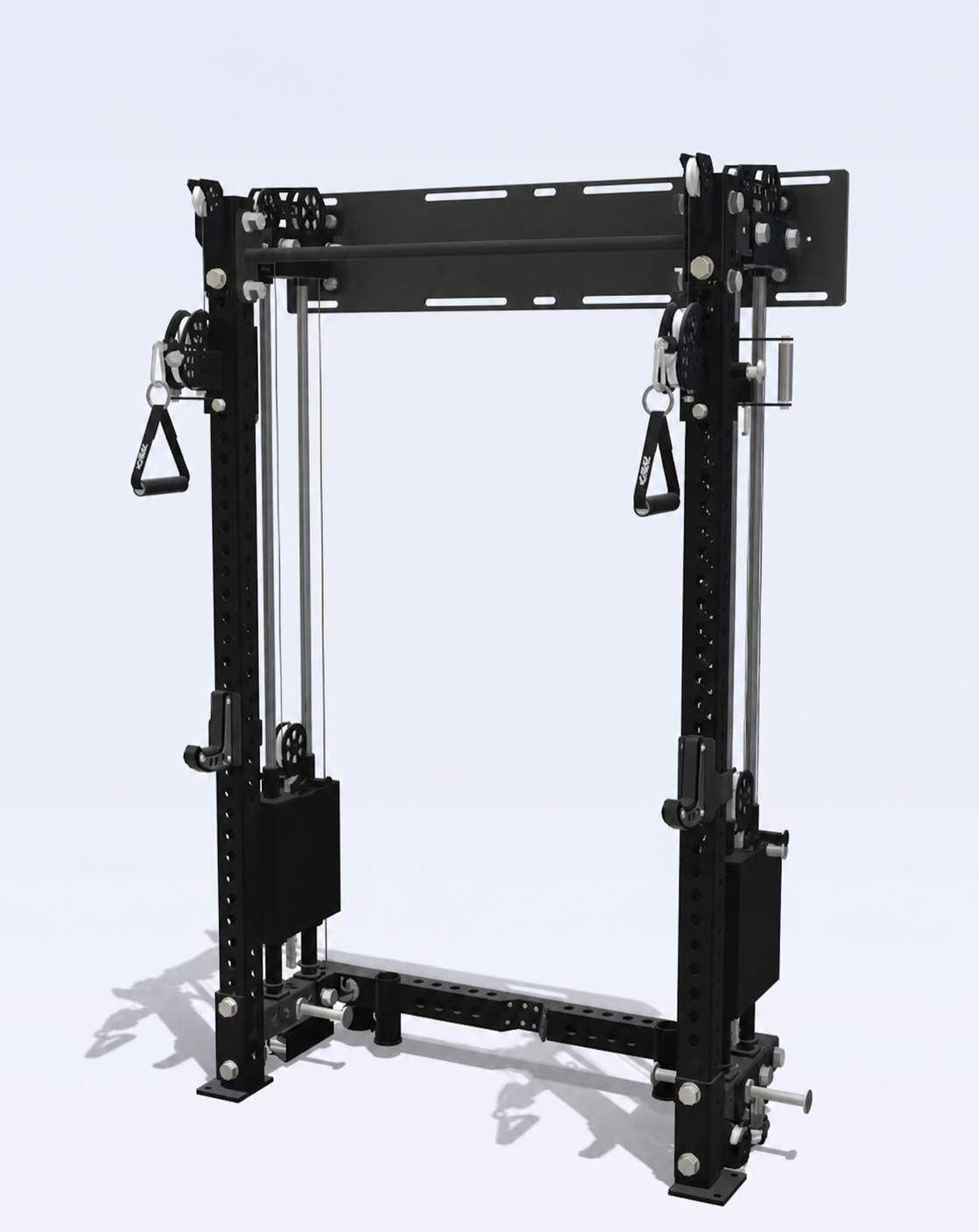
Wall-Mounted Commercial Functional Trainer combines a wall-supported dual adjustable pulley frame with two cable stations and an upper crossbeam for commercial gyms that need versatile strength and functional training within one planned equipment footprint.
View Product DetailsOpposing cable stations for bilateral, unilateral, crossover and open-space cable exercises.
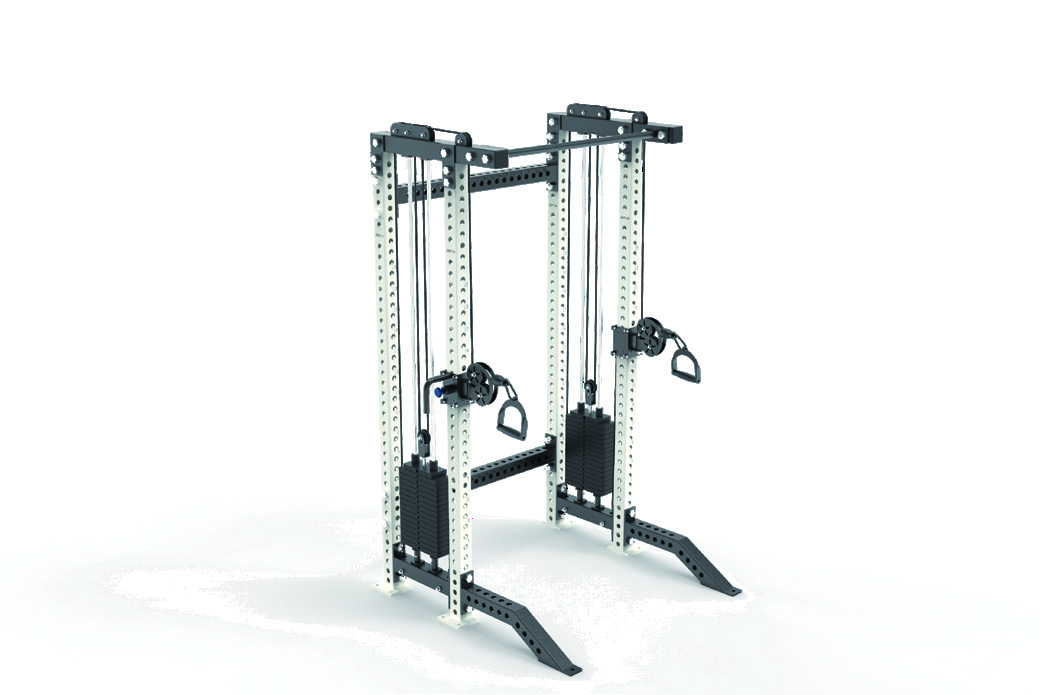
Commercial Cable Crossover Machine combines two opposing adjustable pulley columns, dual weight stacks and an open cable-training space for commercial gyms that need versatile strength and functional training within one planned equipment footprint.
View Product Details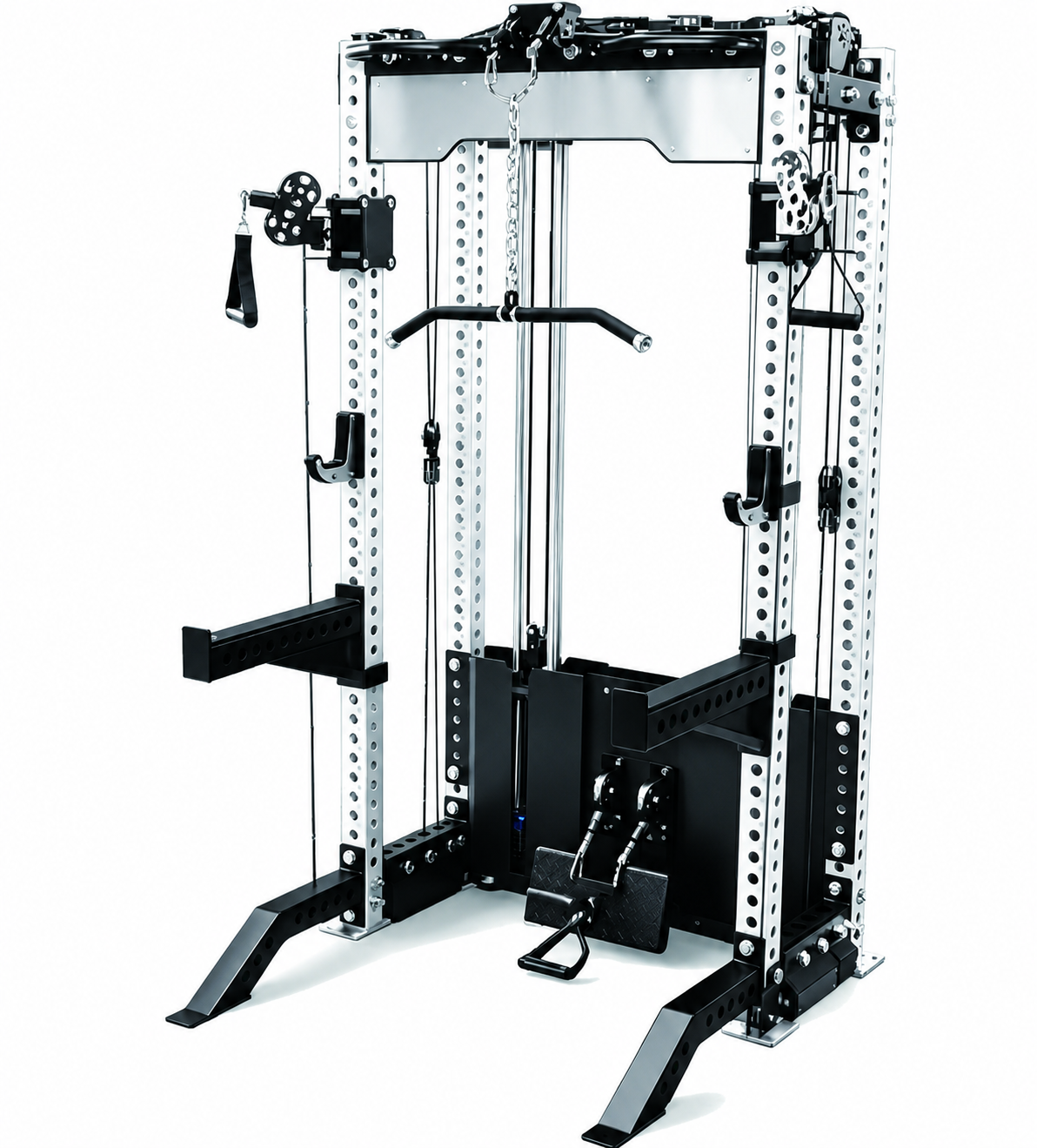
Compact Cable Crossover Functional Trainer combines a compact rack frame, dual cable stations, adjustable pulleys, a pull-up crossbeam and lower foot support for commercial gyms that need versatile strength and functional training within one planned equipment footprint.
View Product DetailsConnected stations for facilities planning several cable exercise positions within one training zone.
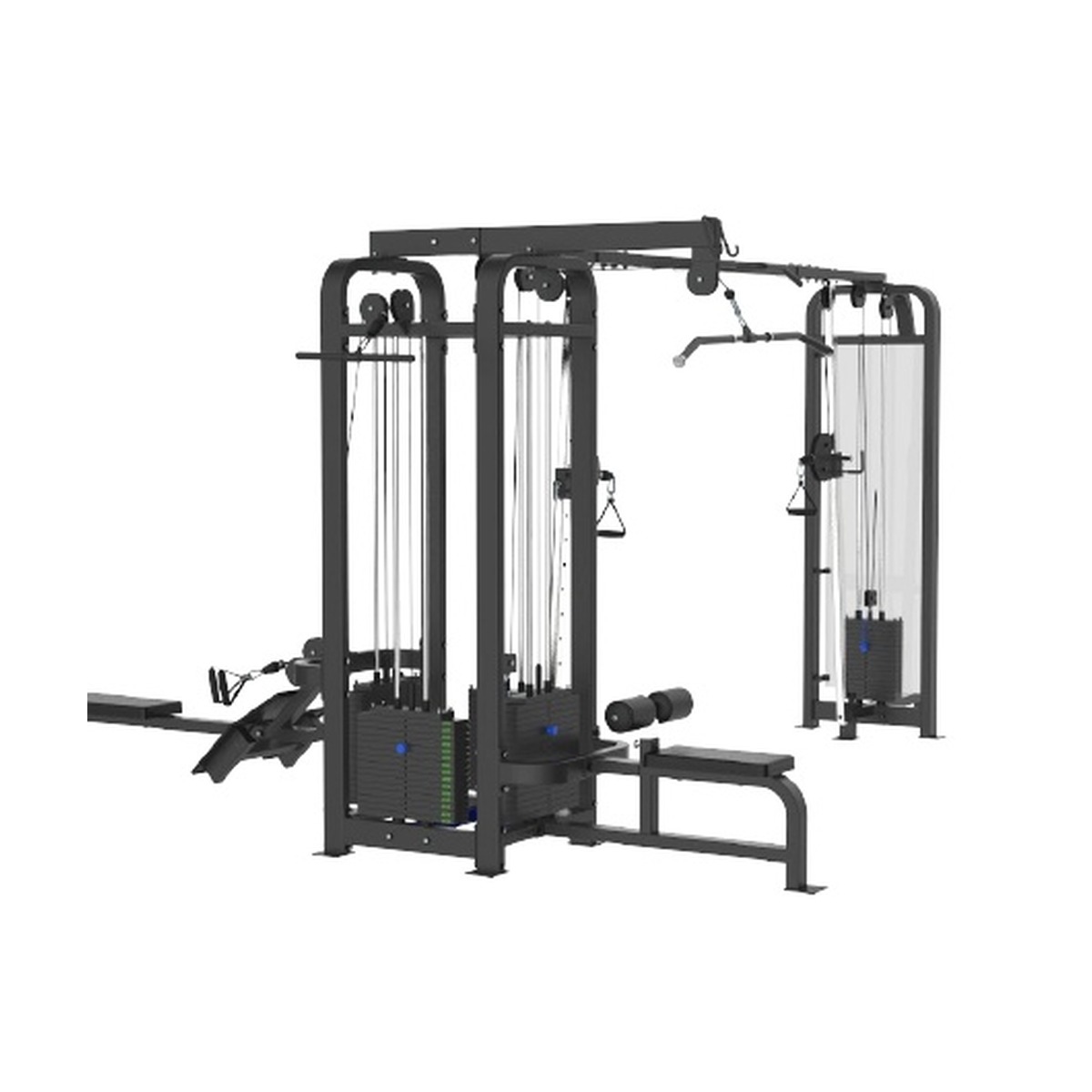
Multi Jungle is a DA Series multi-station cable jungle for commercial facilities that need multi-user cable strength training for back, chest, arms, core and functional movements.
View Product Details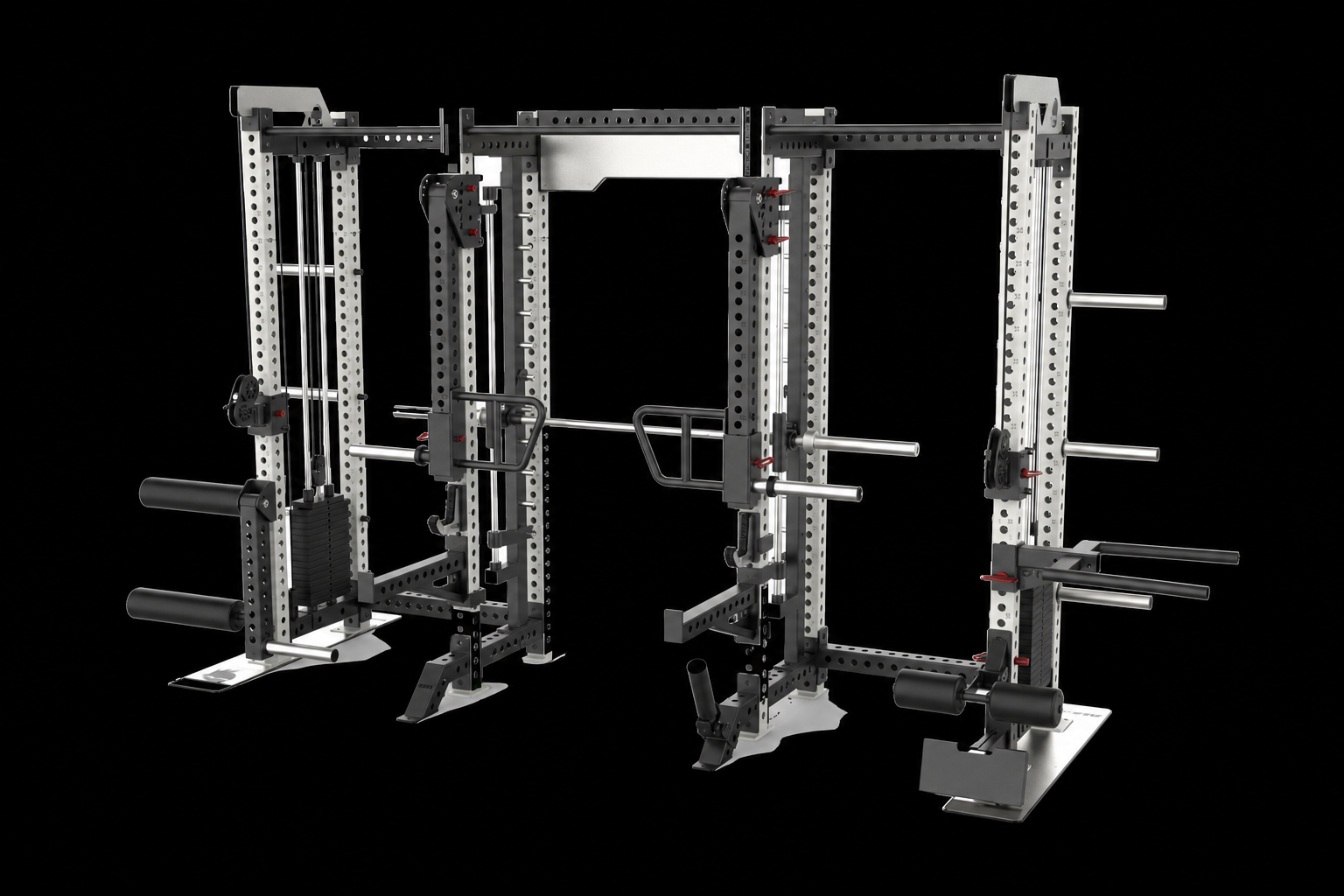
Eight-Column Functional Training System combines an eight-column multi-bay frame with cable stations, lifting positions, storage pegs and lower-body attachments for commercial gyms that need versatile strength and functional training within one planned equipment footprint.
View Product DetailsA guided Smith bar path combined with adjustable cable training in one integrated structure.
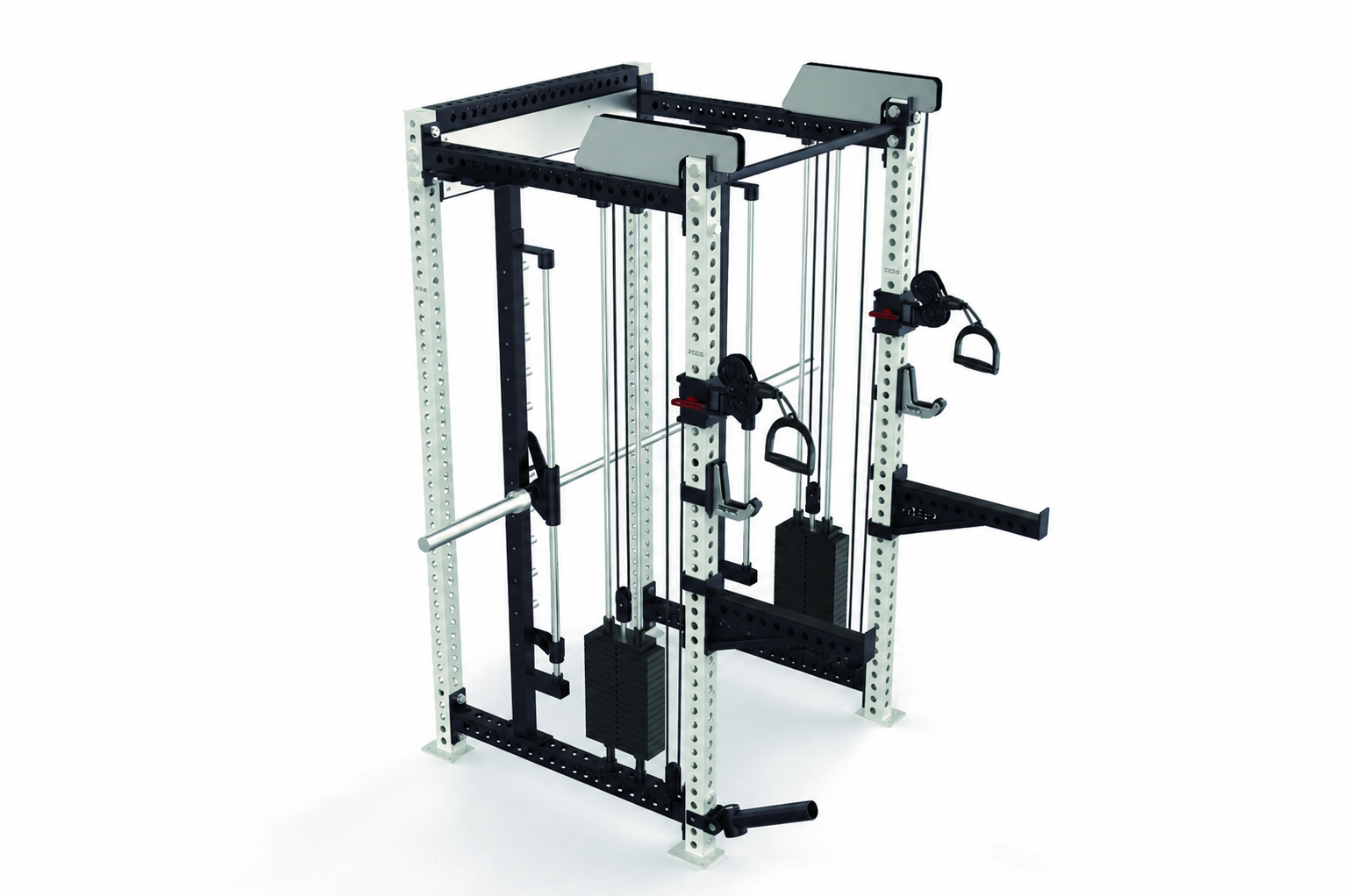
Smith Machine and Cable Crossover System combines a smith bar path, dual adjustable cable stations, rack positions, pull-up frame and weight stacks for commercial gyms that need versatile strength and functional training within one planned equipment footprint.
View Product DetailsRack-based lifting space combined with adjustable cable positions for a mixed strength area.
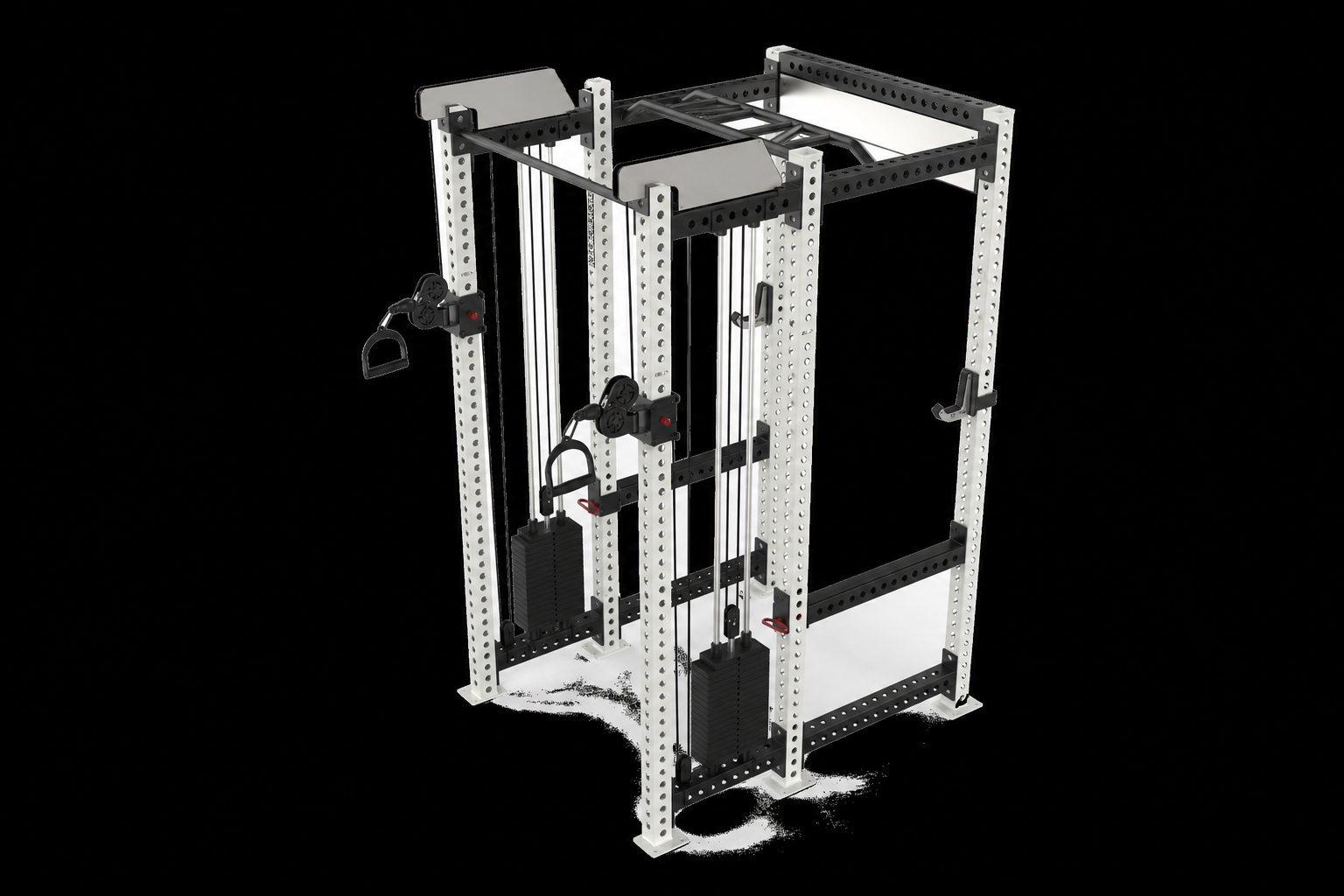
Six-Column Cable Crossover Power Rack combines a six-column power rack, dual adjustable cable stations, weight stacks and an overhead crossbeam for commercial gyms that need versatile strength and functional training within one planned equipment footprint.
View Product DetailsUse these anchors to compare the equipment format that best matches the planned training zone.
Choose from the facility plan and training demand first; do not treat every cable or integrated system as interchangeable.
Estimate peak use and training flow. A focused station can suit compact or coached spaces, while a multi-station layout needs more room but organizes several exercise positions.
Choose a functional trainer for adjustable cable variety in a focused area. Consider a multi-station system when the facility wants several defined cable positions in one planned zone.
Compare the need for open opposing-cable movement with the need for a compact adjustable station. Neither format is automatically better for every gym.
It can combine guided bar and cable exercises, but buyers should compare its footprint, exercise priorities and maintenance points with separate machines.
Start with verified product dimensions, then add working clearance for users, cable travel, handles, benches, lifting movements and safe circulation.
Commercial gyms, hotels, apartments, studios, performance facilities and showrooms have different traffic, supervision, exercise variety and space requirements.
Use this purchasing comparison to shortlist a format before reviewing individual product dimensions and configurations.
| Type | Best For | Space | Training Style | Typical User |
|---|---|---|---|---|
| Functional Trainer | Adaptable cable training and personal training | Compact to medium; verify working clearance | Adjustable unilateral, bilateral and multi-directional cable work | General members and coached clients |
| Cable Crossover | Opposing cable exercises and open movement space | Depends on span and station layout | Crossover, pressing, pulling and rotational cable exercises | Commercial gym members and trainers |
| Multi Jungle | A planned zone with several cable exercise positions | Larger footprint and circulation requirement | Multiple defined cable stations | Higher-traffic facilities and shared training zones |
| Smith + Cable System | Combining guided bar and adjustable cable work | Allow for lifting and cable working areas | Guided strength plus varied cable exercises | Mixed strength areas and coached training |
| Functional Rack | Rack-based lifting with integrated cable access | Allow rack, cable and user clearance | Barbell, bodyweight and cable training | Strength-focused gyms and performance facilities |
The right choice depends on training purpose, desired exercise space, room layout and commercial application.
A functional trainer emphasizes adjustable cable paths in a focused station. A cable crossover emphasizes opposing cable positions and the open area between them.
Both can support varied cable exercises. The actual range depends on pulley adjustment, cable routing, handles and the supplied configuration.
Compare verified dimensions and working clearance. A compact frame may reduce footprint, while a wider crossover can provide more open movement space.
Functional trainers often suit personal training and adaptable zones; cable crossovers can suit open cable areas. Product layout matters more than the label alone.
Consider a multi jungle when the gym wants several cable exercise positions organized within one deliberately planned training zone.
Review the actual station layout and expected user flow rather than assuming capacity from the product name.
Multi-station equipment can organize several exercise choices, but peak traffic, queues and circulation still require layout planning.
Place the system where cable attachments, user movement and nearby strength equipment can operate without conflicting paths.
Use verified dimensions, then allow access around active stations, maintenance points and routes through the gym.
Match equipment format to facility users, supervision, training programs, space and purchasing purpose.
Build an adaptable cable and functional zone around member mix, peak traffic and the wider strength-floor plan.
Use adjustable cable paths and compact systems for coached movement, accessory strength and varied client programs.
Prioritize clear exercise choices, manageable footprint, supervision expectations and routine maintenance access.
Compare available space, user familiarity, circulation and building installation requirements before selecting equipment.
Plan cable, rack and multi-directional training around coached sessions and the facility's performance program.
Match equipment choice with supervision, user experience, curriculum needs and safe circulation around each station.
Evaluate exercise variety, training flow, inspection access and how the station fits the wider conditioning area.
Display distinct functional trainer, cable crossover, multi-jungle and integrated-system formats for buyer comparison.
Use each product page for supplied values and request confirmation for any project-specific requirement that is not listed.
Confirm width, depth and height, then plan working clearance instead of treating equipment dimensions as the complete space requirement.
Review adjustment positions, exercise direction, cable routing and attachment requirements from the selected product configuration.
Count only clearly defined exercise positions and confirm how users access them during normal gym operation.
Confirm which rack, guided bar, pull-up or cable functions are visibly included rather than inferring them from a category label.
Confirm floor, wall or anchoring requirements, delivery access and assembly conditions for the selected site.
Provide the requested logo, color, function, packaging and order information for production feasibility confirmation.
Commercial cable and integrated systems need planned inspection access and compatible replacement parts.
Inspect cable surfaces, routing, pulley movement and attachment points; stop use when a safety-related defect is found.
Check pins, carriages, handles and moving interfaces for secure operation and visible wear.
Inspect connections, floor contact, anchors where required and fasteners according to the maintenance instructions.
Document inspections and replace worn cables, handles or hardware with compatible parts before returning equipment to service.
Open specific products and purchasing guides instead of returning to a generic blog index.
Direct answers help buyers compare formats, space, applications, maintenance and OEM requirements.
Commercial functional training equipment includes adjustable cable trainers, cable crossover machines, multi-station systems and rack-integrated equipment used for varied strength and movement-based exercises in shared fitness facilities.
A functional trainer usually emphasizes adjustable cable positions and exercise variety within a compact frame. A cable crossover emphasizes opposing cable stations and open space between them. Some commercial machines combine both layouts.
Compare the training zone, available footprint, working clearance, expected user flow, exercise requirements, attachment needs, installation conditions and maintenance access before choosing a model.
A multi jungle is worth considering when the facility wants several cable exercise positions in one planned zone and has enough space for the structure, users and safe circulation.
It can suit clubs that want guided bar training and adjustable cable exercises in one structure. Buyers should compare space, exercise priorities, user flow and maintenance needs with separate machines.
Use the listed product dimensions as the starting point, then allow working clearance for cable travel, handles, benches, lifting movements, users and circulation. The required clearance depends on the selected equipment and layout.
The mix may include an adjustable functional trainer, cable crossover, rack or Smith system, benches, handles and storage. The final list should follow the facility type, programs, users and available space.
OEM logo, frame color, function and other configuration requests can be discussed. Final customization depends on the selected product, order requirements and production confirmation.
Choose by expected user flow, available space, training variety and supervision. A single station can support a focused or compact zone, while a multi-station system organizes more exercise positions in a larger area.
Confirm the facility type, floor plan, product dimensions, working clearance, exercise needs, user flow, attachments, installation, maintenance access, customization requirements, quantity and destination.
Share the facility type, floor plan, preferred training formats, product list, quantity, customization needs and destination for quotation support.