Commercial Strength Gym Equipment Layout Case Study
This case study uses a real gym floor photo to explain how a commercial strength training area can be planned around equipment spacing, user movement, factory-direct supply and future maintenance for gym owners, distributors and importers.
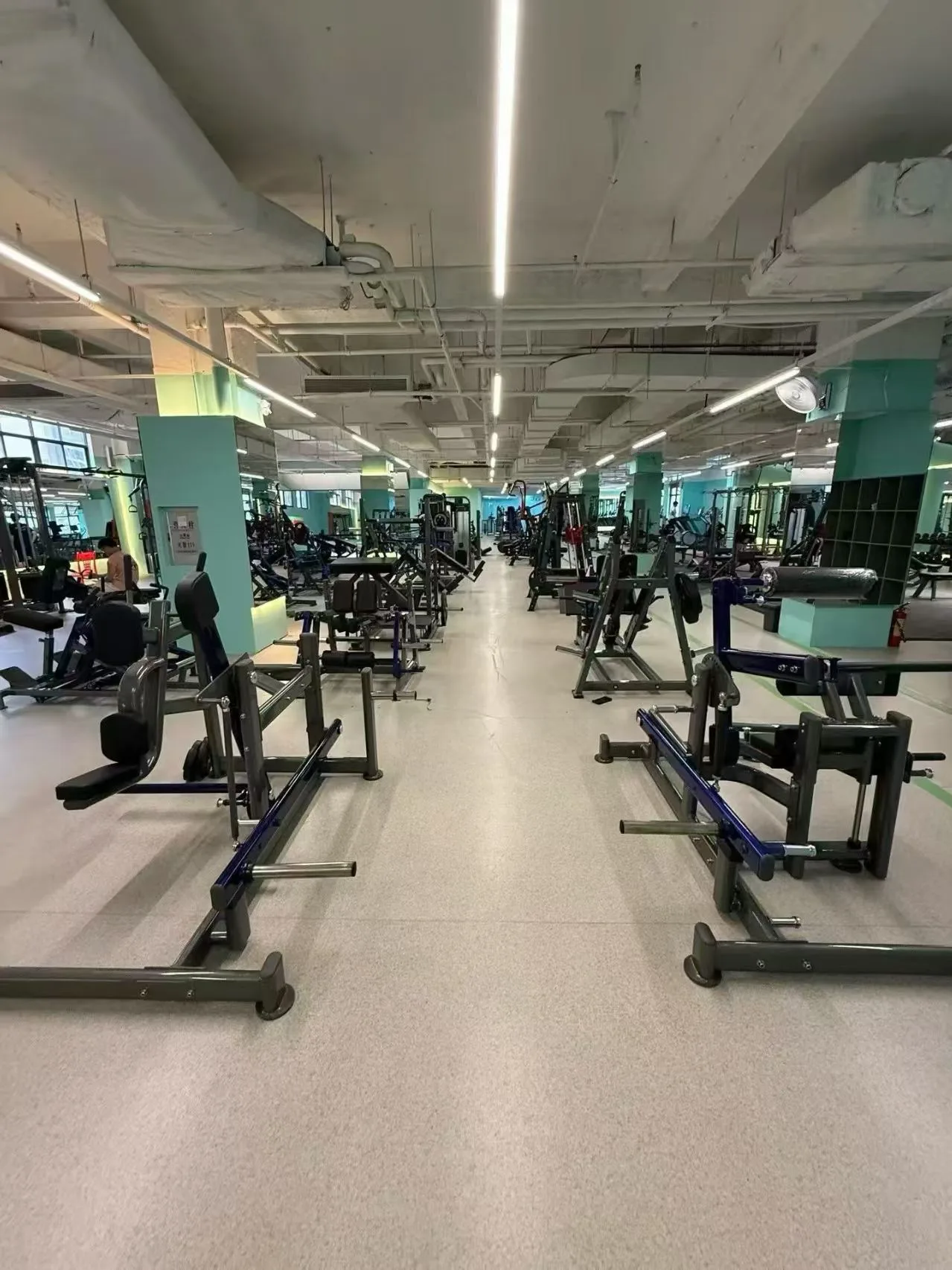
Project Information
The following information is based on the available site photo and confirmed PowerBaseFit supply capabilities. It focuses on practical planning details that buyers can use when preparing a commercial gym equipment quotation.
| Item | Details |
|---|---|
| Project Type | Commercial gym strength training area |
| Equipment Category | Plate loaded and commercial strength equipment |
| Customer Goal | Build a clear strength zone with durable machines and easy member navigation |
| Solution Provided | Machine selection guidance, zone planning direction and factory-direct supply support |
| Factory Capability | Commercial strength equipment manufacturing, OEM color options and export preparation |
Project Overview
The uploaded site photo shows a commercial strength training area with multiple plate loaded machines arranged along a central walkway. For a gym owner, distributor or importer, the practical value of this type of case is not only the visual result. It shows how commercial gym equipment can be organized so members can identify training zones quickly, move between machines safely and keep daily operations manageable.
PowerBaseFit treats this type of project as a supply and planning problem rather than a simple product list. The key decisions are machine category, training flow, aisle clearance, finish consistency, spare parts planning and whether the buyer needs OEM fitness equipment support for branding or future expansion.
Customer Challenge
A strength area with many machines can become difficult to operate if machines are selected only by appearance. Buyers often need to balance chest, back, shoulder, leg and arm training coverage while keeping enough space for walking, loading plates and cleaning around the frames.
Another common challenge is supplier coordination. When a gym buys from several sources, frame color, upholstery, plate storage, maintenance parts and delivery timing can become inconsistent. A gym equipment manufacturer with direct production control can help reduce these mismatches before shipment.
Our Solution
The recommended solution is to group strength training equipment by movement pattern and traffic flow. Push and pull machines should be easy to compare, lower-body equipment should allow more operating space, and high-use machines should remain visible from the main circulation path.
For this layout style, PowerBaseFit can supply plate loaded strength equipment, selectorized machines, benches, free weights and matching accessories from one factory-managed production process. This helps the buyer keep color, upholstery and packaging requirements consistent across the order.
Equipment Supplied
The visible training area is focused on commercial strength equipment. A practical equipment mix for this type of project usually includes plate loaded chest press, shoulder press, row, pulldown, leg press, squat and isolation machines, supported by benches and free-weight accessories where space allows.
The final product list should be confirmed after checking floor area, ceiling height, user capacity, brand position and expected training demand. PowerBaseFit can help buyers turn the model list into a quotation-ready equipment schedule.
Manufacturing Advantage
Factory-direct supply matters because commercial fitness equipment needs consistent welding, frame finishing, upholstery matching, packaging and spare parts control. A single manufacturing source also makes OEM color and private label discussions easier for distributors and gym brands.
For importers, the advantage is operational. One coordinated supplier can prepare product photos, packing information, loading details and after-sales part references more clearly than a disconnected sourcing chain.
Installation & Delivery
The photo also shows why delivery planning should start before shipment. Large commercial strength machines need clear unloading routes, installation sequence and enough working space for final positioning. Buyers should confirm whether machines ship assembled, semi-assembled or knocked down.
For overseas projects, PowerBaseFit supports export packing and order organization so the buyer can receive the machines in a logical sequence and check items against the packing list more efficiently.
Customer Value
A well-planned strength area helps members understand where to train and helps operators manage cleaning, maintenance and future equipment replacement. The value is not only in buying more machines. It is in selecting a balanced equipment mix that fits the business model.
For distributors and importers, a coherent project like this can also become a showroom reference, helping downstream gym owners understand how a complete commercial strength zone can be built from one supplier.
Key Takeaways
Commercial gym equipment planning should start with training zones, traffic flow and long-term maintenance, then move into model selection. A factory-direct fitness equipment supplier can help buyers control consistency across machines, colors, packaging and delivery.
This case is most relevant for gym owners, fitness equipment distributors and importers who want a practical strength training layout instead of a random machine list.
Frequently asked questions
What equipment is important for a commercial strength training area?
A balanced strength area usually needs push, pull, leg, shoulder, arm and core training coverage, supported by benches, free weights and storage when the floor area allows.
Why work with a gym equipment manufacturer instead of only a trading source?
A manufacturer can usually confirm production details, OEM color options, packaging requirements, replacement parts and order consistency more directly.
Can this type of project use OEM fitness equipment?
Yes. Frame color, upholstery color, logo placement and private label requirements can be discussed according to order quantity and production feasibility.
How should a buyer plan machine spacing?
Spacing should consider walking aisles, plate loading, user entry and exit, cleaning access and safe movement around large strength machines.
Is this layout only for large gyms?
No. The same planning logic can be adapted to compact clubs, hotel gyms, school fitness rooms and distributor showrooms, but the product quantity and machine mix should change with the space.
What information should be prepared before asking for a quotation?
Prepare floor size, target users, preferred equipment categories, color requirements, voltage needs for cardio products if included, destination port and expected delivery schedule.
Evidence sources
- PowerBaseFit Strength Equipment — PowerBaseFit
- PowerBaseFit Factory — PowerBaseFit
- PowerBaseFit OEM / Private Label — PowerBaseFit