
How to Choose a Commercial Biceps Curl Machine for a Gym
Choose a dedicated commercial biceps curl machine when measured arm-training demand, simple setup and stable upper-arm support justify one occupied station. Selectorized formats suit mixed users and fast load changes; plate-loaded formats suit strength areas that already control plates and storage. A cable station or arm-curl bench preserves purchasing flexibility, but each requires more setup and competes for shared equipment. Approve the exact machine only after representative users can enter, position the upper arms, reach the handles, start at a usable resistance, curl without the elbows lifting and return the mechanism under control. Record the approved configuration, operating area, service items and acceptance tests in the order.
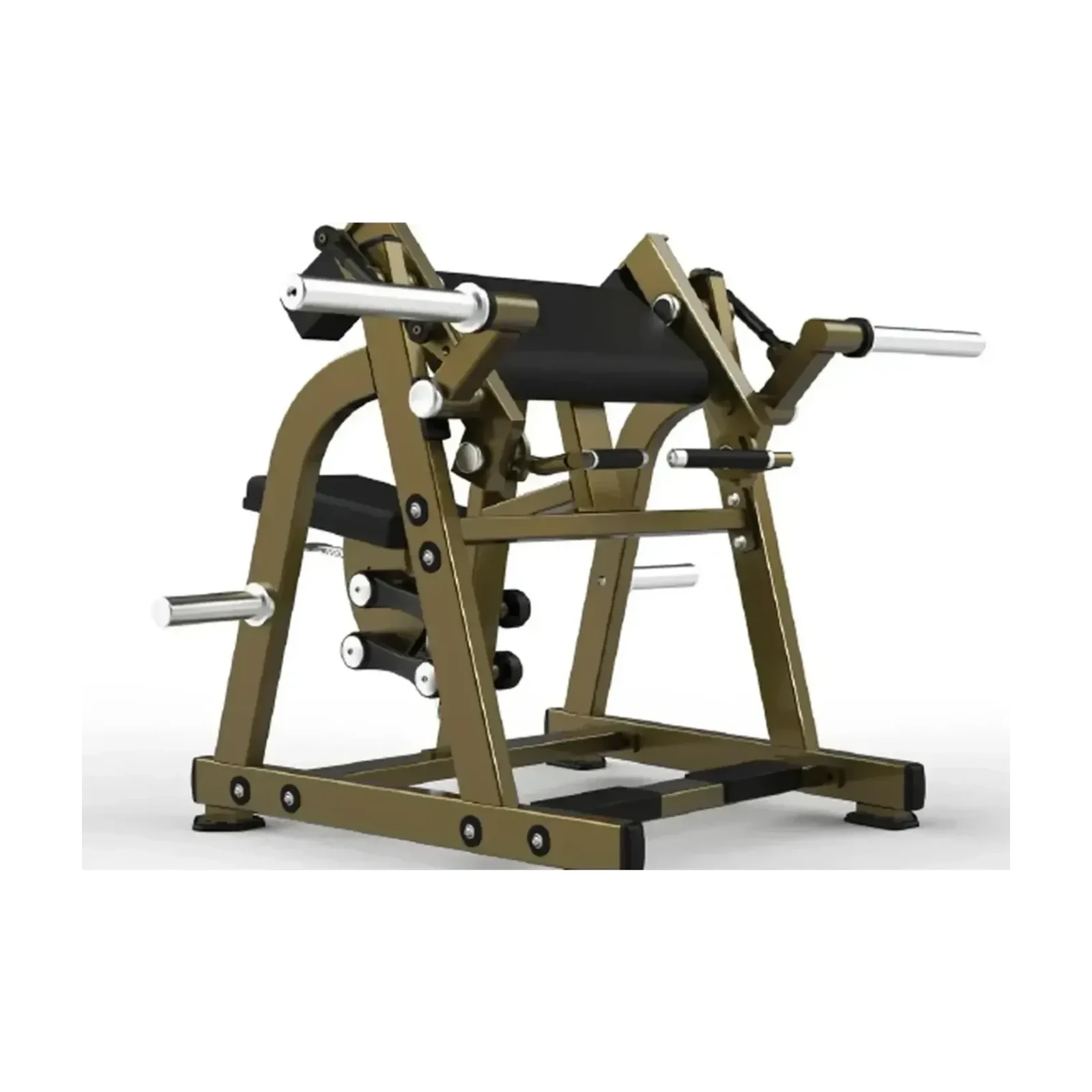
Define the arm station's operating role
Begin with actual floor demand rather than a catalogue gap. Observe when members use dumbbells, fixed barbells, preacher benches, low cables and existing arm machines. Record queue length, occupied minutes, supervision, user experience and whether the problem is lack of biceps capacity or poor organization around shared equipment. A dedicated machine earns space when it gives the intended users a repeatable setup and removes a documented bottleneck.
Set the project context before comparing products. A general membership gym can value fast, obvious adjustments; a bodybuilding club can value plate loading and a distinctive arm zone; a hotel or corporate room can prefer a compact multi-use solution. A distributor also needs clear positioning within the product range, compatible finishes and replacement-part continuity. The brief should state who will use the station, how it complements triceps and cable work, and what peak wait is acceptable.
Choose the format that fits daily operation
Selectorized biceps curls keep resistance on the machine and shorten changeover between users. Plate-loaded preacher-curl machines depend on compatible plates, nearby storage, safe loading access and routine floor reset. Articulating or independent arms can offer unilateral and bilateral work, while a combined biceps-and-triceps station saves floor area but requires a clear, quick change between two movements. Cable stations and arm-curl benches remain useful alternatives when measured demand does not justify a dedicated frame.
Compare the complete system rather than the category label. Ask how a user changes load, enters, sets the seat, places the upper arms, reaches the handles and leaves. Count attachments, collars, plates and storage as part of the format. A compact frame that creates a loading conflict or a confusing conversion can consume more operating time than a larger dedicated unit.
| Format | Best operating fit | Reference-unit test | Often omitted |
|---|---|---|---|
| Selectorized curl | Mixed users and rapid changeover | Light start, increments, pin access and controlled return | Cable, pulley, guides and inspection access |
| Plate-loaded curl | Strength area with managed plates | Unloaded start, plate access and resistance arc | Plates, collars, storage and floor reset |
| Articulating or independent arms | Bilateral and unilateral programming | Both arms together and separately | One machine still equals one user place |
| Combined or shared alternative | Compact site with modest dedicated demand | Conversion, attachments and queue interaction | Capacity removed from the second exercise |
Test seat, arm pad, elbow position and handle reach together
Select short, middle and tall trial users who represent the planned membership, then follow the current operating instructions. Each person should sit without climbing across a loaded path, set the seat, place the upper arms on the pad, align the elbows for the intended movement, grasp the handles and complete a controlled repetition without a special workaround. Record usable settings and observations rather than counting adjustment holes.
The pad should support the upper arms without forcing the shoulders forward, trapping the chest or placing a hard edge at an unsuitable point. Check that the user can keep the elbows in stable contact while the wrists remain manageable at the start and finish. Confirm clearance around knees, thighs and frame, and verify that the handles can return without contacting the user. When accessibility is part of the project, the responsible local team should define and verify the required approach and transfer space.
Compare starting resistance, grip choices and the full resistance path
Request the permitted start positions, grip movement, independent-arm behaviour and resistance options for the quoted configuration. Fixed, rotating or self-adjusting handles change how users find a workable wrist and forearm position. Counterbalance, cam, lever length, cable routing and plate-horn position influence how resistance is felt through the curl. These design choices require a physical trial; descriptive terms do not prove fit for the project's users.
Begin at the lightest usable selector setting or the approved unloaded plate-loaded condition. Look for a smooth pickup, stable upper-arm contact and useful resistance through the working arc, followed by a return without impact or loss of control. Repeat at a moderate working load and, when designed for it, one arm at a time. Record slack, sudden changes, end-stop contact, frame movement, handle rotation and side-to-side differences. Compare the force experienced at the handles, not only the number printed on a stack or the plates fitted to a horn.
Plan peak capacity and the complete working area
Use a fixed busy-period observation to count arm-training arrivals, occupied minutes, alternative stations and the queue the facility will accept. Treat one machine as one place even when its arms move independently. For a combined biceps-and-triceps station, include demand for both exercises. Before adding quantity, compare a second dedicated machine with the useful capacity already available from cables, dumbbells, fixed barbells and benches.
Draw more than the base footprint. Include moving arms, seated user, approach, coach position, plate loading, plate storage, cleaning reach and technician access. Check delivery packages, doors, lifts, turns, assembly sequence and any fixing instructions for the exact model. The final plan must keep circulation and locally required clearances under the control of the responsible project team.
Inspect wear points, cleaning surfaces and service access
On a selectorized model, inspect the selector, plates, guide rods, cable or belt, pulleys, terminations, guards and inspection openings. On a plate-loaded unit, inspect sleeves, stops, pivots, bearings or bushings and the route used to load plates. On every design, cycle the seat, handles and movement arms; examine the arm pad, seat upholstery, seams, edge protection, labels, fasteners and floor contact. The arm pad is a high-contact component and its replacement method belongs in the service review.
Ask for current assembly and user documents, an exploded parts view, revision-linked part numbers, the wear-part list, approved cleaning method, inspection schedule and isolation procedure. Confirm fixing guidance for the supplied model and destination. ISO 20957-1, ISO 20957-2 and ASTM F2216 provide relevant equipment frameworks; request evidence tied to the offered configuration instead of treating a family name as proof.
Approve a reference unit and normalize supplier quotations
Use one evaluation sheet for every candidate. Record model and revision, resistance format, trial users, seat, pad contact, elbow position, handle start, grip behaviour, working arc, return, live area, cleaning and technical access. Separate a failed requirement from a preference. Photographs identify the reference configuration, while signed measurements and observations define what the order must reproduce.
Send suppliers the same schedule covering quantity, resistance system, increments or plate interface, start condition, seat and pad range, handle and arm arrangement, upholstery, finish, labels, working-area drawing, fixing, packaging, assembly, documentation, initial spare parts and acceptance tests. List plates, collars, storage, attachments and installation separately. A change to the lever, cam, pad, handle or adjustment range should return for written review before production or shipment.
Receive, commission and release against the approved record
Before assembly, compare package marks, model codes, quantities and visible condition with the order. Record freight damage and inspect frame, finish, seat, arm pad, handles, pivots, arms, stack or loading sleeves, guards, labels, manuals and fasteners. Assemble and secure the unit according to current instructions. A matching silhouette does not confirm the ordered revision or resistance mechanism.
Repeat entry, every adjustment and the movement at the approved minimum, then at a controlled working resistance. Confirm pin or plate retention, smooth pickup, stable pad contact, handle operation, full controlled arc, return, sound, frame stability and clearances. Record machine identity, accepted settings, open defects, responsible person and closure date. Release the station after staff understand setup, daily checks, cleaning, fault isolation and the route for technical service.
FAQ
Does every commercial gym need a biceps curl machine?
No. Add one when measured demand, user mix and queue evidence justify a dedicated station beyond dumbbells, cables, fixed barbells and benches.
Selectorized or plate loaded?
Selectorized suits fast changes and mixed users. Plate loaded suits strength areas that already manage compatible plates, collars, storage and floor reset.
How should user fit be checked?
Trial representative users with the seat, arm pad, elbow position, handle reach, starting resistance, working arc and controlled return assessed together.
Do independent arms double capacity?
No. They add unilateral and bilateral choices, but one person still occupies the station.
What should the purchase order specify?
Record model and revision, resistance system, adjustments, pad and grips, working area, finish, fixing, packaging, documents, spares and acceptance tests.
Sources
- ISO 20957-1 general requirements — International Organization for Standardization
- ISO 20957-2 strength equipment requirements — International Organization for Standardization
- ASTM F2216 selectorized strength specification — ASTM International
- Precor Resolute Biceps Curl — Precor
- Precor Discovery plate-loaded Biceps Curl — Precor
- Life Fitness Cybex Eagle NX Arm Curl — Life Fitness