
How to Buy Cable Attachments for a Commercial Gym
Buy cable attachments by the stations and exercises your facility will actually run. Begin with the handles, bars, ropes and straps needed for each cable outlet, then check the complete connector chain, hanging length, movement clearance, grip, cleaning method and simultaneous demand on the installed machine. Specify what is included in the quote and what must pass receiving inspection; an accessory described as universal is not evidence that it fits every cable station.
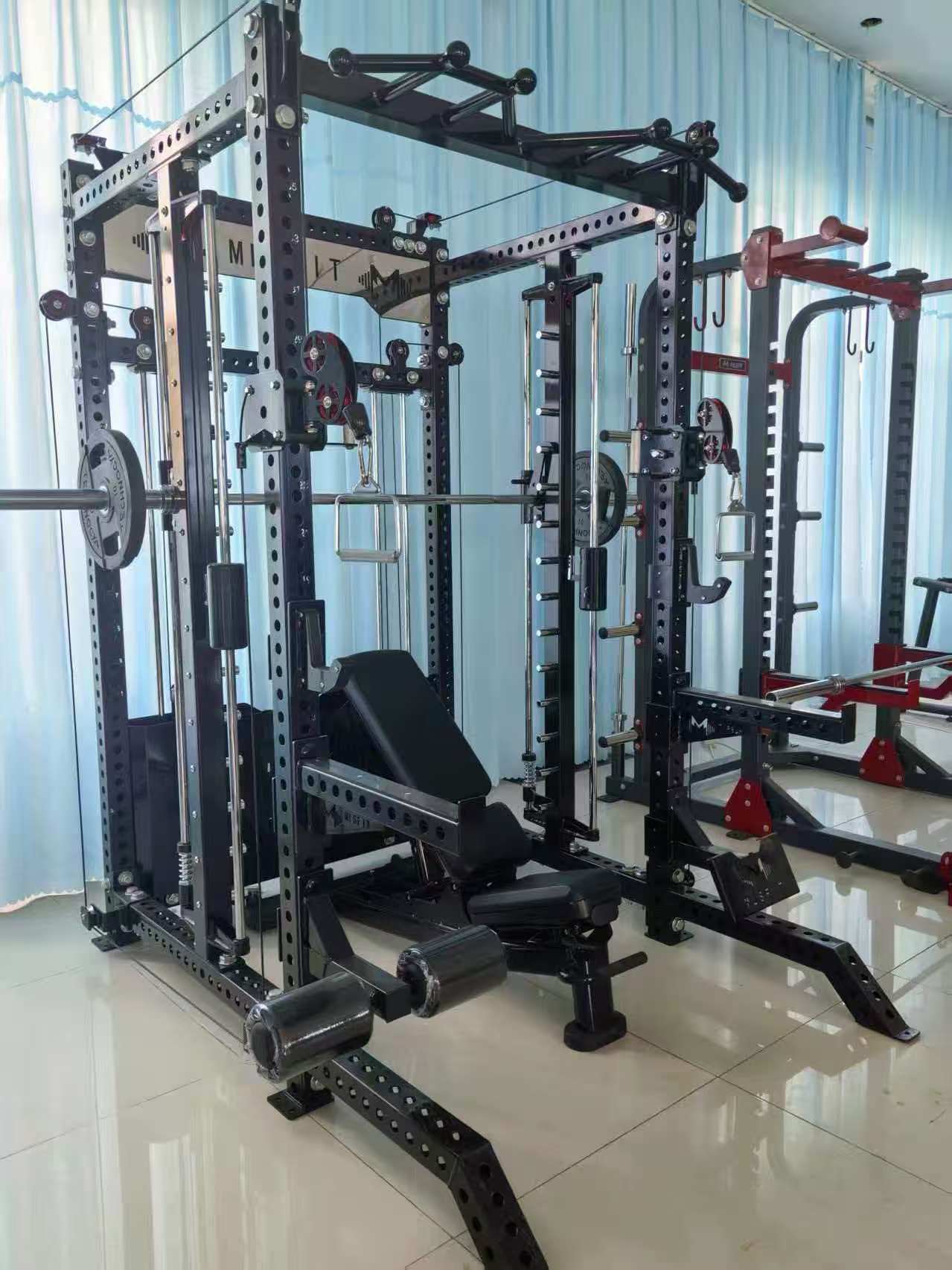
Map each outlet to a job before ordering
List the cable stations in the project: adjustable dual pulley, lat pulldown, low row, triceps station and any integrated frame. For each, record the planned exercise families, user groups, peak simultaneous users and whether the outlet is shared with another task. This turns a long accessory catalog into a short equipment schedule. A club with two adjustable outlets needs usable pairs of single handles; a fixed pulldown station usually needs a bar that works with its seat, thigh pad and cable height.
Separate an essential launch set from specialist additions. A pair of single handles, a lat bar, a row grip and a rope cover different movement roles; an ankle strap, long bar or alternative grip earns its place only when the program and cleaning plan support it. Life Fitness publishes distinct included accessories for its cable stations, illustrating why a buyer must read the exact station configuration rather than assume a standard bundle.
| Station | Typical first accessory | Fit test | Order record |
|---|---|---|---|
| Dual adjustable pulley | Matched single handles | Two-outlet travel and height | Pair count and connector |
| Lat pulldown | Lat bar | Width, seat and top clearance | Bar length and grip positions |
| Low row | Row handle | Return travel and footplate | Grip width and rotation |
| Pushdown | Rope or short bar | Stop position and hand clearance | Rope ends and finish |
Test the entire connection, not the product label
Measure the attachment eye opening and thickness, connector gate opening, closed-gate clearance, swivel, D-ring or strap, and distance from the cable termination to the grip. Bring the actual station connector to a trial, or obtain a drawing of each mating part. The gate must close fully without binding; the attachment must not pry against it when the user changes angle. Record whether the connector is supplied with the machine, with the accessory or as a separately maintained part.
Hanging length changes the usable exercise range. At a high pulley, a long chain can lower the starting position; at a low pulley, a wide handle can contact the carriage before a full return. Cycle the shortlisted attachment through the highest and lowest intended settings with the machine unloaded, then follow the manufacturer's operating instructions for a controlled loaded trial. Do not infer compatibility from a common-looking clip or from another brand's capacity figure.
Select grip geometry for the people and movements
Request usable straight grip length, diameter or circumference, spacing, angle, surface and rotation for each candidate. A fixed wide lat bar, a narrow parallel row grip and a rotating single handle impose different hand positions. The decision belongs to the actual exercise and user mix, not to the number of grip options printed on a product page. Invite representative users and trainers to compare reach, wrist position and return path on the installed station.
Check whether a long bar clears uprights, mirrors, adjacent stations and a seated user's head at every height used. A rotating handle should turn freely under the approved test method without exposed sharp edges or loose play. For a strap handle, examine webbing, stitching and the metal-to-textile transition. For a rope, inspect the central loop, braid and end stops. Record the exact finish and cleaning instructions rather than assuming every grip tolerates the facility's disinfectant.
Size the fleet by simultaneous demand
Count how many stations need the same item during the busiest coached class or member period. A pair of functional-trainer handles is one working set; a spare for one lost handle is a separate decision. Trace where each accessory returns after use. If a row grip serves two machines, identify who moves it and whether the route crosses the exercise area. The station may be available on paper while the attachment is on another floor.
Use a simple matrix of station, attachment code, installed quantity, shared quantity, reserve and cleaning rotation. Duplicate only high-use items supported by the program and observed traffic. In a new gym, record assumptions and schedule a review after opening. In a chain, standardize item codes where the same machine and fit test are used, while documenting exceptions for older station connectors and different floor plans.
Compare construction, cleaning and wear points
Ask for the material and connection method of handle, eye, swivel, strap or rope, plus finish and care instructions. Inspect burrs, exposed weld edges, loose fasteners, uneven rotation, torn stitching, frayed fibers, cracked end stops and coating damage. A heavier bar is not automatically better: it changes handling, return position and storage load. Use each manufacturer's declared limits and the station's instructions for the intended configuration.
Set an inspection frequency based on the equipment instructions and actual traffic. Precor's maintenance guidance emphasizes recognizing worn cables and loose hardware and following scheduled checks; the same discipline applies to the removable user interface. Staff should remove a damaged attachment from service, label it, record the machine and item code, and only return it after an authorized check. Include connector condition, not only the visible grip.
Design storage and changeover into the floor
Give every bar, rope and handle a visible return position close to its intended station without narrowing accessible circulation or emergency routes. Check that hooks support the item's shape and load, keep metal ends from striking mirrors or upholstery and let staff see missing items. A shared rack can reduce duplicate inventory, but long travel between a lat station and a functional trainer slows changeover during peak periods.
Trial the storage position with the largest attachment and with a person changing the connector. The user should not step into the cable path or reach across an occupied station. Record how attachments are cleaned and dried before returning to storage, especially when straps and rope surfaces remain wet. This operational plan keeps the purchased accessory set usable after installation, not merely complete on a packing list.
Write a comparable request for quotation
Send suppliers a station schedule with country, machine model or cable-end drawings, attachment roles, grip requirements, quantity per role, connector supply, material, finish, cleaning products, storage, intended use and required documents. Ask each bidder to list what ships with each machine and what is separately priced. If a different handle or connector is proposed, require a clear deviation and a fit review before substitution.
Compare the delivered system rather than the price of a bar alone. Include connectors, storage, protective packing, item labels, replacement parts, freight, duties, local handling and any installation or commissioning scope. Ask for drawings or dated specifications and maintenance instructions tied to item codes. Do not import another manufacturer's load rating or warranty into a PowerBaseFit quote; obtain those figures for the exact offered configuration.
Approve a reference set and receive the lot
Before a bulk order, trial one of each critical type on the actual station or a confirmed equivalent connection. Photograph the closed connector, measure the interface, check full planned travel, grip feel, rotation, seat and frame clearance, cleaning result and storage fit. Keep the approved code, revision and photos with the order. This is more useful than approving a loose accessory on a table without the machine that will carry it.
At delivery, reconcile carton labels and quantities by code. Inspect finish, eye, gate, swivel, webbing, rope ends and packaging, then perform the agreed fit and movement check on a defined quantity. Quarantine mismatches or damage; do not place uncertain connectors on the training floor. Record accepted, held and corrected units so the opening team knows exactly which stations are ready.
Close with a serviceable attachment plan
The purchase is complete when operators know which attachment belongs at each outlet, how to inspect and clean it, and which approved item replaces it. Store the configuration matrix with the machine records. Review usage, missing items and recurring wear before reordering; a more elaborate grip range is worthwhile only when it solves an observed training or access problem.
For PowerBaseFit enquiries, send the destination country, station list, photos or drawings of existing cable ends, proposed exercise program, peak use, preferred grip types, quantity and purchasing timeline. The team can then discuss the available machine and accessory configuration against a real project brief without treating a generic catalog image as a final specification.
FAQ
Will any cable handle fit my functional trainer?
No. Check eye and gate dimensions, closure, swivel, hanging length, approved loading and full travel on the exact machine. A connector that clips in is only the first fit check.
Which cable attachments should a new gym buy first?
Map the stations and planned exercise families. A matched pair of single handles, a lat bar, a row grip and a rope are common starting roles; confirm what is already included with each quoted station.
How many duplicate handles are necessary?
Count simultaneous users and changeovers by attachment code. Duplicate high-demand items where a shared handle would leave a station idle, then review usage after opening.
What should staff inspect on ropes and strap handles?
Look at loops, stitching or braid, end stops, metal transitions, connector closure and finish. Remove damaged items from service and follow the manufacturer's inspection instructions.
What must a bulk order state?
Name each machine and accessory code, quantity, connector, grip and material, storage, included versus separate items, documents, packaging and receiving acceptance method.
Sources
- ISO 20957-2:2024 strength equipment scope — ISO
- Life Fitness cable station configurations — Life Fitness
- Life Fitness cable attachment range — Life Fitness
- Rogue single cable handle construction — Rogue Fitness
- Precor cable equipment maintenance guide — Precor