
How to Choose a Commercial Seated Row Strength Machine
Choose a selectorized seated row when fast load changes, smaller increments and straightforward use across a mixed membership matter most. Choose a plate-loaded, chest-supported row when the strength area already manages plates and the program values independent lever work. A pulldown/low-row or cable station can preserve floor space, but shared demand reduces availability. Approve the exact configuration only after representative users can enter, brace, reach every grip, begin without a jerk, pull through a controlled path and return the arms safely. Put the approved live area, resistance system, service parts and acceptance checks into the order.
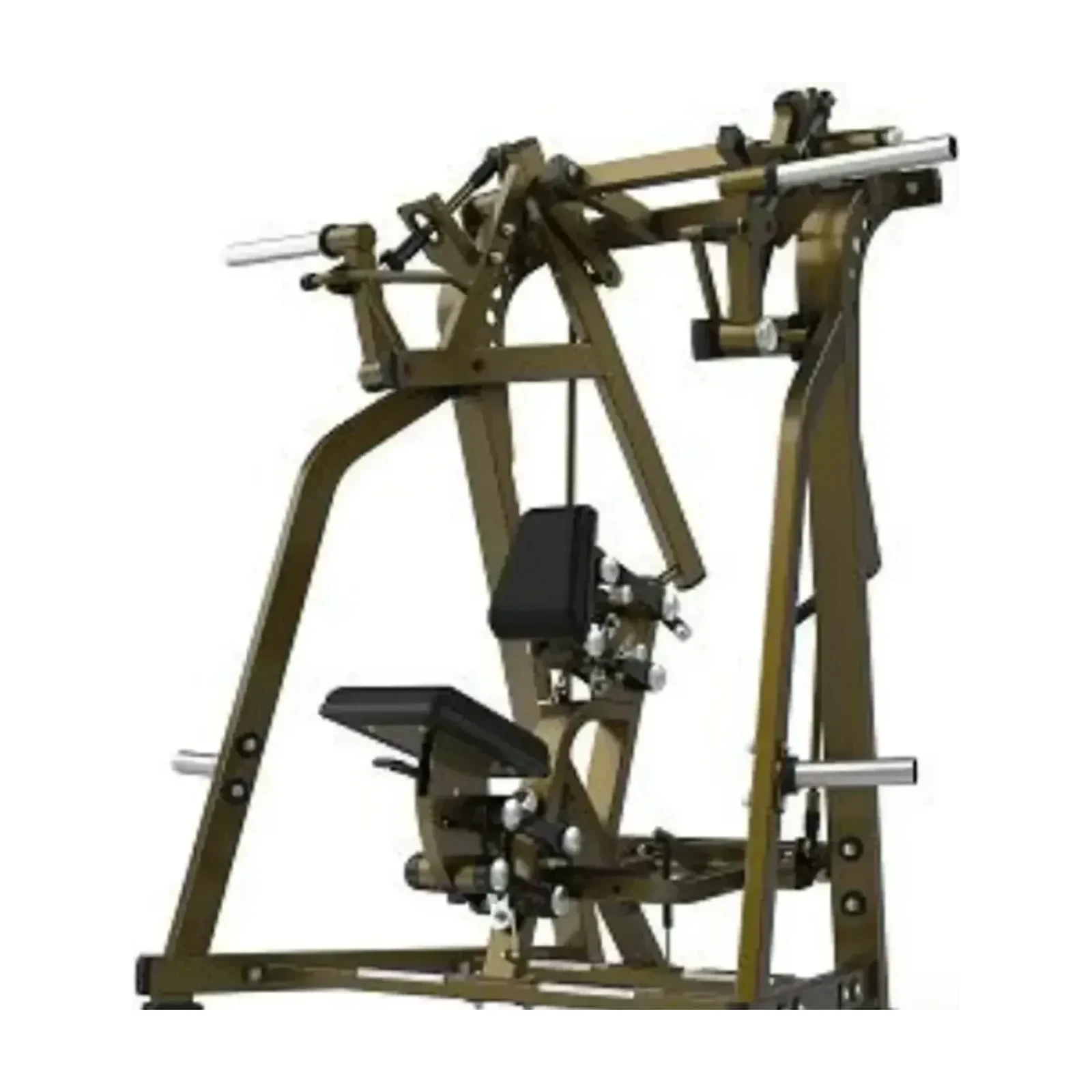
Define the station's job before comparing models
Separate a seated row strength machine from a cardio rowing ergometer at the start of the brief. The strength station provides a guided or lever-based horizontal pull; the cardio rower is a cyclic full-body conditioning machine. Record whether the new station will serve a general selectorized circuit, a plate-loaded strength zone, an athlete area, a hotel gym or a distributor showroom. Then observe how members currently obtain horizontal pulling work and when the available cable, bench or free-weight options become occupied.
List the intended users, supervision level, training language, cleaning routine and acceptable queue. Count the capacity already supplied by functional trainers, low pulleys, racks and benches, but do not treat every alternative as the same experience. A dedicated chest-supported station changes setup and torso support, while a shared cable station remains unavailable for other movements during a row. The purchase should solve a documented operating need rather than complete a catalogue sequence.
Match the resistance format to daily operation
Selectorized rows keep resistance on the machine and allow quick changes between users. Plate-loaded rows depend on compatible plates, collars when required, nearby storage and regular floor reset. A cable low row or combined pulldown/row can cover more exercises within one frame, yet both functions compete for the same station. Independent lever arms add bilateral and unilateral choices, but they do not create a second user place.
Compare the complete operating system, not the format name. For a mixed, unsupervised floor, short setup and clear adjustments can carry more value than the highest available resistance. For a strength-focused room, plate handling may already be built into staffing and member behaviour. For a compact hotel or workplace facility, shared equipment can be sensible when observed peak demand remains low. Write the intended operating role beside every shortlisted format.
| Format | Good operating fit | Trial focus | Often omitted |
|---|---|---|---|
| Selectorized seated row | Mixed users and rapid changes | Light start, increments, pin reach and return | Cable, pulleys, guides and wear parts |
| Plate-loaded chest-supported row | Strength zone with plate control | Start resistance, loading reach and plate path | Plates, storage, collars and floor reset |
| Independent lever arms | Bilateral and unilateral programming | Both arms together and separately | Still one user place |
| Pulldown/low-row or cable station | Compact site with shared demand | Changeover, attachments and scheduling | Lost availability for other exercises |
Trial entry, support and reach with real users
Use the current operating instructions and select people who represent the short, middle and tall ends of the intended population. Each person should approach without crossing a loaded movement path, sit down, set the seat or chest pad, place the feet, reach the handles, complete a controlled pull and leave without assistance that the facility will not normally provide. Record usable positions rather than the number of adjustment holes. A long adjustment scale does not prove that the supported posture and handle reach work together.
Check whether the chest support allows stable contact without blocking breathing or forcing the shoulders forward before the pull starts. Confirm that feet have a secure surface and that knees, thighs and frame members do not conflict. On open-entry models, inspect transfer space and handle access. When accessibility is part of the project brief, the responsible local professionals must define and verify it; a general product statement is not a substitute for a site-specific assessment.
Compare grips, arm path and delivered resistance
Ask for every grip orientation, handle movement, permitted start position and resistance option on the quoted model. Fixed horizontal, neutral and underhand grips can change wrist and elbow position. Self-adjusting or rotating handles may improve alignment for some users, while independent arms allow single-side work. These features still require a trial: a description such as diverging or natural does not demonstrate fit for the project's user range.
Start at the lightest usable setting or unloaded lever condition allowed by the instructions. Look for a smooth first movement, consistent engagement between sides, stable chest contact, adequate handle clearance and a controlled return without impact. Repeat at a moderate working load and, where permitted, with each arm separately. Record slack, abrupt changes, end-stop contact, unexpected frame movement, noise and grip rotation. Stack mass or plates on a horn do not state the force delivered to the hands through the full path.
Calculate peak capacity and draw the complete live area
During a fixed peak observation window, record arrivals, the share choosing horizontal pulling work, occupied minutes and the queue the facility will accept. Treat one machine as one place even when its arms move independently. A shared pulldown/row station must include demand from both exercises. If measured demand exceeds useful capacity, compare a second dedicated row with the extra capacity already available at cables, racks or free weights before increasing quantity.
Draw the machine body, moving arms, user, entry, coach position, plate loading, plate storage, attachment changes, cleaning reach and technician access. Verify ceiling, doors, lifts, turns, package dimensions and assembly order. Official product pages that publish a live area separately from equipment dimensions demonstrate why the base rectangle is not a finished layout. Use the quoted configuration drawing and keep circulation and local safety requirements under the control of the responsible project team.
Inspect wear points, anchoring and service access
On a selectorized row, inspect the selector pin, plates, guide rods, cable or belt, pulleys, terminations, shrouds and inspection openings. On a plate-loaded unit, inspect sleeves, stops, pivot points, bearings or bushings, arm travel and loading access. For both formats, cycle seat and chest-pad adjustments, handles and moving arms; examine upholstery seams, labels, foot surfaces and cleaning contact points. Service access that requires moving adjacent equipment belongs in the layout review.
Request the current assembly and user documents, exploded parts view, revision-linked part numbers, wear-part list, approved cleaning method, inspection schedule and isolation procedure. Confirm anchoring or floor-fixing instructions for the exact model and country. ISO 20957-1, ISO 20957-2 and ASTM F2216 provide relevant equipment frameworks; the buyer should request evidence tied to the offered configuration rather than assume compliance from a series name.
Approve a reference unit and normalize quotations
Use the same trial sheet for every candidate. Record model and revision, resistance format, representative users, entry, seat, chest support, foot position, grip, start, arm behaviour, return, live area, cleaning and technical access. Separate a failed requirement from a preference. Photographs help identify the approved configuration, while signed measurements and observations define what later deliveries must match.
Send every supplier one schedule covering quantity, resistance system, stack or plate interface, increments where applicable, seat and pad range, grips, arms, start condition, upholstery, finish, labels, live-area drawing, anchoring, packaging, assembly, documents, initial spare parts and tests. List plates, storage, collars, attachments and installation separately. Any change to mechanism, contact surfaces or adjustment range should return for written review before production or shipment.
Receive, commission and open against the approved record
Before assembly, compare package marks, model codes, quantities and visible condition with the order. Record freight damage and inspect the frame, finish, pads, seat, foot supports, pivots, arms, handles, stack or loading sleeves, guards, labels, manuals and fasteners. Assemble and secure the machine according to current instructions. A correct overall silhouette does not prove the specified revision, resistance path or contact surfaces.
Repeat entry, every adjustment and the movement unloaded or at the permitted minimum, then at a controlled working resistance. Confirm pin or plate retention, smooth engagement, equal arm operation where specified, full controlled path, return, sound, stability and clearances. Record machine identity, accepted settings, open defects, responsible person and closure date. Release the station only after staff understand setup, inspection, cleaning and isolation procedures.
FAQ
Should a gym choose selectorized or plate-loaded seated row?
Choose selectorized for quick changes and mixed users. Choose plate-loaded where plates, storage, floor reset and experienced use are already managed.
How should user fit be checked?
Trial short, middle and tall users together with seat, chest pad, foot support, handle reach, start position and controlled return.
Do independent arms double capacity?
No. They allow bilateral or unilateral pulling, but the station remains occupied by one user.
How much space does the machine need?
Add arm travel, user entry, coaching, loading, storage, cleaning and service access to the quoted equipment dimensions.
What should be written into the order?
Specify model and revision, resistance format, adjustments, grips, arms, live area, finish, anchoring, packaging, documents, spares and acceptance tests.
Sources
- ISO 20957-1 general requirements — International Organization for Standardization
- ISO 20957-2 strength equipment requirements — International Organization for Standardization
- ASTM F2216 selectorized strength specification — ASTM International
- Life Fitness Axiom seated row — Life Fitness
- Life Fitness Insignia row — Life Fitness
- Precor Resolute seated row — Precor