
Introduction
Choose a commercial wrist and forearm grip trainer by checking how the user is supported, how resistance is loaded, how the wrist and grip path feels, whether the machine can survive repeated hand contact, and whether the product fits your gym floor or distributor product line.
Key takeaways
- A dedicated forearm machine is usually a second-stage strength-floor upgrade, not the first machine for every small gym.
- The most important buying points are user support, resistance path, handle comfort, service access and product differentiation.
- Distributors should evaluate whether the machine fills a real gap between basic arm machines and small grip accessories.
Start with the training purpose, not the machine name
A wrist and forearm grip trainer is not a replacement for arm curl, triceps extension or cable stations. Its value is different. It gives a gym a dedicated position for wrist control, forearm loading and grip-focused accessory work. This matters for strength clubs, bodybuilding gyms, combat sport rooms, climbing-oriented spaces and distributors that want a more complete arm-training category.
Before comparing models, decide what problem the machine should solve. If the gym only needs basic arm training, a curl machine and cable station may be enough. If the gym wants a specialized station that gives members a visible way to train forearms and grip strength, a dedicated machine becomes more useful.
Check the user support and training position
Forearm training can become inconsistent when users stand, swing the body or change wrist angle during each repetition. A commercial machine should help the user repeat the setup. Look at the seat, forearm support, handle location and entry space. The user should be able to sit, position the arm and reach the handle without twisting the shoulder or leaning awkwardly.
- Seat position should let users approach the handle comfortably.
- Pads should support the body without forcing the wrist into an unnatural angle.
- The handle zone should be easy to understand for new users.
- The frame should leave enough room for users with different arm lengths.
Evaluate the resistance and drive system
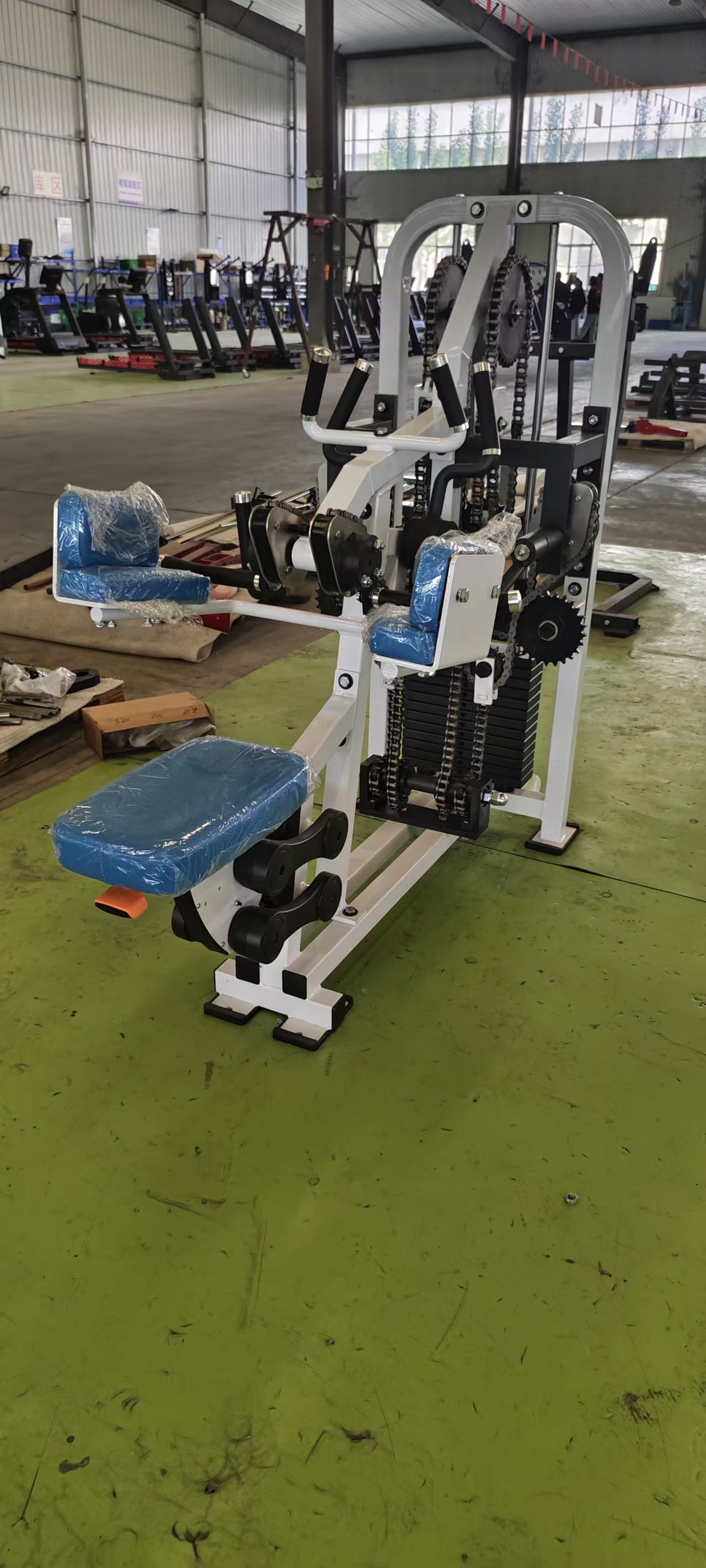
Resistance feel is one of the first things buyers should check. A chain-driven system gives a direct mechanical feel and makes the movement path visible during inspection. For a commercial buyer, the important question is not only whether the machine uses a chain. It is whether the chain path, sprockets, fasteners and weight-stack movement are easy to inspect and maintain over time.
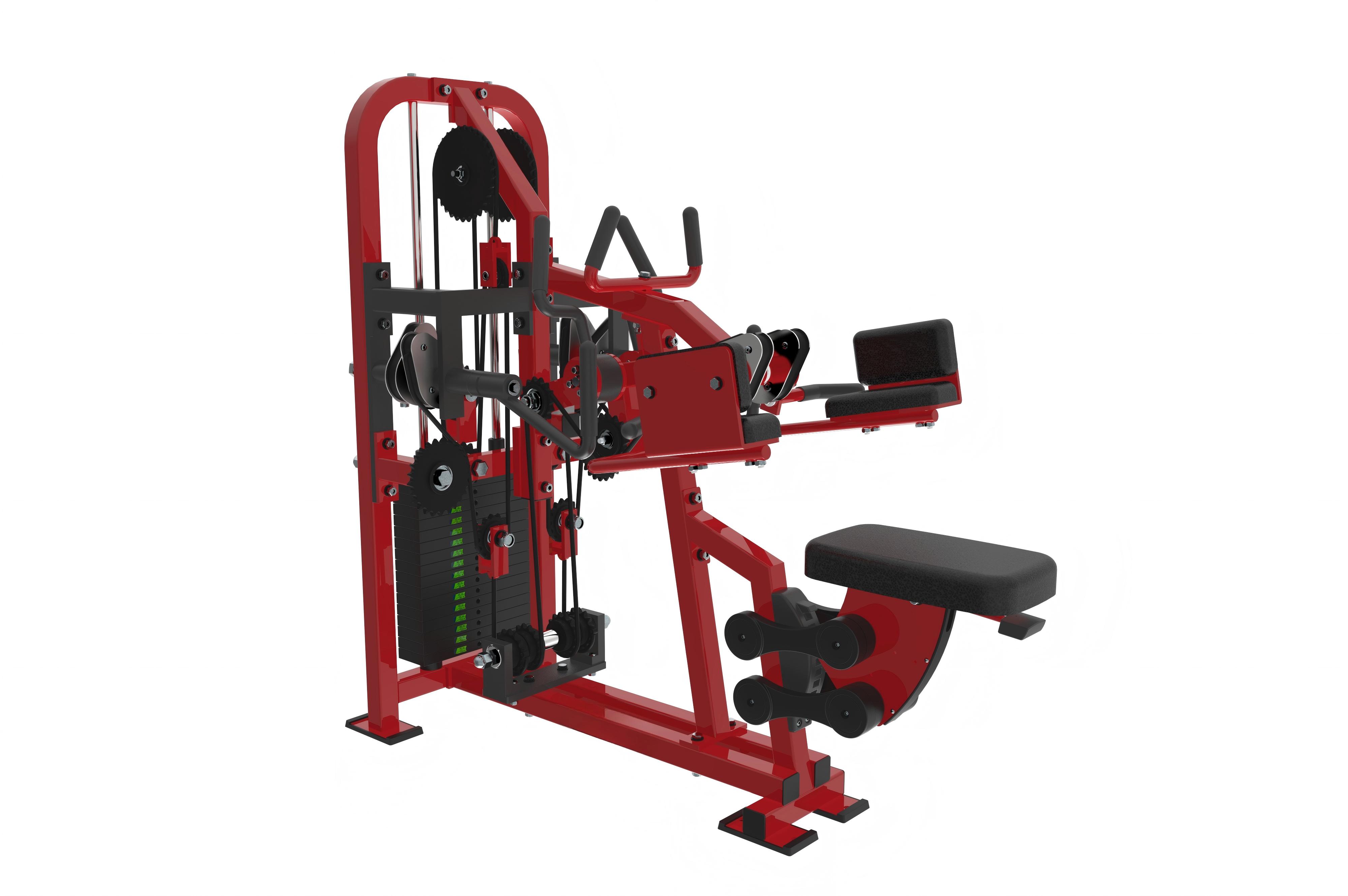
For DB151A, the chain transmission and weight-stack resistance make it easier to present the product as a fixed commercial station rather than a small accessory. That difference matters for gym owners who want a more complete strength area and for distributors who need products that look serious in a showroom.
Confirm the footprint and floor position
Specialized grip machines are often added after the core strength zone is already planned. That means floor space is valuable. The DB151A machine size is 1450 x 710 x 1410 mm, with a net weight of 320 kg. Buyers should confirm walking clearance, user entry direction and whether the machine sits near arm training, back training or free weight areas.
In a compact gym, this machine should not block dumbbell traffic or plate loading space. In a large strength club, it can sit near arm machines, cable stations, grip tools or athlete training accessories to create a clearer training zone.
Know when the machine is worth adding
Not every project needs this product first. A hotel gym or apartment fitness room normally starts with cardio, selectorized strength and multi-use stations. A wrist and forearm trainer becomes more valuable when the buyer already has a solid strength area and wants to add equipment that members do not see in every basic gym.
- Good fit: strength clubs, bodybuilding gyms, combat sport gyms and performance rooms.
- Good fit: distributors building a more complete arm-training product line.
- Possible fit: premium private gyms with enough space for specialized machines.
- Usually later stage: compact hotel gyms, apartment gyms and first-budget projects.
Ask the right supplier questions
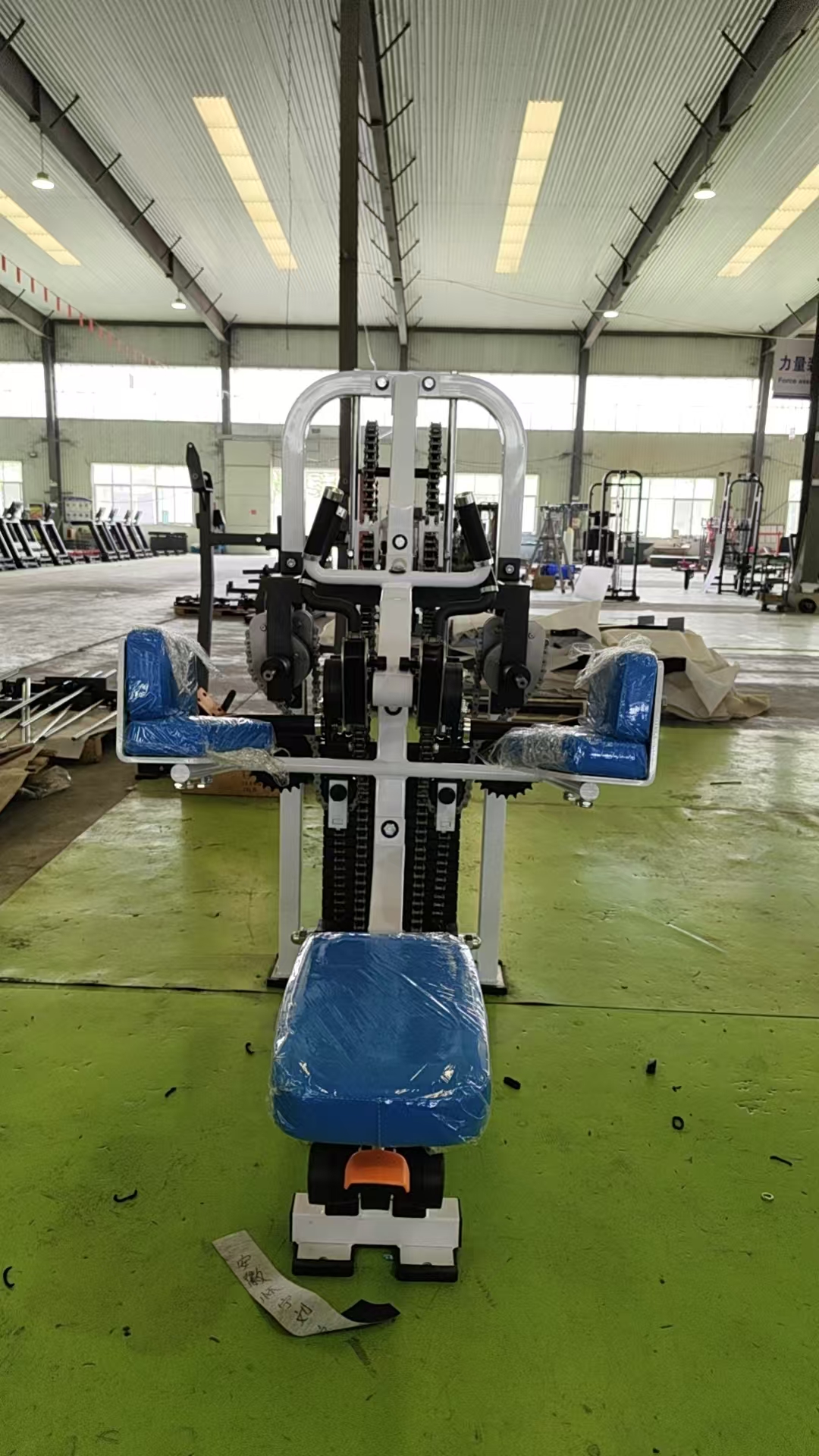
A useful quotation discussion should cover more than price. Ask about frame color, upholstery, logo method, packing, spare parts, chain inspection points and whether the supplier can support repeat orders with consistent appearance. For distributors, the ability to keep color and product finish stable across batches can be more important than a small price difference.
Commercial Wrist and Forearm Trainer Buying Checklist
| Buying Point | What to Check | Why It Matters |
|---|---|---|
| User setup | Seat, pad support and handle reach | Helps members repeat the movement without awkward posture |
| Resistance system | Chain path, sprocket alignment and stack travel | Affects movement feel and maintenance inspection |
| Footprint | 1450 x 710 x 1410 mm machine size | Helps plan floor clearance before ordering |
| Commercial durability | Frame stability, pads, handles and service access | Important for repeated daily gym use |
| OEM needs | Color, upholstery, logo and packing details | Supports distributor and private label purchasing |
Useful next pages
Buyer FAQ
What is a commercial wrist and forearm grip trainer used for?
It is used for guided wrist, forearm and grip-focused accessory training in commercial strength areas, strength clubs, athlete rooms and distributor showrooms.
Is a dedicated forearm grip machine better than handheld grip tools?
It depends on the gym. Handheld tools are compact, but a dedicated machine provides a fixed station, adjustable resistance and stronger commercial floor presentation.
What should I check before buying a chain drive forearm machine?
Check chain travel, sprocket position, handle comfort, seat support, frame stability, weight-stack movement, service access and whether the supplier can support color or logo customization.
Is this machine suitable for a new commercial gym?
It can be useful for a strength-focused gym, but most new general gyms should first confirm core strength machines, free weights, cardio and functional training before adding specialized grip equipment.
Can distributors sell wrist and forearm grip trainers as part of an arm machine line?
Yes. It can complement arm curl, triceps, cable and plate-loaded upper-body machines, especially for buyers who want a more complete strength product range.
What information should I send for a quotation?
Send the model, quantity, destination country, preferred frame color, upholstery color, logo needs and whether the order is for a gym project, showroom or distributor stock.
Conclusion
A commercial wrist and forearm grip trainer should be selected as a purposeful strength-floor upgrade. The strongest buying decision comes from matching the machine to the user group, checking the drive system and floor position, then confirming whether it supports the buyer's project or product-line strategy.
Need this topic turned into a real equipment plan?
Send your market, gym size, product categories or OEM needs. Kloe can help clarify the next step.