ENESPTFRARDEKOVISVITPLNLIDTR
Chain Drive Wrist & Forearm Grip Trainer commercial gym functional training equipment
New Product Series

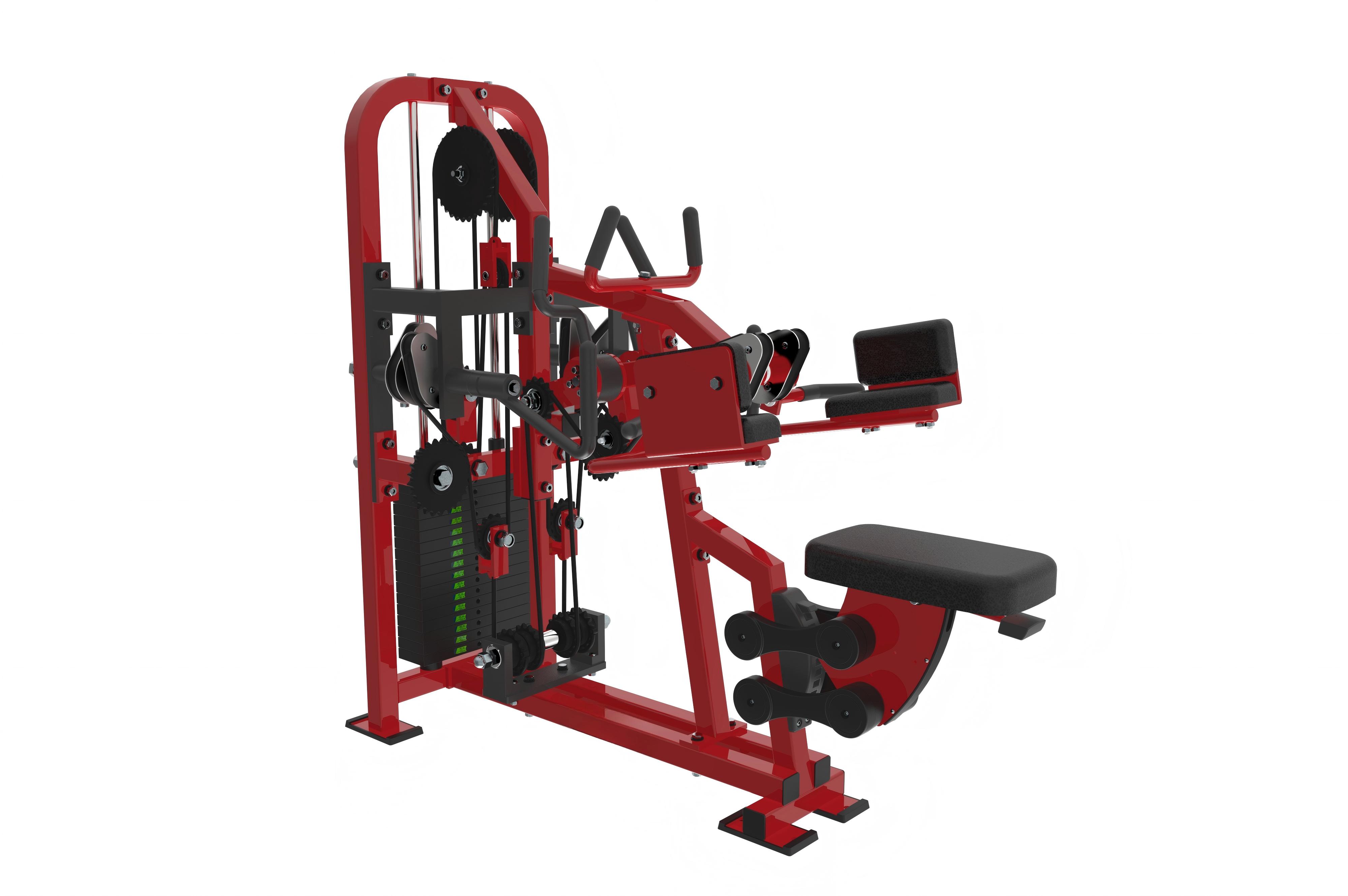
DB151A Chain Drive Wrist & Forearm Grip Trainer

A chain-driven commercial wrist, forearm and grip training station for strength clubs, athlete rooms and distributors that need a dedicated accessory machine beyond handheld grip tools.

Product Overview

DB151A product overview

Most gyms already cover chest, back, legs and shoulders, but forearm and grip training is often left to small accessories. The DB151A gives members a seated, guided station for wrist control, forearm loading and grip-focused accessory work. It is especially useful for strength clubs, athlete rooms and distributors that want a more complete arm-training category.

Parameters

Product parameters

ModelDB151A
Product NameChain Drive Wrist & Forearm Grip Trainer
CategoryLatest Products
SeriesNew Product Series
Training AreaWrist control, forearm strength and grip-focused accessory training
Load TypeChain transmission with weight-stack resistance
Product Size1450 x 710 x 1410 mm
Product Weight320 kg
Key Features

Training and engineering notes

  • Chain transmission creates a direct mechanical feel and makes the drive path easy to inspect.
  • Seated support helps users keep a stable body position while focusing on wrist and forearm work.
  • Paired handle positions allow members to train with controlled wrist and grip-focused movement.
  • Weight-stack resistance makes loading easier to manage than loose plates in a busy gym area.
  • Visible chain and sprocket layout helps maintenance teams inspect alignment and wear points.
Training Benefits

What this machine helps users train

  • Forearm strength and endurance training for members who need more than basic arm curl or cable work.
  • Grip-focused accessory work for strength athletes, combat-sport users, climbers and bodybuilding members.
  • Wrist control under guided resistance, reducing the need to rely only on loose accessories.
  • Accessory training that supports pulling movements, deadlift preparation and upper-body strength programs.
Materials

Material and finish

  • Steel frame structure with seated user support and visible chain-drive components.
  • Upholstered seat and arm support areas designed for repeated commercial use.
  • Weight-stack resistance system with chain and sprocket drive path for guided accessory training.
Training Application

Commercial use scenarios

  • Commercial strength clubs adding a dedicated forearm and grip training station.
  • Bodybuilding gyms building a more complete arm and accessory training area.
  • Combat-sport, climbing and athletic training rooms where grip endurance matters.
  • Distributor showrooms that need a specialized product beyond standard strength machines.
  • High-end private gyms with enough space for focused wrist and forearm equipment.
Commercial Use

Where this model fits in the gym floor

  • Place the machine near arm, back or accessory strength zones so members understand its training purpose.
  • Use it as a second-stage equipment addition after the core strength, free weight and cable areas are already planned.
  • For distributors, position it as a differentiated arm-training product that complements curl, triceps and cable machines.
Why Choose This Machine

Why this model matters in a gym plan

  • It fills a gap that many commercial gyms leave to small accessories, giving members a fixed station for forearm and grip work.
  • The guided seated setup helps users repeat the movement more consistently than loose wrist rollers or handheld tools.
  • The visible chain-drive mechanism gives maintenance teams clear inspection points for chain path, sprockets and fasteners.
  • It gives distributors and strength-focused gyms a product that is easier to present than basic grip accessories.
Buying Guide

How to evaluate this model before ordering

  • Confirm whether your gym already has enough demand for specialized wrist, forearm and grip training.
  • Check handle shape, pad support and seated position before comparing only price or color.
  • Review chain travel, sprocket alignment and service access because these details affect long-term maintenance.
  • Plan floor space around user entry, seat adjustment and safe movement clearance.
  • For distributors, decide whether this product supports a differentiated arm-training or strength-club line.
Investment Value

How this model supports a purchasing plan

  • Adds a specialized station without requiring the floor footprint of a large multi-station system.
  • Helps commercial gyms differentiate the strength floor from facilities that only offer basic arm machines.
  • Gives distributors a new-product conversation point for buyers asking for more complete arm and grip training categories.
Compare With

How to compare this model with nearby options

  • Compared with wrist rollers, this machine gives a fixed seated position and easier resistance control, but it requires more floor space.
  • Compared with handheld grip trainers, it offers stronger commercial floor presentation and is less likely to be misplaced.
  • Compared with cable wrist exercises, it keeps forearm work away from shared cable stations that other members may need.
  • Compared with arm curl machines, it targets wrist control, forearm loading and grip-focused accessory work rather than upper-arm isolation.
OEM Options

Private label and customization

  • Logo, frame color and upholstery options can be discussed based on order requirements.
  • Product configuration, packing and nameplate details are available upon request.
  • Final customization feasibility depends on model, quantity and production schedule.
Engineering & Manufacturing

Engineering and production focus

  • Inspect chain path, sprockets and fasteners regularly because this product uses visible chain transmission.
  • Keep handle areas, pads and adjustment points clean because the machine receives repeated hand and forearm contact.
  • Review weight-stack travel and drive movement during routine maintenance to keep resistance consistent.
  • Confirm spare parts and service access before container orders when the product is sold as part of a distributor line.
Maintenance

Cleaning, inspection and replacement planning

  • Inspect the chain path, sprockets and visible fasteners as part of regular gym equipment maintenance.
  • Clean handles, pads and user contact areas frequently in high-traffic commercial gyms.
  • Check weight-stack movement and resistance travel before putting the machine into daily member use.
FAQ

Questions before quotation

What is a chain drive wrist and forearm grip trainer used for?

It is used to add guided wrist, forearm and grip-focused accessory training to a commercial strength area. It gives members a dedicated station instead of relying only on dumbbells, wrist rollers, cable handles or handheld grippers.

Why does a commercial gym need a dedicated forearm and grip machine?

A dedicated machine helps clubs serve users who care about grip endurance, forearm development and sport-specific accessory strength. It can also make the strength floor look more complete than a basic machine mix.

How is this machine different from a wrist roller or handheld grip trainer?

Handheld tools are compact, but they are not always easy to load progressively or control in a busy gym. This machine uses a seated position, fixed frame support and weight-stack resistance, so members can train with a more repeatable setup.

What is the advantage of chain transmission on a forearm grip machine?

Chain transmission gives the movement a direct mechanical feel and makes the drive path easy to inspect. For buyers, the important points are chain alignment, sprocket condition, lubrication access and stable resistance travel.

Who usually buys a wrist and forearm grip trainer?

It is most relevant for strength gyms, bodybuilding clubs, combat-sport training rooms, climbing-focused spaces, athlete training centers and distributors that want a more differentiated arm-training product line.

Is this product suitable for hotel gyms or apartment fitness rooms?

It can be used in higher-end fitness rooms, but it is usually not the first machine to buy for a compact hotel or apartment gym. Those projects normally start with cardio, selectorized strength and multi-use stations before adding specialized grip training.

What should buyers check before ordering a commercial forearm machine?

Check the machine footprint, user entry space, seat and pad support, handle comfort, chain travel, weight-stack movement, service access and whether the frame color and upholstery can match the rest of the project.

Can the color and logo be customized for distributors?

Frame color, upholstery color and logo details can be discussed based on order requirements. Final customization depends on quantity, production schedule and the exact branding method.

Does this machine replace arm curl or triceps equipment?

No. It supports a different training purpose. Arm curl and triceps machines focus on upper-arm muscles, while this machine is designed around wrist control, forearm work and grip-focused accessory strength.

Is this machine intended for medical rehabilitation?

This is commercial strength and accessory training equipment. Medical or rehabilitation use should be evaluated by qualified professionals and specified separately before purchase.

What information should I send to request a quotation?

Send the model name, quantity, destination country, preferred frame color, upholstery color, logo requirements and whether the machine will be used for a gym project, showroom or distributor stock order.

Related models

More products in New Product Series

Compare nearby models before sending your final quotation list.

Request Quote

Send DB151A or your full model list for quotation support

Share quantity direction, destination market, application scenario and customization needs. PowerBaseFit will help clarify product details, quotation direction and next communication steps.

WhatsApp