
Introduction
A wrist roller is useful as a low-cost accessory, while a commercial forearm grip machine is better when the gym needs a fixed, guided, adjustable and visually professional training station. The better choice depends on space, budget, user type and whether the equipment must support long-term commercial use.
Key takeaways
- Wrist rollers and handheld grip tools are simple, compact and low cost, but they are easy to lose and hard to present as a serious gym station.
- A forearm grip machine is more appropriate for strength clubs, athlete rooms and distributors that want a differentiated product category.
- Commercial buyers should compare training control, resistance adjustment, floor presentation, maintenance and purchase intent before choosing.
The real comparison is not only price
A wrist roller, grip trainer and dedicated forearm machine can all train the lower arm, but they solve different problems. A small accessory solves a basic training need. A commercial machine solves training control, floor presentation, user repeatability and product-line differentiation.
For a home user, a wrist roller may be enough. For a commercial gym owner or distributor, the question is broader: will the equipment survive daily use, stay in the right place, look professional and give members a reason to use it repeatedly?
Wrist roller: simple but limited
A wrist roller is easy to understand and does not require much space. It can be useful for warm-up, grip endurance and simple forearm work. The weakness is that movement quality depends heavily on the user. In a busy gym, some users may swing the shoulders, stand with poor posture or use the tool inconsistently.
- Low cost and easy to add to an accessory area.
- Useful for basic forearm endurance work.
- Not ideal when the gym wants controlled loading and fixed setup.
- Easy to misplace, damage or ignore on a crowded floor.
Handheld grip tools: useful but not a full station
Handheld grippers are good for simple grip work, but they do not create a complete equipment station. They are often used outside the main machine area and do not give a distributor or gym owner much visual value. For clubs trying to build a serious strength floor, small accessories should support the machine mix rather than replace it.
Cable wrist exercises: flexible but less specific
Cable stations can train wrists and forearms with different attachments. The advantage is flexibility. The limitation is that cable stations are usually shared by many exercises. A member training forearms may occupy a cable station that other members need for back, chest, shoulder or arm movements.
For a compact gym, that flexibility is useful. For a larger strength area, a dedicated forearm machine can reduce competition for cable stations and make the training zone more complete.
Forearm grip machine: a stronger commercial presentation
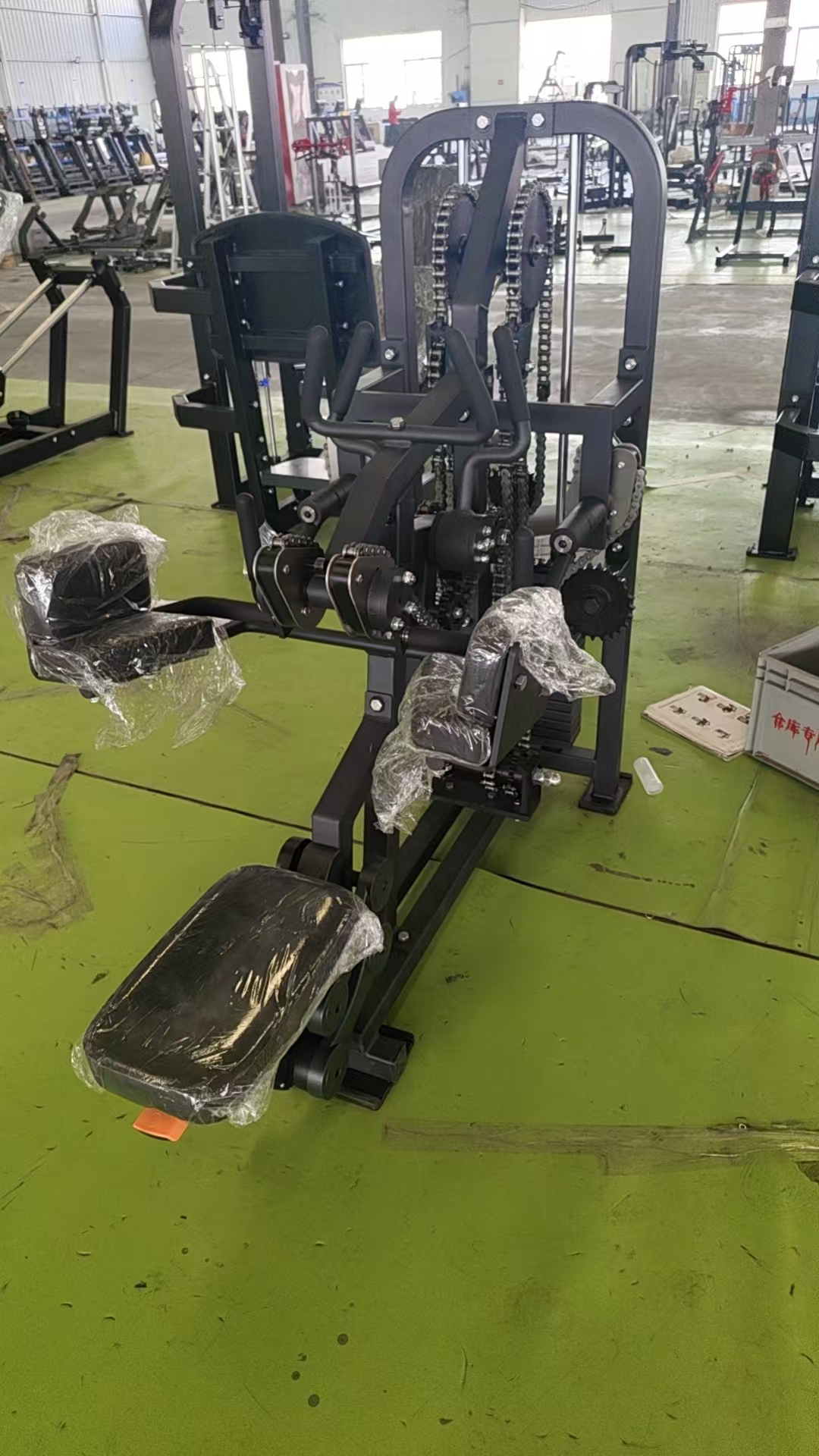
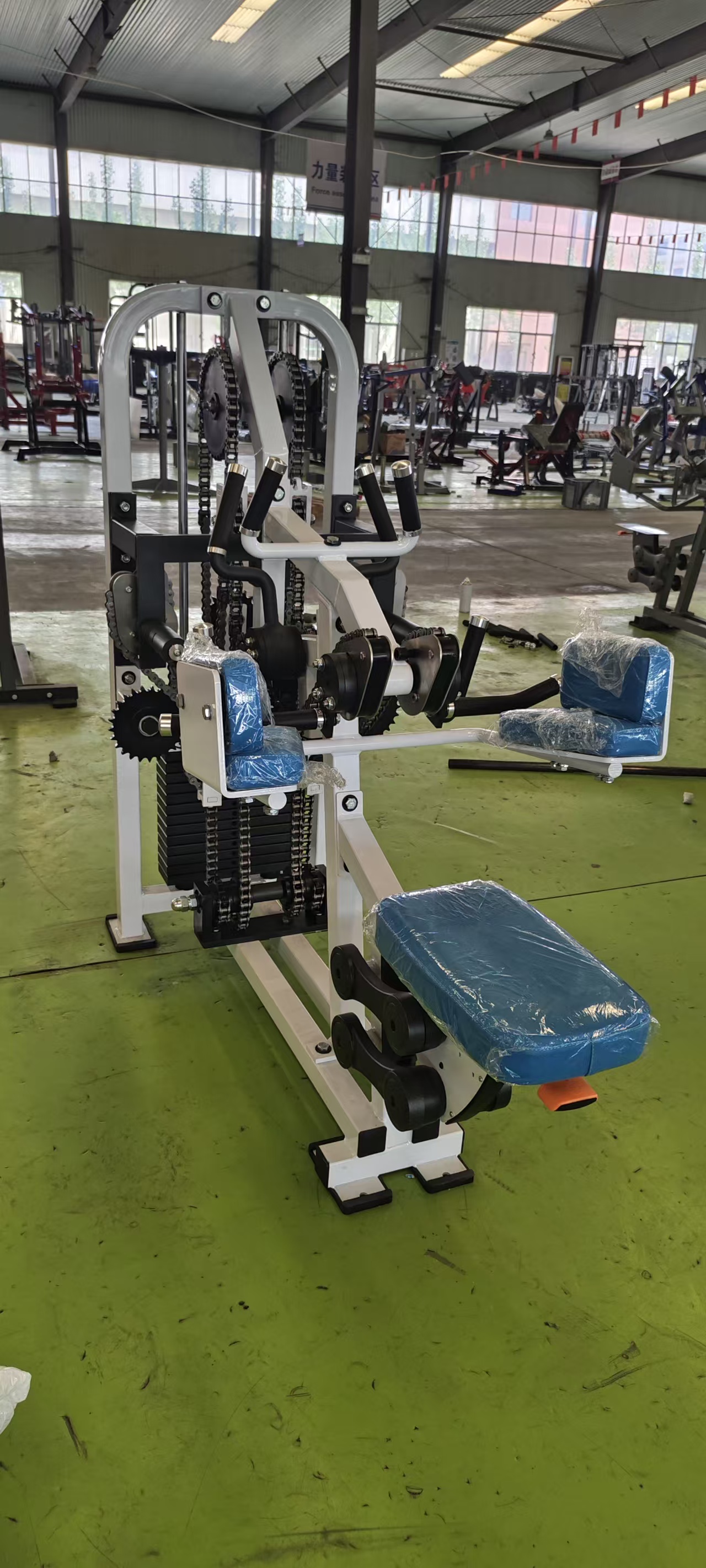
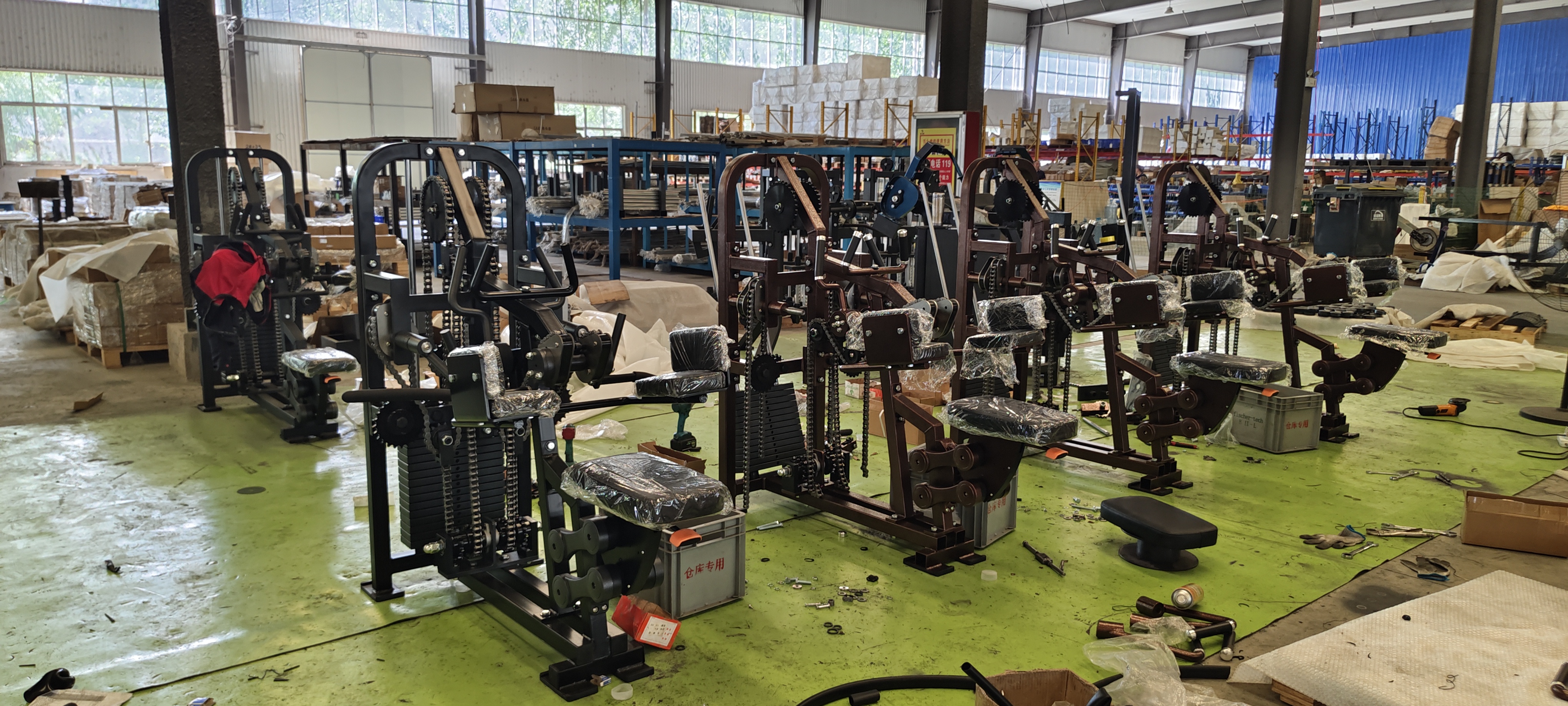
A dedicated forearm grip machine gives the gym a fixed position, adjustable resistance and a more controlled user setup. The DB151A uses chain transmission with weight-stack resistance, giving buyers a machine-style solution rather than a loose accessory. This helps gyms create a more complete arm and grip training area.
The tradeoff is space and investment. A dedicated machine should be chosen when the gym has enough floor area and a clear user group that values grip strength, forearm development or specialized accessory training.
Which option should different buyers choose?
- Small hotel gym: start with safer core equipment; add grip tools only if space allows.
- General commercial gym: use cable options first, then add a dedicated station if members ask for more arm and grip training.
- Strength club: a commercial forearm grip machine can help complete the strength-floor experience.
- Combat sports gym: grip and forearm work can be a practical specialized training area.
- Distributor: a dedicated machine can help separate the product line from basic accessories.
Wrist Roller vs Forearm Grip Machine Comparison
| Option | Best Use | Main Limitation | Commercial Buying Note |
|---|---|---|---|
| Wrist roller | Low-cost accessory training | Less controlled setup | Useful add-on, not a full station |
| Handheld gripper | Simple grip practice | Easy to lose or under-present | Better as accessory stock |
| Cable wrist exercise | Flexible gym use | Competes with other cable movements | Good for compact gyms |
| Forearm grip machine | Dedicated commercial station | Needs floor space and higher investment | Best for strength-focused buyers |
Useful next pages
Buyer FAQ
Is a wrist roller enough for a commercial gym?
It can be enough for basic accessory work, but it does not offer the same fixed setup, adjustable resistance or professional floor presentation as a dedicated forearm grip machine.
Why would a gym buy a forearm grip machine instead of small grip tools?
A dedicated machine gives members a clear training station, helps control user position and creates stronger visual value in a commercial strength area.
Are cable wrist exercises a good alternative?
They are flexible, but they use a cable station that other members may need. A dedicated machine can reduce that conflict in larger strength gyms.
Which buyer type benefits most from a commercial forearm machine?
Strength clubs, bodybuilding gyms, combat sports gyms, athlete training rooms and distributors usually benefit more than small hotel or apartment gyms.
Does a chain drive forearm machine need more maintenance?
It needs regular inspection of the chain path, sprockets and fasteners, but the visible mechanical path can also make routine checks straightforward for trained maintenance staff.
Should distributors add this product to a hot products list?
It can be a good differentiated product when the distributor already sells core strength machines and wants to expand into specialized arm, wrist and grip training equipment.
Conclusion
Wrist rollers and grip tools still have a place, but a dedicated forearm grip machine serves a different commercial purpose. It is a better fit when the buyer wants controlled loading, stronger floor presentation and a specialized training station that supports a more complete strength equipment line.
Need this topic turned into a real equipment plan?
Send your market, gym size, product categories or OEM needs. Kloe can help clarify the next step.