
Leg Extension and Leg Curl Machines: Separate or Combined?
Choose separate leg extension and leg curl stations when peak demand requires two members to train at once and the floor can support two operating envelopes. Choose a dual-function station when one-user capacity is acceptable and space or capital must cover both movements on one frame. Do not decide from the stack label or footprint alone. Test the exact offered machine with representative users for knee-to-pivot positioning, ankle and thigh-pad adjustment, entry, start range, low-load control and changeover time. Then freeze the approved configuration, service parts, clearances and receiving checks in the purchase order.
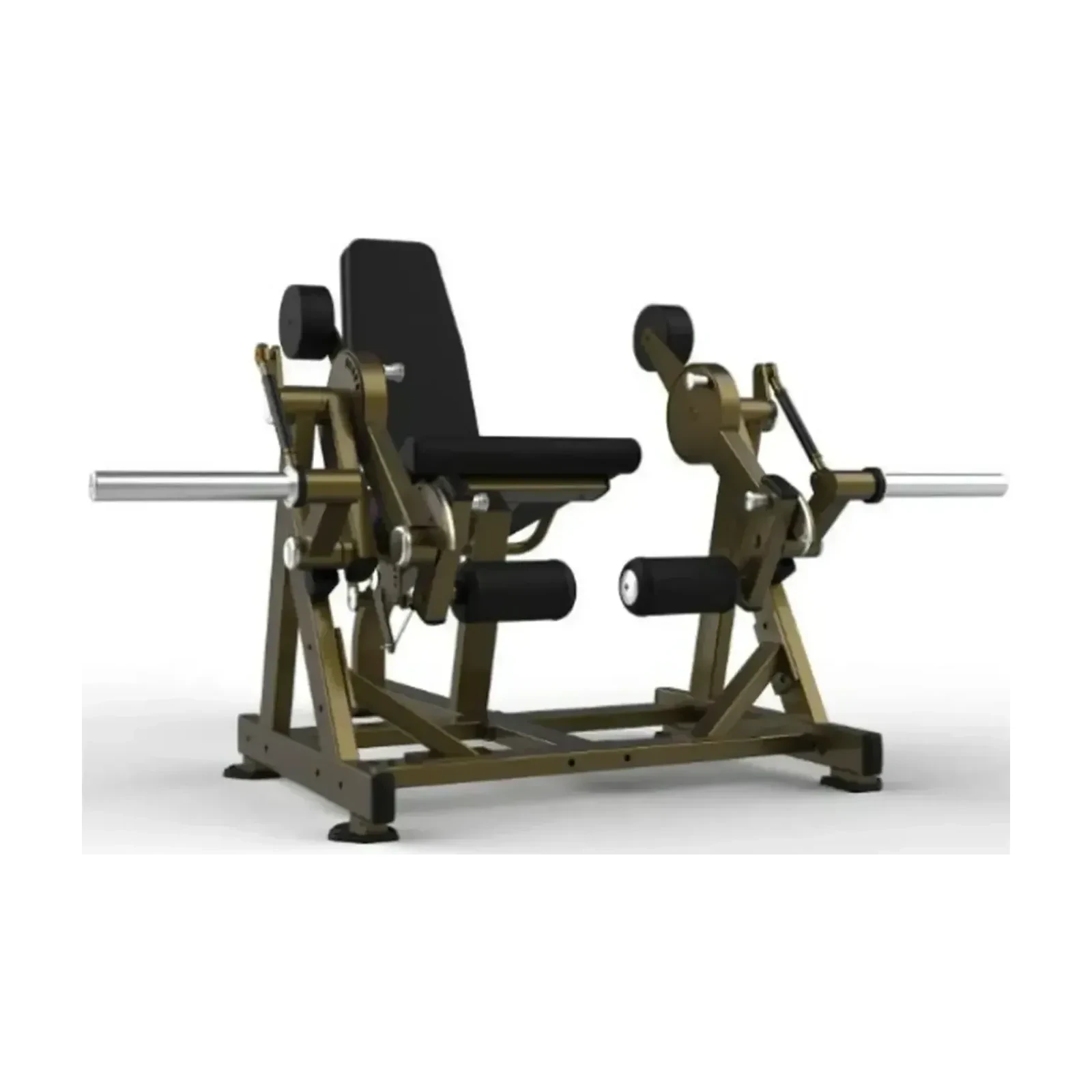
Start with the job of the lower-body circuit
Record what the existing lower-body zone already covers and where members wait. A leg press, squat station and hip machine do not replace knee-extension and knee-flexion capacity, yet they influence how much isolated work the floor needs. Observe fixed peak periods and count arrivals, occupied minutes, adjustment help, abandoned sets and substitutions. Separate demand for quadriceps work from hamstring work instead of calling both a leg-machine need.
Define the buying population before comparing frames. A general club can prioritize obvious setup and quick resistance changes; a strength-led gym can accept more deliberate adjustment; a hotel or school can value one compact station with clear instructions. If the facility supports a clinical program, let the qualified professional define its requirements. The equipment purchase should state users, supervision, operating hours and acceptable waiting time without making treatment claims.
Choose between separate and dual-function stations
Two dedicated machines provide two simultaneous positions and let each frame be organized around one movement. They require more floor, more cleaning surfaces, more scheduled inspection and a larger delivery scope. A combined station uses one frame and one resistance system for both exercises, but each user must convert the work arm, pads and starting position. That conversion becomes part of every set handoff and should be timed during the pilot.
Do not assume a combo is automatically cramped or a dedicated unit automatically fits better. Compare the actual adjustment ranges and operating sequence. Confirm whether the curl is seated or performed in another position, whether the same roller changes role, and which parts must be moved before resistance can be applied. A clear instruction placard and adjustments reachable from the setup position reduce staff intervention, but only an observed user trial proves the workflow.
| Format | Best operating fit | Main trial | Often-missed cost |
|---|---|---|---|
| Separate extension and curl | Busy floor needing two users | Fit and workflow on each frame | Two live areas and duplicated service |
| Combined seated unit | Compact floor with one-user demand | Every conversion and pad setting | Changeover time and shared queue |
| Dedicated prone curl | Program that needs prone setup | Entry, body support and knee position | Extra length and cleaning surfaces |
| Externally loaded model | Plate-managed strength zone | Starting resistance and loading access | Plates, collars, storage and housekeeping |
Test fit from the knee outward
Place the user's knee beside the intended pivot according to the supplied instructions, then set the back support, seat, thigh restraint and lower-leg pad. The ankle or tibia pad should meet the position defined by the manufacturer without forcing the user to slide away from the back support. Test short, middle-range and tall users. Record which numbered settings work so the facility knows the usable range rather than merely counting adjustment holes.
Run the extension and curl as separate fit tests. Check entry and exit at the lightest usable resistance, the starting-angle control, handle reach, pelvis and back support, pad security and the ability to stop the movement under control. Repeat after converting a dual-function unit, because a setting that works for extension does not prove curl fit. If a user must stand inside a moving path to adjust a component, document the procedure and decide whether it is acceptable for the site.
Compare curl position and delivered resistance
A seated curl uses back and thigh support while the user remains upright; a prone curl changes entry, body contact, visibility and the space used by the torso. Standing or unilateral formats serve a narrower program and should be justified by documented demand. These labels describe operating positions, not a quality ranking. Test the intended members' ability to set up, maintain contact and leave the station without relying on an experienced buyer's preference.
Stack mass is not the same as delivered resistance. Ask for starting resistance, increments, cable or belt relationship, work-arm geometry, travel and the approved adjustment range. Move through the beginning, middle and end at low and working settings, observing slack, abrupt transitions, unintended contact and controlled return. Compare extension and curl independently on a combo, because the two paths can use the same stack through different geometry.
Plan throughput and the complete live area
Calculate capacity from the busiest interval: users seeking extension, users seeking curl, minutes per set sequence, setup time and the waiting threshold the facility accepts. One combined station remains one place even when it lists two exercises. Separate stations can serve two members, yet only when circulation and plate or stack access do not interfere. Use observations from the existing floor or a comparable operation rather than a fixed member-to-machine ratio.
Draw more than the static footprint. Add the work-arm sweep, seat and pad adjustment, approach route, user legs, coach position, cleaning access and technician access. For externally loaded models, add plate handling and storage. Keep movement away from aisles and adjacent equipment. Verify doors, lifts, turns, package sizes and the permitted assembly sequence before shipping, then confirm the offered model's anchoring and clearance instructions with the site plan.
Inspect the parts that control availability
On selectorized machines inspect the pin, plates, guide rods, cable or belt path, terminations, pulleys, guards and access to wear points. On externally loaded designs inspect sleeves, stops, pivots and the plate-storage plan. Across both formats review bearings or bushings, work-arm play, adjustment pins, spring assists, pad cores, seams, grips, labels and fasteners. Smooth paint does not compensate for an adjustment that binds or a service part hidden behind unrelated assemblies.
Ask for the exact wear-part list, part numbers tied to the offered revision, approved cleaning products, inspection points, lubrication instructions and the process for removing a station from use. A dual-function machine can have more frequently operated locks and pads, while two dedicated units duplicate other service items. Compare scheduled work and access, not a simple count of components. ISO 20957-1, ISO 20957-2 and ASTM F2216 provide relevant frameworks; request evidence for the exact model and destination market.
Approve a reference unit and normalize quotations
Use one written trial sheet for every shortlisted model. Record model and revision, resistance system, tester stature range, entry, every adjustment, knee-pivot setup, start positions, full approved travel, return, noise, changeover time, cleaning access and technician comments. A photograph identifies a configuration but does not replace signed requirements. Separate user preference from a failed requirement so a popular feel cannot conceal an unreachable adjustment or unclear lock.
Send every supplier the same schedule: separate or combined format, curl position, quantity, stack or plate interface, starting resistance and increments when applicable, adjustment positions, upholstery, labels, live-area drawing, anchoring, packaging, installation, manuals, spare parts and acceptance tests. Price plates, storage, assembly and initial spares as explicit lines. Freeze the approved work arm, pads, handles, colors and documents so a substitute is reviewed before production or shipment.
Receive and commission by the approved identity
Before assembly, reconcile package markings, model codes, quantities and visible condition with the order. Record transit damage and check frames, finish, pads, rollers, work arms, pivots, adjustment hardware, stack or sleeves, guards, labels, manuals and included fasteners. Assemble and anchor only under the current instructions. A complete-looking machine is not accepted until its revision and configuration match the approved record.
Repeat the trial at no load or the minimum permitted setting, then at a controlled working setting. Verify entry, each adjustment, both exercises on a combo, start positions, selector or plate interface, full travel, return, abnormal noise, stability and clearances. Record serial or batch identifiers available for the model, accepted settings, open defects and the responsible closer. Release the station only after staff receive the setup, cleaning, inspection and isolation procedure.
FAQ
Should a new gym buy a combo or two machines?
Use peak demand and live-area capacity. A compact site with one-user demand can choose a combo; a busy floor often benefits from two simultaneous stations.
Is a seated leg curl better than a prone curl?
Neither is universal. Compare entry, support, adjustment, space, cleaning and the actual program with representative users on the exact model.
How is knee-pivot alignment checked?
Follow the offered model's instructions, then verify seat, back, thigh and lower-leg pad settings across the declared user range for both movements.
Can two machines be compared by stack weight?
No. Starting resistance, increments, transmission geometry and travel affect delivered resistance, so request model-specific data and run a controlled trial.
What must the purchase order record?
Record model and revision, format, curl position, resistance, adjustments, pads, labels, clearances, anchoring, packaging, installation, documents, spares and receiving tests.
Sources
- ISO 20957-1 general requirements — International Organization for Standardization
- ISO 20957-2 strength equipment requirements — International Organization for Standardization
- ASTM F2216 selectorized equipment specification — ASTM International
- Life Fitness Axiom seated curl and extension — Life Fitness
- Precor Resolute leg extension — Precor
- Precor Resolute seated leg curl — Precor