
Introduction
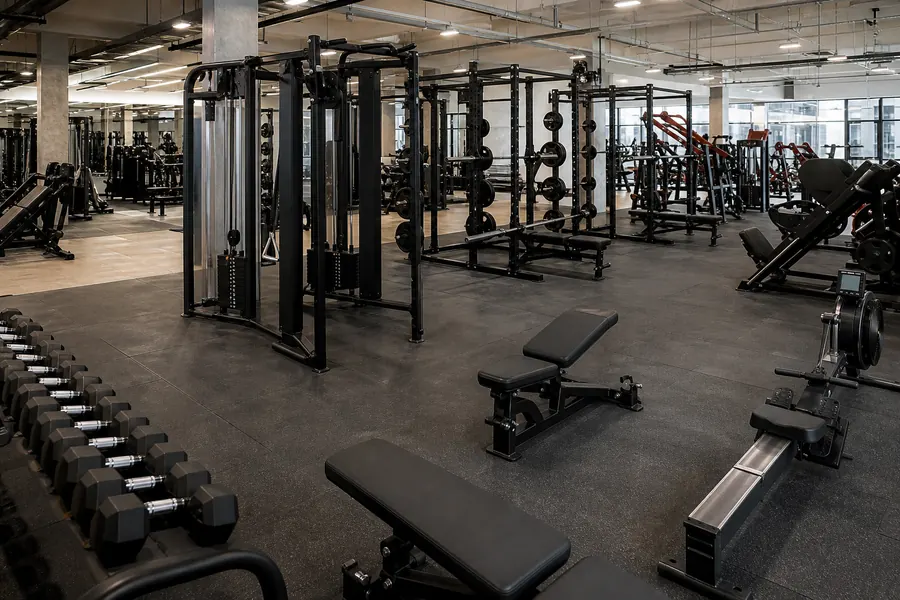
The most profitable commercial gym machines are usually the ones that support many members, important training goals and reliable daily use for their total floor and ownership cost. Functional trainers, racks, benches, dumbbells, essential cardio and familiar strength staples often create stronger portfolio value than specialized machines, but profitability depends on the gym's price model, demand and operations.
Key takeaways
- Define the business role: State whether the machine protects baseline experience, adds capacity, enables programming or differentiates the gym.
- Measure demand breadth: Identify member segments, movements and sessions the equipment can support.
- Use the working envelope: Include access, storage, loading, cable travel, benches and service clearance.
Planning context
No machine creates profit by itself. Revenue comes from a facility proposition that attracts and retains members, while equipment contributes through capacity, experience, programming and differentiation. A machine with a high price can be valuable when it anchors demand; a cheap machine can be expensive when it occupies space and rarely supports a member goal.
Investors should evaluate machines as a portfolio. Measure useful user positions, movement coverage, peak demand, floor productivity, service burden and the role each item plays in sales or retention. This guide avoids invented return figures and gives a practical framework for comparing commercial value before requesting a package.
Define Profit Contribution Before Ranking Machines
A machine can contribute through direct and indirect routes. Direct contribution may come from personal training, premium zones, small-group programs or a membership tier. Indirect contribution includes meeting baseline expectations, reducing queues, making the floor easier to understand and supporting member progress. Operators should name the intended contribution before using the word profitable.
Use facility-level measures rather than assigning unsupported revenue to a single machine. Useful indicators include sessions or user contacts, peak occupancy, waiting, downtime, service cost, floor area, staff dependence and member feedback. Combine these with acquisition, freight, installation, financing, electricity and parts. The result is a decision framework, not a universal payback promise.
High-Utility Equipment Usually Forms the Strongest Commercial Core
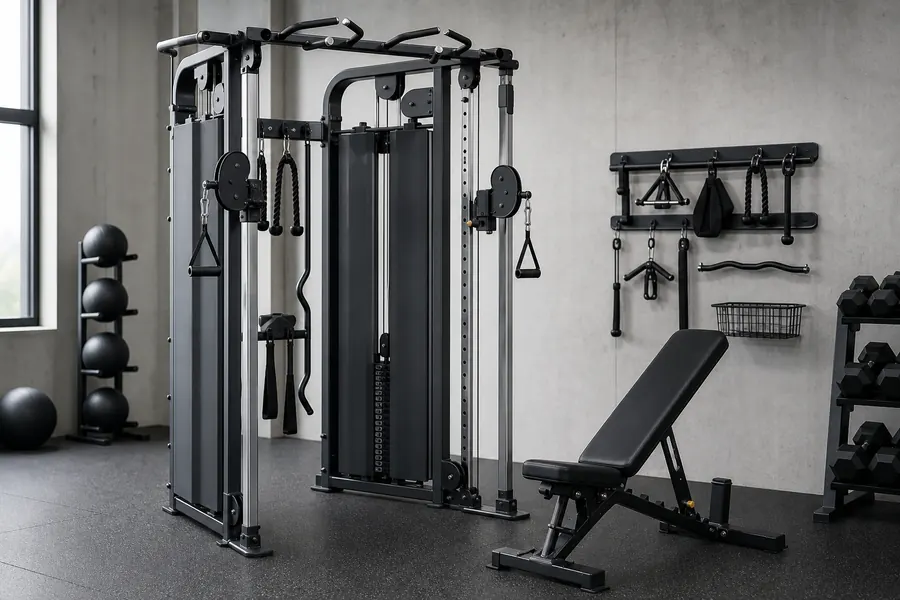
Functional trainers rank highly in many gyms because adjustable pulleys support pressing, pulling, rotation, arms, lower-body accessories and coached exercise. Racks and benches serve compound lifts and many variations. Dumbbells cover a wide strength range with familiar movements. These assets can support general members, advanced users and personal trainers when the layout, attachments, storage and supervision are right.
Utility must be judged at the working zone level. A functional trainer needs cable distance and organized handles. Racks require bars, plates, storage and spotting policy. Dumbbells require safe approach and return. A versatile item placed in a cramped or confusing area loses much of its value. Budget for the supporting system rather than treating the headline machine as a complete solution.
Familiar Strength Staples Protect the Member Experience
Chest press, vertical pull, seated row, shoulder press, leg press, leg curl or extension and accessible core equipment help mixed-level members build a complete session. Their value comes from clarity and repeatability. New users can identify the movement, while coaches can integrate the station into programs without complex setup.
Prioritize lower-body and pulling capacity carefully because congestion often appears where a gym has too few desirable stations. A second useful position may create more value than a new movement that few members request. Compare selectorized and plate-loaded versions according to the membership profile. General clubs may emphasize quick adjustment; strength clubs may gain more identity from plate-loaded anchors.
Cardio Value Comes from Capacity and Reliability, Not Novelty
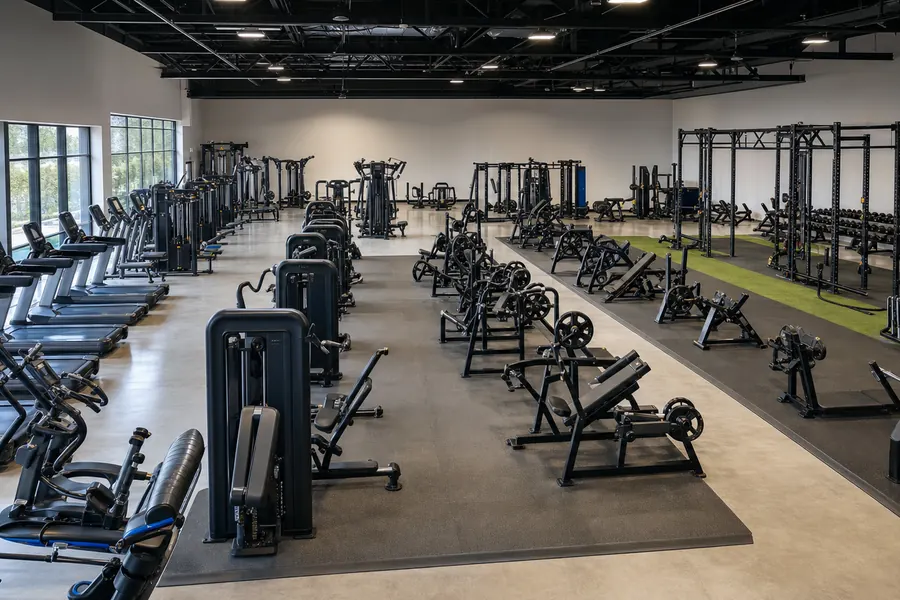
Treadmills are often commercially important because many members expect them, but their value depends on uptime and adequate quantity. A single premium treadmill does not solve a peak queue. Bikes and ellipticals broaden access and can complement the row without requiring equal quantities. Specialist modalities should be chosen when the gym's audience or programming supports them.
Cardio ownership includes electricity, cleaning, planned inspection, belts or drive components, electronics and service access. Track downtime and actual use by modality. When replacing or expanding, compare the cost of another user position with the member impact of persistent queues. Do not use a console feature as a substitute for reliable basic operation and an understandable user interface.
Specialist Machines Are Valuable When They Support Positioning
A distinctive glute, hack squat, pendulum squat, plate-loaded press or performance station may help a gym communicate a clear identity. It can appear in tours, support specialist coaching and attract members who compare strength floors closely. That is a valid commercial role when demand is real and the core package is already complete.
Specialist purchases become weak when they are selected for visual novelty, copy a competitor without understanding its audience or displace essential capacity. Before approval, state the target user, program, expected frequency, alternative exercises, floor requirement and service points. If the business case depends on an unverified social trend, consider a smaller pilot or phased purchase.
Calculate Floor Productivity with Working Space
Floor productivity is not the machine footprint divided by price. Include access, loading, spotting, cable travel, bench movement, storage and circulation. Then estimate how many users the zone can serve at peak. Multi-station systems can be efficient when exercises do not conflict; they can also create bottlenecks when one user's setup blocks another station.
Compare the planned zone with alternative ways to deliver the same training goal. A cable station and bench may replace several accessory machines, while a dedicated leg press can serve heavy lower-body demand more clearly than improvised alternatives. The best choice balances versatility with the ease and confidence members gain from a purpose-built station.
Protect Profitability Through Maintenance and Standardization
Downtime removes a user position and damages the impression of the floor. Review wear parts, inspection tasks, service access and supplier response before buying. A slightly higher-value machine family can be commercially stronger when staff understand its adjustments, parts are identifiable and routine work can be completed without moving half the zone.
Standardization can reduce parts inventory and technician learning, but it should not force the wrong equipment into every training role. Use common finishes, hardware logic and service systems where practical. Keep maintenance records so recurring issues can be separated from misuse, installation, cleaning or product design. Decisions improve when the operator has evidence rather than memory.
Build a Portfolio with Core, Capacity and Signature Layers
Divide the equipment budget into three layers. The core layer covers a complete training journey. The capacity layer duplicates the positions most likely to queue, such as benches, racks, pulls, lower-body stations or treadmills. The signature layer adds specialist equipment that communicates the gym's concept. Protect the first two layers before expanding the third.
Review the portfolio by member segment. Beginners need accessible guided options and clear cardio. Experienced users need progressive loading and sufficient capacity. Personal trainers need adaptable stations and open working space. A machine earns its place when it supports at least one important segment without harming circulation, maintenance or the needs of others.
Buyer decision framework
- Define the business role: State whether the machine protects baseline experience, adds capacity, enables programming or differentiates the gym.
- Measure demand breadth: Identify member segments, movements and sessions the equipment can support.
- Use the working envelope: Include access, storage, loading, cable travel, benches and service clearance.
- Model total ownership: Add delivery, installation, power, cleaning, parts, downtime and staff attention.
- Compare alternatives: Evaluate another user position, a versatile station or a dedicated machine for the same goal.
- Pilot and review: Use real utilization and service evidence before repeating specialist purchases.
Buyer checklist
- The commercial role of every major machine is defined.
- Core movement coverage is complete before signature purchases.
- Peak queues and member segments inform duplicate capacity.
- Working space, storage and service access are included in floor productivity.
- Acquisition, delivery, installation, power and maintenance are included in ownership cost.
- Versatile equipment has the attachments, benches and storage needed to deliver its value.
- Specialist equipment supports verified positioning or programming demand.
- Downtime and parts availability are considered before approval.
- Operating data will be collected with consistent definitions after opening.
Common buying mistakes
- Calling expensive equipment profitable: Price and visual impact do not prove member demand, capacity or return.
- Using footprint without working clearance: The real zone includes user movement, plates, benches, storage and service access.
- Buying one of every cardio modality: This can create novelty without enough capacity in the modes members actually use.
- Ignoring queues: A second familiar station can contribute more than a new specialist movement.
- Underfunding storage and accessories: A versatile machine cannot deliver its intended range when attachments are missing or scattered.
- Assuming utilization equals revenue: High use is important evidence but must be interpreted with membership, pricing, programming and operating cost.
Manufacturer perspective
From a manufacturer's perspective, portfolio planning improves when the buyer explains training roles and capacity instead of asking for a list of popular products. The proposal can then distinguish foundational machines, duplicate user positions and optional signature pieces. This also makes phased purchasing and layout review clearer.
Production consistency and parts support affect commercial value after opening. Related machine families can share finishes and service logic, while specialist products may introduce unique parts or assembly needs. These differences should appear in the decision before price is compared, not after the equipment requires service. Uptime protects member confidence.
Manufacturers can also help buyers distinguish visible variety from useful training variety. Two machines may look different yet load almost the same movement, while a less dramatic station may add a missing pull, knee-flexion or accessible cardio position. A category review should map functions before model styling. This prevents an order from becoming concentrated in attractive presses or specialist lower-body pieces while basic pulling, bench, storage or conditioning capacity remains weak.
Shipment and installation planning influence the commercial result as well. A machine that needs unusual assembly, anchoring, electrical work or large access clearance may still be the right investment, but those requirements belong in the ownership model. The factory proposal should identify them early so the operator compares usable installed positions rather than factory-gate products. Commissioning, staff handover and a first preventive inspection should be scheduled before peak use exposes avoidable setup issues.
Commercial Value Comparison by Equipment Type
| Equipment type | Demand breadth | Training coverage | Floor demand | Operating consideration |
|---|---|---|---|---|
| Functional trainer | Broad | Very high with attachments | Medium working zone | Cable, pulley and attachment management |
| Rack and adjustable bench | Broad in strength-led gyms | Very high | Medium to high | Supervision, plates, bars and storage |
| Dumbbell zone | Broad | Very high | Medium to high | Rack capacity, housekeeping and upholstery |
| Selectorized staples | Broad and accessible | One clear movement per station | Medium per position | Adjustment, cable and upholstery maintenance |
| Commercial treadmill | Broad | Focused cardio | High | Power, belt, deck, cleaning and service access |
| Specialist strength machine | Narrow to strong niche | Specific movement | Medium | Must justify differentiation or local demand |
Useful next pages
Buyer FAQ
Which gym machine makes the most money?
No universal machine does. Commercial contribution depends on demand, membership model, programming, capacity, floor use, ownership cost and uptime. Evaluate the whole portfolio.
Are functional trainers profitable for commercial gyms?
They often provide strong value because they support many movements and coaching formats, but they need enough working space, useful attachments, a bench and organized storage.
Should a new gym buy specialist machines?
Only after the core training journey and essential capacity are protected. Specialist machines should support verified demand, positioning or a defined program.
How do I measure equipment utilization?
Use consistent observation or system data for sessions, peak occupancy, waiting, downtime and service, then interpret results with member segments and the gym's business model.
Is selectorized or plate-loaded equipment more profitable?
Selectorized equipment can serve mixed-level users efficiently; plate-loaded equipment can support strength positioning. The stronger choice depends on audience, capacity, supervision and layout.
How does maintenance affect equipment return?
Maintenance affects uptime, member experience, parts spending and staff time. Review inspection, service access and supplier support as part of total ownership.
Conclusion
Profitable equipment is equipment that earns its floor area and ownership cost inside a coherent business model. Versatile stations, racks, benches, free weights, familiar cardio and accessible strength staples commonly form the strongest base. Signature machines should sharpen a validated concept rather than compensate for missing essentials. Share the membership model, peak capacity, floor plan, service approach and priority programs when requesting a recommendation. A useful proposal will explain the commercial role of each category and separate core, capacity and optional signature investments.
Need this topic turned into a real equipment plan?
Send your market, gym size, product categories or OEM needs. Kloe can help clarify the next step.