What this category is used for
Plate-loaded, selectorized and free weight strength machines for commercial gym projects.
 Request Product List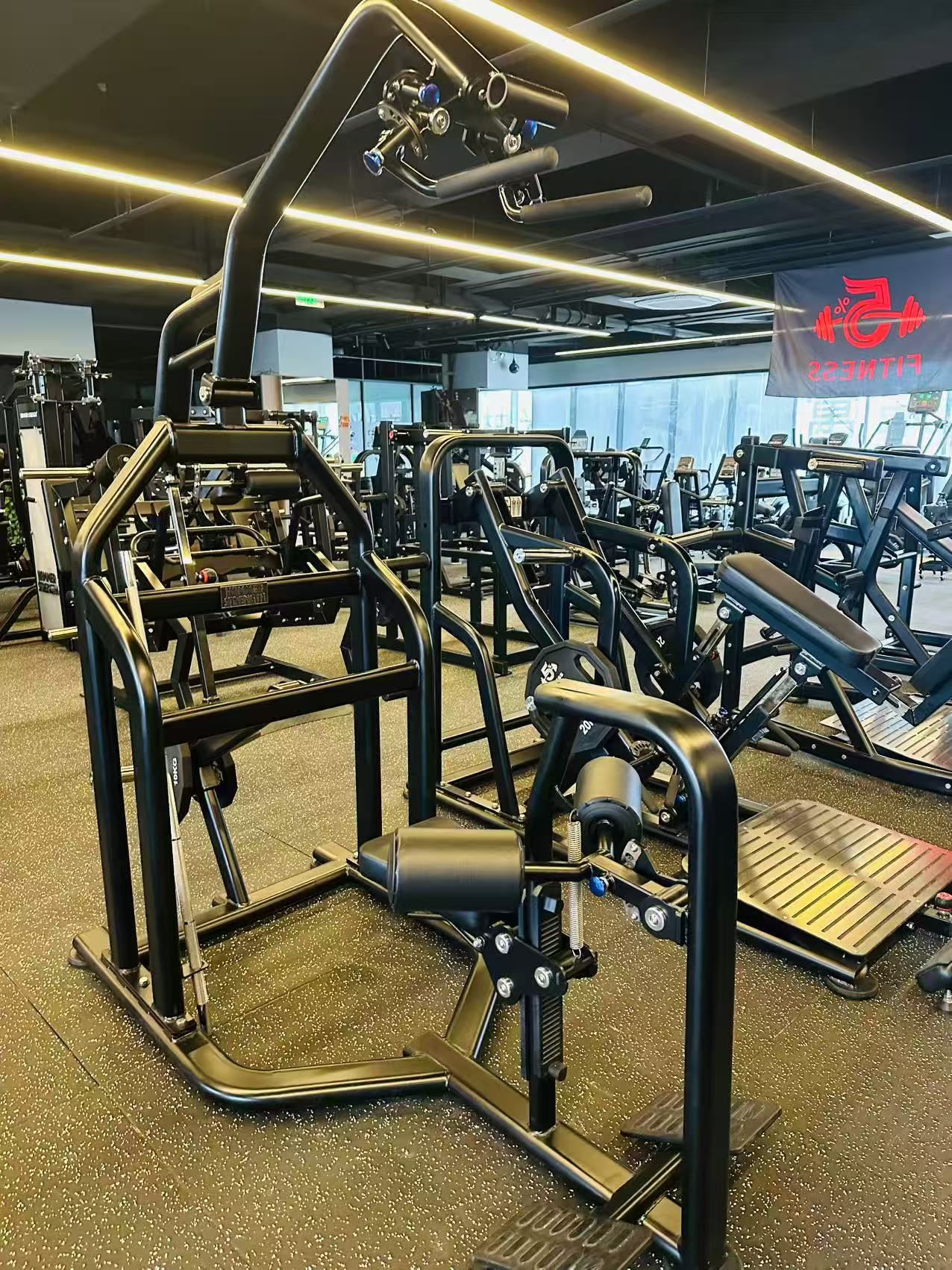
Plate-loaded, selectorized and free weight strength machines for commercial gym projects.
Ask for Category AdviceUse this category page as a starting point before opening a specific series or model page.
Plate-loaded, selectorized and free weight strength machines for commercial gym projects.
Importers, distributors, commercial gym owners, hotel buyers, school projects and fitness brands compare this category for B2B sourcing.
Compare training area, load type, user level, available space, expected daily traffic and whether the product will be used for resale or a gym project.
Logo, color, upholstery and packaging can be discussed based on order quantity, configuration and production requirements.
Written answers to these questions make the quotation more comparable and give both buyer and factory a clearer reference for production.
Confirm the training function, target users, expected frequency and available working area. Review the space needed to enter, adjust, load, clean and maintain the product. For shared facilities, consider how easily a first-time user can understand the equipment and whether staff supervision is available.
Ask the supplier to identify the model, finish, included accessories and any optional parts. Dimensions and weights should refer to the same confirmed configuration. Where a specification is still subject to confirmation, record it as an open item rather than assuming it is included.
Confirm color references, upholstery selection, logo files, nameplate wording and packaging marks before production. Request a drawing or visual confirmation when placement matters. Also confirm whether the selected customization changes quantity requirements, cost or the planned completion date.
Agree on the evidence required before dispatch, such as product photos, quantity checks or packing information. Confirm the shipment destination, trade terms and documents separately. Warranty scope and spare-parts expectations should be written into the commercial discussion instead of left as a general promise.
A useful comparison keeps product configuration, service scope and shipment conditions equal. A low unit price is not meaningful when another quotation includes different materials, accessories, packaging or OEM work.
| Buying factor | What to verify | Why it affects the decision |
|---|---|---|
| Commercial application | Facility type, expected traffic, user profile and training purpose | Confirms whether the equipment belongs in the planned gym zone. |
| Product specification | Model, dimensions, load type, materials, finish and included parts | Prevents two technically different products from being treated as the same offer. |
| OEM scope | Logo position, frame color, upholstery, nameplate and packaging | Shows which customization is included and what changes MOQ or lead time. |
| Quality control | Pre-production confirmation, assembly checks and pre-shipment evidence | Creates an agreed review path before the equipment leaves the factory. |
| Delivery support | Packing method, quantities, shipment plan and required documents | Reduces avoidable delays and makes landed-cost comparison more realistic. |
| After-sales planning | Written warranty scope, maintenance guidance and spare-parts availability | Supports long-term operation rather than only the first purchase. |
A complete request helps the factory identify the right models and give a more useful answer on configuration, quantity, packing and timing.
State whether the order is for a commercial gym, distributor stock, a hotel, school, apartment fitness room or a private-label product line. Include the destination country and expected purchase stage. This context changes the recommended product mix, documentation and packing discussion.
Share the target training zones, expected user level, available floor area and approximate daily use. Buyers planning a complete facility should send a floor plan or room dimensions so large equipment, walking space and maintenance access can be considered together.
Use model codes where possible and separate confirmed quantities from products still under comparison. When exact models are unknown, send reference images and explain the required movement or application. The final quotation should clearly identify each selected product.
Specify logo format, preferred frame and upholstery colors, label language, carton marks and any private-label packaging needs. Ask which changes are available for the selected model and whether they affect the minimum quantity, production time or cost.
Review the product, included accessories, packaging, inspection process, documents and after-sales terms as one supply package. Confirm what is excluded. This makes quotations easier to compare and reduces surprises after an order is placed.
Before payment, confirm the written specification and OEM artwork. Before shipment, review the agreed photos, quantities and packing information. Buyers who need extra inspection should define that requirement during quotation instead of after production.
Product selection should support the business model and user journey of the facility, not simply maximize the number of machines on the floor.
Balance popular training functions, member flow, visual consistency and equipment density. Leave clear routes for users, staff cleaning and future maintenance.
Build a range around repeatable demand, recognizable functions, coordinated series and spare-parts planning. A focused range is easier to display, explain and reorder.
Prioritize clear operation, mixed-user suitability, supervision needs, noise, available space and maintenance access. The right choice may differ from a performance-focused club.
Confirm which product details are standardized and which can be customized. Keep brand identity consistent across colors, logos, labels, manuals and packaging before expanding the range.
Open a series to compare models with the same structure, load direction or usage scenario.
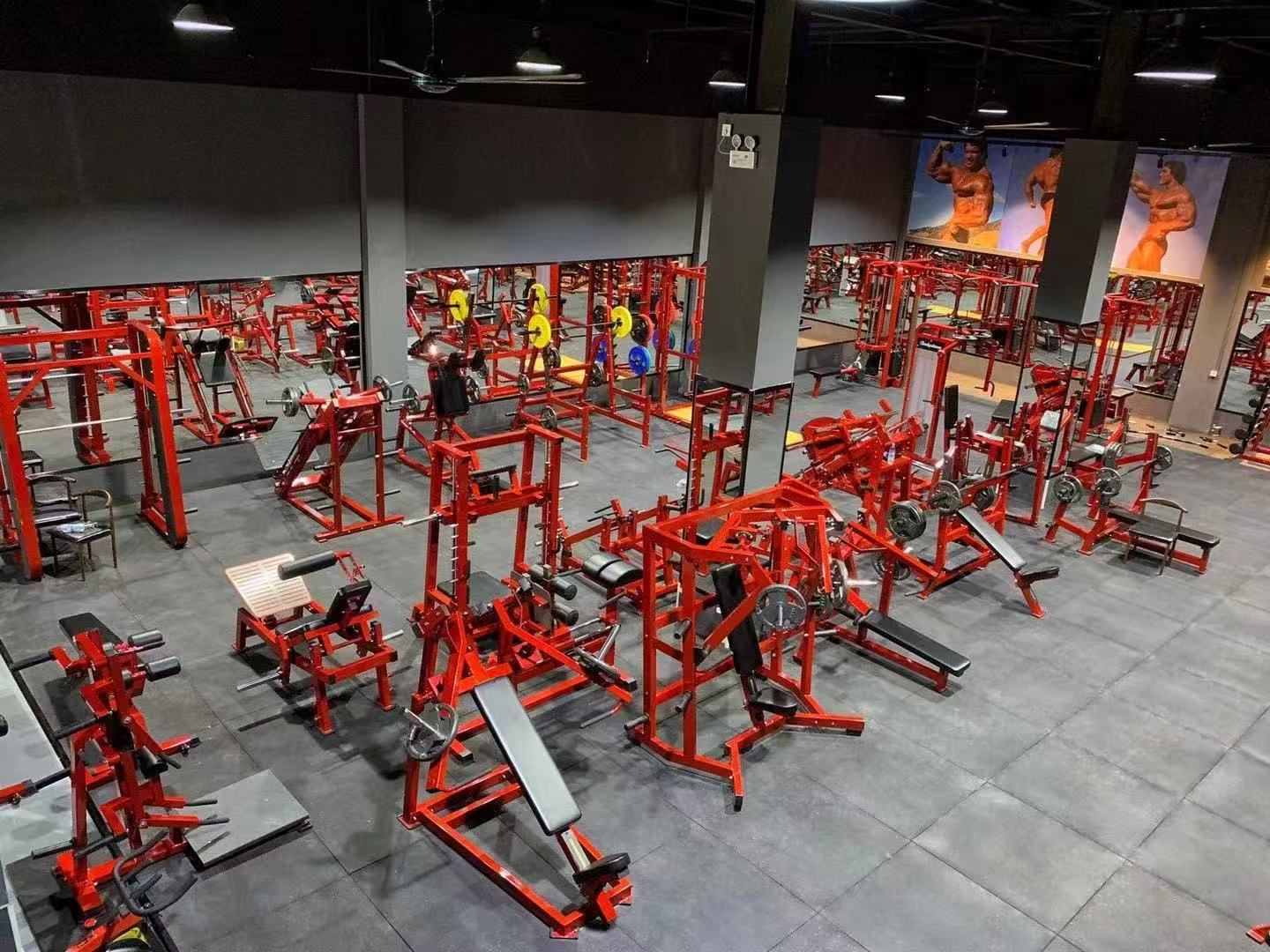
Plate-loaded strength machines for gyms that want a powerful training feel and strong visual identity.
High-end plate-loaded strength machines for commercial gyms that need stronger movement identity, premium floor presentation and clear procurement data.
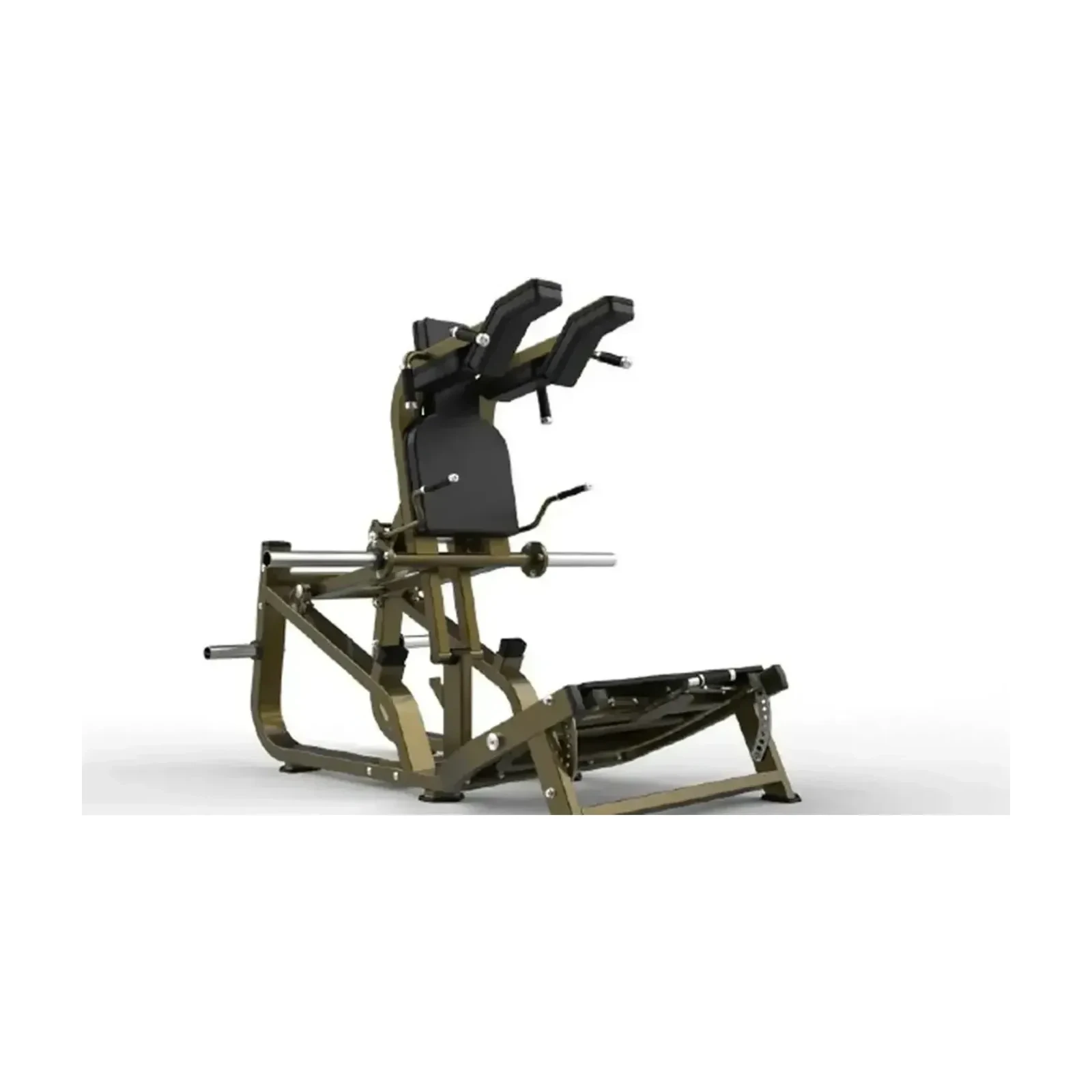
D Series plate-loaded strength machines for commercial gyms that need focused push, pull, leg and glute stations with a unified visual line.
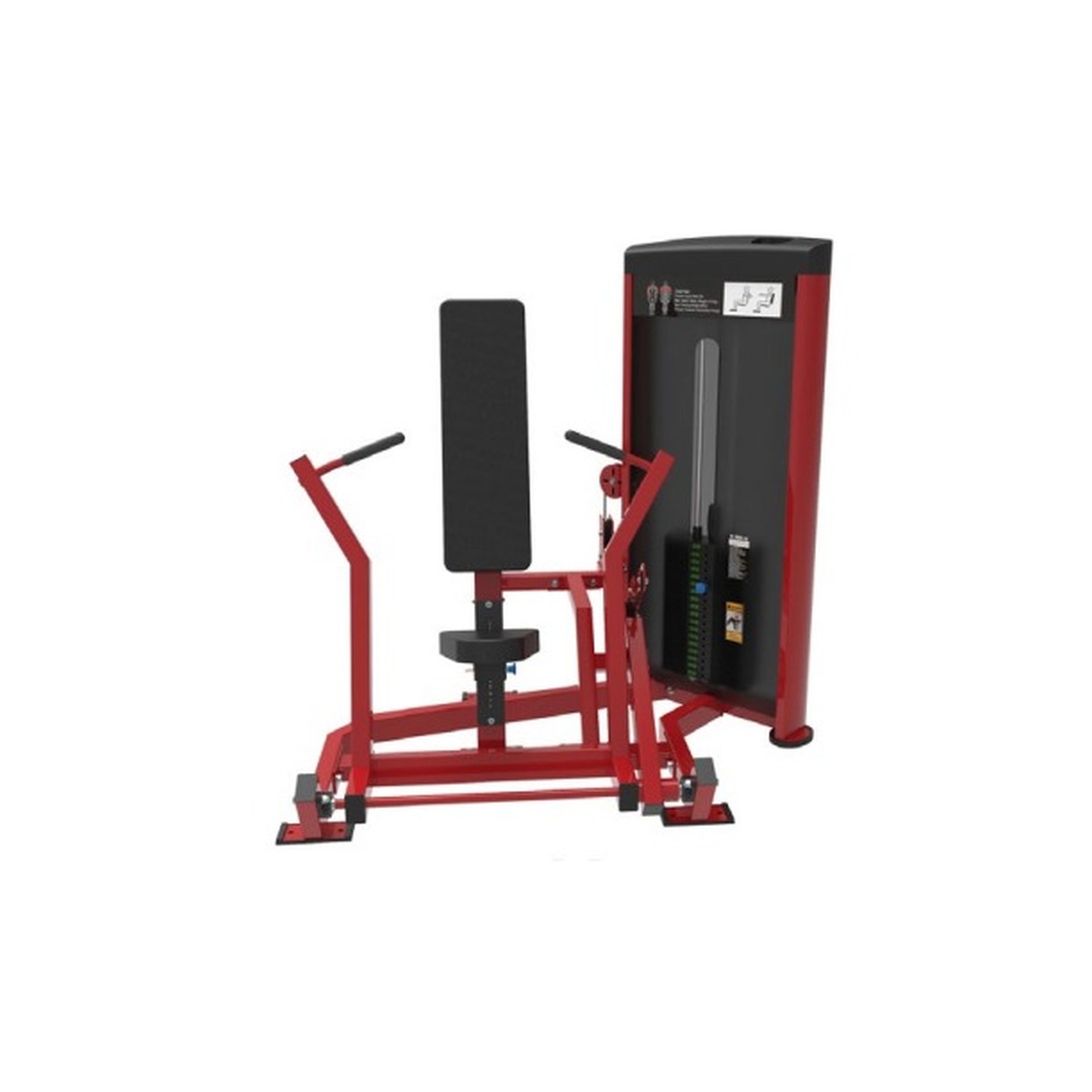
DC Series selectorized strength machines for commercial gyms, hotels, schools and mixed-user training rooms.
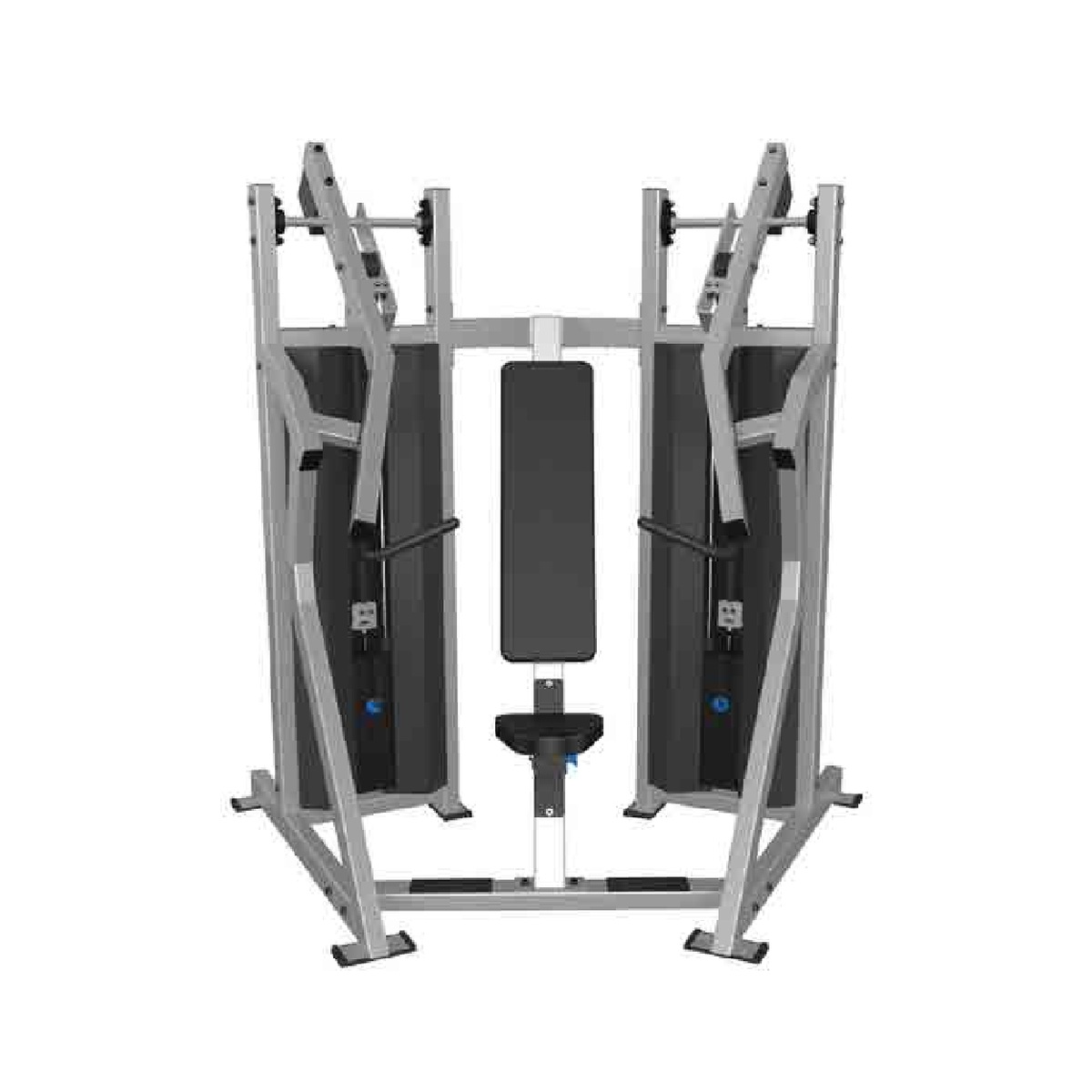
Dual weight-stack strength machines for commercial gyms that need guided movement, independent resistance paths and a strong upper-body training line.
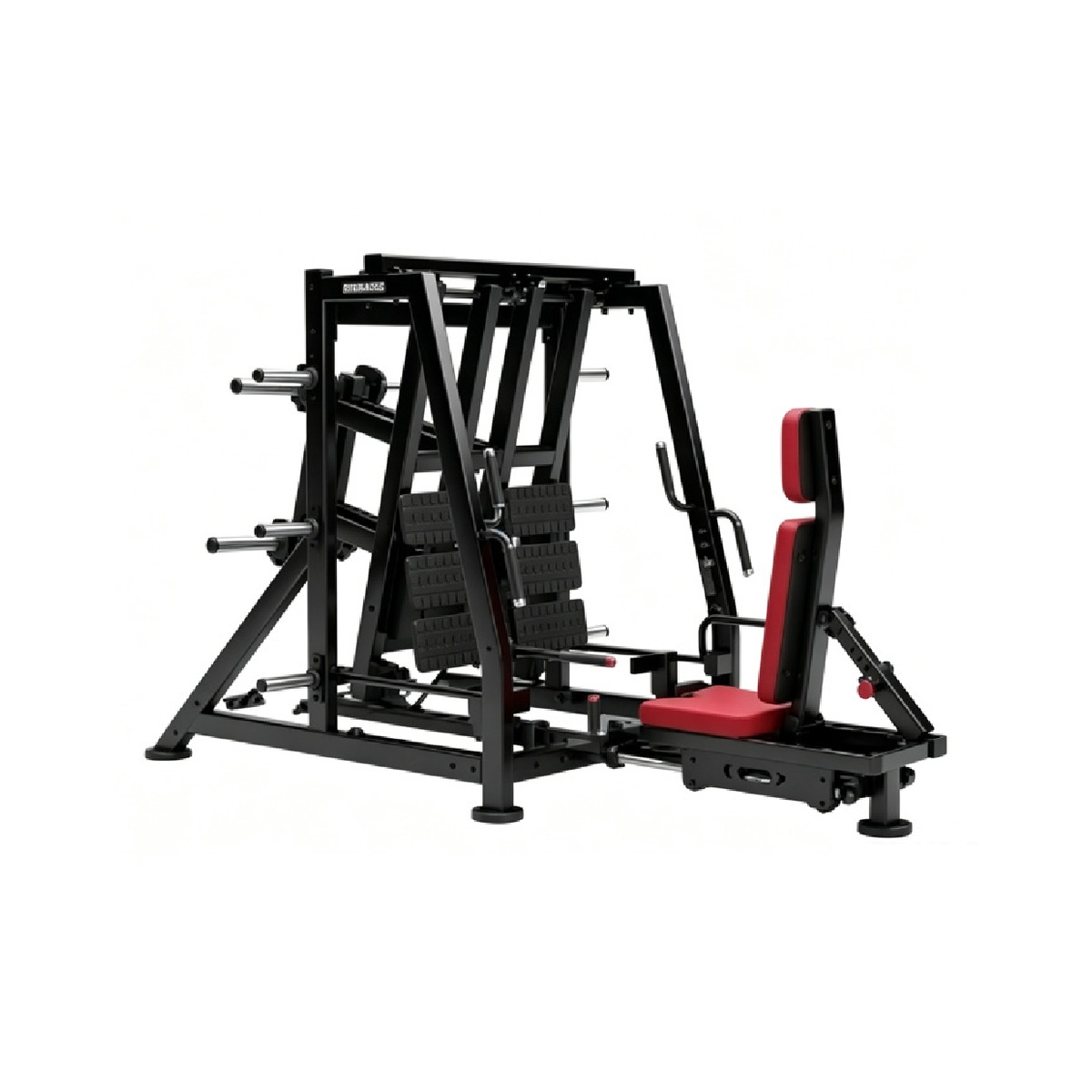
Plate-loaded strength machines for lower-body, upper-body and accessory training zones in commercial gyms.
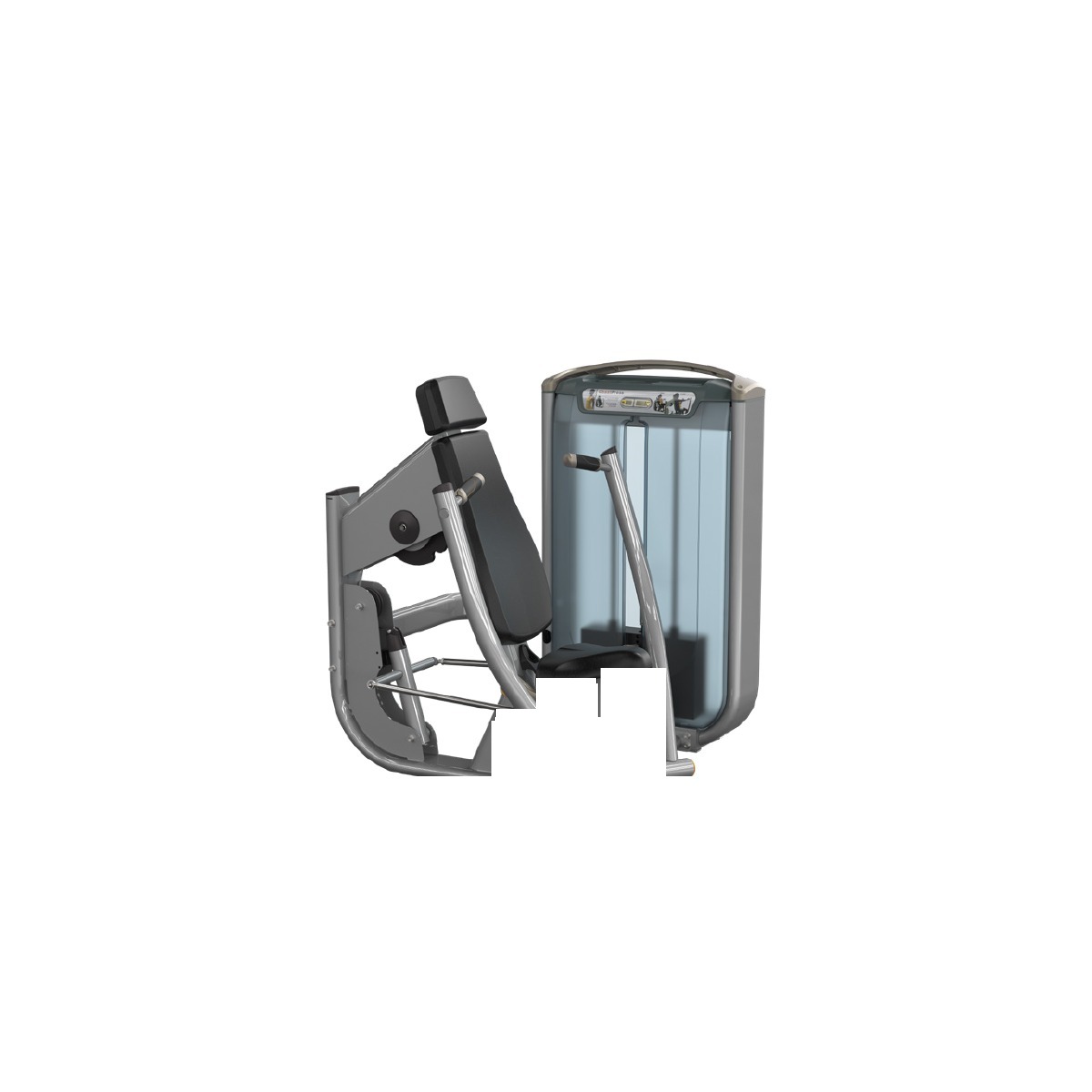
Selectorized strength machines for guided movement, fast weight-stack adjustment and mixed user levels.
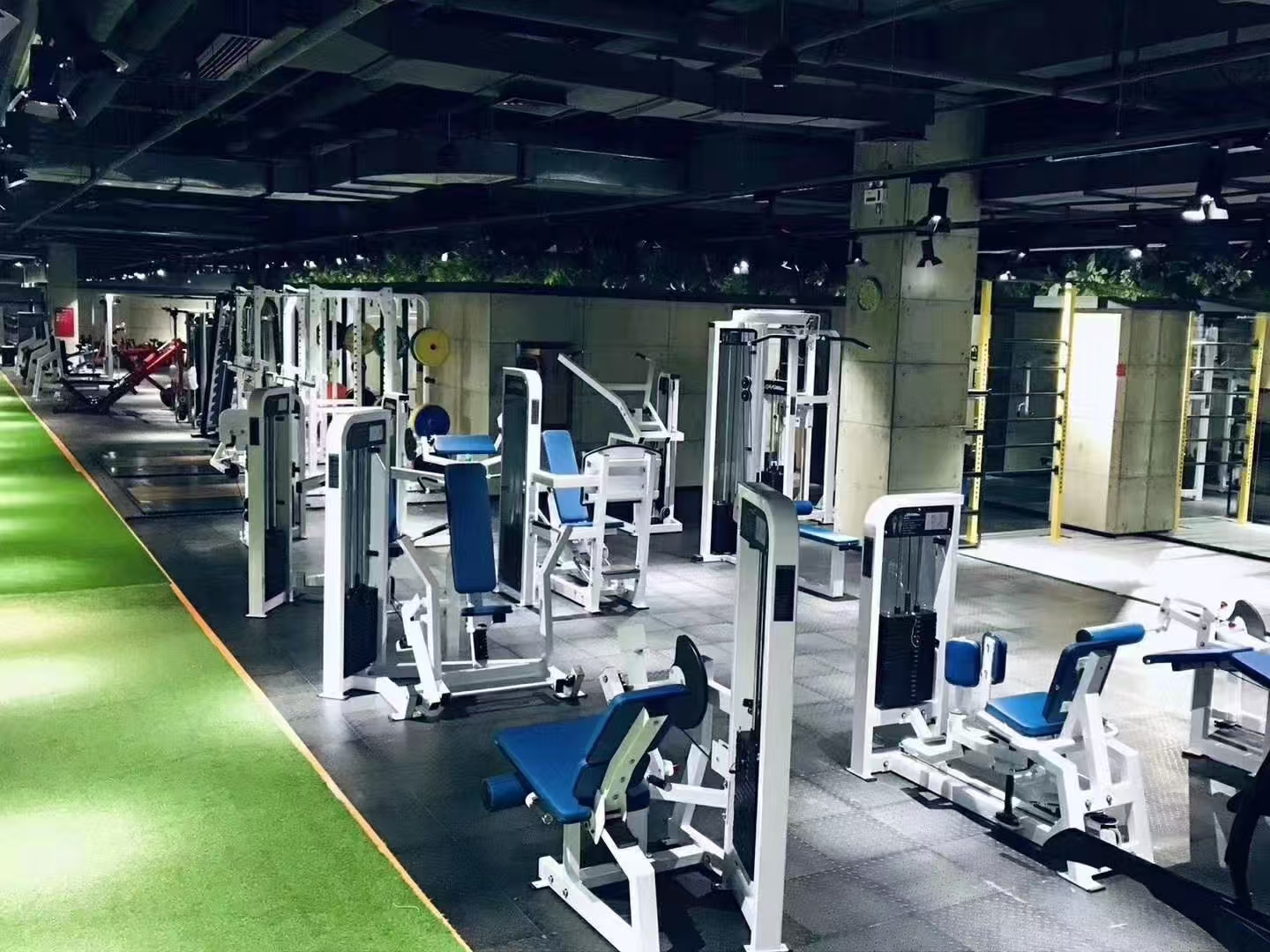
Pin-loaded strength equipment for hotels, schools, clubs and beginner-friendly training rooms.
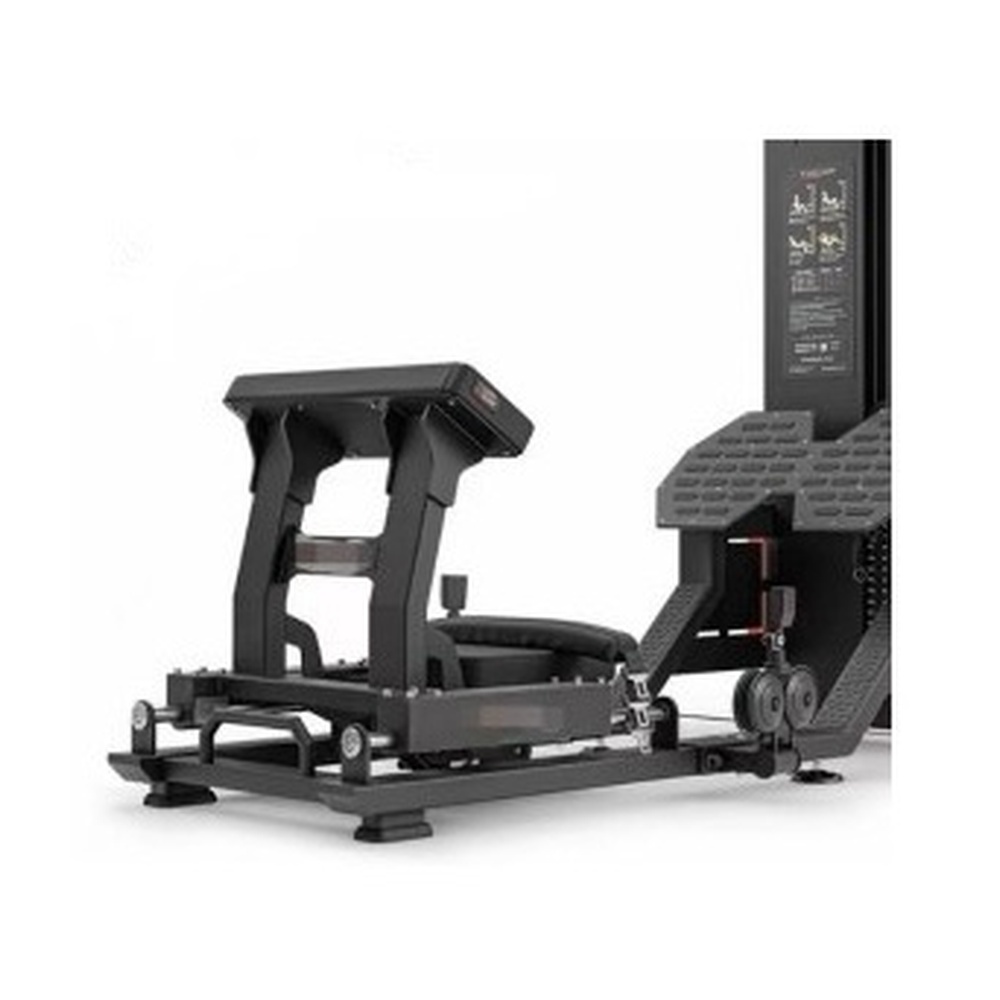
Lower-body and glute training machines for commercial gyms building a stronger leg area.
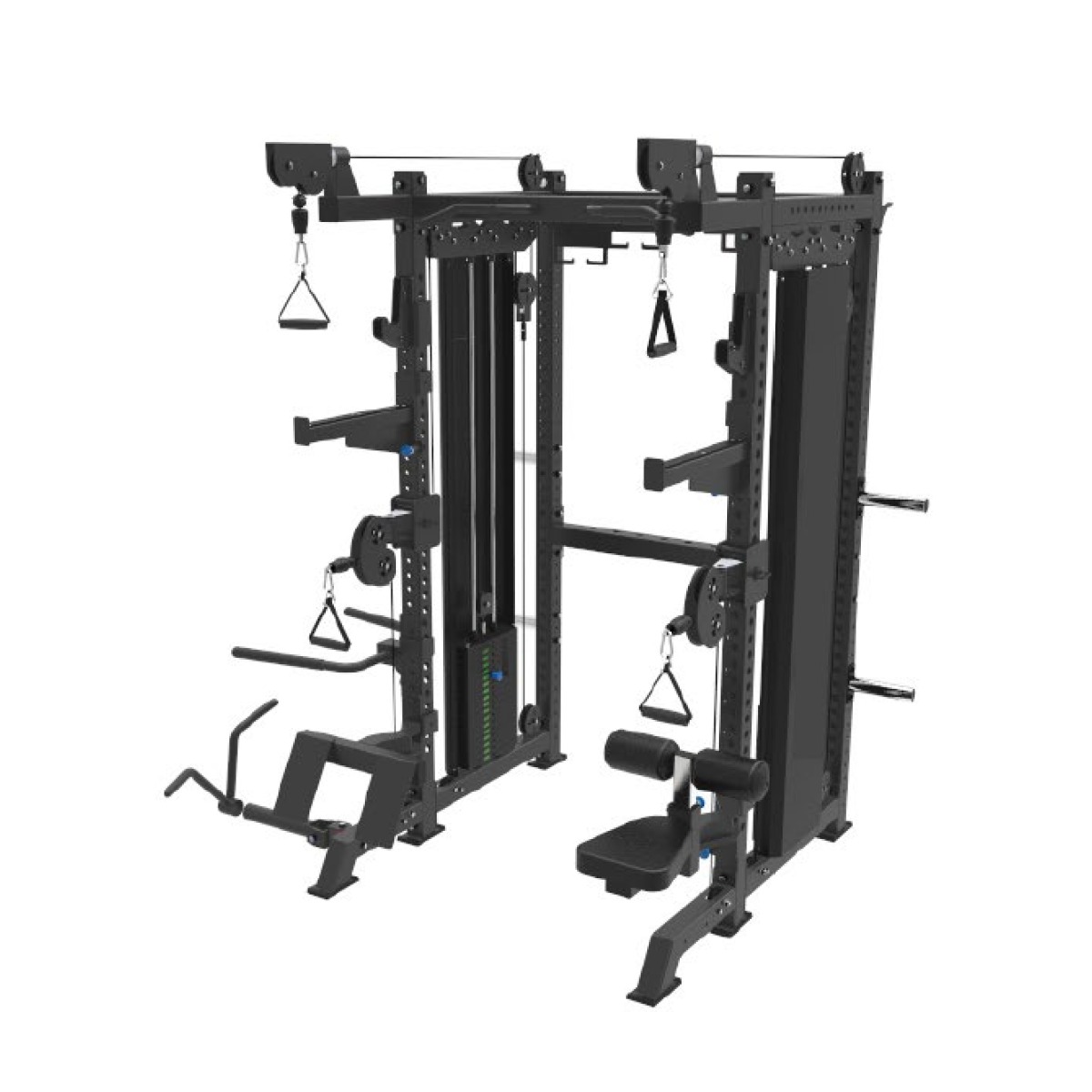
Benches, racks and free weight equipment for open strength training areas.
Open a model page for size, weight, function notes, material information and inquiry direction.
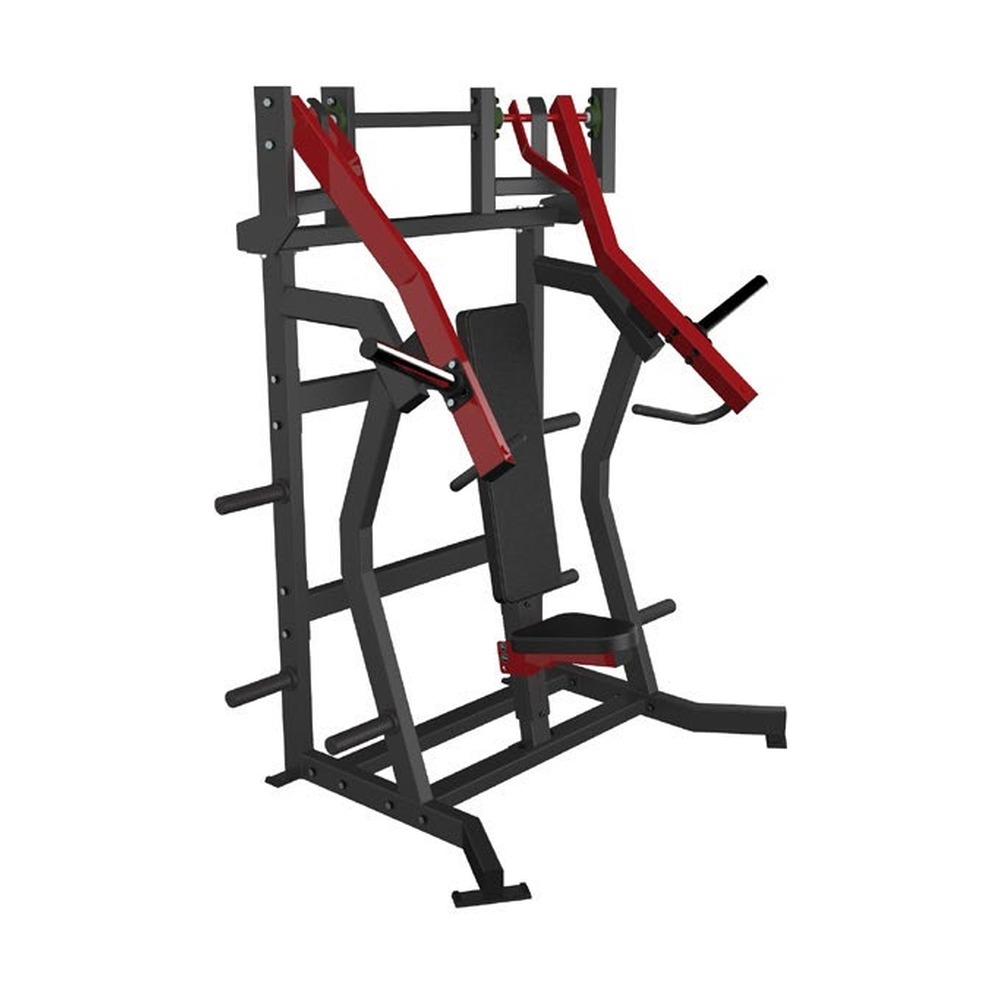
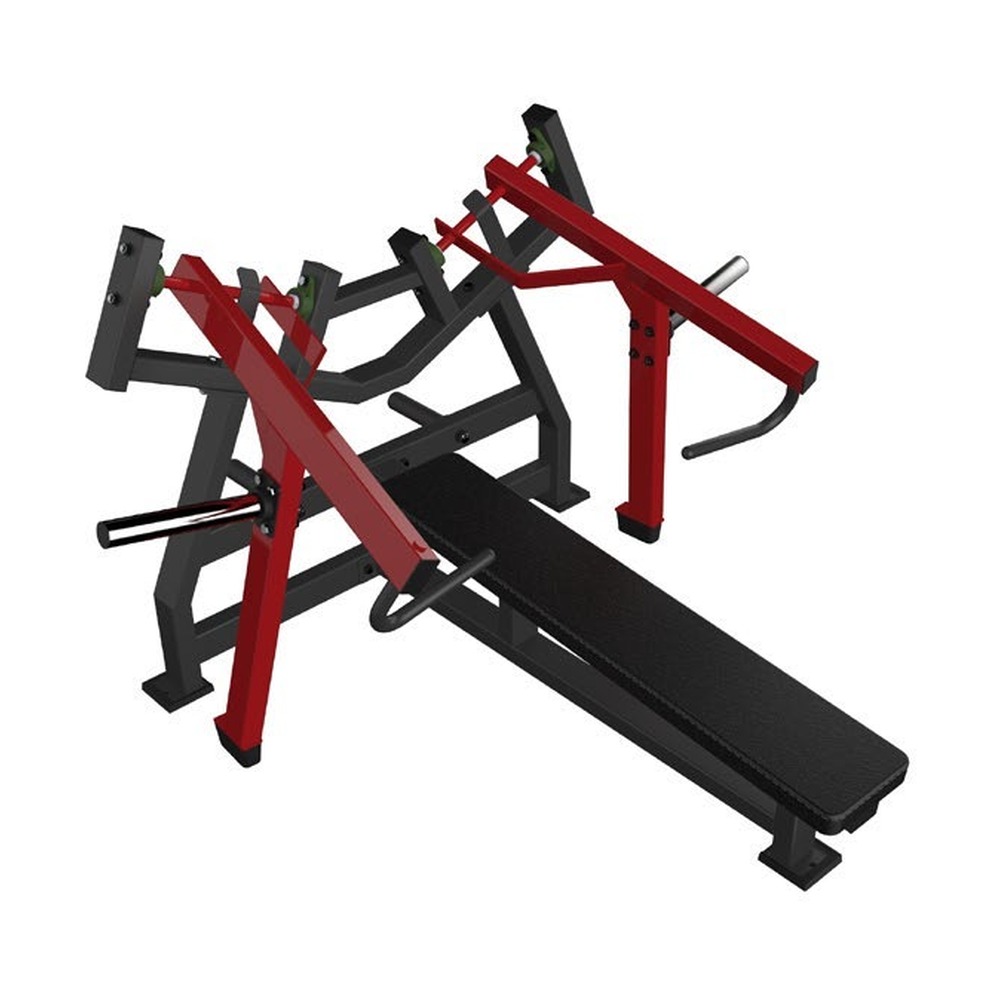
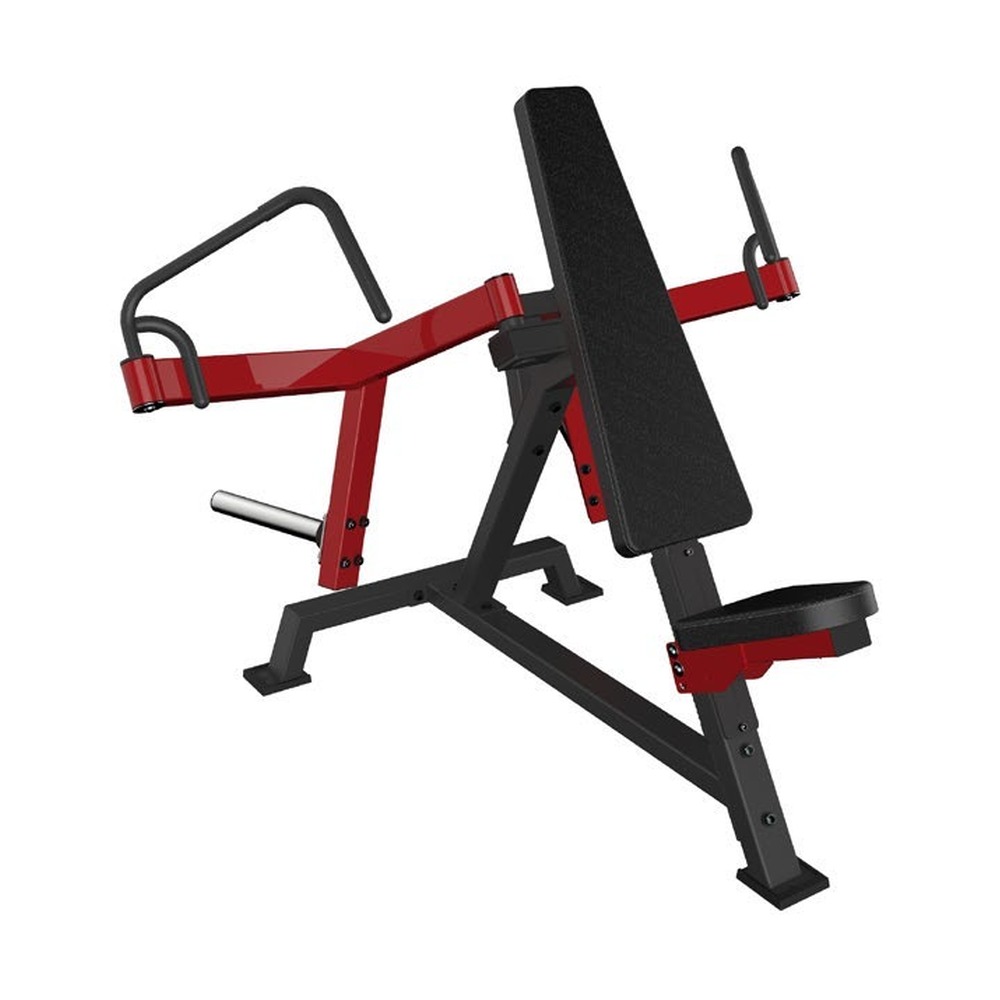
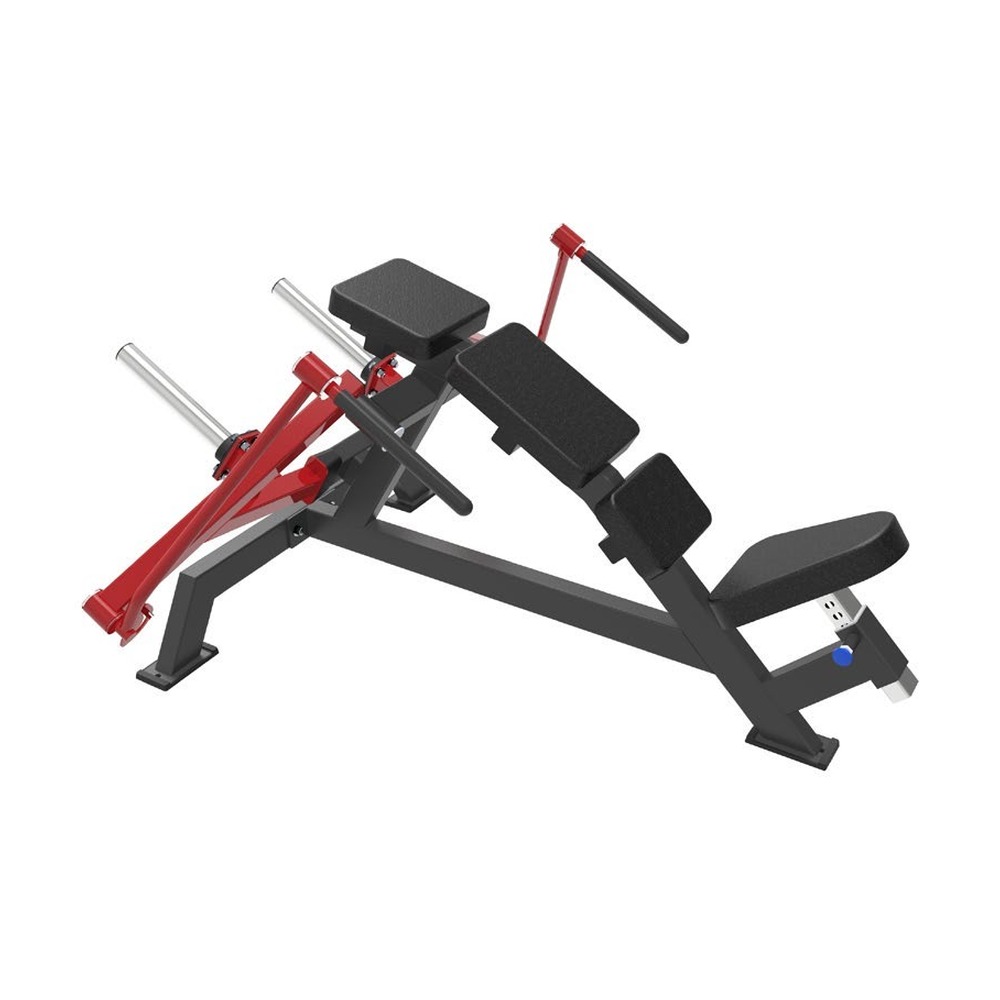
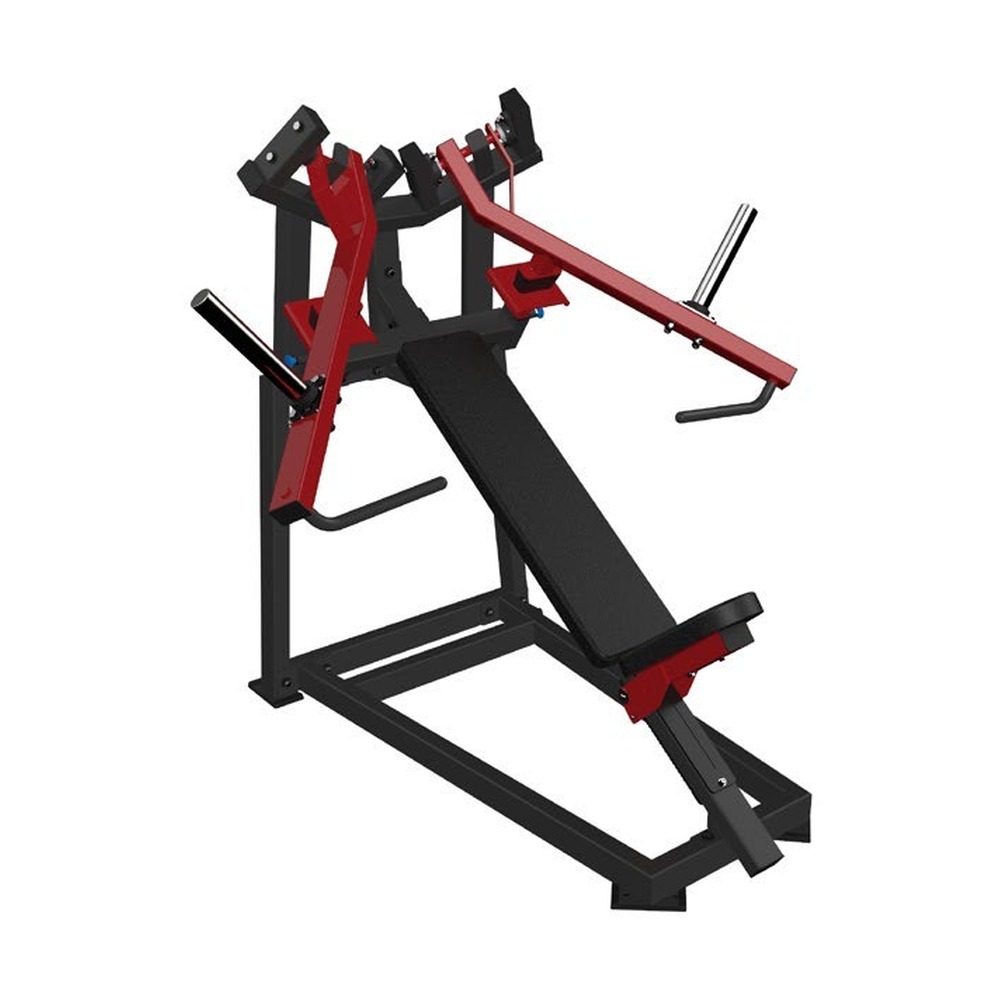
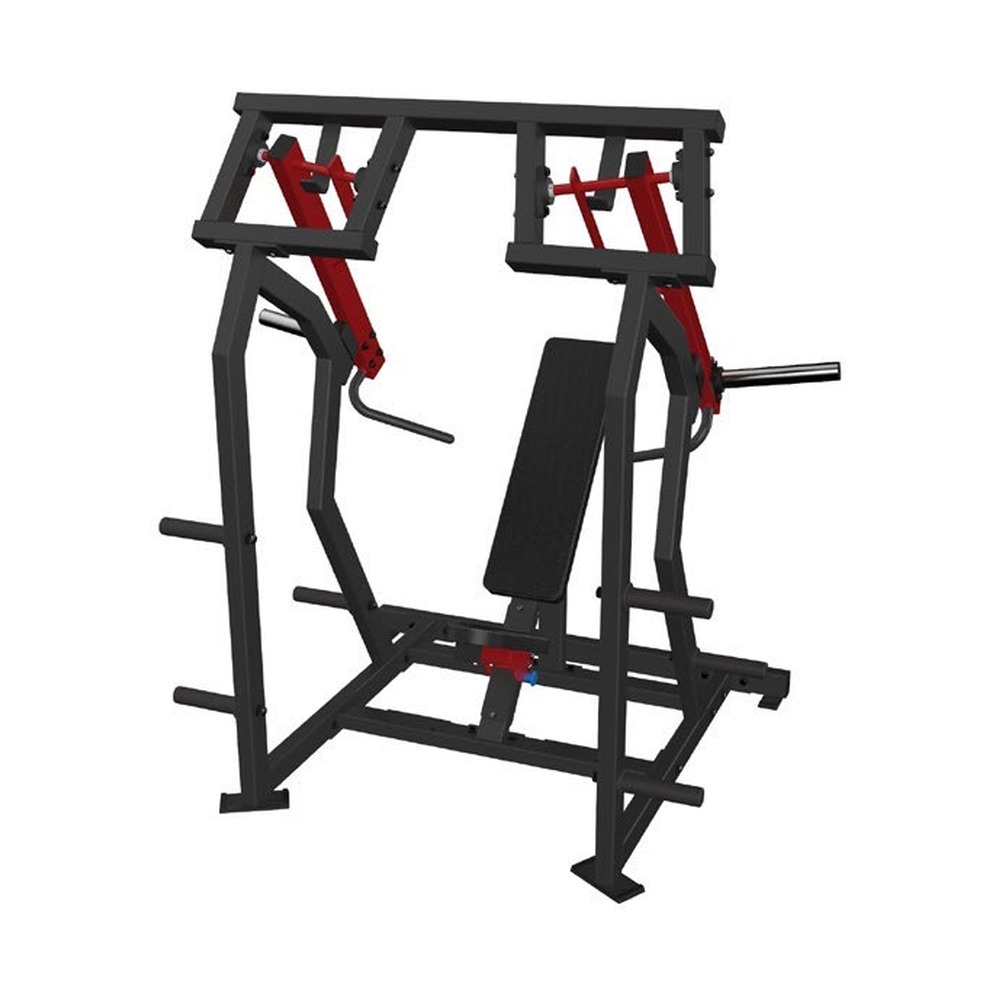
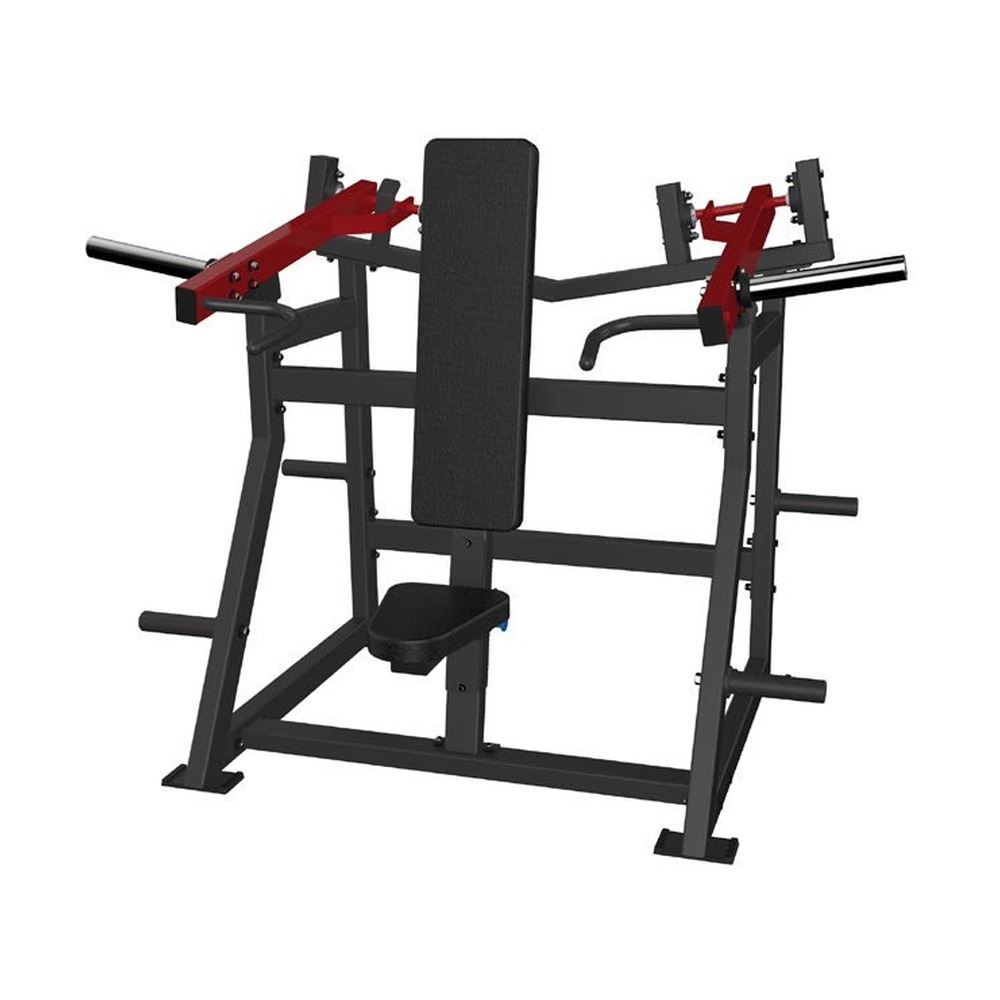
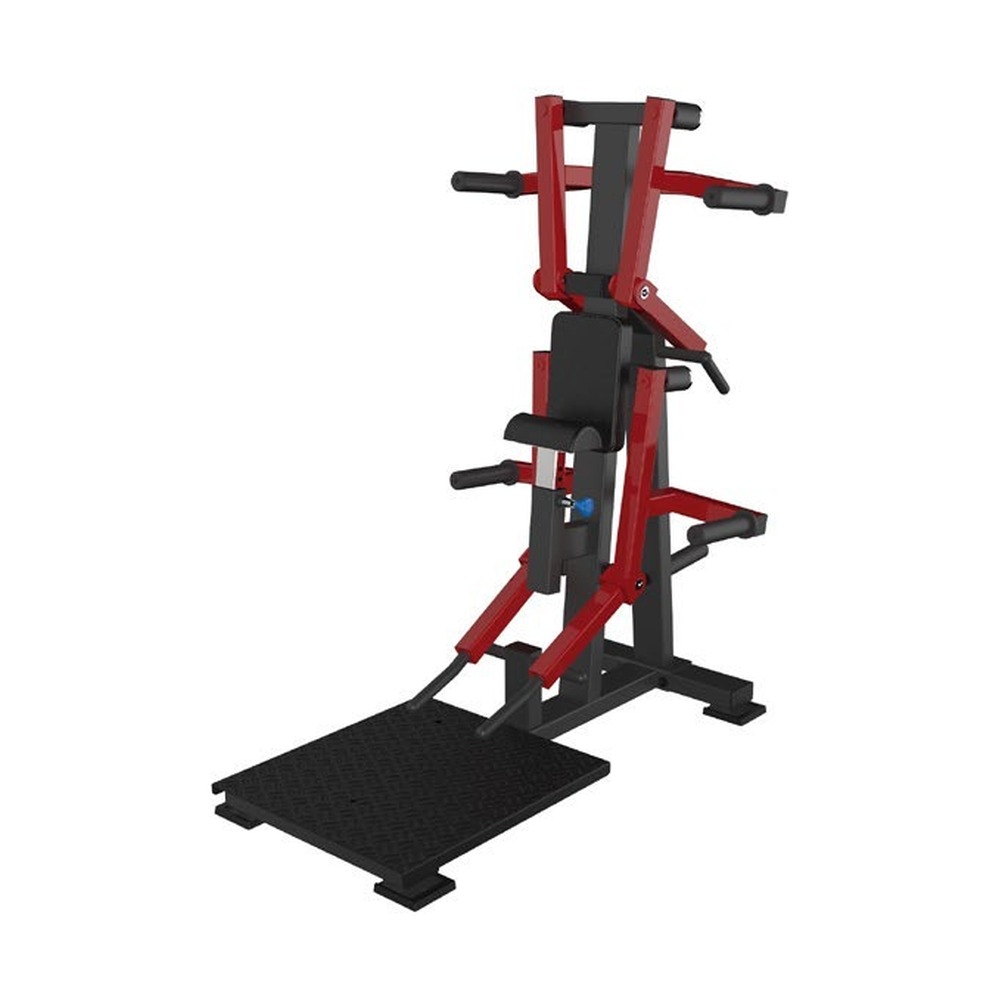
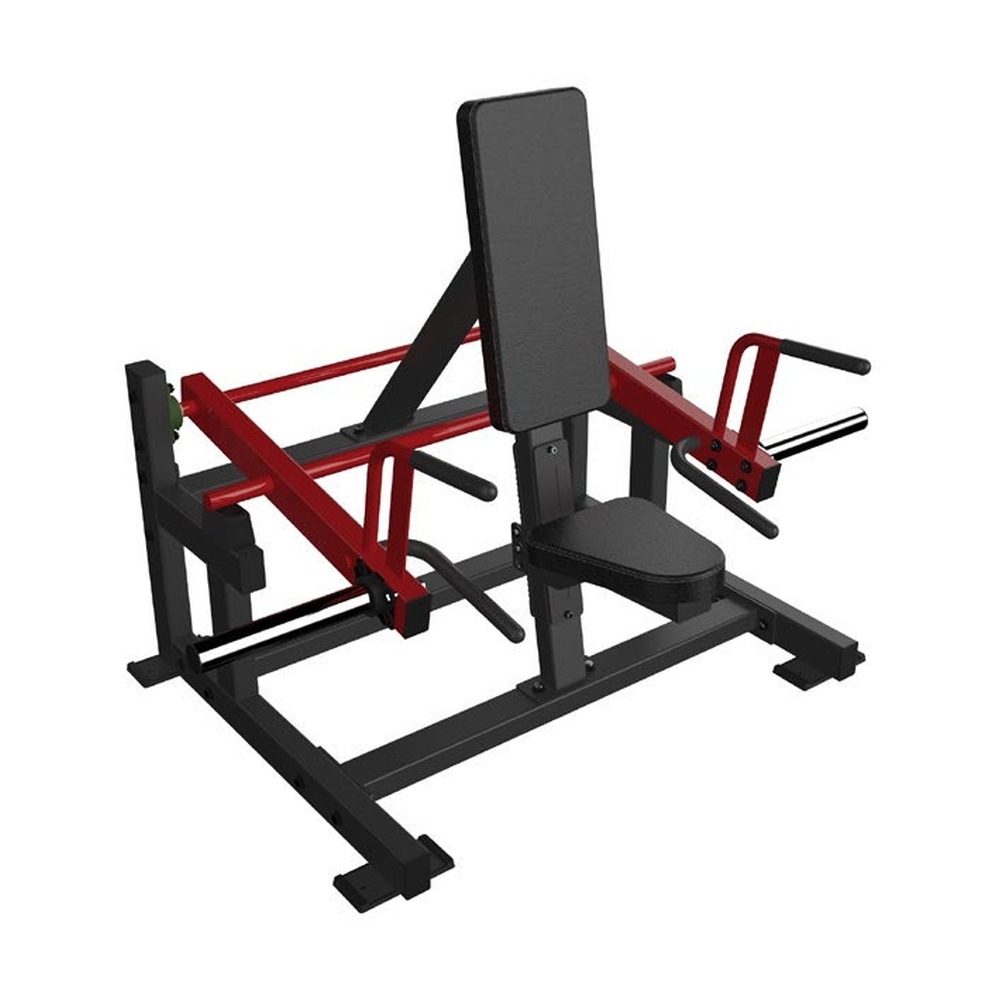
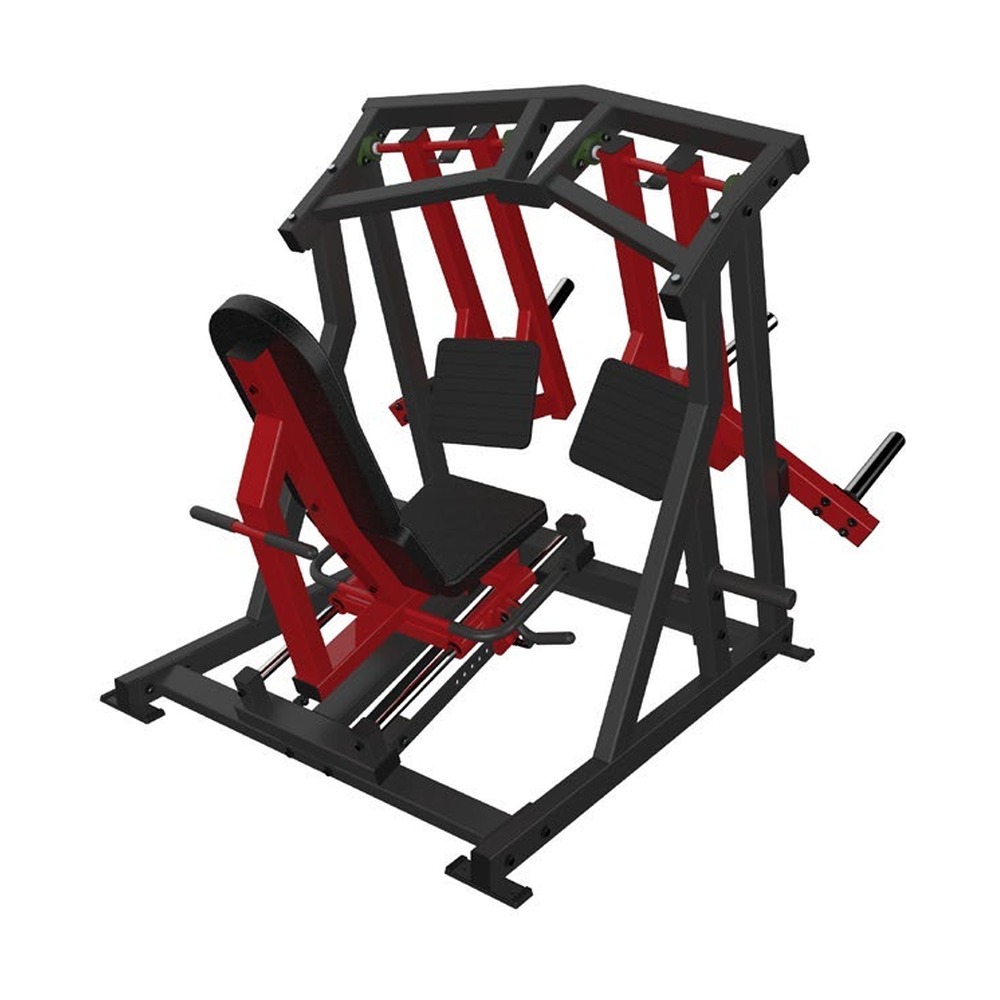
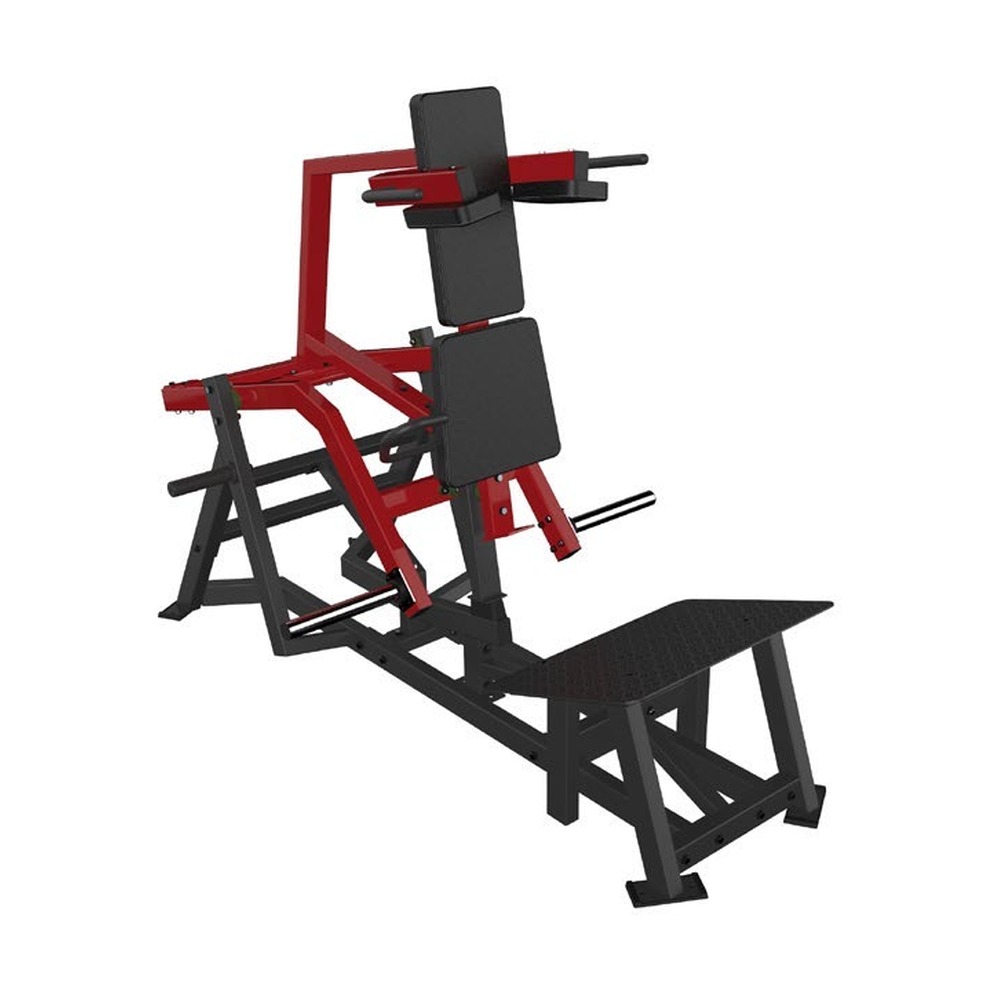
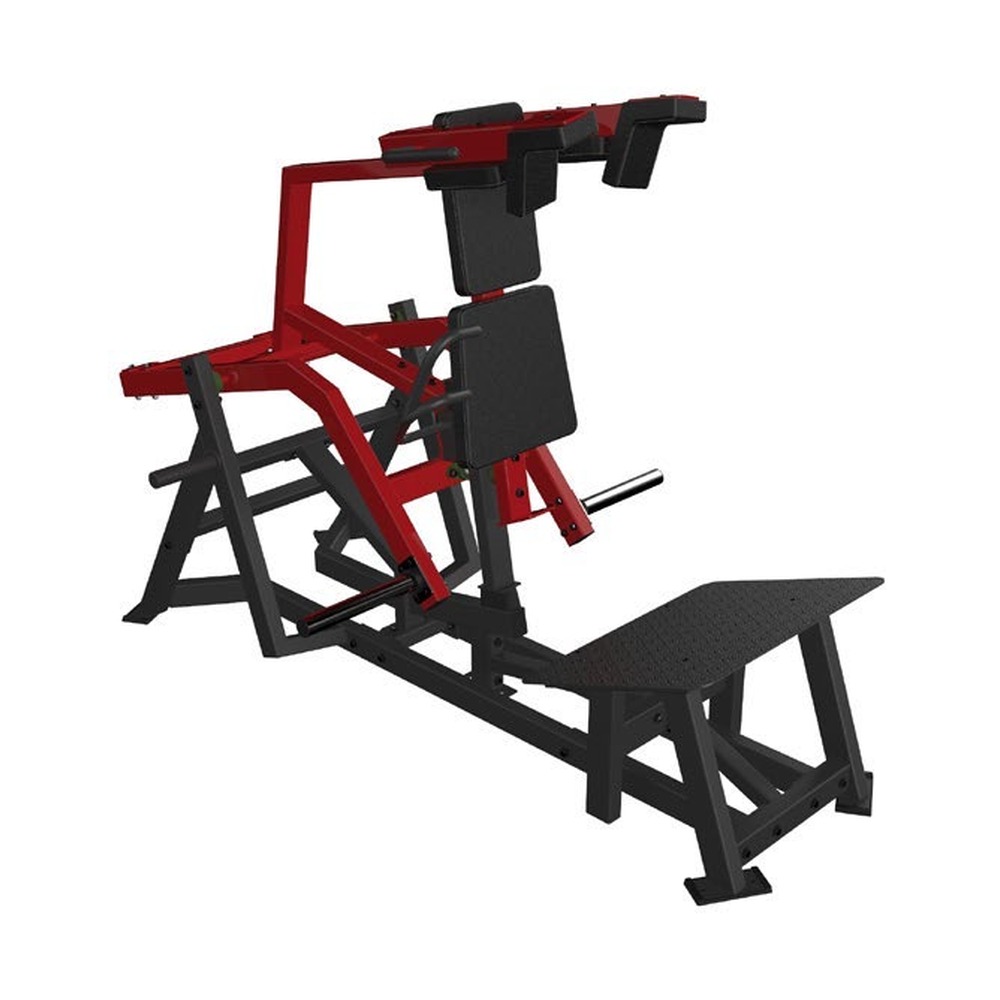
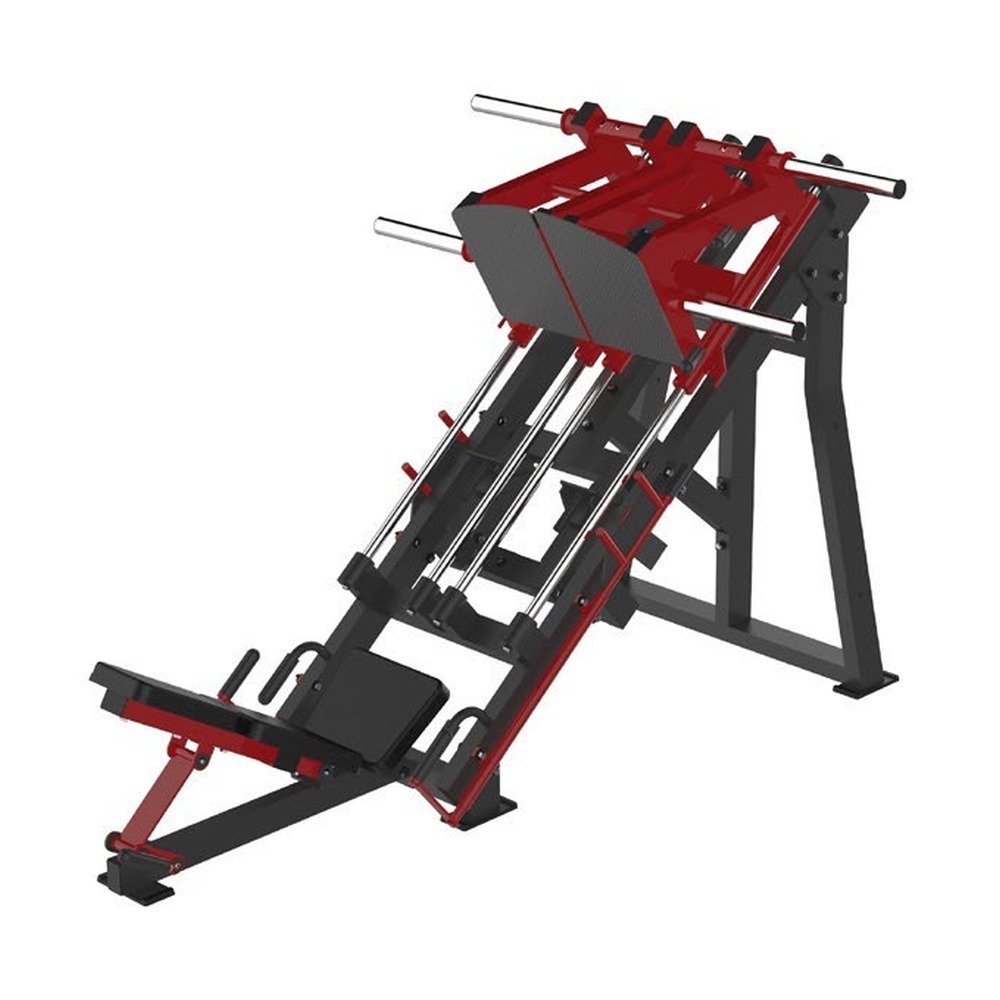
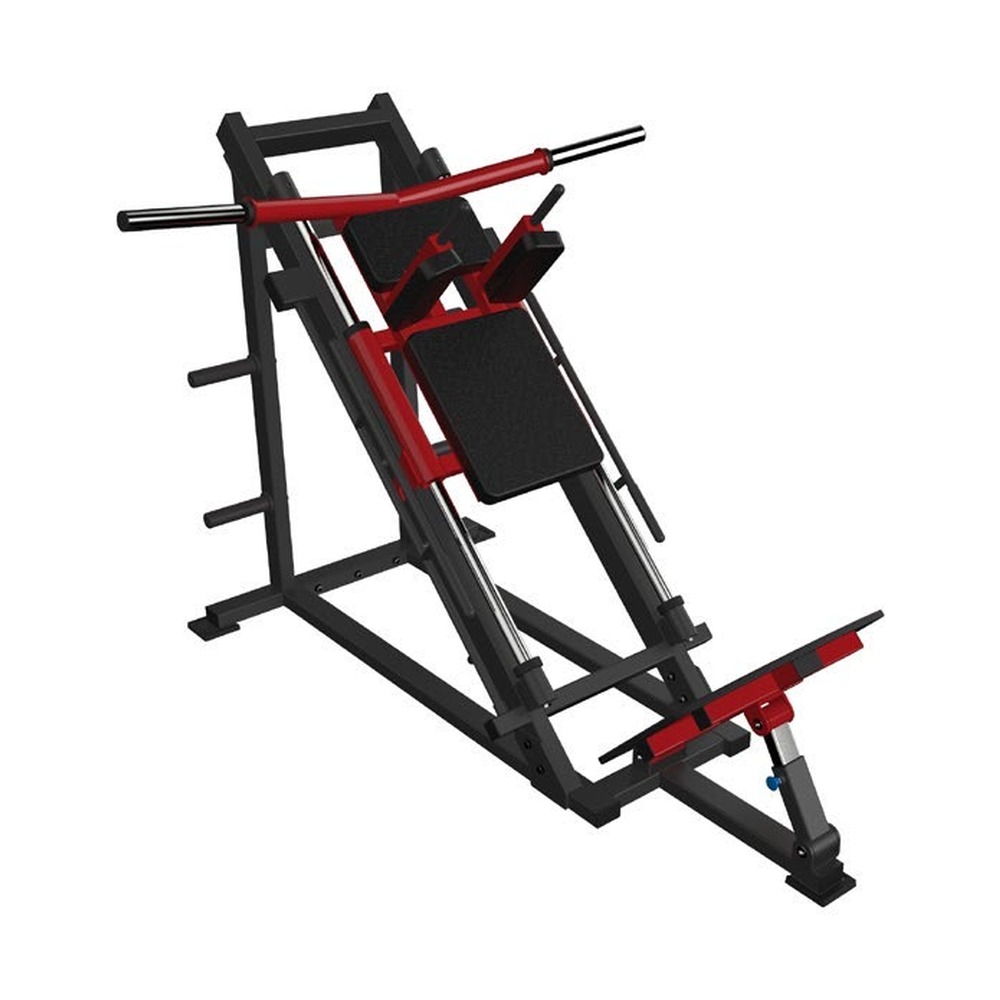
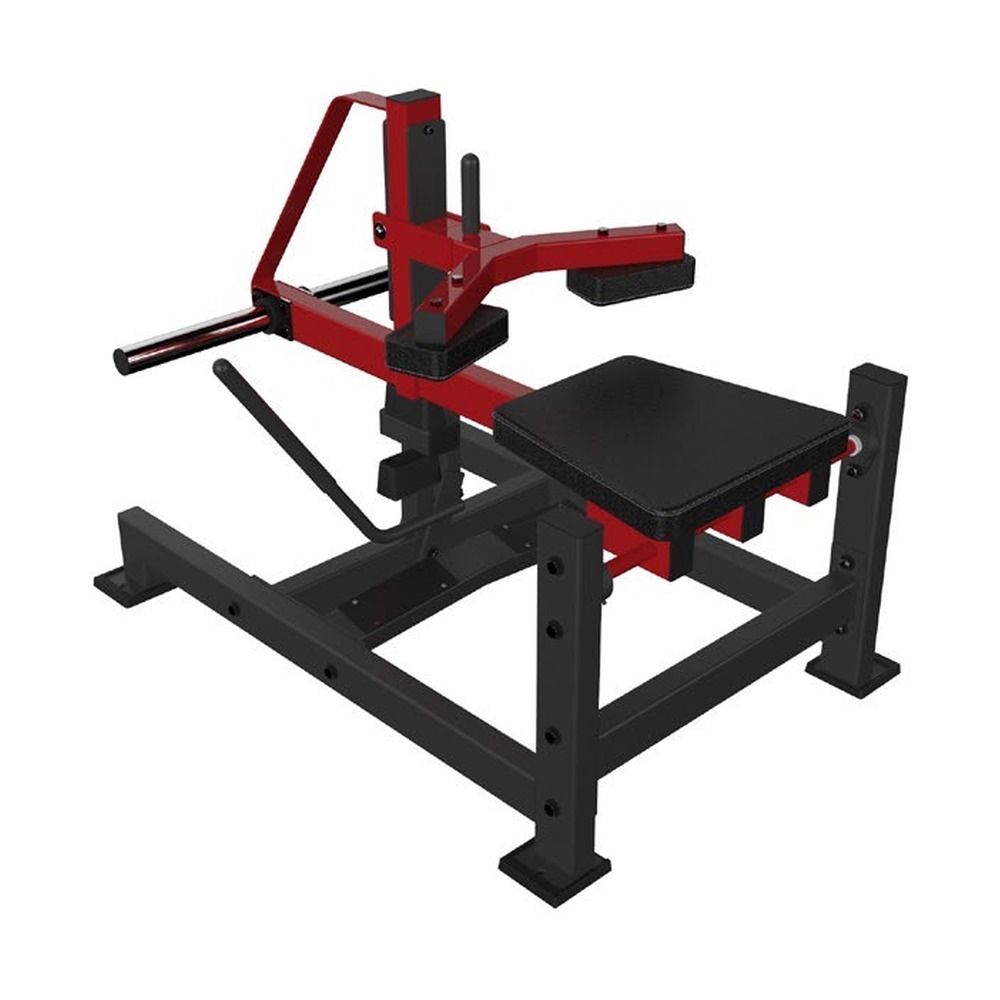
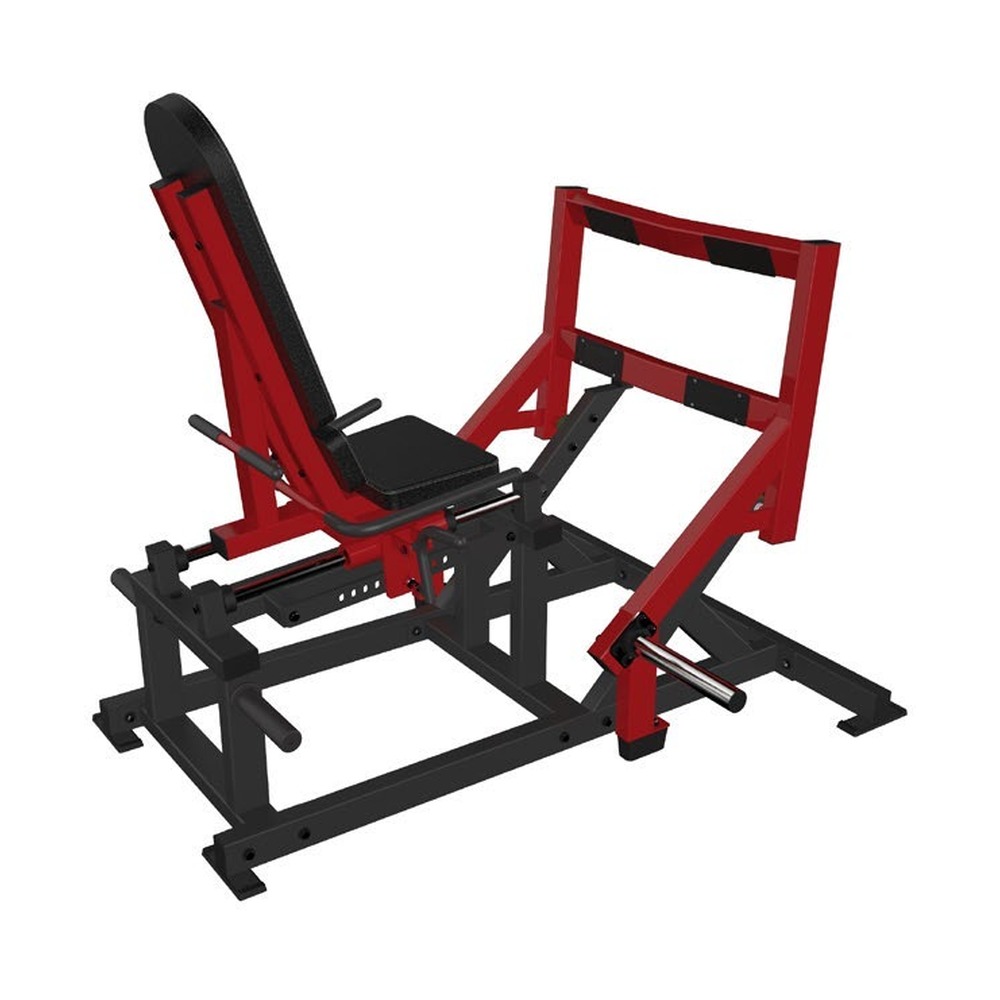
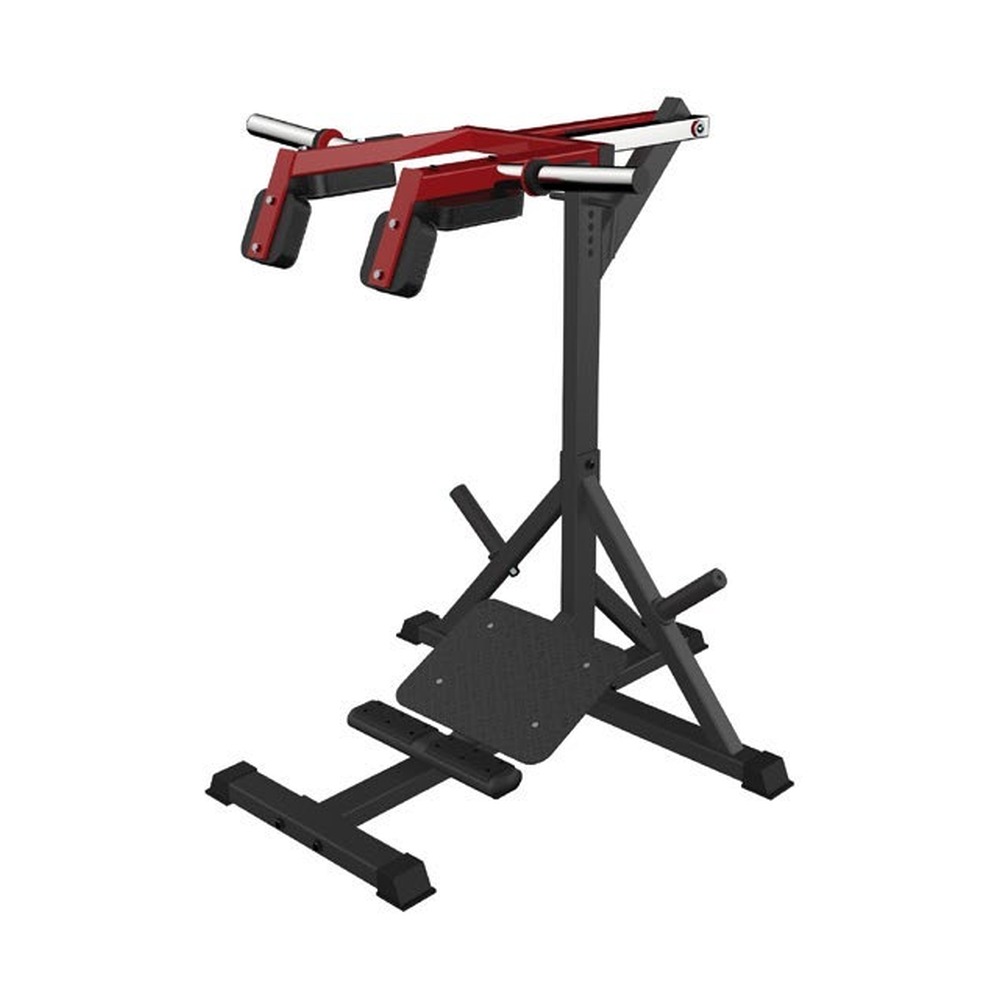
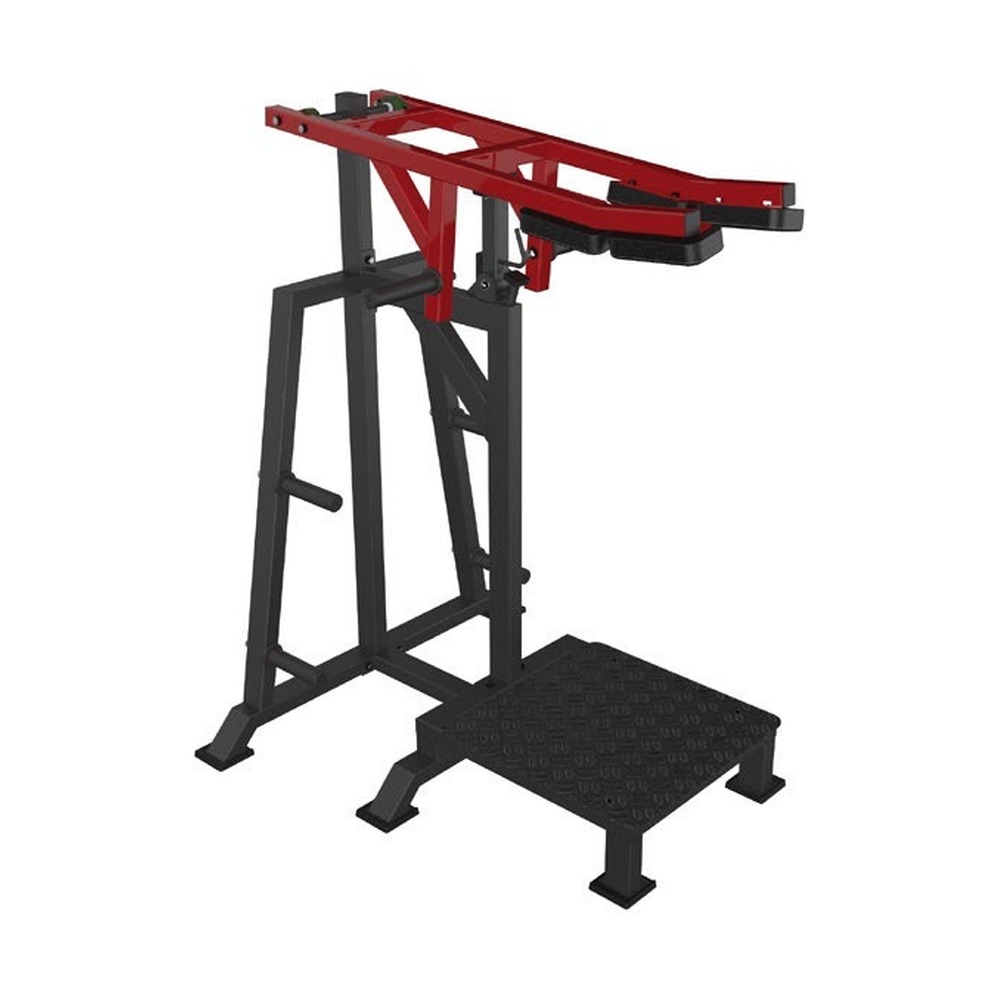
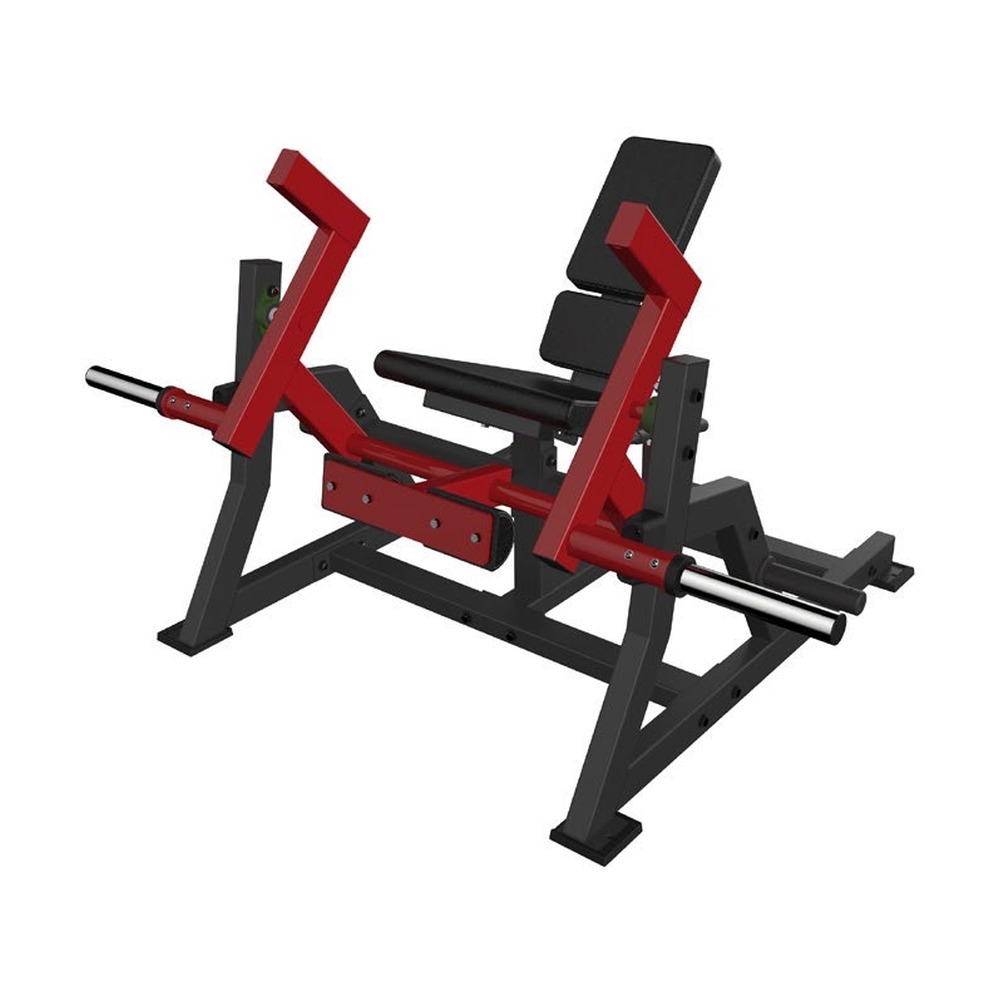
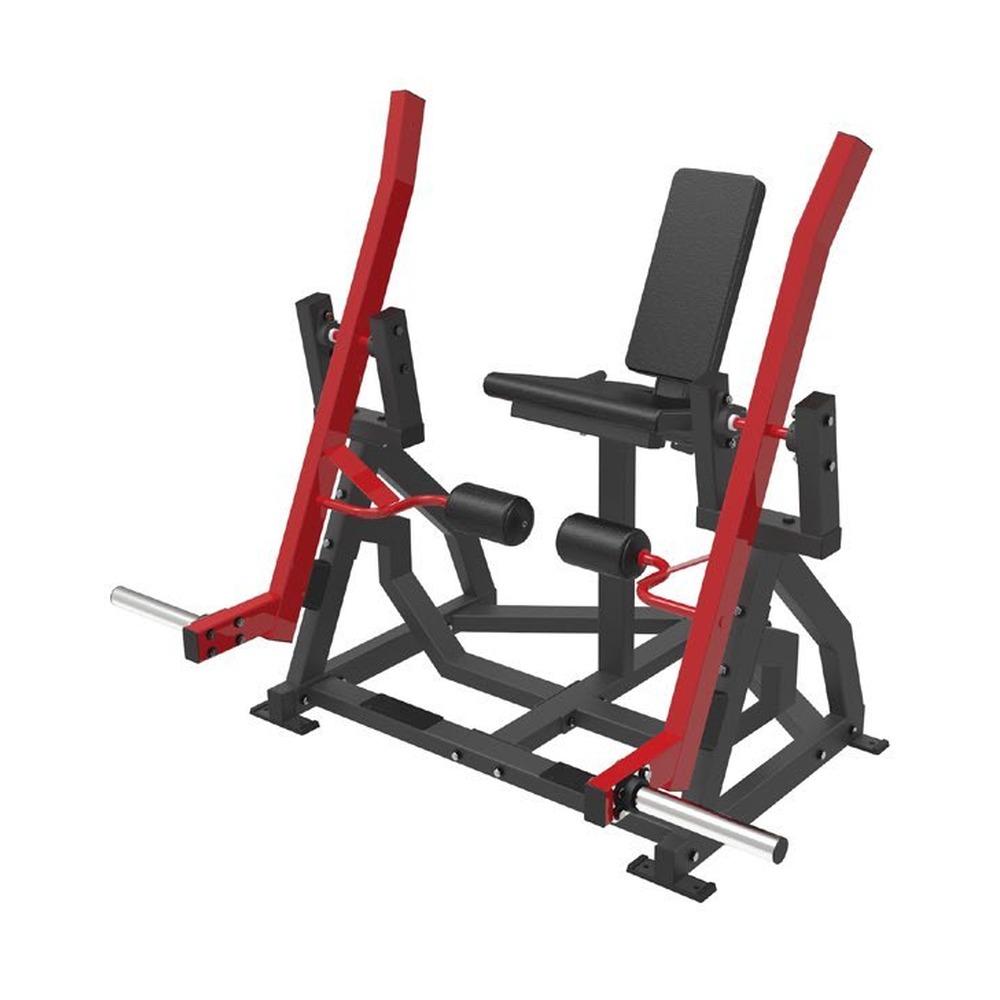
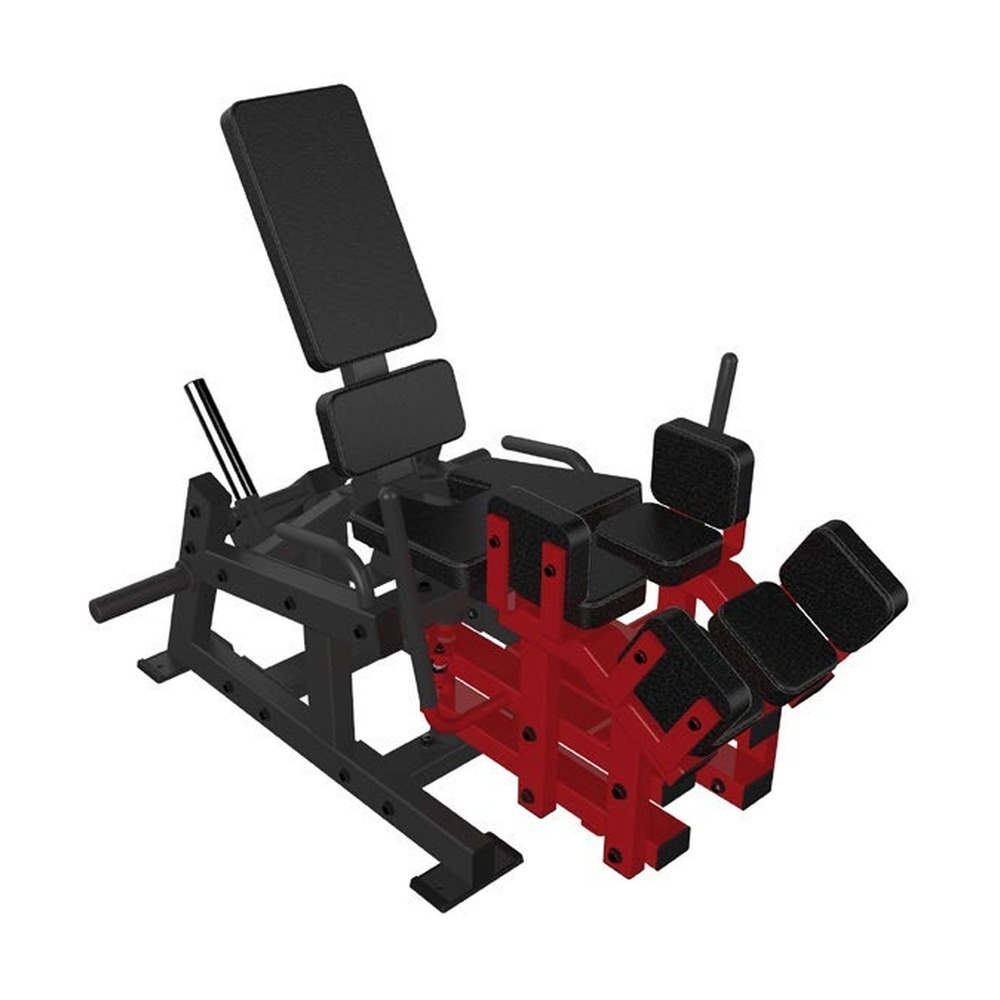
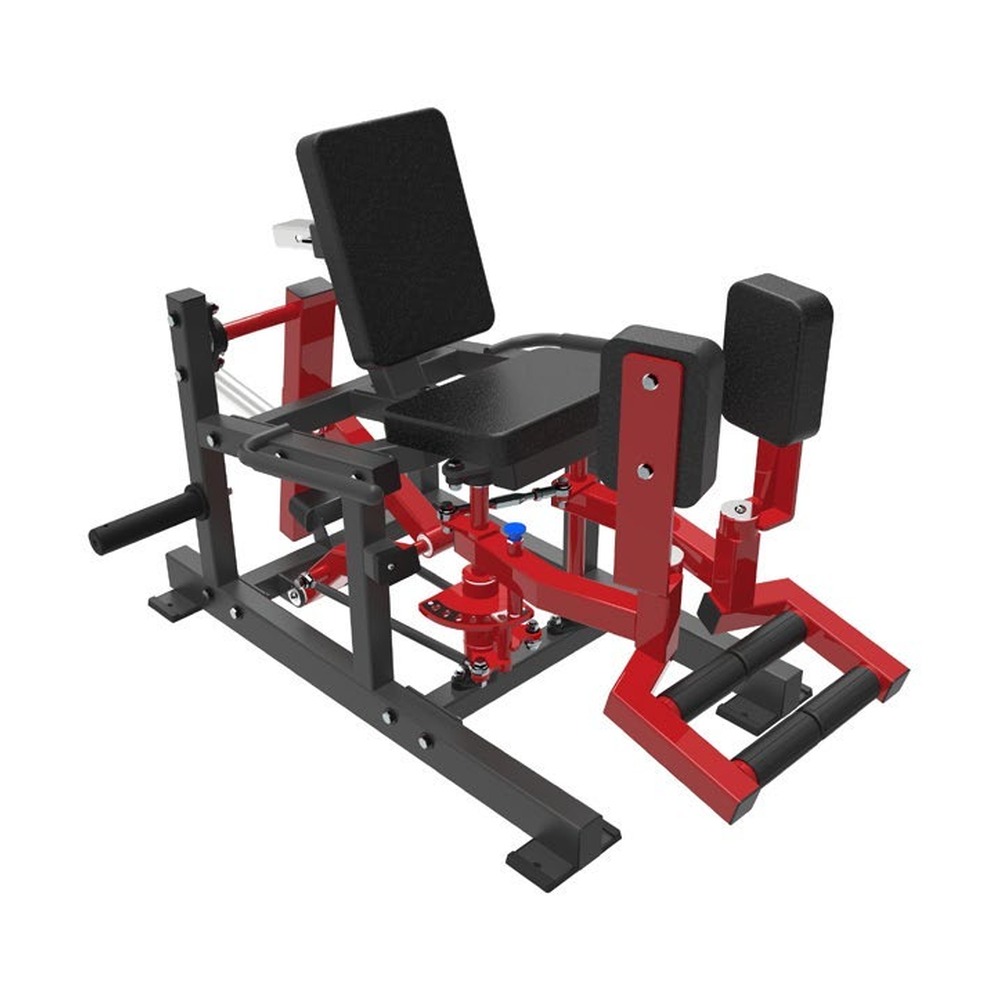
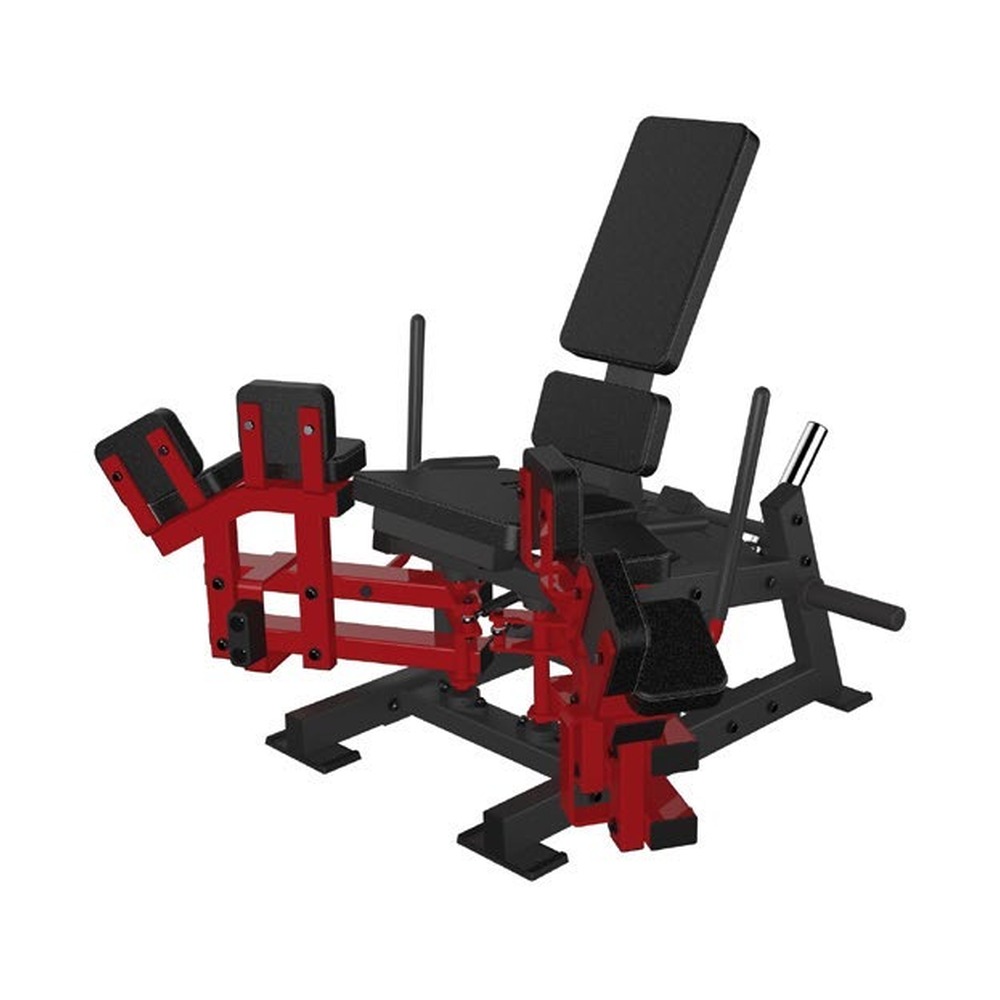
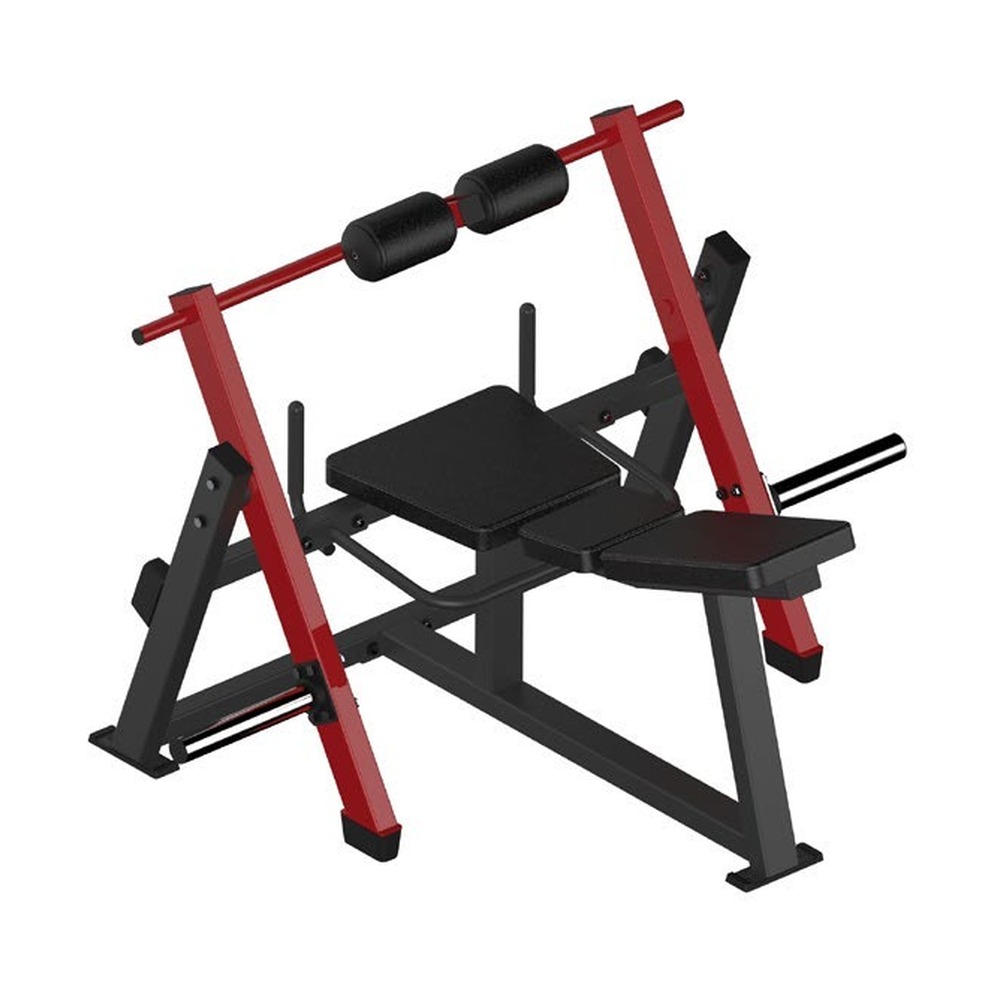
Send your application, target market and quantity direction. PowerBaseFit can help clarify series, models and quotation direction.