
Introduction
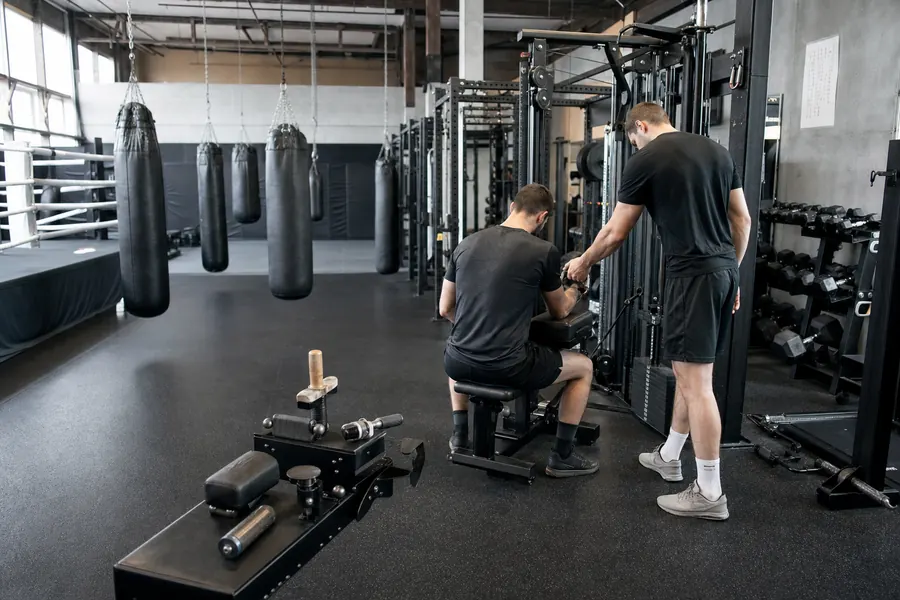
The best grip strength equipment is a planned mix rather than one device: dedicated forearm or gripper machines for repeatable loading, cable attachments for varied angles, and free-weight grip tools for carries, holds and pinching. Strength clubs usually need heavier progression and durable stations, while combat-sports gyms need adaptable, coachable options that do not displace skill training.
Key takeaways
- Map the sport demands: Identify the holds, carries, wrist actions and training contexts that equipment must support.
- Audit existing coverage: Review racks, cables, plates, dumbbells and current attachments before adding machines.
- Choose the base layer: Select one repeatable dedicated station or a controlled attachment set for frequent needs.
Planning context
Grip training supports different tasks across strength sports, combat sports and athletic preparation. A strength athlete may need secure bar control, heavy holds and stronger wrist positioning. A grappler must maintain hand and forearm output while changing angles and contact. A boxer needs resilient wrists and forearms but also has to protect hand quality for technical sessions. These demands overlap, yet they do not justify buying every grip tool available.
Commercial selection should begin with applications, users and coaching capacity. Dedicated machines make progression and setup easier to repeat. Cable attachments provide direction changes and exercise variety. Free weights and portable tools support carries, holds and group work. The buyer's job is to build coverage without creating clutter, duplicate movements or equipment that only one experienced athlete understands.
Grip Strength Training Applications by Facility Type
Strength clubs typically use grip work to support deadlifts, rows, pull-ups, carries, strongman-style events and focused forearm development. Equipment should tolerate regular loading, offer clear progression and sit near related strength zones. A dedicated gripper or wrist station can reduce improvised setups on cable towers and benches while giving members a visible place for accessory work.
Combat-sports gyms use grip training as support for technical performance rather than as a separate sport. MMA and grappling programs may use controlled gripping, wrist flexion and extension, rope work, carries and timed holds. Boxing gyms usually need a measured approach that supports wrist and forearm conditioning without interfering with bag, pad and sparring quality. Athletic performance centers need scalable options for different sports and training ages.
Compare Four Commercial Grip Equipment Formats
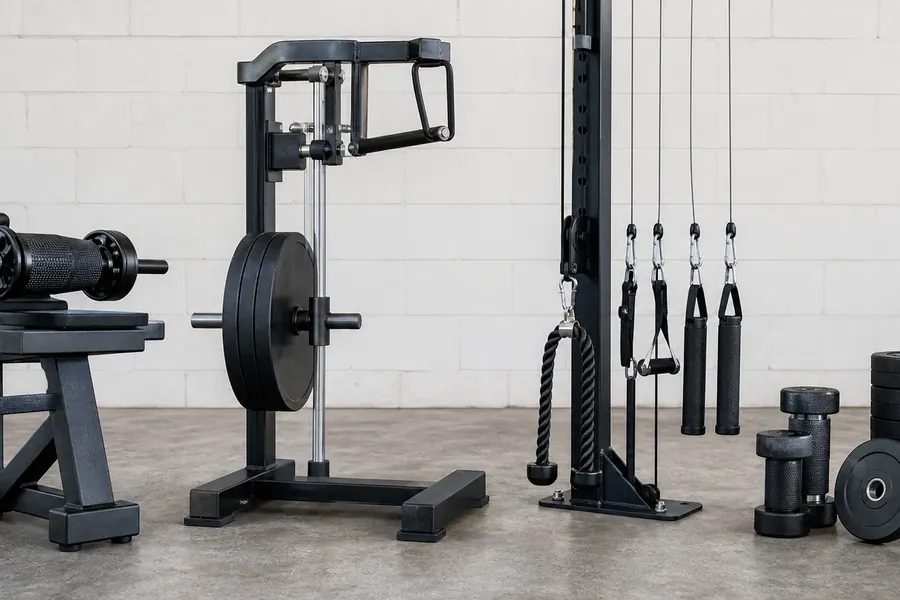
A forearm trainer usually emphasizes wrist rotation, flexion or extension with the forearm supported. A grip machine emphasizes closing, squeezing or another hand-dominant action through a guided mechanism. Cable attachments change handle thickness, wrist angle and direction without adding a full machine. Free-weight grip training includes thick handles, plate pinches, carries, holds and specialty tools that use existing dumbbells, plates or bars.
These formats should be treated as layers. A dedicated machine provides consistency. Attachments add variety. Free weights create open-ended tasks. A facility can use all three layers, but the balance should follow member demand and staff supervision. Buying a full machine for an occasional exercise may be inefficient, while relying only on loose tools can make progression and storage difficult in a high-traffic commercial environment.
Equipment Priorities for Strength Clubs
Strength clubs should begin with the movements members already perform. If deadlifts, rows and carries dominate the program, thick handles, pinch tools and organized free-weight grip work may cover broad demand. A dedicated forearm curl or wrist trainer adds value when members want direct accessory progression or when improvised wrist work occupies benches and cable stations during busy periods.
Placement influences use. Put dedicated grip and forearm machines near arm training, pulling or free-weight zones rather than hiding them beside unrelated cardio. Provide plate access without crossing walkways. Store attachments and portable tools where the exercises occur. A specialist station earns its floor area when members understand its role, coaches can program it and staff can maintain it without disrupting larger strength equipment.
Equipment Priorities for MMA, Grappling and Boxing Gyms
MMA and grappling facilities need grip options that complement clinch, wrestling and ground-training demands without pretending to reproduce a live opponent. Rope attachments, towel-style grips, thick handles, controlled wrist work and carries can support general hand and forearm capacity. A dedicated gripper or forearm machine can make progression easier for athletes who need a stable station after technical practice.
Boxing gyms should consider the total load on hands and wrists. Bag work, pad work, strength training and grip work all contribute fatigue. Equipment selection should therefore support controlled volume and easy coaching. Adjustable cable attachments and a guided wrist or forearm station may be more practical than a large collection of aggressive grip tools. Program decisions belong to qualified coaches; equipment should make those decisions easier to apply consistently.
Equipment Priorities for Athletic Performance Centers
Performance centers often serve teams, individual athletes and rehabilitation-adjacent return-to-training programs. They need equipment that scales across ability levels and does not require a long setup explanation. Cable attachments, adjustable resistance and simple forearm stations can support controlled progressions. Free-weight tools remain useful when coaches need carries, holds and integrated whole-body tasks.
The purchasing plan should separate general capacity from sport-specific coaching. Grip diameter, wrist position, range and exercise duration can all be changed without claiming that one tool transfers directly to performance. Select equipment with clear adjustments, secure storage and enough user positions for the group model. A small, organized grip station can be more useful than many loose tools spread across racks and turf.
Equipment Selection Guide: Build Coverage in Layers
Layer one is the equipment already present: dumbbells, plates, barbells, racks and cable towers. Audit what these assets can do with suitable handles and storage. Layer two is dedicated capacity. Add a forearm trainer, wrist station or gripper when demand is frequent enough to justify a defined user position. Layer three is specialist variety, such as pinch blocks, thick bars or multiple attachment shapes.
Review progression. A tool should offer enough resistance steps or loading options for the intended users without forcing unsafe jumps. Review setup time and reset behavior. Equipment used in groups should return quickly to a known starting position. Review compatibility before ordering cable attachments, and confirm that loose tools have a storage location. Every added option increases both training variety and housekeeping responsibility.
Commercial Construction and Inspection Requirements
Dedicated machines should be reviewed like other commercial strength equipment. Inspect frame stability, weld consistency, pivot support, grips, pads, adjustment points, loading horns or stacks and any chain or cable transmission. Check whether the user can enter and exit without contacting loading areas. Handles should provide secure contact without sharp edges, uncontrolled rotation or finishes that become difficult to clean.
Portable tools need procurement standards too. Attachment eyes and carabiner interfaces must match the intended cable system. Rope ends, handles, stitching or molded contact areas should be inspectable. Thick-grip tools and pinch blocks need secure storage so they do not become trip hazards. Buyers should request material and maintenance information rather than assuming a small accessory carries no commercial risk.
Protect Training Quality with Clear Programming Roles
Equipment cannot decide how much grip work an athlete needs. The facility should define who can use specialist tools, where they appear in the session and how coaches manage fatigue around technical practice. A strength club may allow broad member access to a gripper station, while a combat gym may reserve certain tools for supervised performance sessions.
Clear roles also improve buying decisions. If a proposed machine has no place in the program, no responsible coach and no storage or maintenance owner, it is not ready for purchase. Conversely, repeated queues, improvised setups and missing progressions can justify dedicated equipment. Record actual usage and coach feedback before expanding the category further.
Buyer decision framework
- Map the sport demands: Identify the holds, carries, wrist actions and training contexts that equipment must support.
- Audit existing coverage: Review racks, cables, plates, dumbbells and current attachments before adding machines.
- Choose the base layer: Select one repeatable dedicated station or a controlled attachment set for frequent needs.
- Plan progression: Confirm resistance steps, handle options and setup for beginners through advanced users.
- Assign space and ownership: Give equipment a location, storage plan, inspection routine and coaching responsibility.
- Expand from evidence: Add specialist tools only after utilization and programming gaps are visible.
Buyer checklist
- Facility type and primary athlete groups are defined.
- Existing free-weight and cable grip options have been audited.
- Dedicated equipment solves a repeated demand or congestion problem.
- Resistance progression fits the full intended user range.
- Grip diameter, texture and wrist position are appropriate.
- Machine adjustments are clear and repeatable.
- Cable attachments match connection and storage requirements.
- Portable tools have a rack, bin or wall position.
- Cleaning and inspection responsibilities are assigned.
- Grip work can be programmed without disrupting technical training.
Common buying mistakes
- Buying every grip variation: More tools create clutter and weak utilization when the training program only needs a few repeatable patterns.
- Copying a strength club into a boxing gym: Combat facilities must protect technical training time and manage hand and wrist fatigue differently.
- Ignoring storage: Attachments and portable tools quickly become floor hazards when they do not have defined positions.
- Selecting only for advanced athletes: Commercial equipment should offer progressions and setup options for the actual user range.
- Treating small tools as maintenance-free: Handles, ropes, seams, attachment eyes and contact surfaces still require routine inspection.
Manufacturer perspective
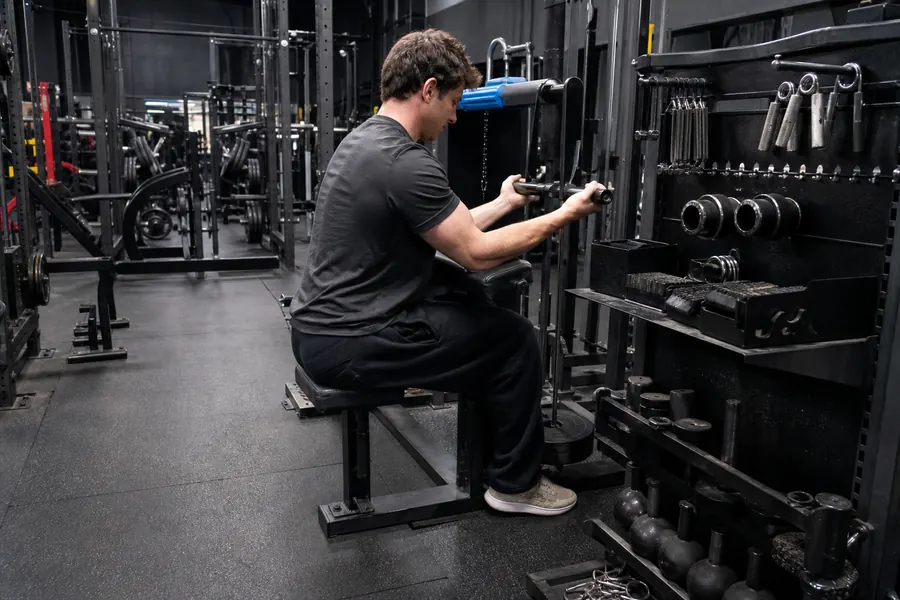
From a commercial equipment manufacturer's perspective, grip products should be evaluated by the contact points and force path the user actually experiences. Handle geometry, wrist position, pad support, pivots, cables, chains and loading access must work as one system.
For distributors and facilities, a coherent category is easier to support than a random collection. A dedicated forearm or gripper machine, compatible attachments and organized free-weight tools can share a clear training purpose while remaining distinct in setup, progression and price level.
Grip Strength Equipment Selection Comparison
| Equipment Type | Primary Use | Commercial Strength | Space & Storage | Best Fit | Buyer Check |
|---|---|---|---|---|---|
| Forearm Trainer | Supported wrist and forearm movement | Repeatable setup and focused progression | Dedicated footprint | Strength clubs and coached performance areas | Wrist path, pad geometry, drive system and adjustment |
| Grip Machine | Guided crushing or hand-dominant resistance | Easy-to-understand specialist station | Small to medium footprint | Strength clubs, combat sports support zones | Handle range, starting position, linkage and loading access |
| Cable Attachment | Multiple angles and hand positions | Flexible and low-footprint | Requires organized attachment storage | MMA, boxing, general gyms and mixed programs | Connection, grip texture, compatibility and cable traffic |
| Free-Weight Grip Training | Carries, holds, pinches and thick-handle work | Highly adaptable and coach-led | Needs floor space and storage | Strength sports and athletic performance | Progression, floor protection, tool storage and supervision |
Useful next pages
Buyer FAQ
Which grip training equipment is suitable for commercial gyms?
A practical commercial mix includes one repeatable dedicated forearm or grip station, compatible cable attachments and organized free-weight tools. The exact mix depends on members, coaching and available space.
What grip equipment is best for a strength club?
Strength clubs often benefit from heavy carries and holds, thick handles, pinch tools and a dedicated forearm or gripper machine when demand justifies a permanent station.
What grip equipment is useful for MMA and grappling gyms?
Cable attachments, rope or towel-style handles, controlled wrist work, carries and a guided grip or forearm station can support coached strength work without trying to reproduce live technical practice.
Should boxing gyms use grip strength equipment?
They can use controlled wrist and forearm training, but equipment volume should fit the coach's plan and total hand load from bags, pads and sparring.
Is a grip machine better than cable attachments?
A grip machine provides a repeatable dedicated setup. Attachments provide more angles with less floor space. Many facilities use both for different roles.
Are free-weight grip tools enough for a commercial facility?
They may be enough when coaching, progression and storage are strong. A dedicated machine becomes useful when demand is frequent or improvised setups create congestion.
How should grip equipment be inspected?
Inspect handles, grips, pads, pivots, cables or chains, fasteners, loading points, attachment eyes, seams and storage condition according to the supplied instructions.
How much space should a grip training area use?
Use enough space for safe entry, loading, carries or cable movement and storage. The correct area depends on the equipment mix and whether exercises move through the room.
What should buyers send for a grip equipment recommendation?
Send the facility type, athlete groups, current equipment, available floor area, preferred training methods, quantity direction and any OEM requirements.
Conclusion
The best commercial grip equipment plan covers repeatable loading, adaptable exercise angles and open strength tasks without turning the gym into a storage problem. Dedicated machines, cable attachments and free-weight tools each have a clear role. Buyers should start with the facility's program, then choose the smallest coherent equipment mix that closes real gaps. Expansion should follow observed use, coach feedback and the ability to inspect and support the category.
Need this topic turned into a real equipment plan?
Send your market, gym size, product categories or OEM needs. Kloe can help clarify the next step.