
Commercial Lateral Raise Machine vs Cables and Dumbbells: Buyer Guide
Choose a dedicated commercial lateral raise machine when observed shoulder-training demand, quick guided setup and relief for busy cable or dumbbell areas justify a separate station. Keep the movement on cables and dumbbells when floor flexibility matters more than dedicated throughput. Before ordering, test the exact offered revision with different users, confirm shoulder-to-pivot alignment, contacts, starting effort, load steps, arm behavior, live area and service access, then make that approved configuration part of the quotation and receiving test.
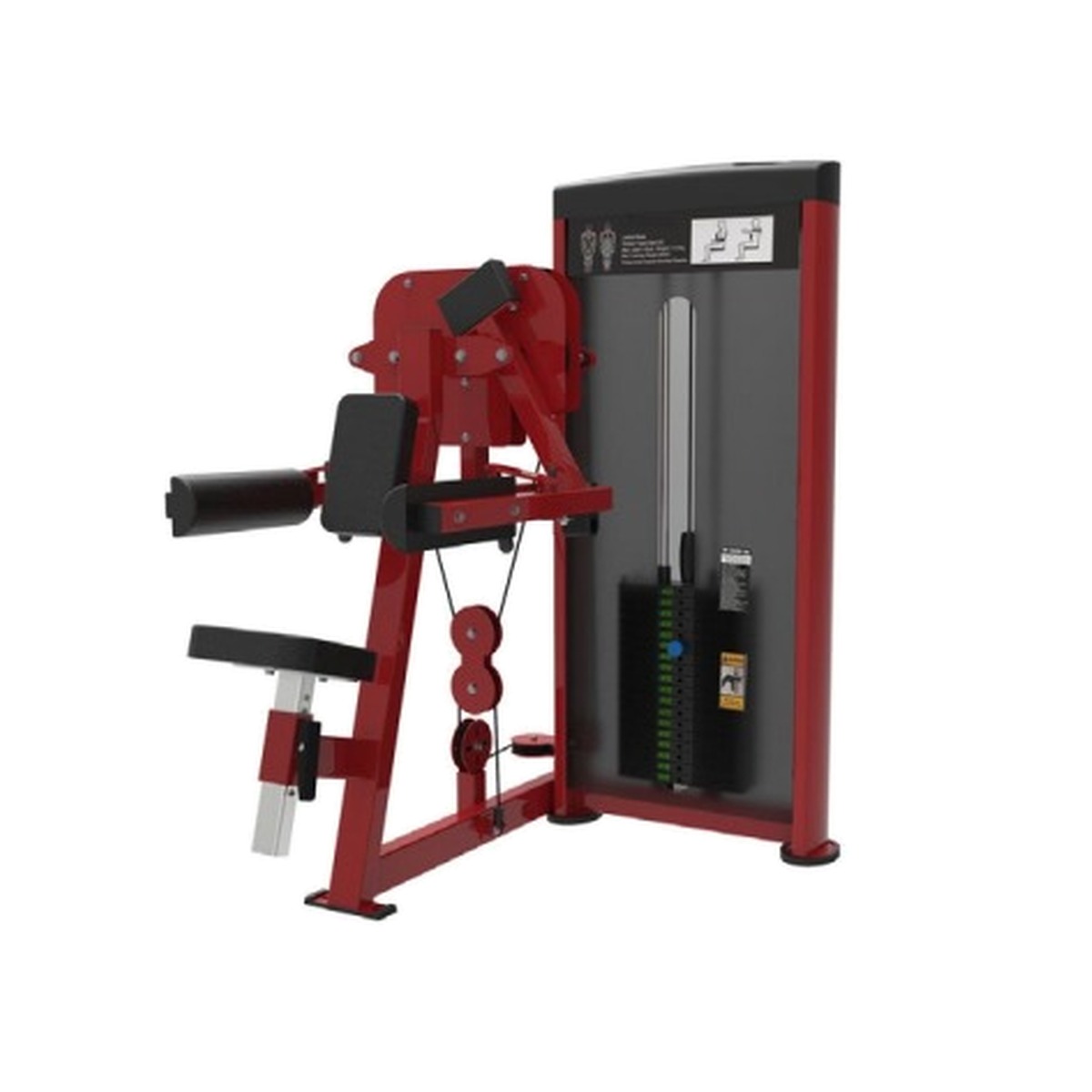
Give the station a measurable job on the strength floor
Begin with the shoulder area rather than a supplier catalogue. Count how often members request lateral-raise work, where they perform it, how long they occupy adjustable cable columns and whether dumbbell traffic creates a recurring bottleneck. Record several representative peak and off-peak periods. A dedicated machine has a clear commercial role when it removes an observed queue, shortens setup for a varied membership or protects cable positions for exercises that have fewer substitutes.
Map the alternatives already owned by the facility: light dumbbells, low adjustable pulleys, shoulder press, rear-deltoid equipment and coached functional stations. The lateral-raise machine does not replace vertical pressing or rear-deltoid work, and those stations do not prove that a dedicated lateral path is unnecessary. Write the purchase need as a capacity and user-experience requirement so a buyer can compare one specialist station with added cable capacity or a better dumbbell range on the same budget and floor area.
Compare the format, not only the exercise label
Selectorized machines support quick pin changes and can serve a circuit with frequent user turnover. Plate-loaded designs change the handling task, storage demand and starting effort. A cable column gives angle and exercise variety but consumes a shared position and requires an attachment and a stable setup. Dumbbells need no dedicated mechanism, yet they draw users into the free-weight aisle and depend on the available increments. The correct choice follows the facility model, supervision level and peak demand.
Ask whether the offered machine uses forearm pads, articulated handles or another contact, whether the arms move independently, and whether the start is adjustable or counterbalanced. These choices change entry, alignment, unilateral use, cleaning and the feel of the first part of the movement. Treat every design as its own system. A familiar product name cannot substitute for a trial of the actual production revision that will be quoted and delivered.
| Format | Buyer should verify | Best fit when |
|---|---|---|
| Selectorized lateral raise | Seat range, starting effort, smallest useful step, stack pickup and arm independence | Fast guided setup and frequent load changes are priorities |
| Plate-loaded lateral raise | Empty-arm effort, plate access, horn clearance, left-right loading and storage | The floor already operates a plate-loaded strength line |
| Adjustable cable column | Pulley height, attachment, cable angle, balance demand and peak availability | Exercise variety and shared floor capacity lead the decision |
| Dumbbell lateral raise | Useful increments, rack position, aisle width, return behavior and congestion | The free-weight area has enough light pairs and circulation |
| Dual-purpose shoulder station | Changeover, compromised contacts, labels and capacity for both movement modes | One footprint must cover more than one clearly required task |
Run a multi-user geometry and contact trial
Use representative small, medium and large users, including people unfamiliar with the model. For each person, record seat setting, entry route, foot support, torso position, shoulder height relative to the arm pivot, forearm-pad or handle contact and reach to the selector and adjustments. The user should not have to climb across a moving arm, compress into a contact that misses the forearm, or lose the chosen setting during entry. The purchasing team is checking usable coverage, not coaching a single preferred exercise style.
Observe both the lift and the controlled return with a light setting. Check whether articulated handles follow different arm lengths, whether independent arms remain usable one side at a time and whether pads rotate or slide under normal contact. Note end stops, visible pinch areas, instructions and the location of every adjustment. Qualified facility staff decide individual exercise suitability; procurement evidence should show that the controls, contacts and route are clear and repeatable for the intended membership.
Measure delivered resistance from the first centimetre
Request the unloaded starting effort, resistance method, available load steps and any add-on increment. Then test the smallest useful setting, a middle setting and a representative higher setting through the complete path. On a selectorized unit, observe cable tension, pulley tracking, guide movement, stack separation and stack contact on return. On a plate-loaded unit, test the empty arms first and document where plates are added. The number printed on a stack or plate does not state the force that reaches the user contact.
Compare the left and right arms separately when the machine allows it. Record slack before pickup, sudden changes in effort, friction, noise, pad movement and whether both sides begin and finish consistently. Do not turn the trial into an unsupported performance claim. Its purpose is to create a repeatable acceptance sequence and to expose differences between offers that list similar total loads but use different cams, lever lengths, pulley routes, counterbalances or contacts.
Model peak throughput and draw the moving envelope
Time a realistic occupied cycle: approach, seat adjustment, load selection, working sets, any unilateral change, wipe-down and exit. Compare that cycle with a cable setup that requires attachment changes and with dumbbell use that occupies rack and aisle space. Combine observed arrivals, the share choosing this movement, planned service downtime and the waiting level the operator accepts. This gives the buyer a capacity reason for one dedicated station, another shared cable position or no added unit.
Draw the full live area instead of copying the frame footprint. Include the widest arm position, user elbows and hands, entry side, selector access, coach position, neighboring traffic, cleaning reach, open shrouds and technician access. Check columns, mirrors and the shoulder station beside it. Before shipment, confirm package size, component weights, doorway and lift limits, turning space, floor protection, assembly route and the anchoring instructions for the offered model.
Inspect the parts that determine daily operation
Review the seat, back support, forearm pads, handles, adjustment tracks, pins, pivots, bearings, cables, pulleys, guide rods, weight plates or stack, guards, stops, fasteners, feet and labels that apply to the design. Operate every adjustment repeatedly. Look for incomplete engagement, excessive play, trapped cleaning areas, exposed wear, contact with the frame and instructions hidden by the normal user position. Verify that high-touch materials can be cleaned with products approved for the upholstery, grips, coating and decals.
Ask how routine inspection is performed, which covers open, what parts are expected to wear, how replacements are identified and whether service requires moving the unit. The handover file should contain the correct manual, assembly instructions, diagrams, parts references, inspection points and initial-adjustment responsibility. Compare documented access and parts identification instead of accepting a broad durability statement that cannot be tested during the procurement process.
Turn the reference-unit decision into a comparable quotation
Have users, a coach, cleaning staff and a technician review the same offered revision. Record the settings that fit each profile, the movement and return observations, load steps, change time, occupied area, cleaning route and service access. Photograph identifying features and keep the supplier document revision. The reference file gives the buying committee shared evidence and prevents a visual finish or a large stack label from dominating a decision about fit and operation.
Require each quotation to identify model and revision, resistance format, arm relationship, user contacts, seat and start adjustments, load steps, finish, labels, guards, documentation, packaging and accepted drawings. Price equipment, freight, inside delivery, assembly, specified anchoring, commissioning and staff handover as separate scope lines. If a lever, cam, pad, handle, stack, guard or base changes after approval, route that change through a documented review before production.
Repeat the evidence before the station opens
At receiving, match packages and serial records to the purchase order and photograph visible damage before assembly. Build the machine to the approved instructions and repeat the reference sequence with the same range of users. Confirm stability, settings, contacts, start effort, load selection, smooth pickup, independent-arm behavior, return, stops, labels, cleaning reach and maintenance clearance. Compare the delivered finish and components with the approved record instead of relying on the shared model name.
Log every deviation with an owner, action and closure evidence. Keep the station out of normal operation until required corrections, documentation and staff handover are complete. The final file should connect the purchase brief, approved quotation, change records, packing evidence, assembly check and functional acceptance. That traceability is useful whether the order contains one shoulder machine, a full selectorized line or a mixed container for several sites.
FAQ
Does every commercial gym need a lateral raise machine?
No. Add one when measured demand, setup simplicity and pressure on cables or dumbbells justify a dedicated shoulder-isolation position.
Is a lateral raise machine the same as a shoulder press?
No. A shoulder press guides an overhead pressing task, while a lateral raise station guides the arms outward through a different movement and contact arrangement.
Is selectorized or plate loaded the better format?
Neither format wins for every facility. Compare starting effort, increments, user turnover, plate handling, service access and the delivered resistance of the exact revision.
Can cables and dumbbells replace the dedicated machine?
They can provide the movement when the facility has suitable increments, attachments, supervision and enough cable or free-weight capacity at busy times.
What should be repeated during receiving inspection?
Repeat the approved user-fit, start, load-step, arm movement, return, live-area, cleaning and service-access sequence on the delivered unit.
Sources
- ISO 20957-1 general safety requirements — International Organization for Standardization
- ISO 20957-2 strength-equipment requirements — International Organization for Standardization
- Life Fitness Insignia Lateral Raise — Life Fitness
- Precor Resolute Lateral Raise — Precor
- Panatta Fit Evo Lateral Deltoids — Panatta