
How to Choose a Commercial Pec Fly/Rear Delt Machine
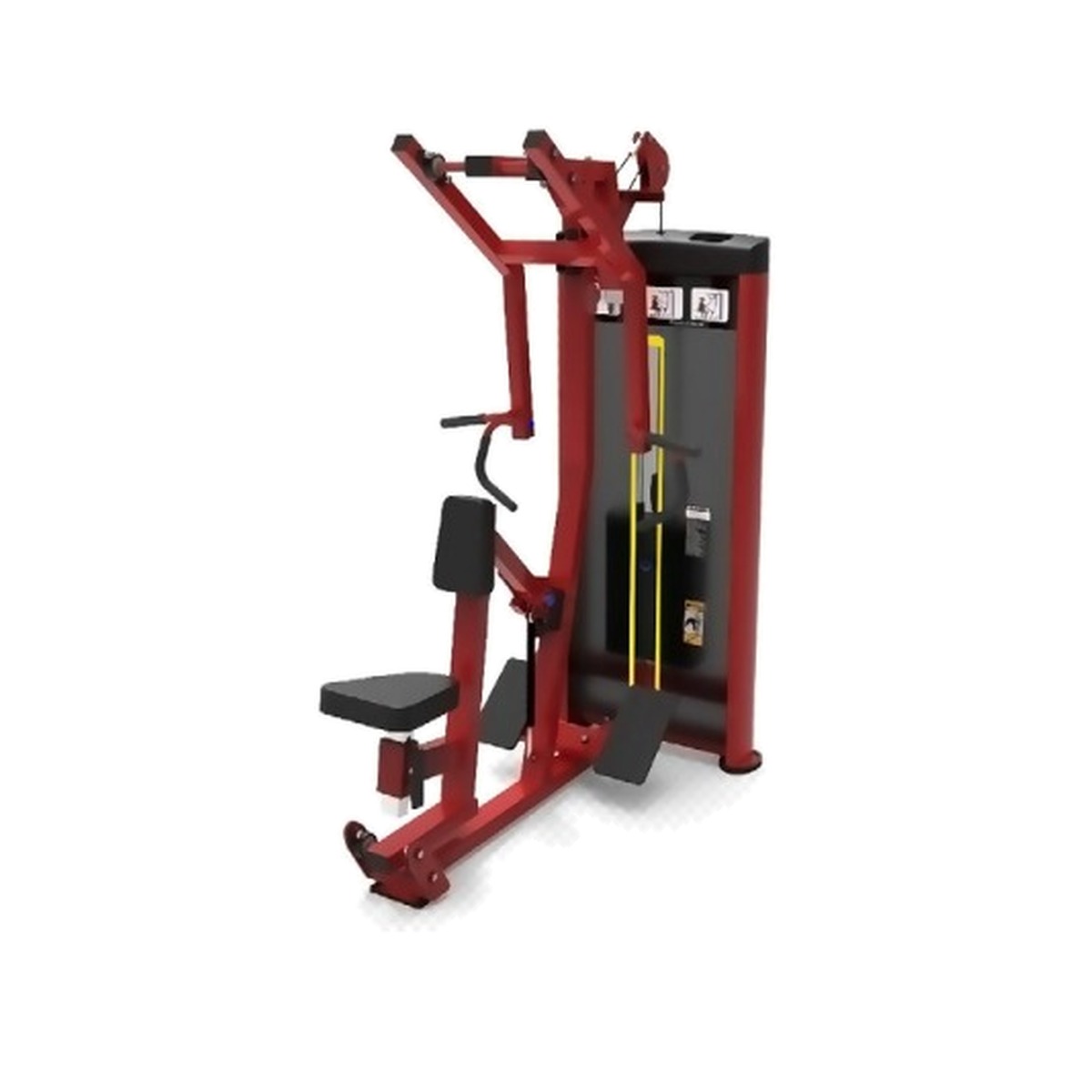
Choose a commercial pec fly/rear-delt machine from measured demand, user fit and peak-time capacity rather than from the equipment name alone. A dual-function unit covers chest fly and reverse fly in one footprint, while separate stations let two people train at once and a cable station preserves more exercise variety. On the exact offered model, test both facing directions, start positions, shoulder-to-pivot relationship, chest support, handles, starting resistance, usable increments, controlled return, complete live area and service access. Record changeover time and queues for both movements. Approve one reference unit, freeze its configuration in the quotation and repeat the same checks at receiving.
Prove the movement and capacity gap before selecting a model
Audit the current chest and rear-shoulder programme, coach requirements, member requests and a fixed busy-period window. Record where users train pec fly and rear delt now, how long they occupy cables, shared fly stations or benches, which attachments they need and whether waiting changes the programme. A dedicated unit earns floor area when it removes a documented bottleneck, gives a required supported position or lets the intended users repeat a movement with less setup. Total membership and a copied equipment ratio do not answer this question.
Define the facility and purchasing role. A general health club can favour rapid pin changes and visible adjustments; a strength-focused club can value a dedicated fly path or plate-loaded feel; a hotel, school or workplace room can prioritise straightforward entry and supervision. Importers and distributors should also test whether the proposed unit fills a clear range gap, shares service parts with the selected line and can be explained without claiming that every gym needs a dedicated fly machine.
Choose the movement format before comparing finish or price
Compare four solutions before choosing a finish. A dual-function selectorized unit reverses the starting position so one seat serves pectoral fly and rear-delt fly. Separate single-function stations remove changeover and allow concurrent use. A cable station offers many angles but competes with rows, presses and accessory work. A plate-loaded fly adds plate handling, balanced loading, storage and side clearance. These formats solve different capacity and operating problems.
Run the full user sequence in both directions: approach, seat adjustment, arm-start selection, load selection, body contact, first pickup, repetition, controlled return, exit, cleaning and changeover. Check that the instruction placard makes the facing direction and settings clear, and that a user never reaches through a moving arm to adjust the machine. Select the format that fits the programme, representative users, supervision and observed peak flow.
| Format | Useful when | Reference-unit checks | Planning trade-off |
|---|---|---|---|
| Dual-function pec fly/rear delt | Both movements are required and floor area is constrained | Changeover, start settings, body support, handles and queue | Two exercises still share one user place |
| Dedicated pectoral fly | Chest-fly demand justifies its own position | Shoulder alignment, start angle, chest support and return | Fast access but one movement per footprint |
| Dedicated rear-delt fly | Rear-shoulder demand needs an always-ready station | Facing position, chest pad, handle path and finish control | Adds a second footprint and service schedule |
| Cable station | Exercise variety is more important than a fixed path | Pulley ratio, cable travel, attachments, storage and occupancy | Fly work competes with every other cable exercise |
Specify delivered resistance, increments and start behaviour
Request the permitted start position, starting resistance, smallest usable increment, maximum approved setting and the force relationship for the exact model. On a selectorized machine, record stack increments, add-on weight, cable or lever ratio, selector reach and whether the selected label represents force at the handle. On a plate-loaded design, record horn diameter and length, balanced-loading rules, retaining method, available plates and storage. Keep these values model- and revision-specific.
Trial light, medium and strong representative users. The lowest useful setting should permit controlled pickup and return; upper settings should not create frame lift, abrupt cable pickup, unstable pads or a forced finish. Observe resistance from the approved start through each approved arm path and back to the stop. Do not convert another brand's stack or plate capacity into a PowerBaseFit claim. Put the reference unit's observed values, acceptable sounds and finish behaviour into the purchase record.
Test user fit as an alignment sequence, not one seat adjustment
Adjust the seat and arm-start position for each movement separately. For pectoral fly, verify stable back contact, shoulder alignment, handle reach and a start angle the user can control. For rear-delt fly, verify chest-pad contact, room for the head and shoulders, handle height and an outward path that finishes without the pads or arms striking the frame. Shorter users must reach selector and handles without leaving support; taller users must not be compressed by the pad or start position. Record the settings for representative short, mid-range and tall adults instead of treating one seat number as universal.
Use short, mid-range and tall adults chosen by the buyer, including different training experience and mobility. Record the settings for each tester and distinguish discomfort caused by an incorrect setup from a genuine range limit. Look for stable contact, smooth pickup, a controllable end position, clear entry and no pinch or impact at adjustment points. Accessibility, clinical suitability and coaching rules remain decisions for the responsible local professionals; procurement should document what the offered machine physically accommodates.
Plan peak capacity and the complete live area
Count arrivals, occupied minutes, changeover and acceptable waiting during a fixed peak window. A combination unit still accepts one user at a time, while a cable station used for pec fly and rear delt reduces capacity for other cable work. A separate fly station can protect cable throughput, but two lightly used single-function machines can consume more floor and service time than one well-chosen shared station. Use observed demand and programme schedules to decide quantity, then pilot one reference unit before repeating it across a network.
Draw the operating envelope rather than the steel footprint. Include the seated user, movement arms, handle path, seat adjustment, weight-stack access, plate loading where relevant, walking route, cleaning position and technician clearance. Verify package dimensions, doors, lifts, turns, floor protection, assembly order, levelling and any anchoring instruction. Freeze a scaled, model-specific drawing before approving the layout and freight plan; a catalogue photo cannot define the required live area.
Inspect wear points, cleaning access and service isolation
Cycle the reference unit across several settings while inspecting pivots, bearings or bushings, cams, cables or belts, pulleys, guide rods, stops, selector pin, movement arms, pads, handles, adjustment mechanisms, fasteners, guards and frame contact with the floor. Listen for rubbing, abrupt pickup and impact, and watch for sideways play or pad movement. Check whether sweat-contact surfaces and the space around the chest pad can be cleaned without moving a neighbouring machine.
Request current assembly and user instructions, exploded parts views, revision-linked part numbers, inspection intervals, cleaning limits, wear-part list and a procedure for isolating a faulty unit. ISO 20957-1 and ISO 20957-2 provide relevant safety and test frameworks for stationary strength equipment, while ASTM F2216 addresses selectorized strength equipment. Require evidence tied to the quoted model and revision rather than treating a broad supplier statement as product acceptance.
Approve a reference unit and normalize every quotation
Use one score sheet for every supplier. Record format, model, revision, movement purpose, start resistance, increments, useful settings, shoulder alignment, pads, handles, representative-user trials, sound, finish, live area, cleaning and service access. Separate mandatory failures from preferences. Photos identify the trial unit, but signed measurements and observations define what production and receiving teams must reproduce. A colour choice should not hide a different mechanism or adjustment range.
The quotation schedule should state quantity, load system, stack or plate interface, increments, seat, chest pad, handles, start and finish controls, guards, finish, labels, unit and live-area drawings, anchoring, packaging, assembly, documents, initial spares and acceptance steps. List attachments, plates, storage and installation separately so bids cover the same scope. Any change to pivot, leverage, cable route, pad geometry or handles should return for written approval.
Receive, commission and release against the approved checks
Before assembly, match package marks, model codes, quantities and visible condition to the order. Record transport damage and inspect frame, finish, pivots, load system, pads, handles, adjustments, guards, labels, manuals and fasteners. Assemble, level and secure the unit under current instructions. Similar appearance does not confirm the approved resistance curve, setting range or revision, so catalogue recognition is not an acceptance test.
Repeat the reference trial with the same user profiles, settings and load steps. Confirm controlled pickup and finish, stable pads and grips, smooth resistance, selector or plate security, clearances, sound, frame stability and access for cleaning. Record serial identity, accepted settings, defects, owner and closure date. Release the machine only after staff understand daily checks, cleaning, out-of-service marking, attachment or plate housekeeping and the service-escalation route.
FAQ
Does every commercial gym need a dedicated pec fly/rear delt machine?
No. Add one when programme requirements or observed cable and bench queues show that a dedicated position creates enough capacity or setup consistency to justify its floor and service burden.
Is a dual-function machine better than separate pec fly and rear-delt stations?
It is better when space is limited and the two movements do not create a peak-time conflict. Separate stations provide more simultaneous capacity and remove changeover, so use observed queues and programme schedules to decide.
Can a dual-function pec fly/rear-delt machine replace two stations?
It can cover both movements in one footprint, but it still has one user position. Test changeover steps and peak demand before assuming it provides the same throughput as two units.
Can cable equipment replace a dedicated pec fly/rear delt machine?
Yes when cable capacity, attachments, coaching and setup are sufficient. Count the competition from every other cable exercise and the storage and changeover work before deciding.
What belongs in the purchase order?
Record model and revision, movement format, resistance and increments, adjustments, pads, handles, live area, drawings, finish, documents, spares and the receiving test sequence.
Sources
- ISO 20957-1 general requirements — International Organization for Standardization
- ISO 20957-2 strength equipment requirements — International Organization for Standardization
- ASTM F2216 selectorized equipment specification — ASTM International
- Precor Resolute rear delt/pec fly — Precor
- Life Fitness Insignia pectoral fly/rear deltoid — Life Fitness
- Matrix commercial strength catalogue — Matrix Fitness