
How to Standardize a Gym Equipment Fleet Without Ignoring Member Demand
Standardize the equipment elements that reduce operational variation—model families, wear parts, user interfaces, maintenance records and approval rules—then reserve a controlled percentage of each site plan for proven local demand. The decision should be made category by category, using utilization, queueing, member segment, service burden and substitution evidence rather than applying one identical equipment list to every club.

Multi-site Procurement
A common fleet can simplify training, parts, supplier communication and refurbishment. It can also underperform when a strength-led club, a commuter location and a beginner-oriented neighborhood site receive the same mix. Standardization is therefore a governance tool, not a requirement for identical rooms.
The practical objective is to make repeat decisions predictable while keeping a documented route for local exceptions. That route must show who requests the change, which evidence supports it, what operational cost it adds and when the result will be reviewed.
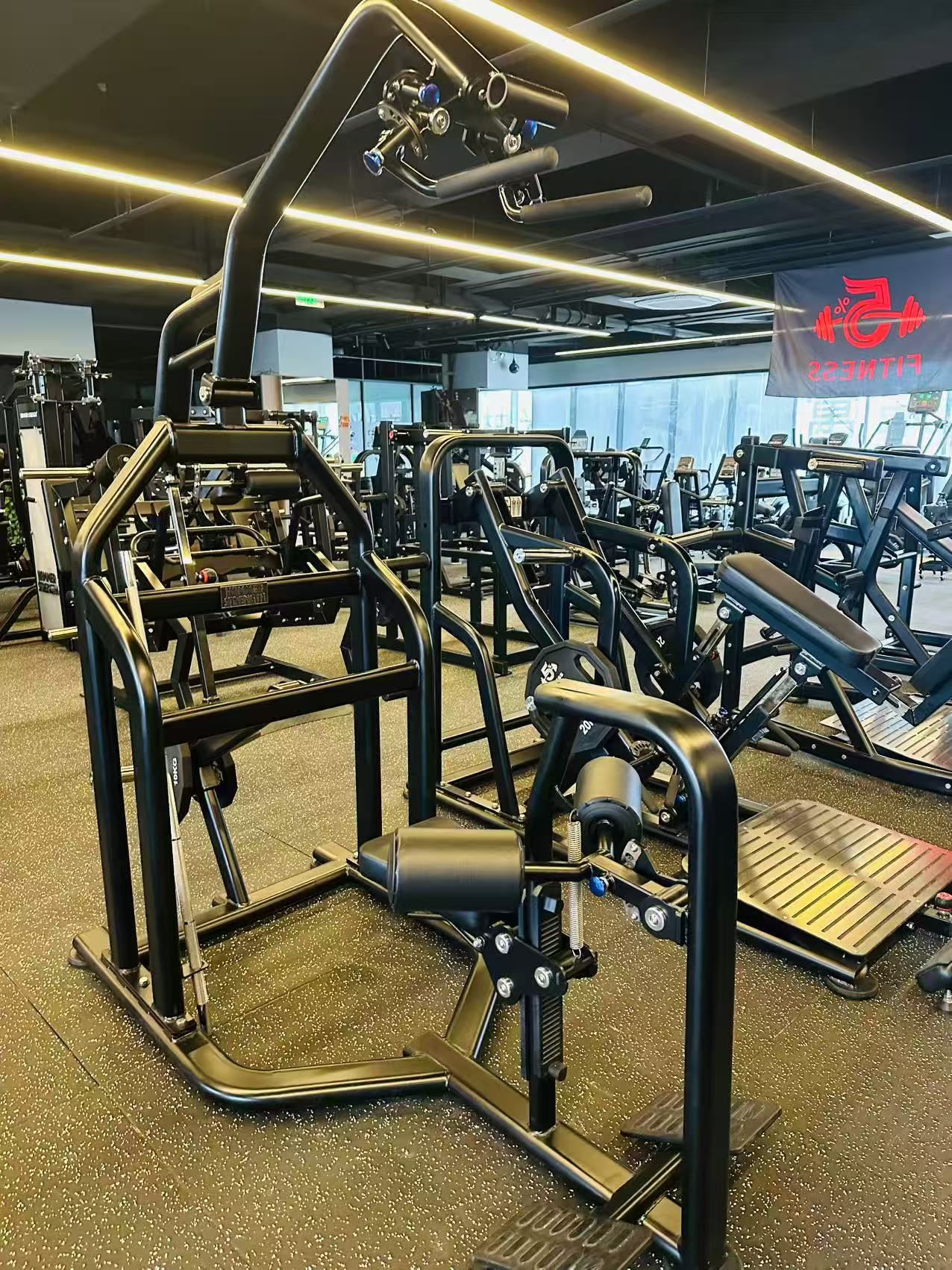
Define what a standardized fleet actually includes
A fleet standard can cover more than a model list. It may define approved equipment families, frame and upholstery finishes, adjustment logic, console configuration, asset naming, spare-part references, inspection records and acceptance evidence. These controls make a network easier to support even when quantities differ by site.
Separate non-negotiable controls from commercial preferences. Safety information, product identity and maintenance traceability belong in the controlled baseline. A locally popular training format may justify a different station count without changing the underlying documentation standard.
- Core model families and approved alternatives
- Common consumables and wear-part identification
- Consistent asset and maintenance records
- A documented exception and review process
Use member demand as evidence, not anecdote
A request for more equipment should identify the time window, affected exercise, available substitutes and observed constraint. Door counts alone do not show whether members queue for treadmills, cable stations or benches. Combine equipment-level observations with class schedules, member segment and local offer positioning.
Evidence can remain simple: repeated peak-period counts, staff logs, reservation data where available and structured member feedback. Record the measurement method so comparisons between sites do not confuse different definitions of use.
| Signal | Useful question | Decision risk |
|---|---|---|
| Utilization | How often is the station occupied during comparable periods? | High use may reflect too few substitutes |
| Queueing | How long and how often do users wait? | One exceptional day can distort demand |
| Substitution | Can another station support the same training purpose? | Raw machine count can hide capacity |
| Service burden | Does the local variant add parts or skills? | Demand gain may create network complexity |
Create three levels of equipment governance
A useful structure is core, optional and experimental. Core items use the network standard. Optional items come from an approved library and are selected against the site brief. Experimental items have a named hypothesis, limited rollout and review date.
This structure prevents two extremes: a central team freezing the offer despite clear local demand, or every site buying unrelated products that the service operation cannot support. The experimental tier also makes failure reversible before it becomes a network-wide commitment.
Compare lifecycle effects before approving variation
A local variant can affect technician training, spare inventory, manuals, upholstery patterns, software accounts, delivery access and resale options. These consequences should sit beside the expected member benefit in the approval record.
Do not force all effects into a false universal cost. Record known purchase and support costs, identify uncertain assumptions and state who owns the added operational work. A decision can still be sound when some figures are unknown, provided the unknowns are visible.
- Confirm product identity and revision
- List additional parts and service knowledge
- Check delivery, power and floor constraints
- Set utilization and review criteria before purchase
Turn the first rollout into a controlled learning cycle
Before shipment, freeze the approved configuration and acceptance checks. After opening, collect the same demand and service signals used in the business case. Review the result after a representative operating period rather than declaring success from launch-week interest.
If the variation works, decide whether it becomes a standard option, remains site-specific or should be discontinued. Keep the record with the asset and procurement file so the next buyer can understand the reason rather than rebuilding the argument from memory.
Fleet-standardization decision checklist
- Define the site’s user segment and peak-period constraint.
- Separate mandatory fleet controls from optional equipment choices.
- Compare the proposed variation with existing substitute capacity.
- Identify added parts, training, documentation and service needs.
- Approve one measurable hypothesis and a review date.
- Freeze configuration and acceptance evidence before production.
- Record the result in the shared equipment governance file.
Common decision mistakes
Identical lists for unequal sites: Uniform purchasing is not operational consistency when demand, floor area and service access differ.
Local preference without evidence: A manager’s request should be translated into a measurable capacity or member need.
Ignoring support variation: A new model can add part identities, technical instructions and training even when its purchase price is attractive.
No exit rule: Experimental equipment needs a review and disposition path before it is ordered.
Manufacturer perspective: control the configuration, not only the catalog name
For repeat production, the useful reference is the approved model configuration: attachments, colors, labels, console or upholstery option, packaging and accompanying documents. A familiar series name does not by itself prevent variation between orders.
PowerBaseFit can review a proposed core range and approved option list against the buyer’s site types. Final quantities and suitability still depend on the buyer’s demand evidence, building conditions and local operating responsibilities.
Build a fleet that is consistent where consistency pays
The strongest network standard is neither a single identical equipment list nor unrestricted local buying. It is a controlled portfolio with a stable technical baseline, evidence-led exceptions and a feedback loop that turns site experience into the next procurement decision.
FAQ
Should every gym in a chain use the same machines?
No. Standardize controls and core families, then allow documented variations where local demand and site constraints support them.
Which categories are easiest to standardize?
Categories with stable use, common parts and consistent staff procedures are usually simpler, but the decision must use the chain’s own evidence.
How much local variation should be allowed?
There is no universal percentage. Set a limit that the procurement and service teams can control, then review it by site type.
Can utilization alone choose the next machine?
No. Combine utilization with queueing, substitutes, member segment, downtime and floor constraints.
What should an exception request contain?
State the user need, evidence period, proposed configuration, alternatives considered, support impact, owner and review date.
How are OEM colors handled across a fleet?
Use approved color references and configuration records, and confirm them for each production order before release.
Should experimental equipment be rolled out everywhere?
Start with a controlled site or small group whose demand and operations match the hypothesis.
What should be reviewed before a repeat order?
Review actual use, faults, parts consumption, user feedback, substitution and whether the original demand assumption remains valid.