Introduction
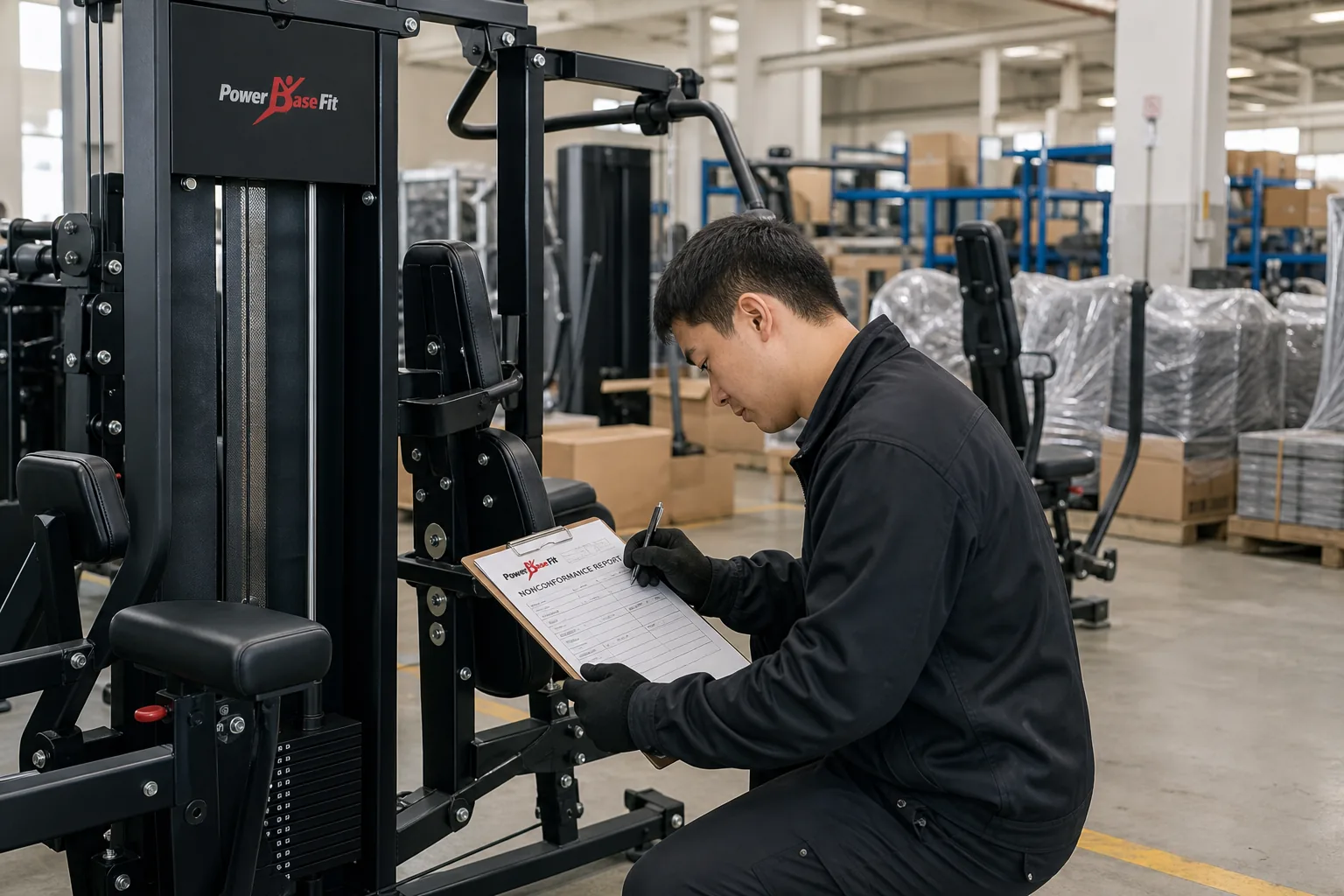
When inspection finds a nonconformance, identify the affected model, serial or batch; describe the requirement and objective evidence; contain the affected units; classify the consequence; agree correction and root-cause action; retest the repaired or replacement units; and obtain release from the authorized buyer. Do not close the report with a promise or a photo that cannot be tied to the affected equipment. Shipment dates should be revised openly if critical or widespread defects cannot be closed safely.
Key takeaways
- A nonconformance is a gap against an approved requirement, not a general complaint.
- Contain the affected population before debating cause.
- Distinguish immediate correction from action that prevents recurrence.
- Release requires traceable verification by an authorized person.
Define the nonconformance precisely
A useful NCR states the approved requirement, the observed condition and the affected population. 'Poor quality' is not actionable. 'Logo plate on models A12 and A13 uses the unapproved black artwork revision shown in photos linked to serials...' creates a controllable issue. The source requirement may be a drawing, finish sample, purchase schedule, inspection criterion or accepted clarification.
Record discovery date, location, reporter, model, serial or lot, quantity inspected and quantity affected. Use images with scale and context. If the extent is unknown, say so and quarantine the potentially affected population until screening establishes the boundary.
Contain first, then investigate
Containment prevents the issue from moving into packing or mixing with accepted units. Mark the status physically and in the order record. Stop the affected process when continued production would create more defects. Check work in progress, finished stock and already packed units that share the suspected cause.
Containment is not the final remedy. Sorting out defective units protects the shipment but does not explain why the defect occurred. Keep correction, root cause and corrective action as separate fields so urgency does not hide recurrence risk.
Classify by consequence and reach
Classification should consider safe use, required function, identity, legal or contract requirements, serviceability, appearance and customer acceptance. A missing guard or wrong electrical configuration differs from a small hidden finish mark. Widespread minor variation can still be commercially significant when it affects a branded product line.
Use agreed definitions rather than negotiating severity around the shipping date. Classification guides who approves disposition, how far the factory screens the batch and whether shipment release is possible. It should not be used to minimize an issue simply because rework is inconvenient.
Choose a disposition
- Rework to the approved requirement and retest
- Replace the affected unit or component
- Use as-is only with explicit buyer concession
- Return to an earlier process for correction
- Scrap or segregate from the order
- Hold the batch pending investigation or additional inspection
A concession should identify the exact affected units, accepted deviation, commercial effect and continuing warranty position. It is not a silent downgrade. Rework instructions need responsible personnel, method, tools and post-rework inspection points, especially when disassembly can introduce new damage.
Find a cause that can be acted on
Avoid stopping at operator error. Ask why the wrong action was possible: unclear drawing, mixed material, missing fixture, uncontrolled sample, incorrect machine setting, poor training, weak inspection or an uncommunicated change. Compare defect-free and defective units and check when the process changed.
The depth of root-cause work should match the risk and recurrence. A one-off packing scuff may need a direct protection improvement; repeated cable routing errors across models require a broader review of work instructions, fixtures and final inspection. State what evidence supports the selected cause.
Separate correction from corrective action
Correction fixes the units in front of the team. Corrective action changes the process so the same cause is less likely to recur. Examples include updating a controlled drawing, separating similar parts, adding a fixture, revising an inspection point or training and verifying the relevant task. Both may be necessary before release, but some preventive actions can continue after shipment when risk is controlled and the buyer agrees.
Assign each action an owner and due date. Evidence should show completion and effectiveness, not merely that a meeting occurred. For repeat orders, review the previous NCR at production launch and confirm the corrective action remains in place.
Verify correction and decide shipment release
Retest the original failed requirement and check for damage introduced by rework. Define whether verification covers every corrected unit or a sample, and how the sample responds to another failure. Link closure photographs and results to the affected identities or batch. The person who performed rework should not be the only verifier for a significant issue.
Shipment release belongs to the authority named in the order or inspection plan. The factory can recommend release, but it should not mark the buyer's NCR closed without the agreed evidence. If schedule pressure requires split shipment, identify the released and held units clearly in packing and commercial records.
Common NCR failures
- Describing a defect without citing the approved requirement
- Failing to identify the affected batch or serials
- Reworking visible samples while unchecked units continue to packing
- Calling operator error the root cause
- Using buyer concession without recording the affected units
- Closing from generic photographs
- Shipping before authorized release
- Failing to carry corrective action into the next order
Manufacturer perspective: make quality status visible
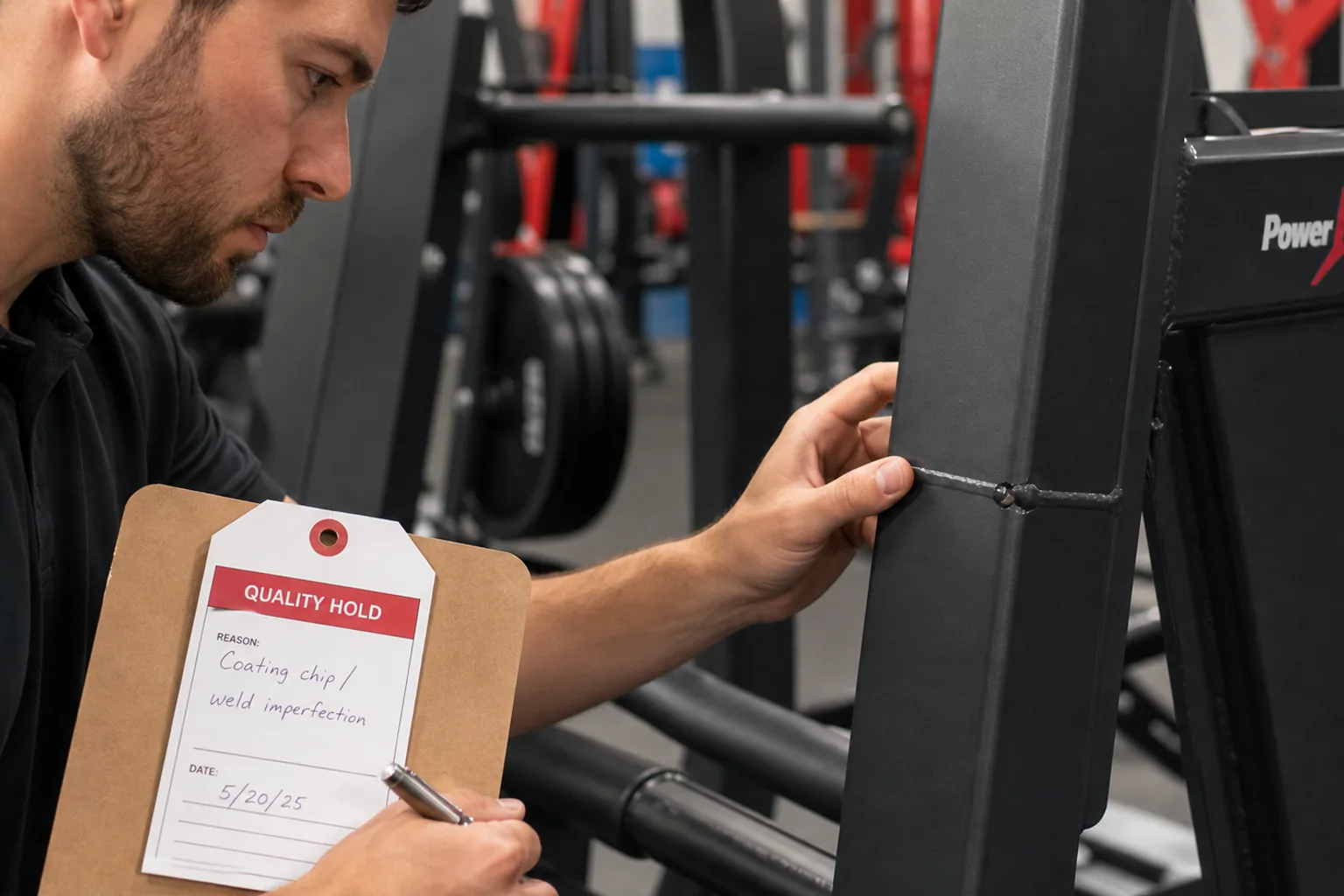
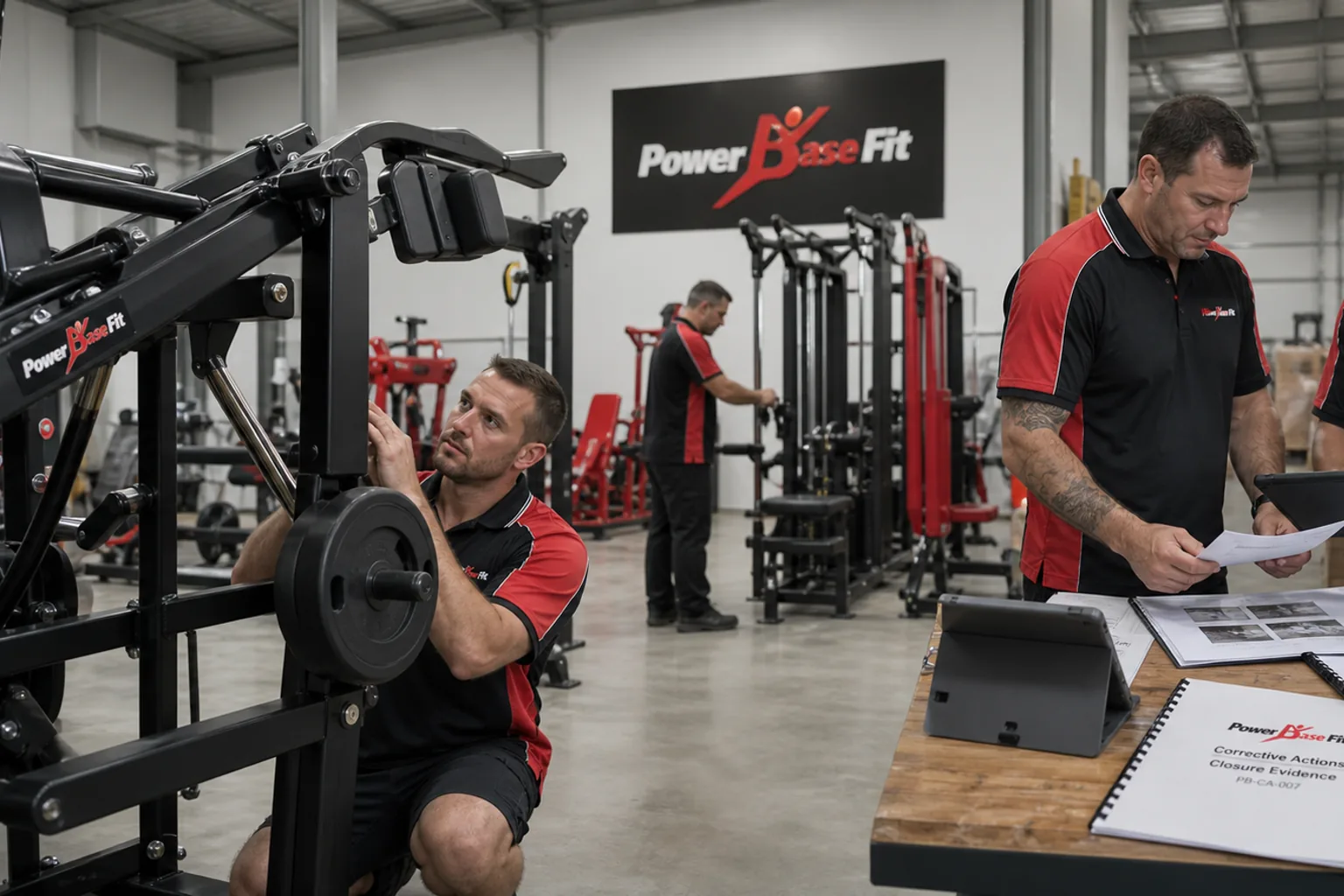
The factory should use clear status zones or tags for pending, accepted, rework and rejected units. Production, inspection and packing teams need the same status. A controlled NCR number should follow the unit through correction, verification and release so rejected components cannot be mixed back into the order.
Good NCR records also protect the supplier. They show the original condition, agreed remedy and buyer decision, reducing later disagreement. More importantly, they turn inspection findings into better fixtures, instructions, packaging and repeat-order consistency.
NCR closure record
| Step | Required record | Release question |
|---|---|---|
| Detection | Requirement, evidence and affected identity | Is the issue objectively defined? |
| Containment | Status, quantity and screening boundary | Can affected units reach packing? |
| Disposition | Rework, replace, concession, hold or reject | Who approved the method? |
| Action | Cause, correction and prevention owners | Will the issue recur? |
| Verification | Retest and traceable closure evidence | May the units ship? |
Useful next pages
Buyer FAQ
What is a gym equipment nonconformance?
It is an objective failure to meet an approved model, drawing, finish, function, packing or other contractual requirement.
Is every cosmetic mark an NCR?
It depends on the agreed finish criteria and location. Record and classify the issue against those criteria rather than assuming.
Who opens the NCR?
The inspector or quality authority defined by the process can open it; the record should identify the requirement and evidence.
Can a buyer accept equipment as-is?
Yes through a documented concession identifying affected units, accepted deviation and any commercial or warranty effect.
What is the difference between rework and corrective action?
Rework fixes affected units; corrective action changes the process to reduce recurrence.
Should all reworked units be retested?
The verification scope should reflect risk and the rework method; significant or identity-specific corrections often need full verification.
Can shipment proceed with an open NCR?
Only when authorized parties explicitly control the remaining issue and it does not prevent safe or contractually acceptable release.
How should repeat issues be handled?
Review prior root cause and effectiveness, expand containment and question whether the previous corrective action was implemented or sufficient.
Conclusion
A pre-shipment NCR should slow confusion, not simply slow the container. Define the gap, contain the population, choose an approved disposition, address the cause and verify the result. Traceable closure allows buyers to release equipment confidently and helps factories prevent the same defect in later production.
Need this topic turned into a real equipment plan?
Send your market, gym size, product categories or OEM needs. Kloe can help clarify the next step.