
How to Build Serial-Number Traceability into a Commercial Gym Equipment Order
A useful traceability system gives each finished machine a durable identity and connects it to the approved model configuration, inspection evidence, packing unit, delivery site and later service history. Buyers should define the required fields, handover format and exception process before production, then reconcile the register at shipment and site receipt.
Start with the decisions the identifier must support
A serial number has little procurement value when it exists only on a frame label. The commercial value appears when a buyer can use that identity to answer practical questions: Which approved configuration was built? Which inspection record belongs to it? Which crate carried it? Where was it installed? Which part revision is compatible?
Traceability does not require unsupported claims about factory systems. It requires a clear information contract between buyer, manufacturer, forwarder, installer and operator. The register can be simple, but every field needs an owner, a verification point and a rule for correcting mismatches.
Define the events that will rely on the identifier before choosing a numbering format. Shipment reconciliation, installation acceptance, warranty triage, spare-part selection, relocation and end-of-life decisions use different fields. A distributor also needs to separate its own customer-facing asset number from the manufacturer’s permanent product identity.
Do not encode changeable information such as site or owner into the permanent serial number. Keep the identifier stable and link changeable facts in the register. This prevents a relocation or resale from breaking the history.
- Confirm product identity without relying on appearance
- Link one unit to its configuration and inspection evidence
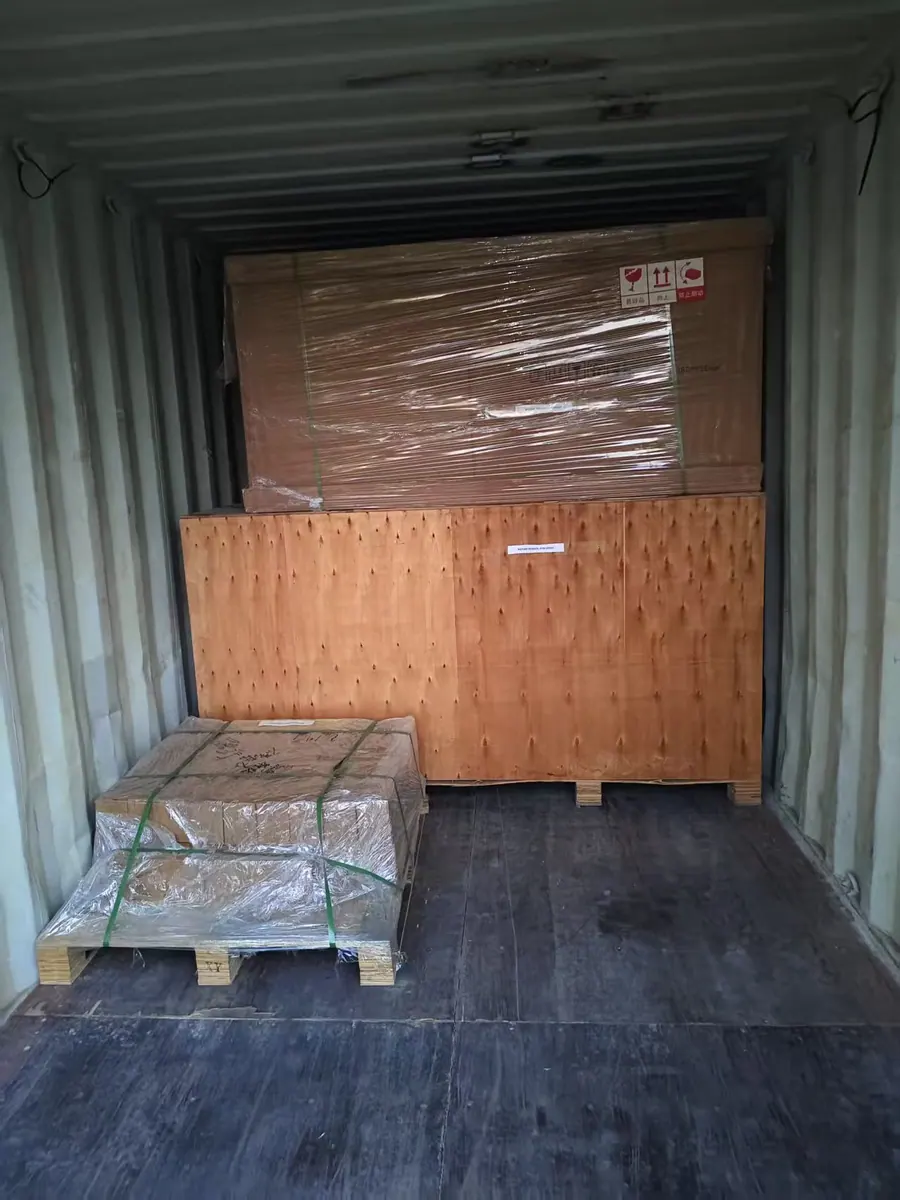
- Reconcile packing units and receiving quantities
- Preserve service and parts history after relocation
Define a minimum traceability record
The register should distinguish verified facts from operational notes. Model name, product identifier, configuration revision, production-order reference and packing reference belong to the controlled record. Site location, commissioning state and service notes can be updated after delivery.
Use one row per finished machine and separate rows for serialized consoles or major assemblies when their replacement history matters. Accessories that are not individually serialized can be linked through a kit or package reference.
| Field | Verified by | Decision supported |
|---|---|---|
| Serial number and model | Factory and receiving team | Identity and quantity |
| Approved configuration revision | Buyer and manufacturer | Order conformity |
| Inspection and packing reference | Quality and logistics teams | Evidence retrieval |
| Final site and asset number | Installer or operator | Operations and service |
Place verification gates through the order
The first gate is document approval: the buyer confirms the fields, label position, readable format and sample register. The second gate is production release, where the configuration revision is frozen. The third gate reconciles finished units with inspection and packing records. The fourth gate occurs at site receipt and commissioning.
A gate is complete only when mismatches have a disposition. Duplicate identifiers, unreadable labels, swapped packing references and unrecorded configuration changes should remain visible until corrected or formally accepted.
- Approve label content and location
- Lock the model and configuration reference
- Capture the identifier in inspection evidence
- Map the identifier to crate or pallet
- Reconcile at receipt before records are distributed
Keep photographs useful without turning them into the database
A photograph can confirm that a label was present and readable at a given stage. It should not be the only searchable record. Name images with the same identifier used in the register, retain the original file, and record the inspection stage.
Wide photos establish context; close photos establish identity and observed condition. When a defect is recorded, the case should point back to the affected serial number rather than to a generic model photo.
Connect parts and warranty work to configuration
Compatibility is a configuration question, not only a model-name question. The service record should capture the machine identity, observed component, available part reference and evidence used to approve the replacement. If a component has been superseded, preserve both the old and replacement references.
A warranty workflow becomes faster when the first report includes identity, fault description, operating state, photographs and the action already taken. The identifier keeps evidence from several machines from becoming mixed.
Common control failures
The most damaging failure is a register created after shipment from incomplete emails and photographs. Other failures include reusing asset labels, shortening identifiers in spreadsheets, allowing installers to overwrite factory identity, and circulating uncontrolled copies that diverge.
Use a controlled master, define who can edit each field, and export role-specific views for logistics, installation and service. The system should remain understandable without the person who created it.
Manufacturer perspective: agree the handover before labels are applied
A manufacturer can prepare consistent information only after the buyer confirms the required identity fields and order configuration. Label material, location, language and scanning format must be reviewed against the specific model and intended environment rather than assumed from a generic range.
Send the required register columns, site allocation logic and evidence naming rules with the purchase documents. PowerBaseFit can then discuss which product and packing references are available for the selected order configuration.
FAQ
Is a serial number the same as an asset number?
No. The manufacturer serial number identifies the product, while the operator asset number identifies it inside a facility or business system. Keep both and link them.
Should the site name be encoded in the serial number?
Keep location in the register because it can change. A permanent product identifier should remain stable through relocation or resale.
When should the buyer receive the register?
Agree the format before production, review a sample, reconcile the shipment version before dispatch and update the site fields during commissioning.
Do all accessories need individual serial numbers?
Use individual identity where service, compatibility or loss control requires it. Other accessories can be controlled by kit, carton or order references.
How should an unreadable label be handled?
Quarantine the record from final reconciliation, verify identity from controlled evidence and replace or correct the label through an authorized process.
What should a warranty report include?
Include serial number, model, site, fault description, current operating state, photographs and any safe isolation or inspection already completed.