
Pendulum Squat vs Hack Squat: A Commercial Buyer Guide
Choose from the job the station must do, not from the machine name. A pendulum squat moves the supported user on a pivoting arc; a linear hack squat carries the user on a guided sled or carriage. Neither path is universally superior. Trial the exact unit for start position, footplate, body support, travel, release, delivered resistance and complete operating area, then select the format that adds the clearest role to the existing lower-body floor.
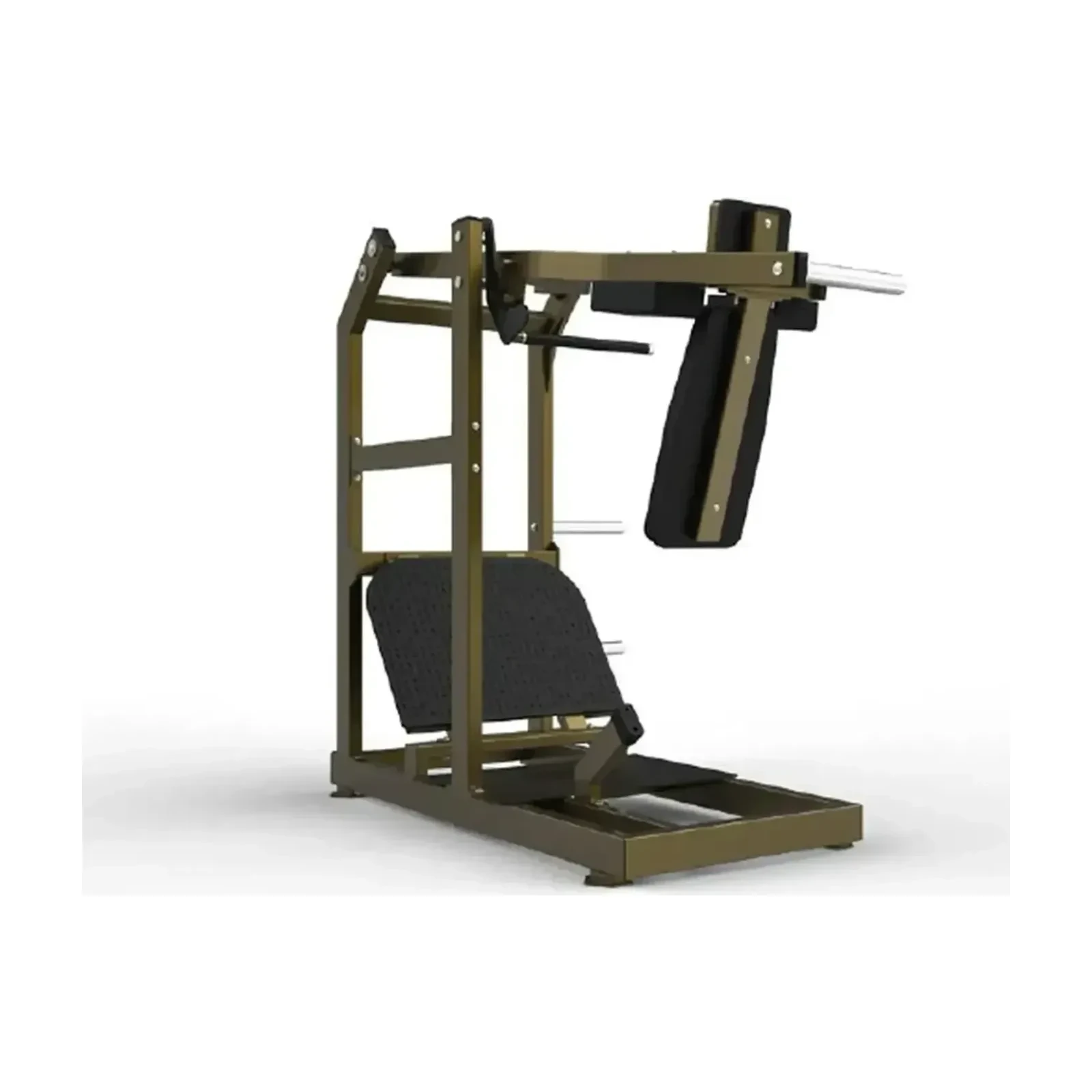
Decide what is missing from the lower-body floor
Begin with the current programme and busiest-hour traffic. Record which users queue for racks, leg presses, Smith stations and belt squats, which coached sessions need a guided squat, and which movement role is genuinely absent. A new station should solve a defined programming or capacity problem. Buying a pendulum or hack squat only because it looks distinctive can duplicate an existing role while consuming permanent floor and plate storage.
Write the role as a testable brief: target user range, supervision level, desired movement, expected occupied minutes, available plates, floor and ceiling limits, delivery route and local service capability. Keep claims about muscle emphasis out of the purchase decision until representative users have trialled the exact path. The brief should state what the station must add and which existing station it must not obstruct.
Compare an arc with a guided linear carriage
A pendulum unit rotates around a pivot, so the shoulder or body support follows an arc. A conventional hack squat guides a sled or carriage along rails. Pivot location, carriage angle, counterbalance, start stops and platform geometry determine how either machine feels. Two products carrying the same category name can still produce different pickup, depth and return tasks, so catalog labels do not prove equivalence.
Walk through every step on the offered revision: enter, set the release, establish foot position, take the unloaded resistance, descend to the approved range, stop, return, rack and exit. Record where hands, shoulders, back, hips and feet contact the machine. The preferred architecture is the one that serves the brief across the intended users without uncontrolled pickup, trapped access or an awkward release.
| Format | Commercial role | Reference-unit checks | Planning consequence |
|---|---|---|---|
| Pendulum squat | Distinct guided arc for a strength-focused lower-body zone | Pivot path, counterbalance, footplate angle, start lever, support contact and bottom position | Requires full arc, plate-loading and technician clearance |
| Linear hack squat | Familiar guided sled pattern with a repeatable setup | Rail travel, carriage pickup, stop positions, platform grip, pad contact and release reach | Requires carriage travel, side loading and safe entry space |
| Leg press / hack combination | Two functions where one-user capacity is acceptable | Changeover steps, both paths, lock positions, loose parts and instructions | Shared queue and longer resets can reduce peak throughput |
| Existing rack or Smith alternative | Lower purchase priority when guided squat demand is limited | Current queues, coaching needs, safety setup and working clearances | Preserves capital and floor area but shares an existing station |
Run a reference-unit trial instead of comparing labels
Use short, mid-range and tall adult testers selected by the buyer, including people with different shoe sizes and training experience. Give each person the same controlled task and record the start setting, stance, approved depth, hand position and exit. The trial is not a contest for the greatest load. It is a check that the machine supports repeatable setup and a controlled return across the intended user range.
Observe whole-foot contact, pad pressure, head and back support, knee and hip clearance, access to the start and release controls, and whether a helper can intervene without crossing a loaded path. Test the lightest useful setup as carefully as a heavier setup. Record any user excluded by the geometry. Accessibility, coaching and clinical decisions remain with the qualified people responsible for the facility.
Specify starting resistance, travel and controls
Ask for the unloaded starting resistance and how it was measured, then document the smallest practical load increase, loading sleeve size, approved plate arrangement, counterbalance or carriage relationship and usable travel. Do not compare the kilograms loaded onto two different mechanisms as though they create the same user resistance. The purchase schedule should identify the offered revision and the method used for every stated value.
Check the pickup and return at the planned light, middle and heavy operating points. Stops must be reachable from the approved body position and must engage predictably. Inspect whether plates, handles or moving members approach the frame, floor or user envelope. A long movement path is useful only when the supported users can enter, control it and rack the machine at the approved positions.
Calculate capacity from occupied minutes and the live area
Map more than the static footprint. Include the complete arc or sled travel, user entry, plate loading, nearby plate storage, coach or spotter position, cleaning reach, normal aisle and service access. Confirm packaged dimensions, door and lift limits, turning space, assembly order and finished-floor protection. Ceiling and wall conflicts can appear only at the upper end of the movement or while a side is being loaded.
Time the full cycle during the pilot: approach, adjustment, loading, set, unloading, wiping and exit. Compare those occupied minutes with the observed peak demand and acceptable queue. A combination machine saves one frame but permits only one user while changing functions. A dedicated unit protects its own queue but earns that space only when the programme and traffic justify it.
Inspect the mechanical and service system
Review pivots or rail assemblies, bearings or rollers, stops, latches, handles, footplate surface, support pads, plate sleeves, fasteners, guards and floor contacts. Move the empty unit through its full travel and repeat under a controlled test load. Look for side-to-side play, binding, frame movement, inconsistent stop engagement, contact between moving parts and sharp or trapping points along the approved user route.
Request current assembly and user instructions, an exploded parts view, revision-specific wear-part numbers, inspection intervals, cleaning limits and an isolation procedure. Technicians need access without dismantling adjacent equipment or blocking an aisle. A service promise has operational value only when the buyer can identify the part, obtain the correct revision and keep the unit out of use until a documented repair is closed.
Normalize the quotation around one approved configuration
Require every offer to state model and revision, movement architecture, start system, resistance method, unloaded start, practical increments, travel, footplate, support pads, handles, stops, release, plate interface, dimensions, operating envelope, finish, labels, fixing, packaging, assembly, manuals, initial wear parts and acceptance test. Price plates, storage, installation and destination services separately so totals represent the same scope.
Approve a physical reference unit or a fully documented configuration before volume production. Attach dated photographs, settings, measurements and signed trial records to the order. Freeze the pivot or rail path, platform, pad geometry, stop positions and loading system. Treat any revision or substitution as a new comparison against the brief before shipment; visual similarity is not evidence that the operating sequence is unchanged.
Receive and commission each unit before member use
Match package marks, model, revision, quantity and visible condition to the order before assembly. Record transport damage and verify frame, finish, moving assembly, support pads, platform, sleeves, handles, stops, labels, manuals and fasteners. Assemble, level and secure the unit only under the current instructions, preserving the approved loading, aisle, cleaning and technician clearances.
Repeat the reference trial with the same user profiles, settings and sequence. Confirm controlled entry, stable support, smooth travel, sufficient range, predictable stop engagement, secure plate retention and a stationary frame. Log the serial reference, result, defect owner and closure. Release the machine only after staff know the daily visual checks, cleaning method, out-of-service marking and escalation route.
FAQ
Is a pendulum squat better than a hack squat?
No universal ranking applies. Compare the exact arc or rail path against the facility's users, programme, peak demand, live area and service plan.
Which machine should a general commercial gym buy first?
Choose the unit that fills a measured gap. If existing guided squat capacity is sufficient, another lower-body station can have higher priority.
Can loaded plate capacity compare the two machines?
No. Record unloaded start, transmission, practical increments, travel and the user's delivered resistance for each offered revision.
What should users test on the reference unit?
Test entry, foot support, body contact, start position, controlled depth, stop reach, return, racking and exit across representative body sizes.
What belongs in the purchase order?
Include revision, path, platform, supports, start and stop system, loading interface, live area, finish, documents, wear parts and receiving test.
Sources
- ISO 20957-1 general requirements — International Organization for Standardization
- ISO 20957-2 strength equipment requirements — International Organization for Standardization
- Matrix Magnum pendulum squat — Matrix Fitness
- Hammer Strength hack squat — Life Fitness / Hammer Strength
- Panatta pendulum squat — Panatta
- Precor Discovery Hack Squat — Precor