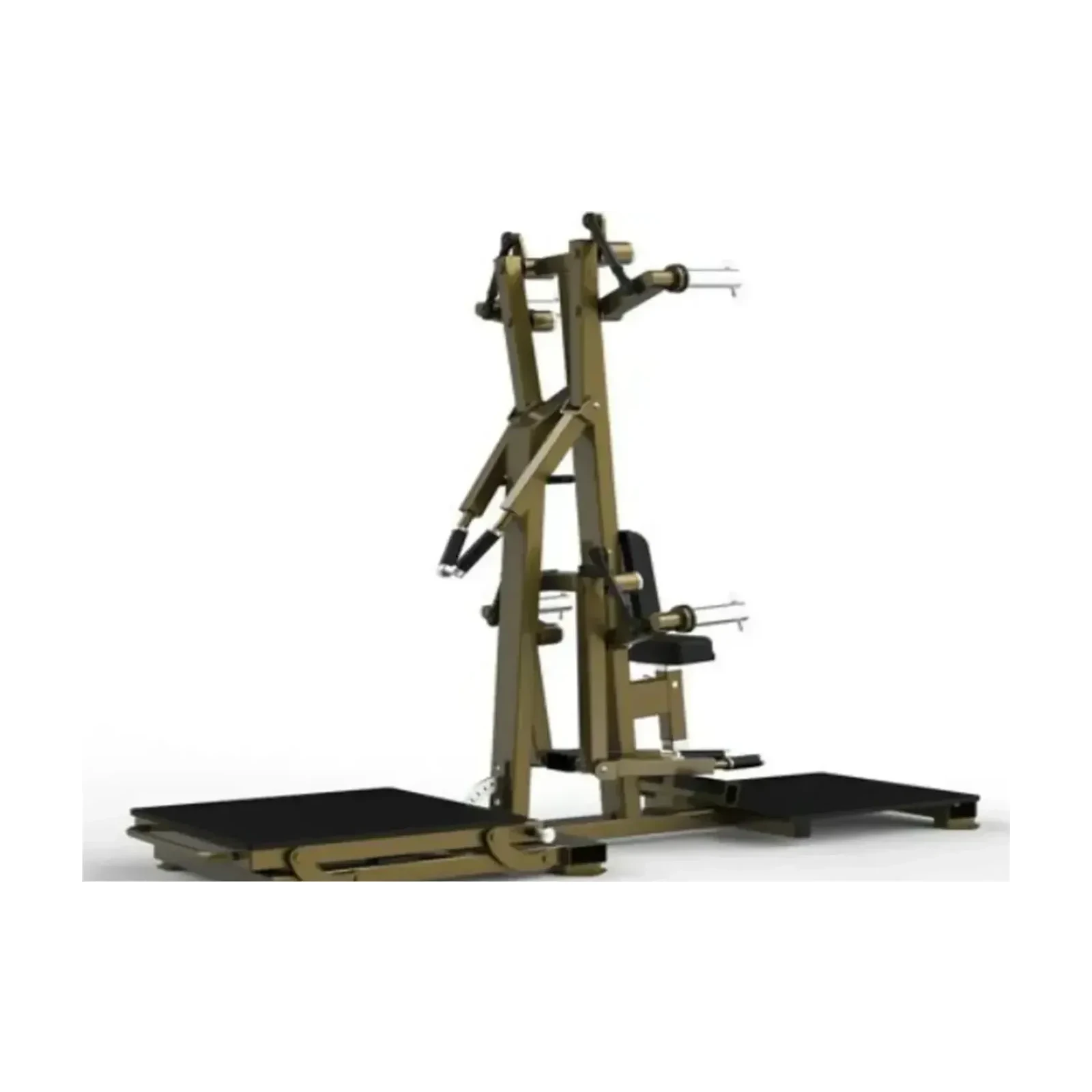
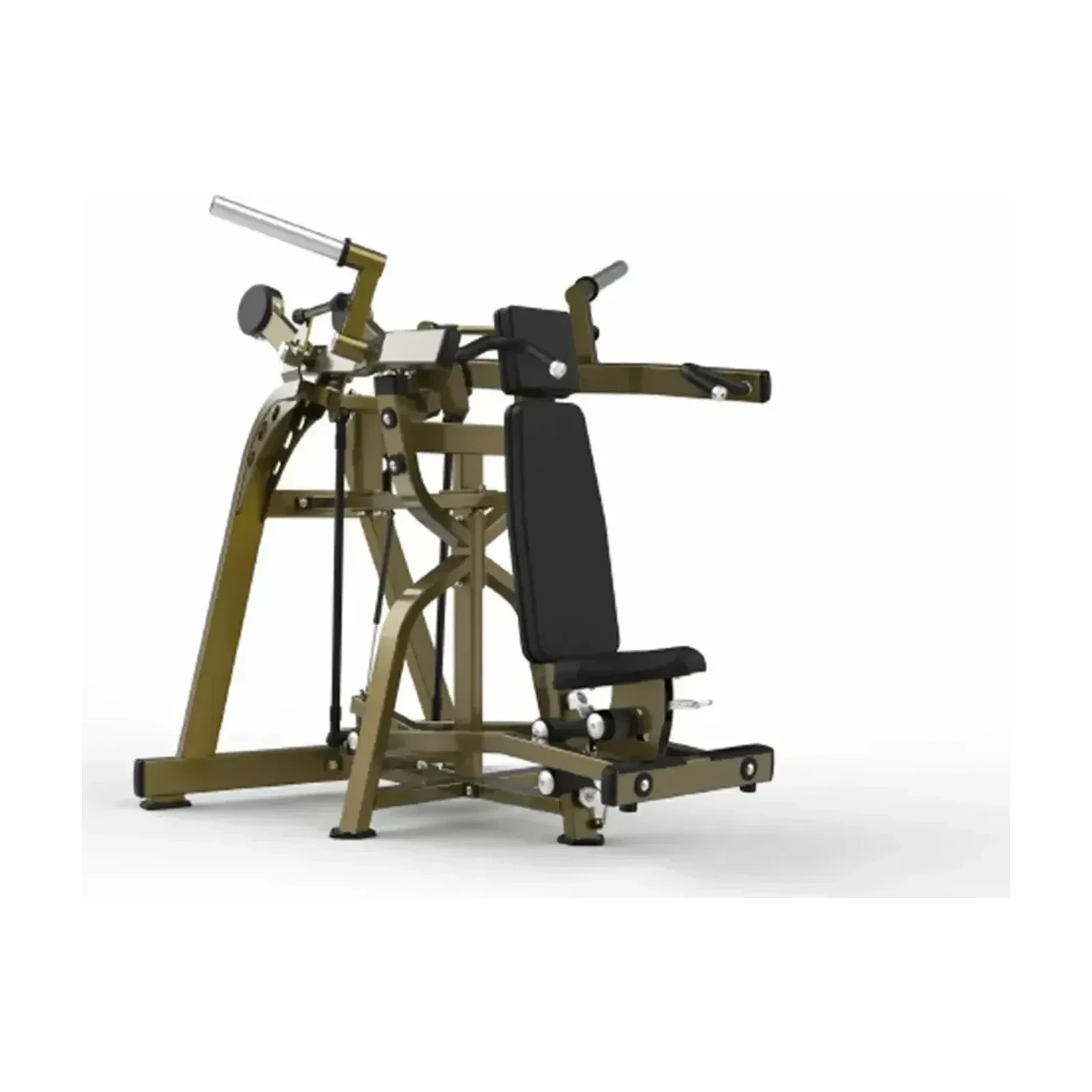
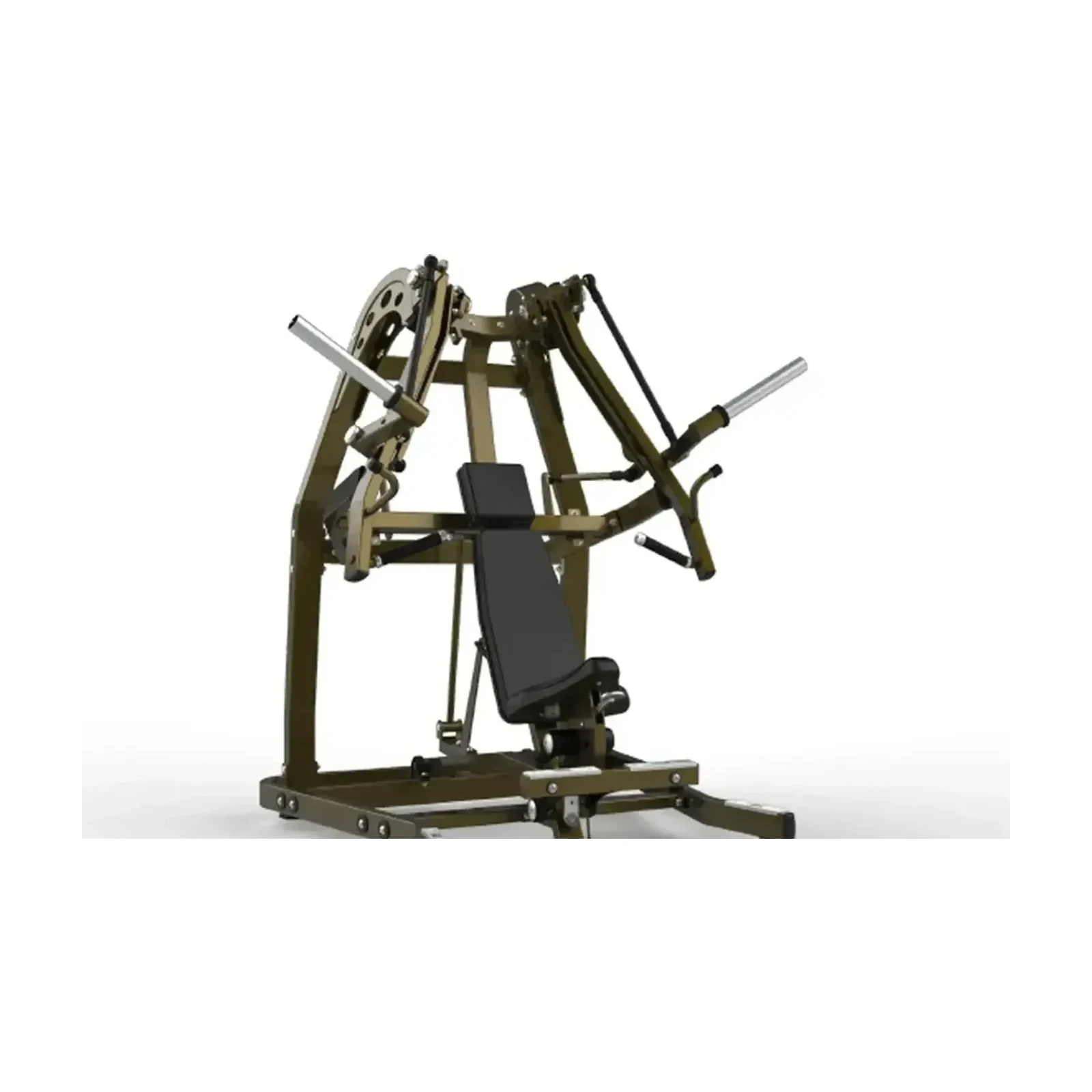
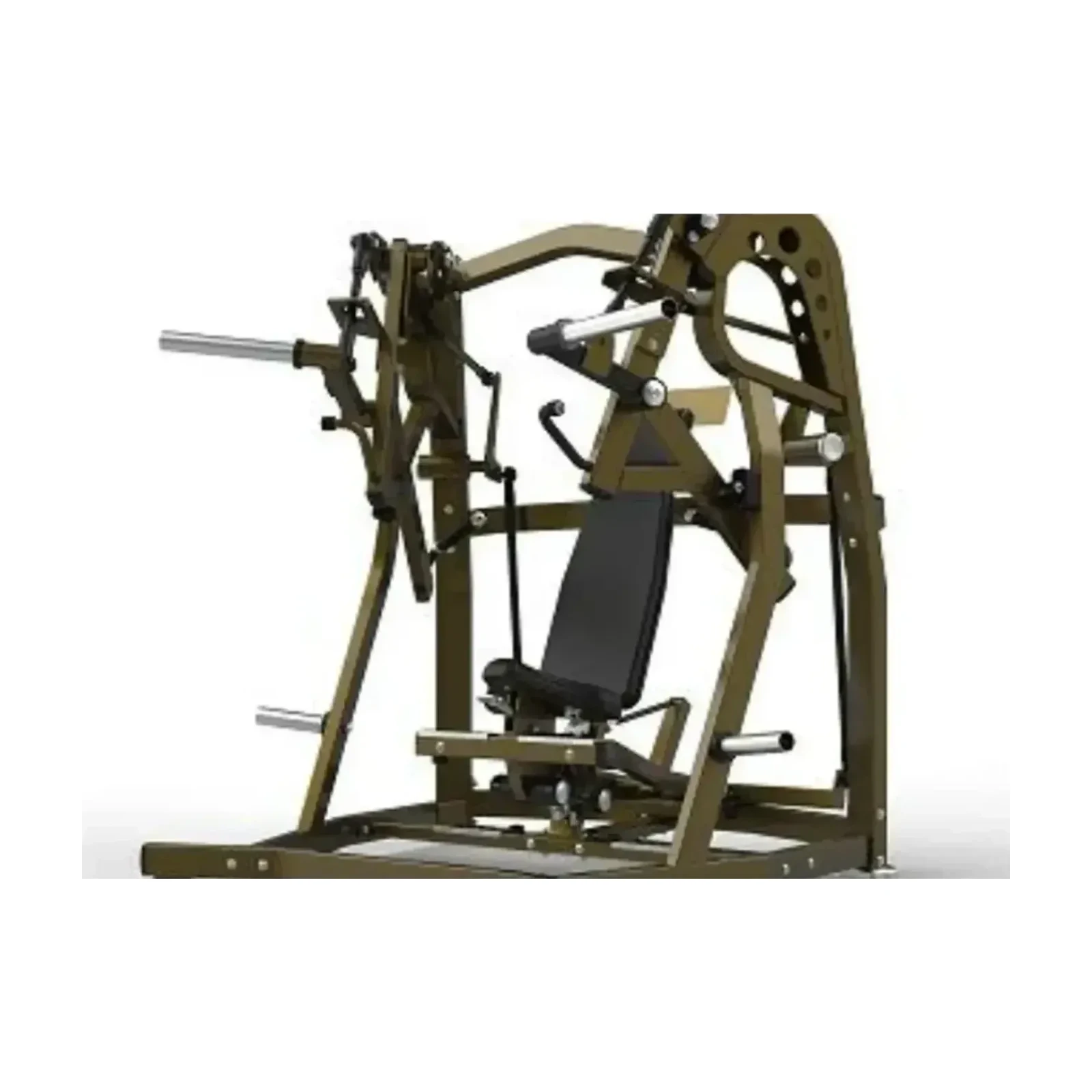
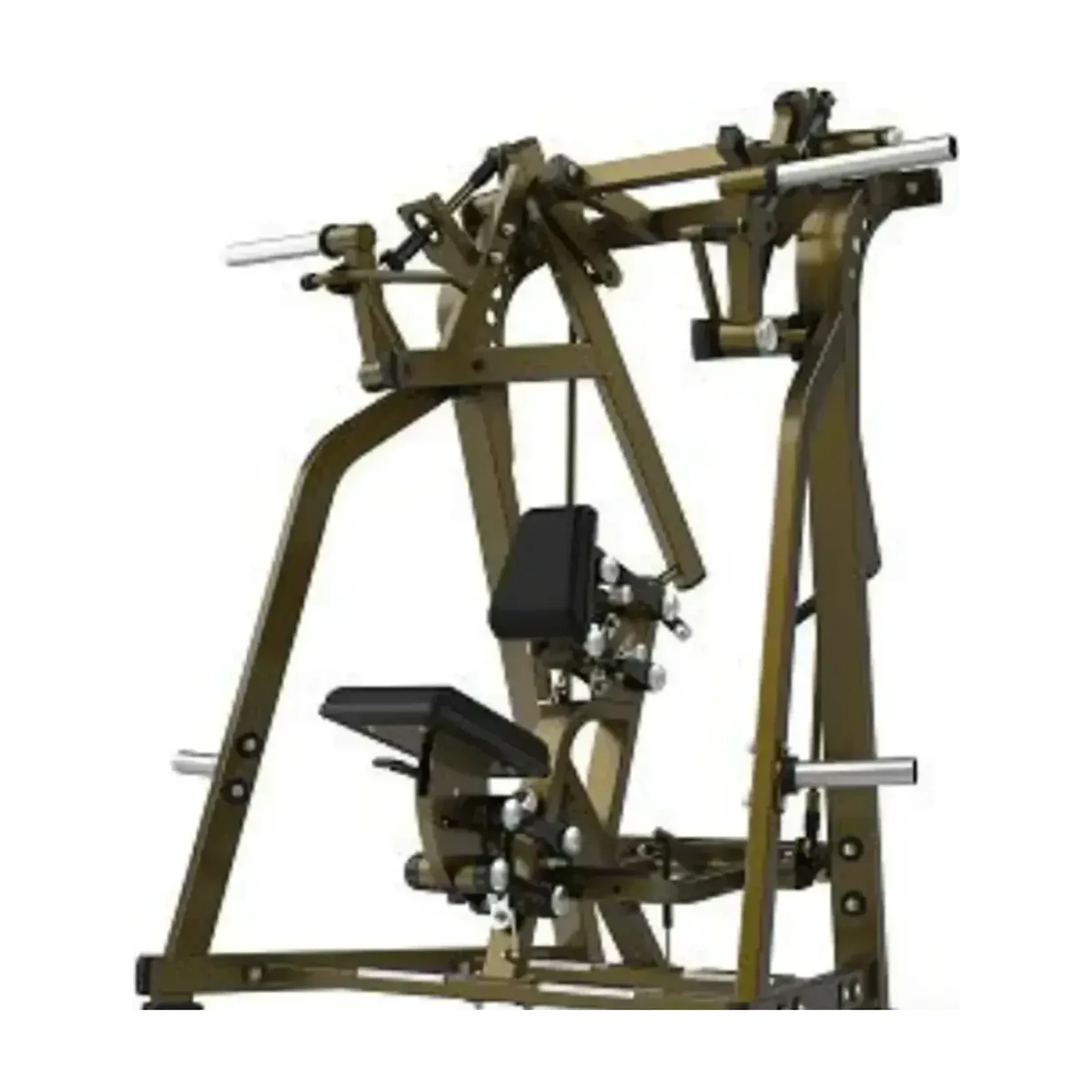
Lateral Raise / Rear Deltoid views for procurement review
Review the machine body, movement structure and contact-position details before requesting a quote.
Lateral Raise / Rear Deltoid full product view for commercial gym procurement review.
Product Overview
HM12 product overview
The Lateral Raise / Rear Deltoid helps gym operators add shoulder-specific training without relying only on dumbbells or cable stations. Because lateral and rear-delt work is often missed in basic machine packages, the Lateral Raise / Rear Deltoid can make the shoulder area more complete. Buyers should evaluate handle height, arm path, seat support and how the model pairs with chest press and rear-delt equipment.
Parameters
Product parameters
Model
HM12
Product Name
Lateral Raise / Rear Deltoid
Category
Strength Equipment
Series
Premium Plate Loaded Series
Training Area
Shoulder / Rear Delt
Load Type
Shoulder isolation station for lateral and rear-delt work
Product Size
2100 x 810 x 1710 mm
Product Weight
178 kg
Key Features
Training and engineering notes
Lateral Raise / Rear Deltoid: Isolation-oriented shoulder movement helps separate lateral and rear-delt work from general pressing.
Lateral Raise / Rear Deltoid: User support and handle position should be checked for shoulder comfort and repeatable setup.
Lateral Raise / Rear Deltoid: Plate-loaded resistance gives the shoulder area a stronger free-weight training feel.
The Lateral Raise / Rear Deltoid helps reduce reliance on shared benches, dumbbells or cable stations for shoulder work.
Training Benefits
What this machine helps users train
Lateral Raise / Rear Deltoid: Lateral deltoid and rear-deltoid emphasis for shoulder shape and upper-back balance.
Lateral Raise / Rear Deltoid: More controlled setup than unsupported dumbbell variations for many general members.
Lateral Raise / Rear Deltoid: Useful accessory station for bodybuilding, strength and commercial fitness programs.
Lateral Raise / Rear Deltoid: Complements chest press, row and rear-delt work in a balanced upper-body floor plan.
Materials
Material and finish
Lateral Raise / Rear Deltoid uses a plate-loaded steel frame structure for commercial strength training areas.
Lateral Raise / Rear Deltoid includes the copper sleeve pivot note listed in the supplied 2026 catalog.
Lateral Raise / Rear Deltoid can be discussed with frame color, upholstery color and logo details based on order requirements.
Lateral Raise / Rear Deltoid: Training studios that need defined shoulder equipment beyond dumbbells.
Commercial Use
Where this model fits in the gym floor
Lateral Raise / Rear Deltoid: Place near chest press, lateral raise, rear-delt and triceps equipment to create a clear push/shoulder area.
Lateral Raise / Rear Deltoid: Check seat and handle setup for mixed user heights before placing it in a general membership gym.
Lateral Raise / Rear Deltoid: Use with back and chest machines to build a complete upper-body training line.
Why Choose This Machine
Why this model matters in a gym plan
Lateral Raise / Rear Deltoid: Shoulder equipment improves upper-body programming depth and reduces pressure on free-weight benches.
Lateral Raise / Rear Deltoid: A dedicated shoulder station helps members train with clearer body positioning than improvised dumbbell setups.
Lateral Raise / Rear Deltoid: It gives distributors a premium machine that complements chest and back products in the same series.
Buying Guide
How to evaluate this model before ordering
Lateral Raise / Rear Deltoid: Review starting position, handle angle and seat support for different user heights.
Lateral Raise / Rear Deltoid: Compare shoulder press and lateral/rear-delt coverage to avoid leaving gaps in the shoulder category.
Lateral Raise / Rear Deltoid: Confirm plate-loading access and safe clearance around moving arms.
Lateral Raise / Rear Deltoid: Ask for current production images if matching frame and upholstery colors matters.
Investment Value
How this model supports a purchasing plan
Lateral Raise / Rear Deltoid: Adds shoulder-specific training value to an upper-body area that might otherwise depend too heavily on free weights.
Lateral Raise / Rear Deltoid: Supports better product-line balance when sold with chest press and row machines.
Lateral Raise / Rear Deltoid: Helps gyms present a more complete premium plate-loaded strength floor.
Compare With
How to compare this model with nearby options
Compared with dumbbell shoulder exercises, the Lateral Raise / Rear Deltoid gives a more defined user position but less movement freedom.
Lateral Raise / Rear Deltoid: Compared with selectorized shoulder machines, plate loading offers a stronger strength-floor feel and more visible loading.
Lateral Raise / Rear Deltoid: Compared with cable shoulder work, it provides a dedicated station and avoids using shared cable equipment.
OEM Options
Private label and customization
Logo, frame color and upholstery options can be discussed based on order requirements.
Product configuration, packing and nameplate details are available upon request.
Final customization feasibility depends on model, quantity and production schedule.
Factory Advantages
Why source this model from PowerBaseFit?
One factory contact for model confirmation, OEM details, production follow-up and export packing.
Frame color, upholstery, logo and nameplate requirements are confirmed before production.
Commercial gym buyers can combine this model with related equipment for a coordinated project quotation.
Quality Inspection
Inspection points before shipment
Confirm the approved model, dimensions, finish, upholstery and branding against the order specification.
Check assembly, moving parts, fasteners, contact surfaces and visible finish before packing.
Record quantity and packing details so the buyer can review the shipment before dispatch.
Production Process
From confirmed specification to finished equipment
Confirm model, configuration, quantity and OEM artwork.
Prepare materials, fabrication, welding and surface finishing.
Complete assembly, inspection, packing review and shipment preparation.
Packaging & Shipping
Export packing and delivery planning
Packing method, carton or crate requirements, shipment quantity and destination are reviewed with the quotation. Final packing dimensions, gross weight and delivery schedule are confirmed for the actual order.
Warranty & Support
Confirm warranty and spare-parts support before ordering
Warranty scope depends on the final model and order agreement. Ask for the written warranty terms, maintenance guidance and recommended spare-parts list with your quotation.
Buyer Fit
Who is this product for?
Commercial gym owners comparing equipment for a new facility or expansion.
Distributors, importers and dealers building a coordinated product range.
Project contractors and private-label brands that need OEM configuration support.
Product Video & Applications
Request a product video or review equipment applications
Ask for the latest available product video, inspection photos or packing evidence for this model. Product media is supplied only when it matches the requested configuration.
Review the pivot path, loading sleeve access and user support points of the Lateral Raise / Rear Deltoid before confirming a commercial gym layout.
Ask for Lateral Raise / Rear Deltoid production photos when the frame color, upholstery and logo position must match an existing club or distributor line.
Confirm Lateral Raise / Rear Deltoid packing method, carton protection and loading direction when the product is included in a mixed container order.
For daily operation, check visible fasteners, moving arms, contact pads and plate-loading sleeves on the Lateral Raise / Rear Deltoid during routine maintenance.
Maintenance
Cleaning, inspection and replacement planning
Inspect Lateral Raise / Rear Deltoid plate-loading sleeves, pivot points and visible fasteners as part of regular commercial gym maintenance.
Clean Lateral Raise / Rear Deltoid pads and handles frequently in high-traffic strength areas.
Confirm Lateral Raise / Rear Deltoid moving-arm travel and user-support stability before returning the product to daily use after relocation or shipment.
FAQ
Questions before quotation
What is the Lateral Raise / Rear Deltoid used for?
The Lateral Raise / Rear Deltoid is used for lateral and rear-deltoid shoulder training in commercial gyms.
Who should buy a commercial Lateral Raise / Rear Deltoid?
Lateral Raise / Rear Deltoid: Commercial gyms, bodybuilding clubs, distributors and strength-focused studios that want a more complete upper-body product line are strong buyers.
How should the Lateral Raise / Rear Deltoid be placed in a gym?
Lateral Raise / Rear Deltoid: Place it near chest press, back and arm machines so members can follow a logical upper-body training route.
What should buyers check before ordering shoulder equipment?
Lateral Raise / Rear Deltoid: Check handle path, starting position, seat support, user height range, loading access and whether the movement duplicates existing machines.
Can the Lateral Raise / Rear Deltoid be customized?
Lateral Raise / Rear Deltoid: Logo, frame color and upholstery options can be discussed based on order requirements and production confirmation.
What catalog information is available for HM12?
Lateral Raise / Rear Deltoid: The supplied catalog lists size 2100 x 810 x 1710 mm and product weight 178 kg for HM12.
Is the Lateral Raise / Rear Deltoid better than dumbbells?
It is not universally better. Dumbbells offer freedom, while the Lateral Raise / Rear Deltoid offers a more guided station that can be easier to manage in a commercial floor plan.
Should a distributor include this Lateral Raise / Rear Deltoid in a premium line?
Lateral Raise / Rear Deltoid: It is useful when the distributor wants chest, back, shoulder and lower-body coverage instead of selling isolated models.
Related models
More products in Premium Plate Loaded Series
Compare nearby models before sending your final quotation list.
Send HM12 or your full model list for quotation support
Share quantity direction, destination market, application scenario and customization needs. PowerBaseFit will help clarify product details, quotation direction and next communication steps.
 Ask for Quotation